
 한국어
한국어 English
 日本語
日本語 中文(简体)
 Viewing now
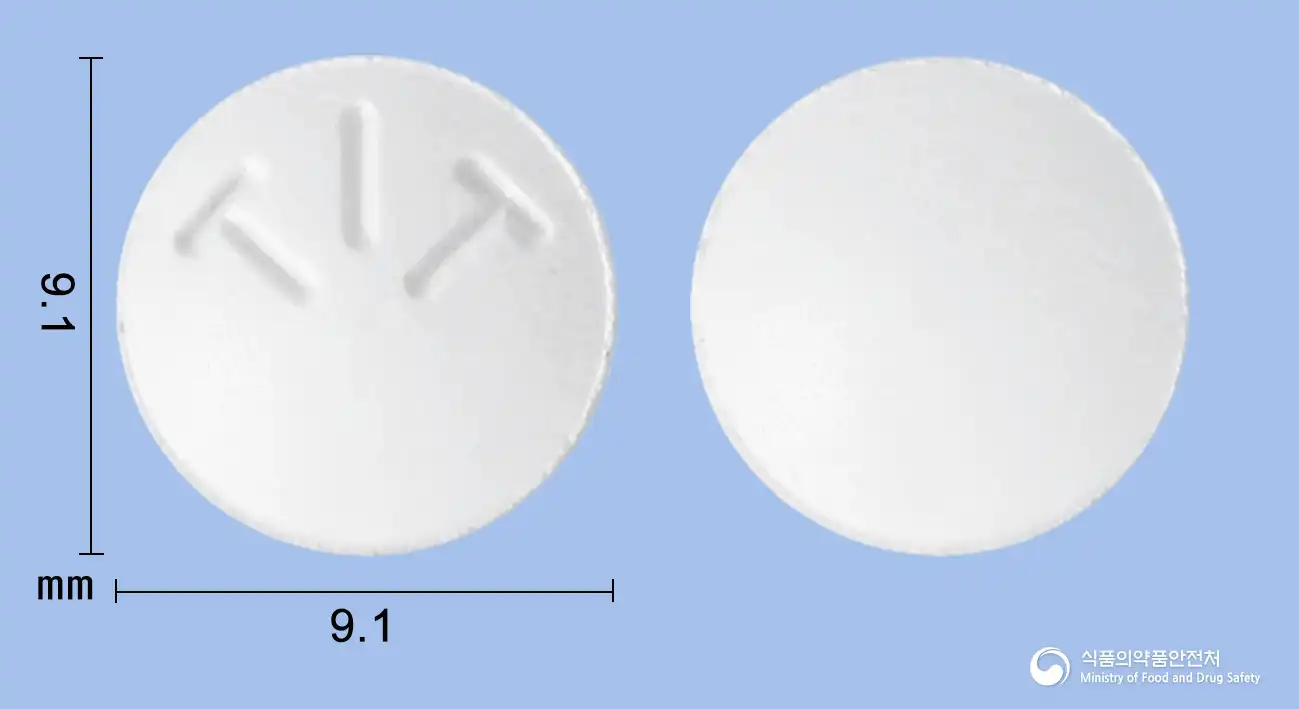
Chamatrijejeong (Trimebutine Maleate)
Trimebutine Maleate 100mg
Tablet · OTC medication
Medix Pharmaceutical Co., Ltd.
MFDS item code 202303191 · Notified 2023.11.22
Improvement of gastroesophageal reflux and gastrointestinal disorders (abdominal pain, dyspepsia), relief of irritable bowel syndrome, treatment of pediatric vomiting and intestinal disorders
This medication helps relieve symptoms of gastrointestinal diseases such as gastroesophageal reflux and hiatal hernia, as well as abdominal pain, dyspepsia, nausea, and vomiting caused by inflammation and ulcers in the stomach and duodenum. It also improves abdominal discomfort due to irritable bowel syndrome and colonic spasms, and is effective in the treatment of habitual vomiting in children and non-infectious intestinal transit disorders (constipation, diarrhea). It is used to treat various digestive-related problems and improve symptoms.
As trimebutine maleate, take 100-200mg orally three times a day before meals. Adjust dosage as necessary based on age and symptoms.
This medication may affect the gastrointestinal tract, and rare symptoms such as constipation, diarrhea, gas sounds in the intestines, nausea, vomiting, dyspepsia, thirst, and a numbing sensation in the mouth may occur. Additionally, rare heart-related symptoms such as palpitations may occur. It may also affect the central nervous system, resulting in fatigue, drowsiness, dizziness, lethargy, and headache, which can occur rarely. It may impact liver function, leading to elevated liver enzyme levels. If skin rashes or other hypersensitivity reactions occur, the medication should be discontinued. The safety of this medication has not been adequately established during pregnancy, so women who are pregnant or may become pregnant should only use it when the benefits outweigh the risks. Women who are breastfeeding should also avoid using this medication if possible, and it is advisable to stop breastfeeding if necessary.
Not everyone experiences these, and they can vary from person to person.
This medication should be stored in a tightly sealed container to prevent air or moisture from entering. It is safest to store it at room temperature between 1 and 30 degrees Celsius.
White round tablet
PTP - 20 tablets/box [(10 tablets/PTP * 2)]
Even with the same ingredient, strength, dosage form and how it is taken can differ.
Viewing nowTrimebutine Maleate 100mg
Tablet · OTC medication
Medix Pharmaceutical Co., Ltd.
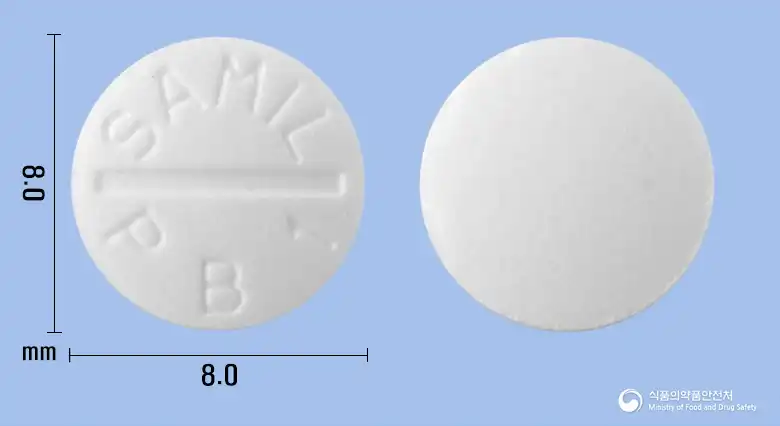
Trimebutine Maleate 100mg
Tablet · OTC medication
Samil Pharmaceutical Co., Ltd.
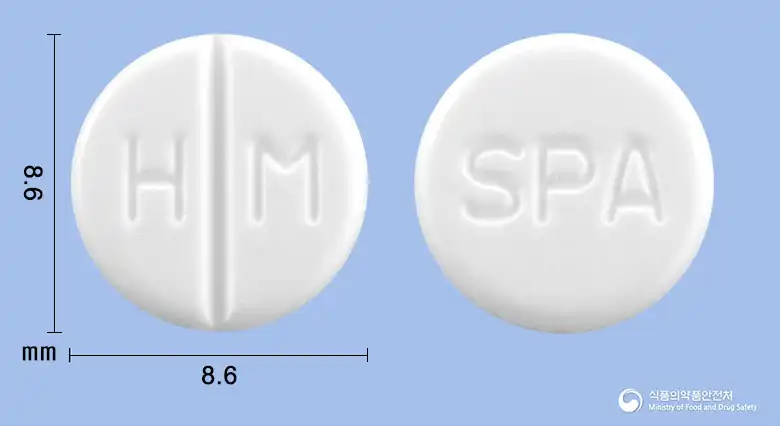
Trimebutine Maleate 100mg
Tablet · OTC medication
Hanmi Pharmaceutical Co., Ltd.
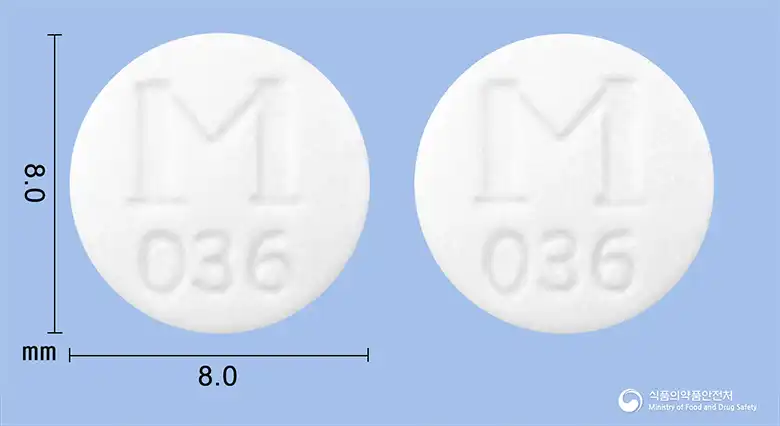
Trimebutine Maleate 100mg
Tablet · OTC medication
Shinil Pharmaceutical Co., Ltd.
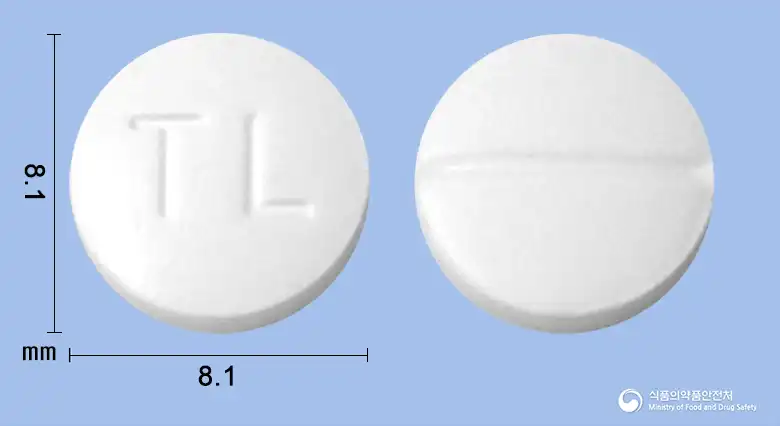
Trimebutine Maleate 100mg
Tablet · OTC medication
Seoul Pharmaceutical Co., Ltd.
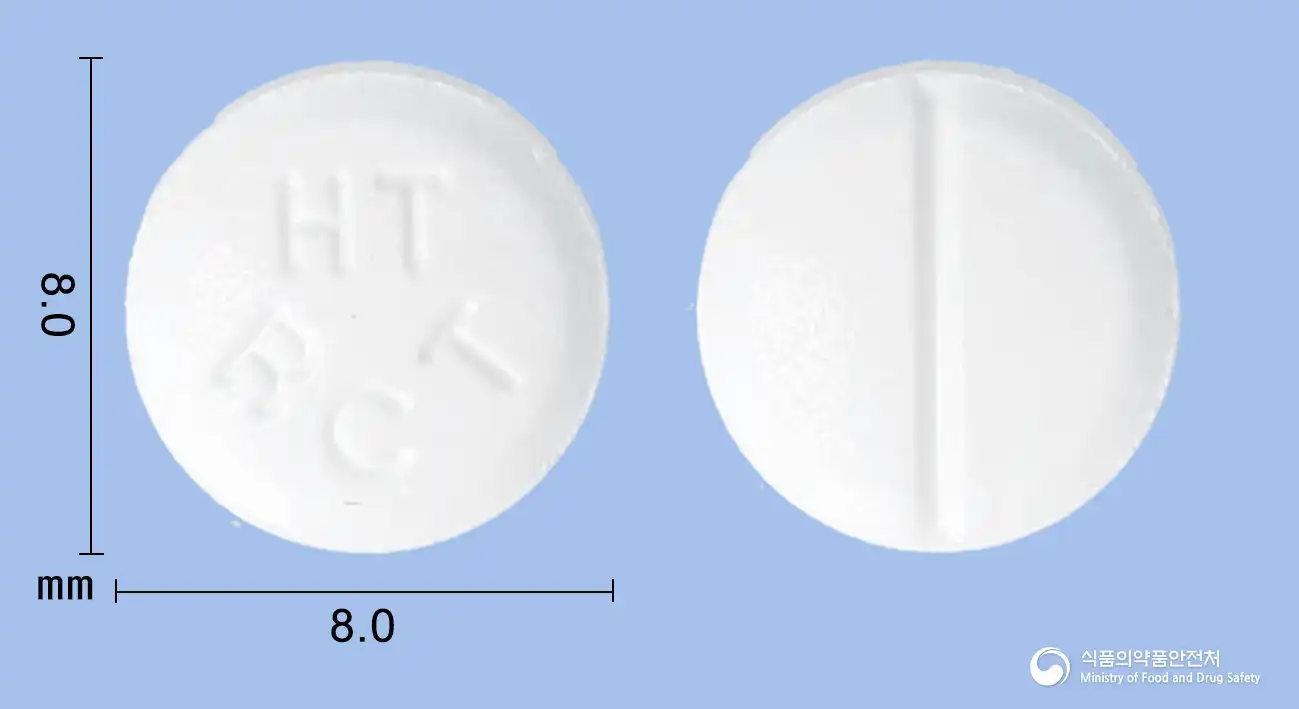
Trimebutine Maleate 100mg
Tablet · OTC medication
Hanmi Pharm. Co., Ltd.
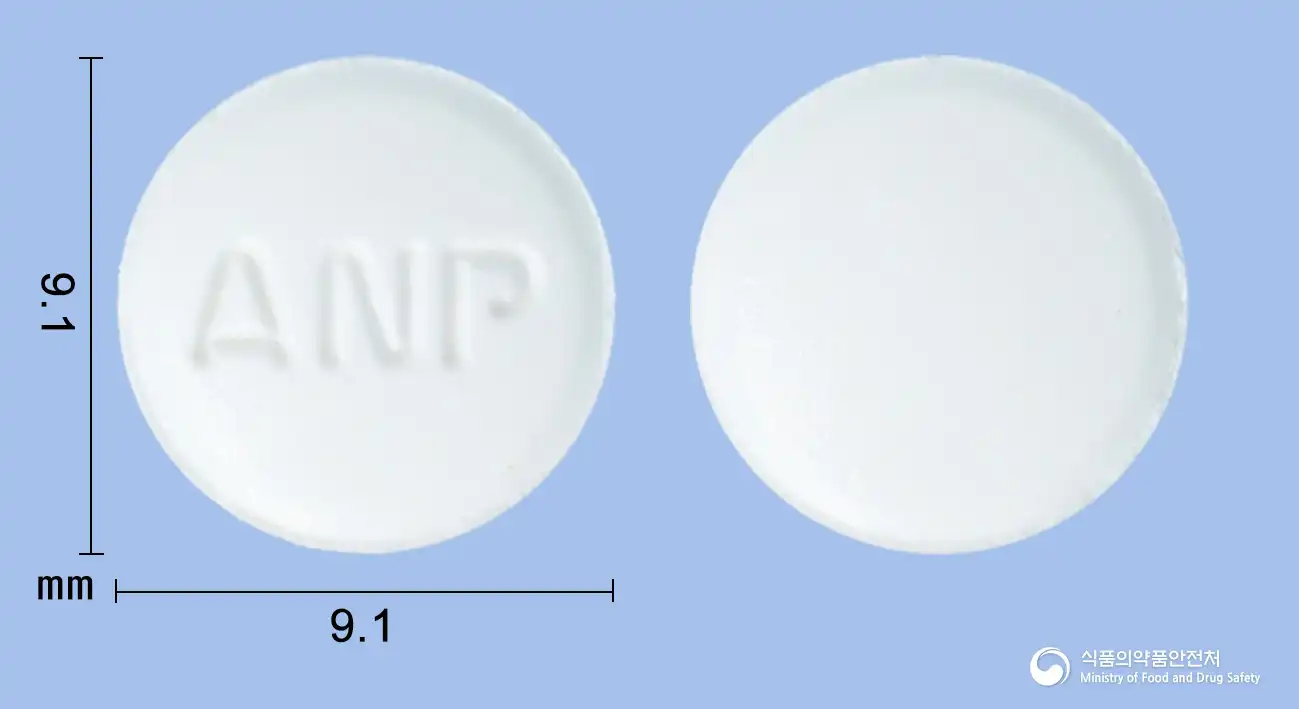
Trimebutine Maleate 100mg
Tablet · OTC medication
Mothers Pharmaceutical Co., Ltd.
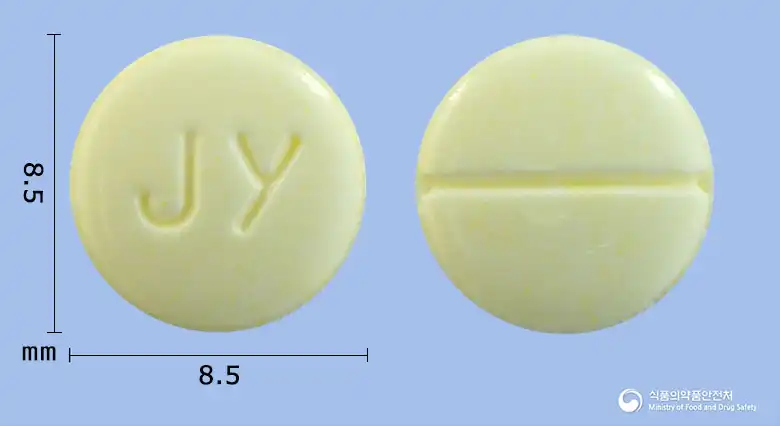
Trimebutine Maleate 200mg
Tablet · OTC medication
Jinyang Pharmaceutical Co., Ltd.
Even with the same ingredient, the dose and directions can differ by strength and dosage form. Talk to a doctor or pharmacist before switching from a medication you are already taking.
QIs it used for children with habitual vomiting?
Answers 1 · 2026.09.14
QShould I avoid taking it after meals?
Answers 1 · 2026.09.14
For anything that needs medical judgment, consult a doctor or pharmacist.
This drug information is based on data provided by the Korea Ministry of Food and Drug Safety.
Consult a doctor or pharmacist for accurate dosage, administration, and usage instructions.