한국어
 English
 日本語
 中文(简体)
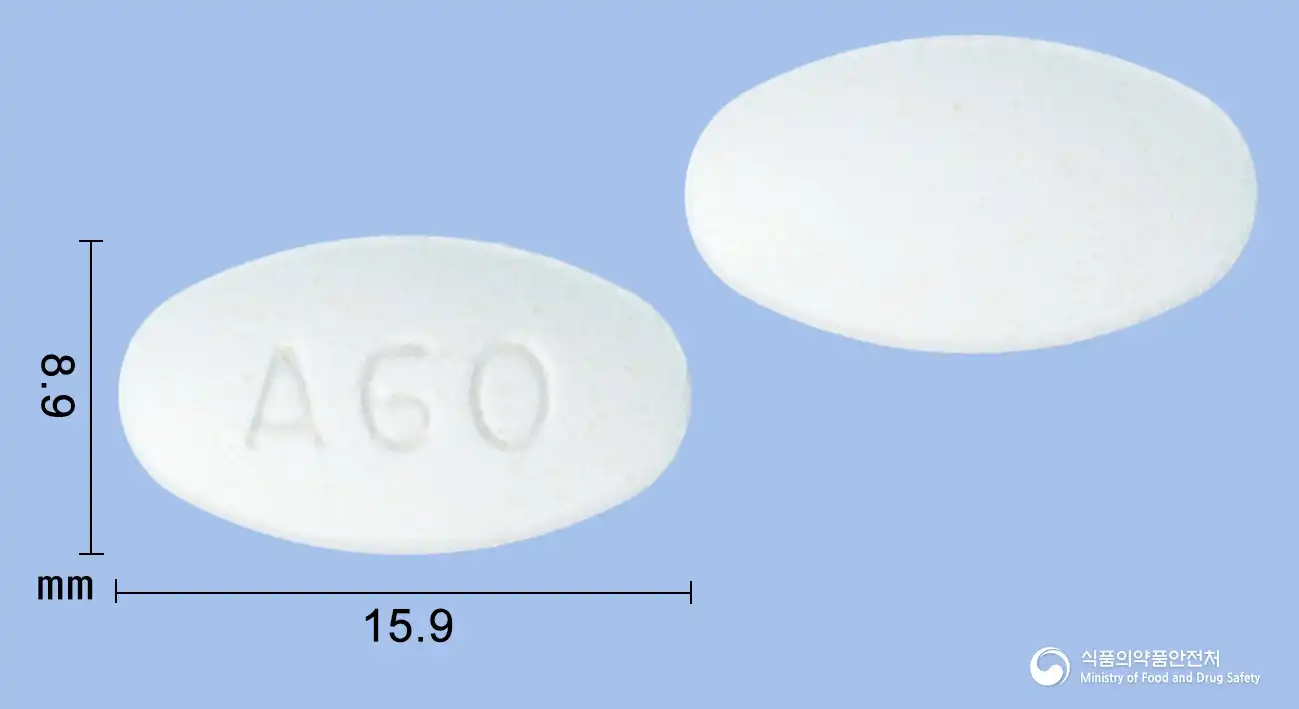
Dosage form image
Viewing nowAqvta Tablet 10 mg (Atozepant Dihydrate)
Atogepant Monohydrate 10.3mg
Tablet · Prescription medication
AbbVie Korea Co., Ltd.
MFDS item code 202303150 · Approved 2023.11.15
Prevention of migraine in adults
This medication is used to prevent migraines in adults aged 18 years and older.
The recommended dose of this medicine is 60 mg of atogepant, taken orally once daily. This medicine may be taken with or without food. Swallow the tablet whole; do not crush or cut it. If a dose is missed, take it as soon as possible. However, if it is nearly time for the next dose, skip the missed dose and take the prescribed dose at the scheduled time the following day. The efficacy of this medicine for the acute treatment of migraine has not been established. When used concomitantly with a strong CYP3A4 inhibitor: The recommended dose of this medicine (atogepant) is 10mg once daily. When used concomitantly with an OATP inhibitor: The recommended dose of this medicine (atogepant) is 10mg once daily. The recommended dose of this medicine in patients with severe renal impairment (creatinine clearance [CLcr] 15-29 mL/min) and end-stage renal disease (ESRD) (CLcr<15 mL/min) is 10mg once daily. Patients with ESRD receiving intermittent dialysis should take this medicine after dialysis whenever possible. Dose adjustment is not recommended in patients with mild or moderate renal impairment. Do not administer this medicine to patients with severe hepatic impairment (Child-Pugh Class C). Dose adjustment is not recommended in patients with mild (Child-Pugh Class A) or moderate hepatic impairment (Child-Pugh Class B).
This medication should not be used in patients with allergies to the active ingredient or excipients. Allergic reactions may include severe anaphylaxis or difficulty in breathing. Patients with severe liver dysfunction should also avoid this medication because if the liver is not functioning properly, the drug may not be processed adequately in the body. During treatment with this medication, allergy symptoms such as rash, itching, facial swelling, etc., may occur, and if such symptoms arise, treatment should be stopped immediately, and a healthcare provider should be consulted. Patients with severe kidney impairment or end-stage kidney disease should also use caution when using this medication, as the kidneys may not effectively excrete the drug. This medication may cause side effects such as nausea, constipation, fatigue, and drowsiness; however, these are usually mild. If symptoms become severe, consult a physician. Weight loss or a temporary increase in liver function test results may occasionally occur, so regular monitoring may be necessary. This medication is intended only for migraine patients, and care must be taken to avoid exceeding the prescribed dosage. Drowsiness or fatigue may occur at the beginning of treatment, so it is advisable to avoid driving or operating machinery until you know how the medication will affect you. There may be interactions with other medications, especially those that inhibit or induce enzymes that metabolize drugs in the liver, which may require dosage adjustments. Pregnant women or those planning to become pregnant should avoid using this medication, and caution is necessary if breastfeeding, as the drug may be excreted in breast milk. Safety and effectiveness in children under 18 years have not been established, so it is advisable not to use this medication in that age group. Elderly patients should be administered this medication with caution, considering potential declines in liver, kidney, and heart function. In case of overdose, there is no specific antidote, so seek medical attention immediately to monitor vital signs and receive appropriate treatment.
Not everyone experiences these, and they can vary from person to person.
This medication should be stored in a tightly sealed container to prevent air or moisture from entering, and it is best to store it at room temperature between 1 to 30 degrees Celsius. Storing it this way helps maintain the effectiveness of the medication and prevent degradation.
White to off-white, round biconvex tablets with "A" and "10" embossed on one side.
28 tablets/box [(7 tablets/PTP X 4)]
Even with the same ingredient, strength, dosage form and how it is taken can differ.
Even with the same ingredient, the dose and directions can differ by strength and dosage form. Talk to a doctor or pharmacist before switching from a medication you are already taking.
No questions yet.
For anything that needs medical judgment, consult a doctor or pharmacist.
This drug information is based on data provided by the Korea Ministry of Food and Drug Safety.
Consult a doctor or pharmacist for accurate dosage, administration, and usage instructions.