
 한국어
한국어 English
 日本語
日本語 中文(简体)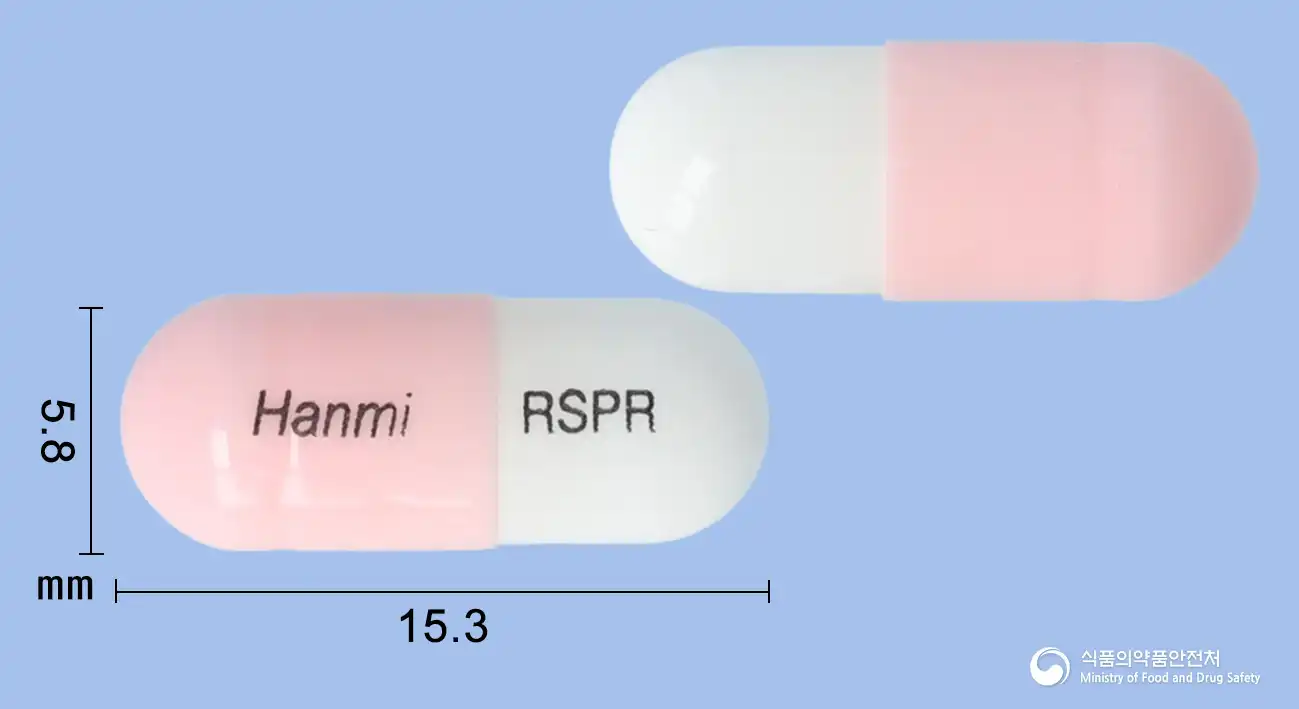
Summary
- Main use
- Inhibition of thrombus formation in the cardiovascular system and reduction of risk
- Who takes it
- Adults
- Adult dose
- For adults, take 1 capsule (Aspirin/Rabeprazole sodium 100/5 mg) once daily. Do not chew or crush this medication; swallow whole with a sufficient amount of water. It can be taken before meals.
Ingredients
- Manufacturer
- 한미약품(주)
Efficacy & effects
Inhibition of thrombus formation in the cardiovascular system and reduction of risk
- Gastric and duodenal ulcers
- myocardial infarction
- cerebral infarction
- unstable angina
- thrombus formation
- ischemic heart disease
- hypertension
- hypercholesterolemia
- obesity
- diabetes
View approved original textHide original text
This medication is used to inhibit thrombus formation in cardiovascular diseases such as myocardial infarction, cerebral infarction, and unstable angina, preventing exacerbation of symptoms. It also helps inhibit thrombus formation in patients who have undergone coronary artery bypass surgery or percutaneous coronary intervention. It reduces cardiovascular risks in high-risk patients with multiple risk factors such as hypertension, diabetes, and hypercholesterolemia. Even in patients with a history of gastric and duodenal ulcers, aspirin can be used cautiously for the treatment of these cardiovascular diseases. This medication is essential for the treatment and prevention of cardiovascular diseases, improving heart and cerebral vascular health by inhibiting thrombus formation.
How to take
Adult dose
For adults, take 1 capsule (Aspirin/Rabeprazole sodium 100/5 mg) once daily. Do not chew or crush this medication; swallow whole with a sufficient amount of water. It can be taken before meals.
Precautions
This medication may pose a risk of gastrointestinal bleeding for individuals who regularly consume more than three alcoholic beverages daily, so it is essential to consult a doctor or pharmacist. Patients who are allergic to this drug or its components, or those with peptic ulcers, aspirin-induced asthma, hemophilia, severe liver disease, kidney disease, cardiac dysfunction, or a predisposition to bleeding should not take this medication. Additionally, those taking high doses of methotrexate, certain antiviral medications, pregnant or breastfeeding women should avoid this medication. Patients with impaired kidney or liver function, cardiovascular disease, blood disorders, asthma, a history of allergies, elderly patients, and those taking anticoagulants should use this medication with caution, and individuals at risk of hemolytic anemia should also take care when using it. This medication can cause various side effects such as skin rashes, urticaria, severe allergic reactions, gastrointestinal bleeding, liver and kidney dysfunction, and neurological symptoms; if any unusual symptoms occur, discontinue use immediately and consult a doctor. Especially in children under 14 years of age, serious symptoms can occur after taking this medication during varicella or influenza infections, so use should be cautious. Long-term use of this medication requires regular blood tests and liver function tests, as high doses or prolonged use may increase the risk of side effects. Aspirin may increase the risk of bleeding during surgery, so if surgery is planned, patients must inform the healthcare team of their aspirin use. During this medication's use, combining with other non-steroidal anti-inflammatory drugs, anticoagulants, or certain antidepressants may increase the risk of bleeding, so it is advisable to consult with a doctor. During pregnancy, it may pose risks to both the fetus and the mother, so it should not be used; breastfeeding may also allow the components to be passed into breast milk, so it should be avoided during this time. Elderly patients may experience side effects more easily due to decreased liver function, thus they should monitor their symptoms closely. In case of overdose, severe toxicity symptoms may arise, so the prescribed dosage must be strictly followed, and if unusual symptoms occur, seek immediate medical care. Finally, this medication should be kept out of reach of children, stored in a sealed container to prevent moisture exposure after opening, and should not be transferred to other containers.
Side effects and when to seek care immediately
Serious side effects
Urticaria, severe swelling (edema), chest tightness, difficulty breathing, cold sweat, pallor, severe rash with high fever, blistering, peeling skin, pain in mucous membranes of the mouth/eyes, dyspnea or breathing difficulties, asthma attacks, cough with fever-related respiratory distress, yellowing of the skin or eyes (jaundice), generalized severe lethargy, sudden and extremely severe headache, thunderclap headache, seizures, confusion, visual disturbances, paralysis, urinary issues
Mild side effects
- Heartburn
- nausea
- vomiting
- loss of appetite
- headache
- dizziness
- ringing in the ears
- ear fullness
- excitement
- diarrhea
Show 29 moreCollapse
- constipation
- abdominal pain
- abdominal bloating
- dyspepsia
- belching
- thirst
- glossitis
- dry mouth
- taste disturbance
- urticaria
- rash
- itching
- facial swelling
- flushing
- muscle pain
- joint pain
- cough
- stuffy nose
- conjunctivitis
- rhinitis-like symptoms
- pharyngitis
- rhinitis
- nosebleed
- laryngitis
- hiccups
- sweating
- alopecia
- dry skin
- herpes zoster
Not everyone experiences these, and they can vary from person to person.
Storage
This medication is sensitive to air and moisture, so it must be stored in a tightly sealed container. It is important to maintain a storage temperature between 1°C and 30°C.
Appearance and packaging
Appearance
This medication is a hard capsule with a light pink upper and white lower part, containing white enteric-coated pellets and yellow round enteric-coated tablets.
Package unit
30 capsules/bottle, 100 capsules/bottle, 300 capsules/bottle
Questions about this medicine
No questions yet.
For anything that needs medical judgment, consult a doctor or pharmacist.