
 한국어
한국어 English
 日本語
日本語 中文(简体)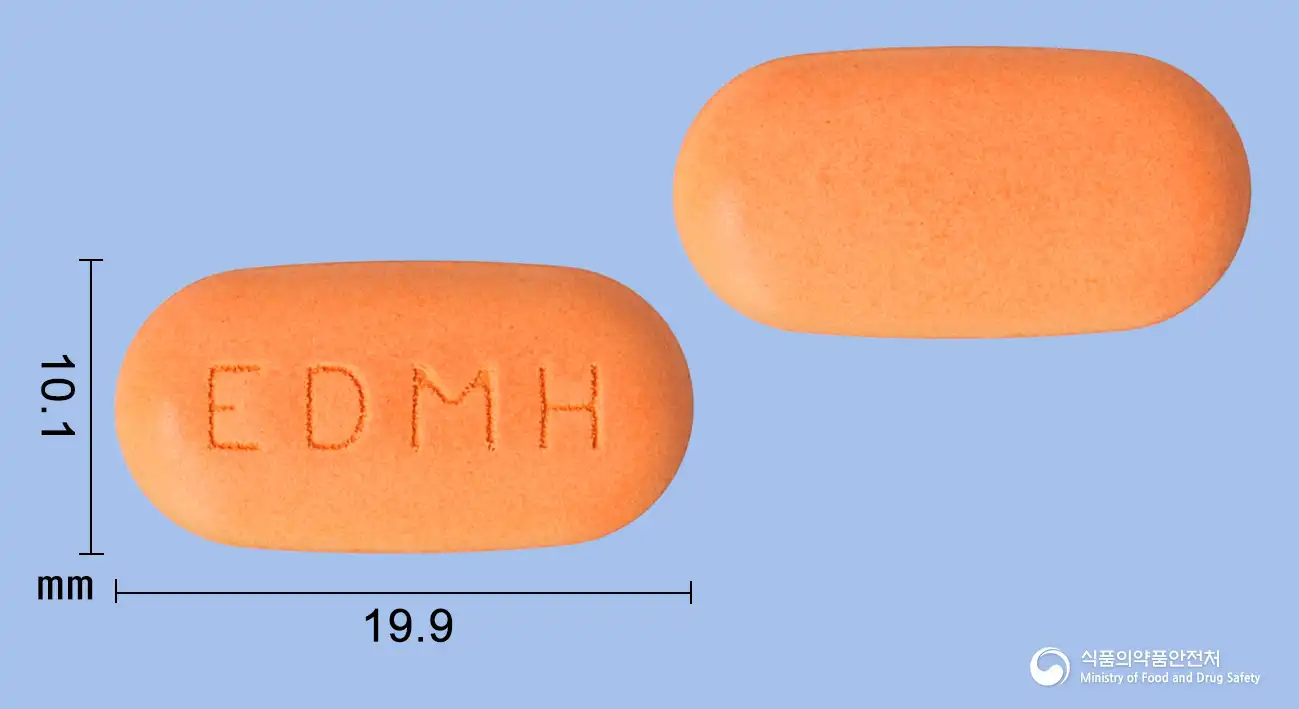
Summary
- Main use
- Improvement of blood sugar control in type 2 diabetes
- Who takes it
- Adults
- Adult dose
- The recommended dosage for this medication is one tablet taken once daily with meals at dinner time for patients receiving Evglyptin 5 mg, Dapagliflozin 10 mg, and Metformin Hydrochloride (sustained-release) 1000 mg. To maintain its sustained-release properties, do not break, crush, chew, or divide the tablet; swallow it whole. For special populations such as patients with renal impairment, dose adjustments for mild renal impairment are not necessary.
Ingredients
- Metformin Hydrochloride1000mg / 1 tablet
- Dapagliflozin Propanediol Hydrate12.3mg / 1 tablet
- Evogliptin Tartrate6.87mg / 1 tablet
- Manufacturer
- 동아에스티(주)
Efficacy & effects
Improvement of blood sugar control in type 2 diabetes
View approved original textHide original text
This medication is used to enhance blood sugar control in patients with type 2 diabetes by assisting lifestyle modifications including diet and exercise along with Evglyptin, Dapagliflozin, and Metformin.
How to take
Adult dose
The recommended dosage for this medication is one tablet taken once daily with meals at dinner time for patients receiving Evglyptin 5 mg, Dapagliflozin 10 mg, and Metformin Hydrochloride (sustained-release) 1000 mg. To maintain its sustained-release properties, do not break, crush, chew, or divide the tablet; swallow it whole. For special populations such as patients with renal impairment, dose adjustments for mild renal impairment are not necessary.
Precautions
This medication helps to control blood sugar. However, it may rarely cause a serious condition called lactic acidosis, so caution is needed. Patients with allergies to any of the ingredients or excipients included in this medication should not take it. Patients with moderate to severe renal impairment, those undergoing dialysis, or those with severe infections or cardiovascular issues may find this medication to be risky. Additionally, it may be necessary to discontinue the medication before and after acute heart failure or certain radiological examinations. Patients with type 1 diabetes or a history of lactic acidosis or ketoacidosis should also avoid this medication. In cases of severe infections or major surgeries, temporary discontinuation of the medication may be necessary, and it can be restarted once the condition stabilizes. Patients with poor nutritional status or impaired liver function, as well as those who consume excessive alcohol, should exercise caution. Patients with heart failure, low fluid volume, or impaired kidney function should use this medication with care, and monitoring for hypotension or potential kidney damage is necessary. If acute pancreatitis symptoms occur, the use of this medication should be stopped immediately. This medication also requires caution for those allergic to yellow dye components. Various side effects, such as digestive disorders, infections, muscle pain, headache, dizziness, may occur during treatment, so consult a doctor if any unusual symptoms arise. Hypoglycemic symptoms may rarely occur, so be cautious. This medication can particularly affect kidney function, so regular kidney function tests are essential. Furthermore, patients should be well aware of the symptoms of ketoacidosis and lactic acidosis, and report any suspected symptoms to healthcare professionals immediately. It is advisable to avoid alcohol consumption, and regular monitoring of vitamin B12 levels is recommended. During the medication period, careful observation for fluid status and infection symptoms is required, and any unusual symptoms should be discussed with healthcare professionals immediately.
Side effects and when to seek care immediately
Serious side effects
Hives, severe swelling (edema), chest tightness, difficulty breathing, cold sweats, paleness, severe allergic reactions, severe rashes accompanied by high fever, blisters, skin peeling, pain in oral/ocular mucosa, severe skin adverse reactions, shortness of breath or difficulty in breathing, asthma attacks, respiratory problems accompanied by cough and fever, jaundice (yellowing of skin or eyes), marked lethargy, liver abnormalities (jaundice), sudden
Mild side effects
- Constipation
- chronic gastritis
- colon polyps
- gastric ulcers
- gastroesophageal reflux disease
- hemorrhoids
- dyspepsia
- vaginal infections
- herpes zoster
- cystitis
Show 20 moreCollapse
- arthralgia
- myalgia
- rotator cuff syndrome
- dizziness
- headache
- breast pain
- pruritus
- sensorineural hearing loss
- hypertension
- vulvitis
- vulvovaginal candidiasis
- gastroenteritis
- stomatitis
- vomiting
- increased amylase
- increased lipase
- elevated blood urea
- weight loss
- lumbar pain
- cerebral ischemia
Not everyone experiences these, and they can vary from person to person.
Storage
This medication should be stored in a tightly sealed container to prevent air and moisture exposure. It is recommended to maintain the storage temperature between 1 and 30 degrees Celsius at room temperature to preserve the medication's efficacy and safety.
Appearance and packaging
Appearance
Orange oval sustained-release film-coated tablet
Package unit
30 tablets/bottle
Questions about this medicine
No questions yet.
For anything that needs medical judgment, consult a doctor or pharmacist.