
 한국어
 English
 日本語
 中文(简体)
 Viewing nowCombination
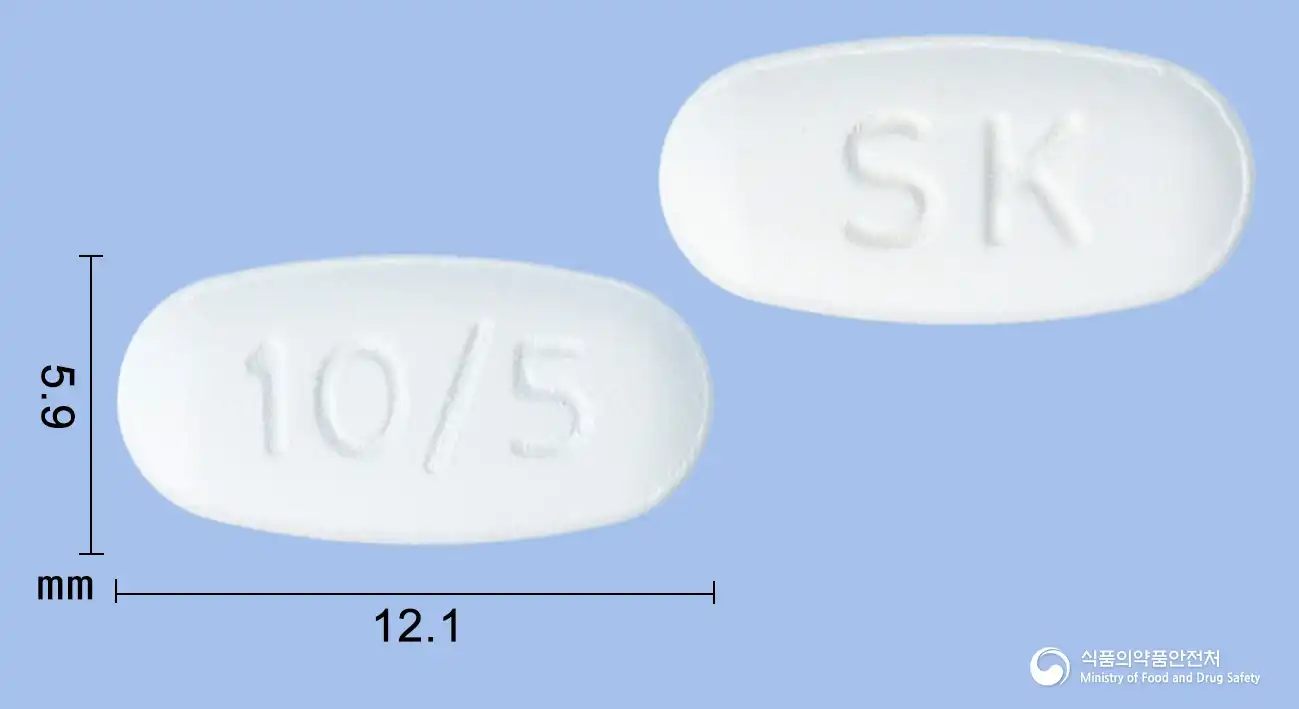
Tosjet A Tablets 10/10/5 mg (Ezetimibe, Atorvastatin Calcium Hydrate, Amlodipine Besylate)
Ezetimibe 10mg · Amlodipine Besylate 6.944mg +1 more
Tablet · Prescription medication · Combination
SK Chemicals Co., Ltd.
MFDS item code 202302979 · Approved 2023.10.25
Improvement of dyslipidemia; treatment of hypertension and angina; prevention of risks of hospitalization and revascularization
This medication is used for patients who need to take a combination of two medications, Amlodipine and Ezetimibe/Atorvastatin. Amlodipine is effective for treating myocardial ischemia caused by hypertension, stable and unstable angina, reducing the risk of hospitalization due to angina and the risks associated with coronary revascularization in some patients with recently diagnosed coronary artery disease. The Ezetimibe/Atorvastatin combination improves cholesterol levels in patients with primary and mixed dyslipidemia and is used as an adjunct therapy in patients with familial hypercholesterolemia. This combination reduces levels of total cholesterol, LDL cholesterol, apo B, and triglycerides while increasing HDL cholesterol levels. However, there is a lack of studies regarding certain types of dyslipidemia. In summary, this medication helps improve cardiovascular health when used in the treatment of hypertension, angina, and hypercholesterolemia.
The recommended dose of this medicine is 1 tablet once daily, taken with water, with or without food. If possible, it is recommended that it be taken at the same time each day (e.g., in the morning). This medicine is for use in adults only. The dose should be individualized for each patient based on the efficacy and tolerability of amlodipine and the ezetimibe/atorvastatin combination. Take this medicine whole without chewing, dividing, or crushing it. For patients taking amlodipine and the ezetimibe/atorvastatin combination concomitantly, they may switch to this medicine (a combination product containing the same amount of each active ingredient) for convenience. ○ Amlodipine <Adults> Administer amlodipine 5mg orally once daily, and the dose may be increased up to a maximum of 10 mg once daily depending on the patient's response. Adjust the dose appropriately according to age and symptoms. ○ Ezetimibe/atorvastatin combination This medicine is administered once daily, with or without food. Patients should follow a standard cholesterol-lowering diet continuously before and during treatment with this medicine. The dose of this medicine should be adjusted according to the patient's baseline LDL-cholesterol level, recommended treatment goal, and response. Primary hypercholesterolemia The dose range of the ezetimibe/atorvastatin combination is 10/10mg∼10/80mg once daily. The recommended starting dose is 10/10mg or 10/20mg once daily. For patients requiring a greater reduction in LDL-cholesterol (55% or more), a starting dose of 10/40mg once daily is recommended. After starting this medicine or adjusting the dose, check blood lipid levels at intervals of 2 weeks or more and adjust the dose accordingly. Homozygous familial hypercholesterolemia The recommended dose for patients with homozygous familial hypercholesterolemia is 10/40mg or 10/80mg once daily. This medicine is administered as an adjunct to other lipid-lowering treatments (e.g., LDL apheresis) or when other lipid-lowering treatments are not useful.
This medication may cause severe muscle pain or weakness, so patients with a serious myopathy or risk of rhabdomyolysis should consult their doctor before use. Patients with liver dysfunction or a history of liver disease should have liver function tests before using this medication and also check liver function regularly during treatment. This medication should not be used by patients with allergies to certain components, or specific patients such as those with liver or muscle issues, pregnant women, or nursing mothers, so it is essential to follow the doctor's instructions. Taking this medication with other drugs may increase the risk of side effects due to interactions, so patients should inform their healthcare provider of any medications they are currently taking. If symptoms such as muscle pain, fatigue, or fever occur during treatment, patients should immediately inform their doctor and be tested, and treatment should be stopped if necessary. Alcohol intake should be avoided as it can burden the liver, especially for patients with decreased liver function. Patients should be cautious when driving or operating machinery as dizziness or drowsiness may occur; caution is advised if experiencing such symptoms. Women of childbearing age should use appropriate contraception to prevent pregnancy while on this medication, and should not take it if planning pregnancy or during pregnancy. This medication may cause serious liver damage or muscle problems, requiring regular blood tests and symptom monitoring. Side effects may include headache, dyspepsia, constipation, edema, muscle pain, joint pain, nausea, weakness, dry eyes, ingrown toenails, palpitations, dizziness, taste disturbances, memory loss, muscle fatigue, thrombocytopenia, insomnia, mood changes, cough, rhinitis, hair loss, sweating, purpura, skin discoloration, rash, hives, itching, sweating, dry skin, eczema, seborrheic dermatitis, and eruptions.
Not everyone experiences these, and they can vary from person to person.
Store this medication in a tightly closed container to protect it from air and moisture. It is best stored at room temperature between 1 and 30 degrees Celsius.
White film-coated rectangle tablet
30 tablets/box [10 tablets/PTP x 3]
Even with the same ingredient, strength, dosage form and how it is taken can differ.
Viewing nowCombinationEzetimibe 10mg · Amlodipine Besylate 6.944mg +1 more
Tablet · Prescription medication · Combination
SK Chemicals Co., Ltd.
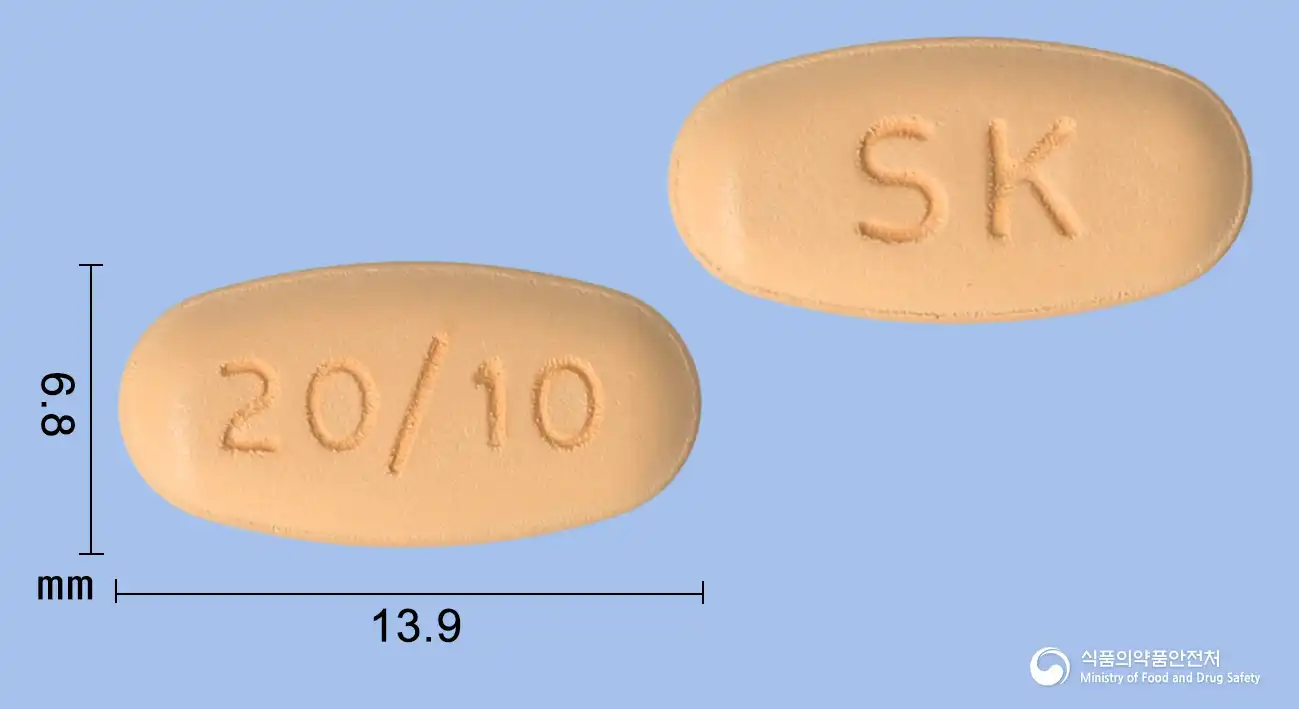
Atorvastatin Calcium Trihydrate 43.4mg · Amlodipine Besylate 13.888mg +1 more
Tablet · Prescription medication · Combination
SK Chemicals Co., Ltd.
 Combination
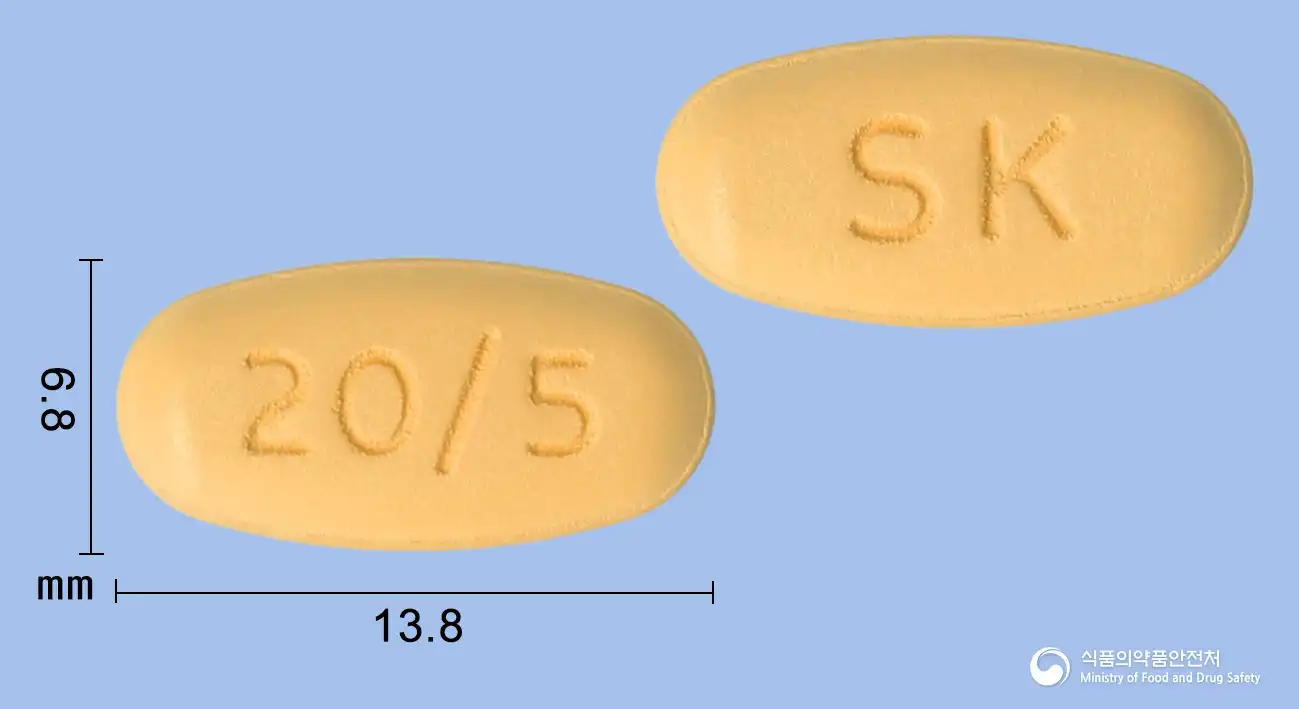
Atorvastatin Calcium Trihydrate 21.7mg · Amlodipine Besylate 13.888mg +1 more
Tablet · Prescription medication · Combination
SK Chemicals Co., Ltd.
 Combination
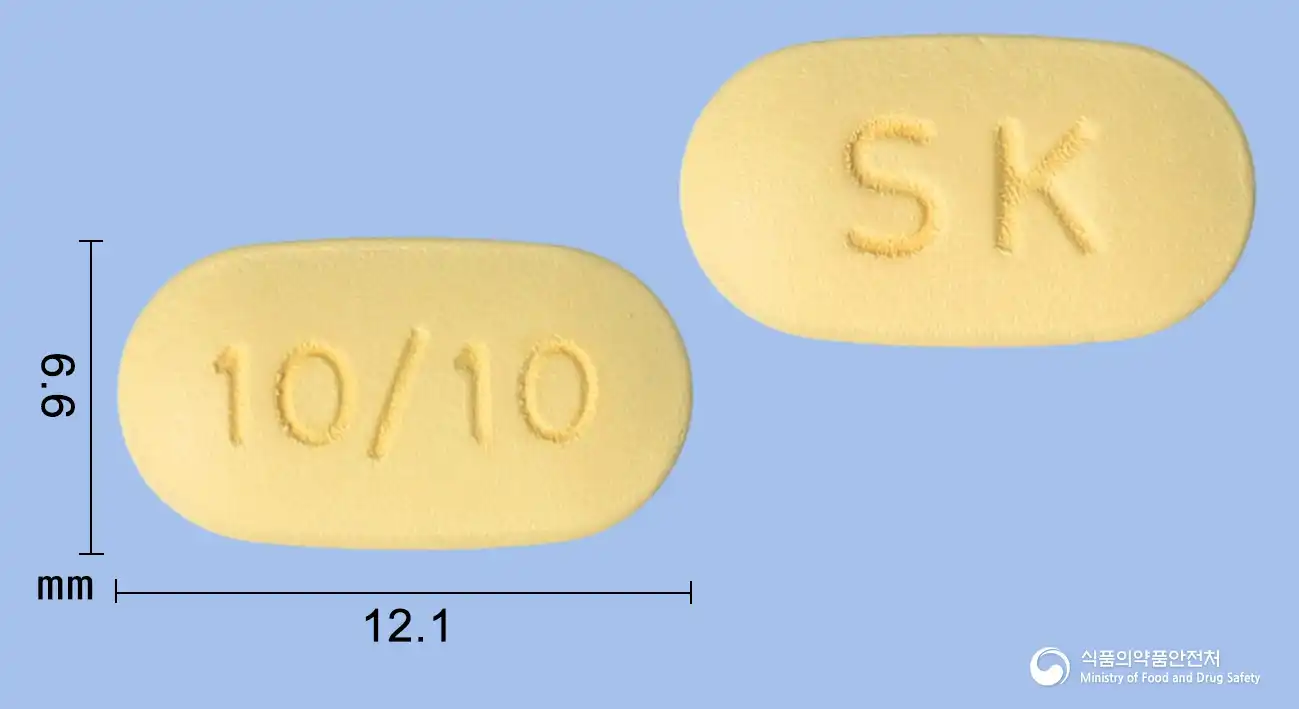
Atorvastatin Calcium Trihydrate 21.7mg · Amlodipine Besylate 6.944mg +1 more
Tablet · Prescription medication · Combination
SK Chemicals Co., Ltd.
 Combination
Ezetimibe 10mg · Amlodipine Besylate 13.888mg +1 more
Tablet · Prescription medication · Combination
SK Chemical Co., Ltd.
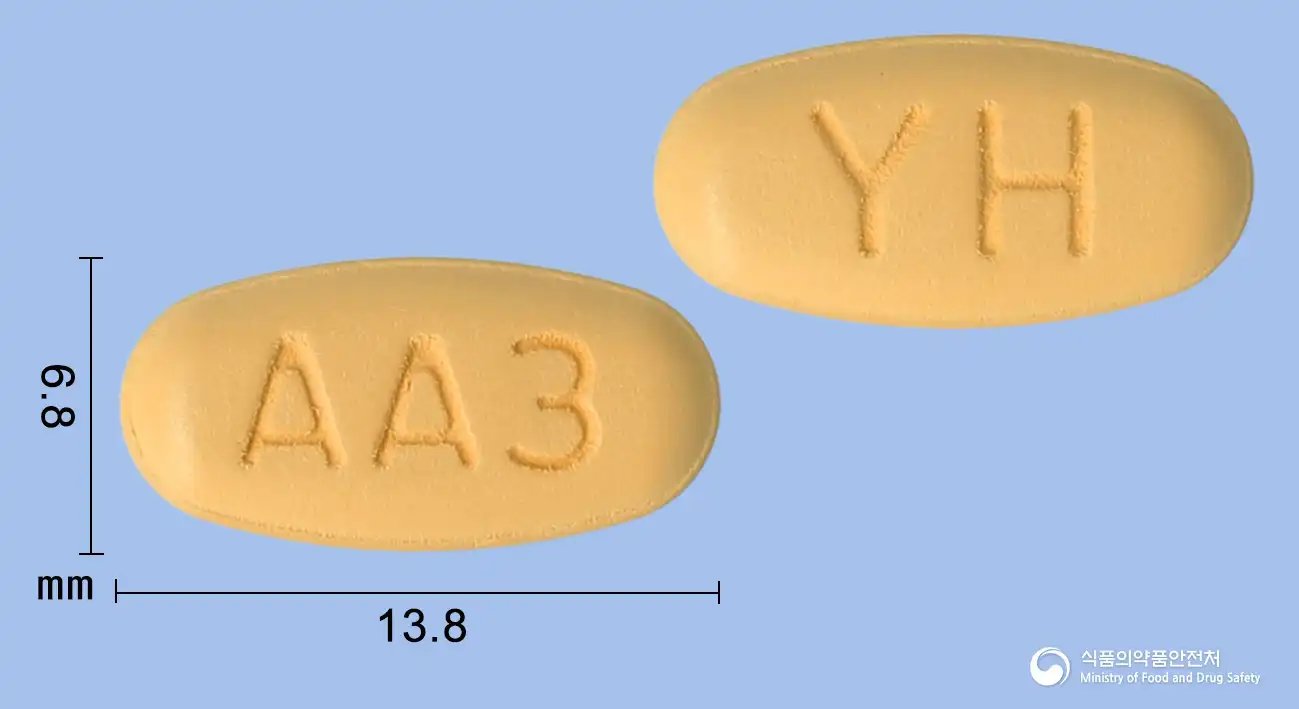 Combination
Atorvastatin Calcium Trihydrate 21.7mg · Amlodipine Besylate 6.944mg +1 more
Tablet · Prescription medication · Combination
Yuhan Corporation
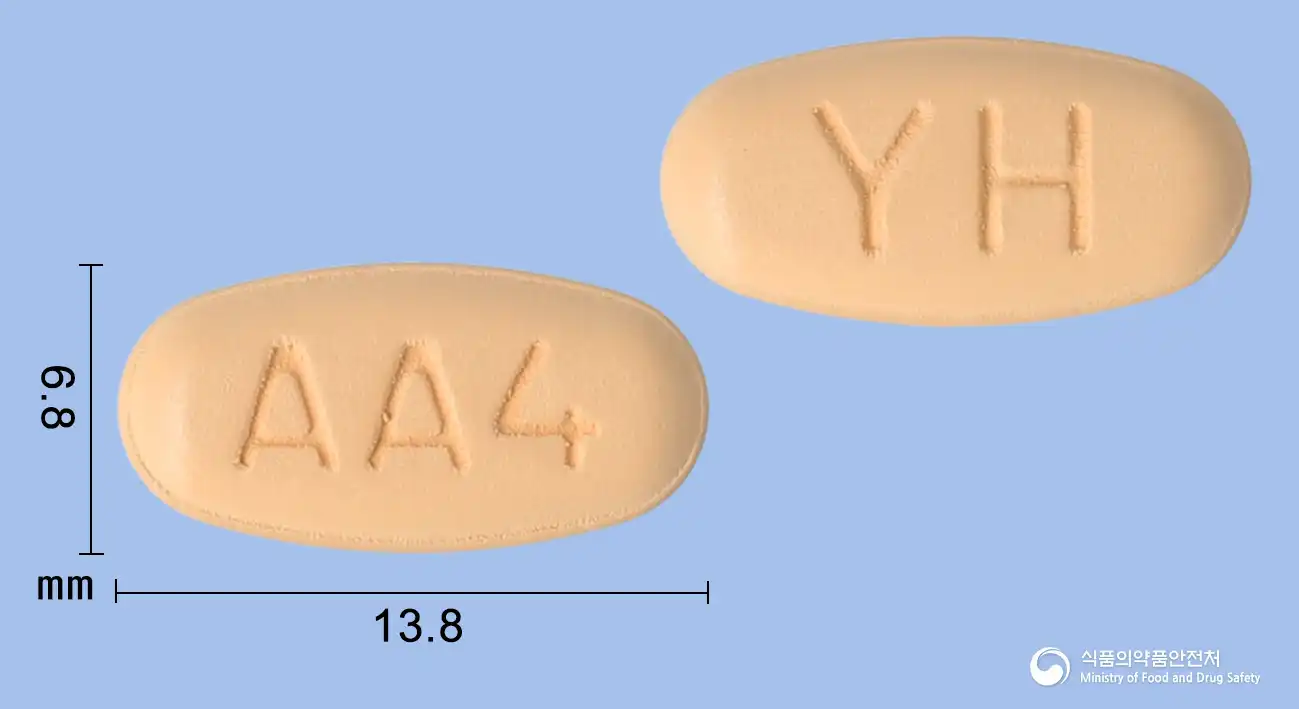 Combination
Atorvastatin Calcium Trihydrate 21.7mg · Amlodipine Besylate 13.888mg +1 more
Tablet · Prescription medication · Combination
Yuhan Corporation
Atorvastatin Calcium Trihydrate 43.4mg · Amlodipine Besylate 13.888mg +1 more
Tablet · Prescription medication · Combination
Yuhan Corporation
Even with the same ingredient, the dose and directions can differ by strength and dosage form. Talk to a doctor or pharmacist before switching from a medication you are already taking.
No questions yet.
For anything that needs medical judgment, consult a doctor or pharmacist.
This drug information is based on data provided by the Korea Ministry of Food and Drug Safety.
Consult a doctor or pharmacist for accurate dosage, administration, and usage instructions.