Treatment of gastric ulcers and gastroesophageal reflux disease (erosive, ulcerative)
Who uses it
Adults · Children
Adult dosage
Gastric ulcers, duodenal ulcers: may administer 20/800mg (2 tablets) orally once daily according to symptoms. Usually given for up to 8 weeks for gastric ulcers and up to 6 weeks for duodenal ulcers.
Erosive or ulcerative gastroesophageal reflux disease: administer 20/800mg (2 tablets) orally once daily for 4 to 8 weeks. If the condition does not improve after 8 weeks of proton pump inhibitors (PPIs), an additional 20/800mg (2 tablets) orally twice daily for another 8 weeks may be administered. However, this twice daily dosing is only for patients confirmed with severe mucosal damage.
Long-term maintenance therapy for gastroesophageal reflux disease: administer 20/800mg (2 tablets) orally once daily, according to patient condition.
◯ Patients with liver dysfunction
Adverse reactions have been reported in patients with liver cirrhosis and hepatic encephalopathy, so it should be administered with caution.
◯ Children
Safety in children has not been established.
◯ The elderly
Caution is required due to frequently reduced liver function.
Treatment of gastric ulcers and gastroesophageal reflux disease (erosive, ulcerative)
Gastric ulcer
duodenal ulcer
erosive gastroesophageal reflux disease
ulcerative gastroesophageal reflux disease
gastroesophageal reflux disease
View approved original textHide original text
This medication is used for the treatment of gastric ulcers, duodenal ulcers, erosive or ulcerative gastroesophageal reflux disease, and is effective for long-term maintenance therapy of gastroesophageal reflux disease. It helps alleviate symptoms by controlling the acidity in the stomach and protects the mucosa to aid healing. It assists in improving your digestive health.
Dosage and Administration
Adult dosage
Gastric ulcers, duodenal ulcers: may administer 20/800mg (2 tablets) orally once daily according to symptoms. Usually given for up to 8 weeks for gastric ulcers and up to 6 weeks for duodenal ulcers.
Erosive or ulcerative gastroesophageal reflux disease: administer 20/800mg (2 tablets) orally once daily for 4 to 8 weeks. If the condition does not improve after 8 weeks of proton pump inhibitors (PPIs), an additional 20/800mg (2 tablets) orally twice daily for another 8 weeks may be administered. However, this twice daily dosing is only for patients confirmed with severe mucosal damage.
Long-term maintenance therapy for gastroesophageal reflux disease: administer 20/800mg (2 tablets) orally once daily, according to patient condition.
◯ Patients with liver dysfunction
Adverse reactions have been reported in patients with liver cirrhosis and hepatic encephalopathy, so it should be administered with caution.
◯ Children
Safety in children has not been established.
◯ The elderly
Caution is required due to frequently reduced liver function.
Children's dosage
Safety in children has not been established.
Precautions
This medication should not be used in patients with allergies to specific components or those taking certain medications such as Atazanavir or Lopinavir, and should not be used by pregnant or breastfeeding women.
Patients with liver or kidney issues, the elderly, patients with cardiac or pulmonary conditions, and those with severe gastrointestinal ulcers should use this medication with caution.
This medication may cause a variety of side effects including skin rash, itching, blood disorders, liver function abnormalities, cardiovascular issues, gastrointestinal symptoms, neurological symptoms, respiratory symptoms, muscle and joint pain, skin disorders, eye problems, and urinary system issues, so immediate consultation with a healthcare provider is advised if symptoms occur.
This medication suppresses gastric acid secretion, which may slightly increase the risk of bacterial overgrowth in the stomach. Regular check-ups are needed, especially with long-term use.
Long-term use may increase the risk of fracture, hypomagnesemia, vitamin B12 malabsorption, so caution is advised.
It may cause drowsiness while driving or operating machinery; therefore, careful attention is needed.
There may be interactions with certain medications, thus consultation with a healthcare provider is necessary if taken with Warfarin, Methotrexate, Atazanavir, Lopinavir, etc.
Pregnant or breastfeeding women should not use this medication, and the elderly should use it cautiously due to potential side effects from reduced liver function.
Safety in children has not been established, and there is limited experience using it in this population.
In cases of overdose, there is no specific antidote; treatment according to symptoms and supportive therapy is necessary.
This medication should be swallowed whole and should not be chewed or crushed, and must be kept out of reach of children.
Long-term use may increase the risk of gastric polyps; thus, the minimum effective dose and duration of therapy is recommended.
Kidney-related side effects such as acute interstitial nephritis may occur, so if there are any abnormal symptoms, stop and consult a healthcare provider immediately.
Side effects and when to seek care immediately
Serious side effects
Hives, severe swelling, chest tightness, difficulty breathing, cold sweat, pallor, high fever, severe rash, blisters, skin peeling, pain in mouth/eye mucosa, shortness of breath or difficulty breathing, asthma attacks, cough with fever and respiratory abnormalities, jaundice, profound lethargy, sudden severe headache, lightning headache, seizures, consciousness disturbance, visual abnormalities, paralysis, significantly reduced urine output,
Mild side effects
Rash
itching
decreased red blood cells
decreased white blood cells
increased white blood cells
increased eosinophils
increased neutrophils
decreased lymphocytes
anemia
petechiae
Show 20 moreCollapse
lymphadenopathy
hypochromic anemia
pancytopenia
agranulocytosis
decreased platelets
hemolytic anemia
ALT elevation
AST elevation
ALP elevation
γ-GTP elevation
LDH elevation
total bilirubin elevation
hypertension
myocardial infarction
electrocardiogram abnormalities
migraine
syncope
angina pectoris
heart block
palpitations
Not everyone experiences these, and they can vary from person to person.
Storage
This medication should be stored in a tightly sealed container to prevent moisture and air exposure, at room temperature between 1 and 30 degrees Celsius.
Storing it this way helps maintain the effectiveness and safety of the medication.
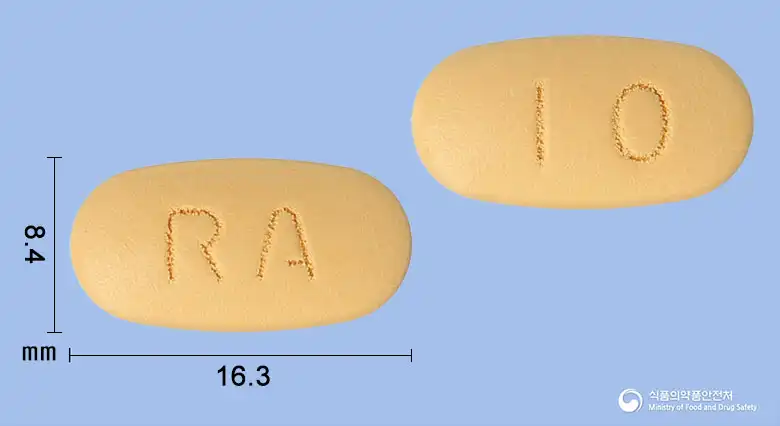
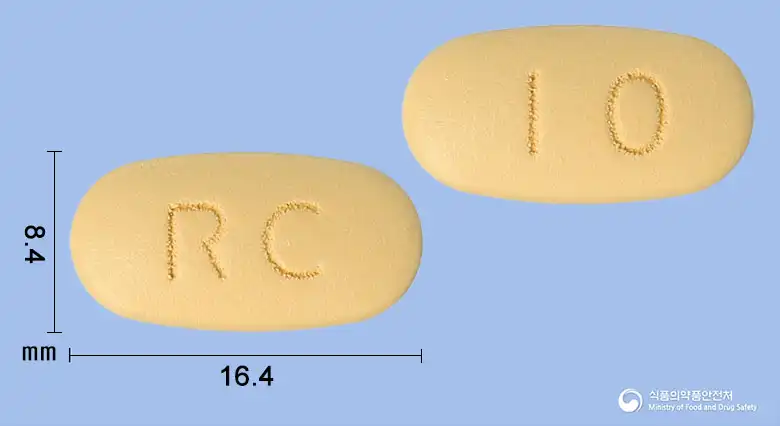
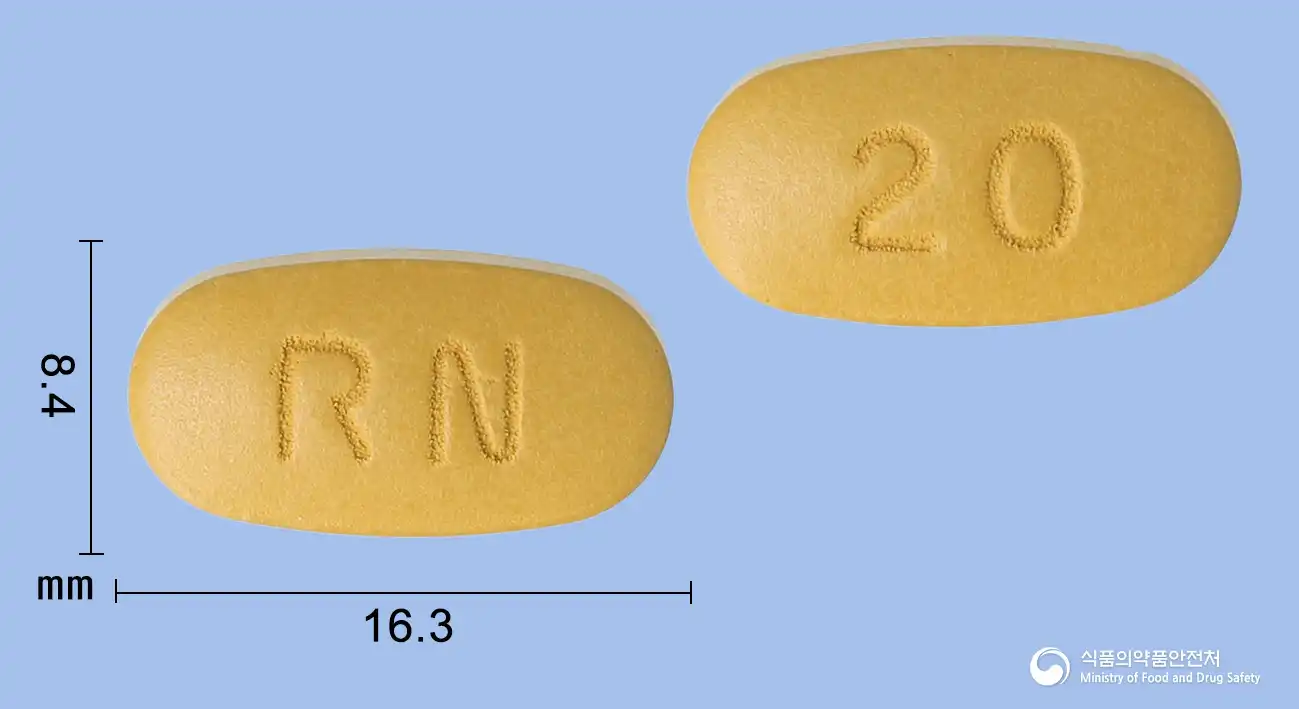
Appearance and packaging
Appearance
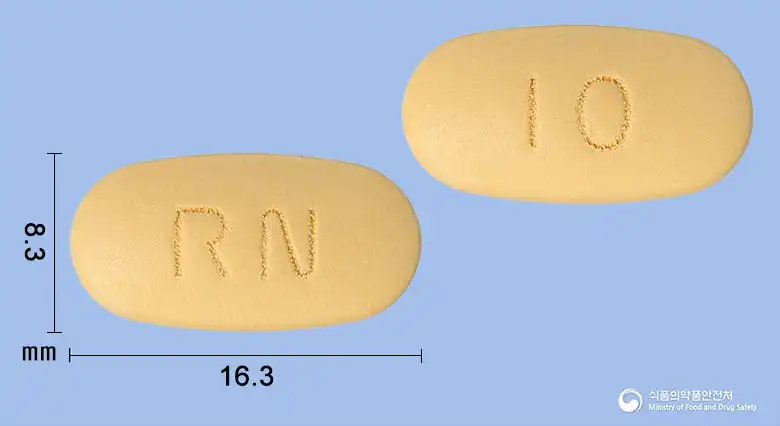
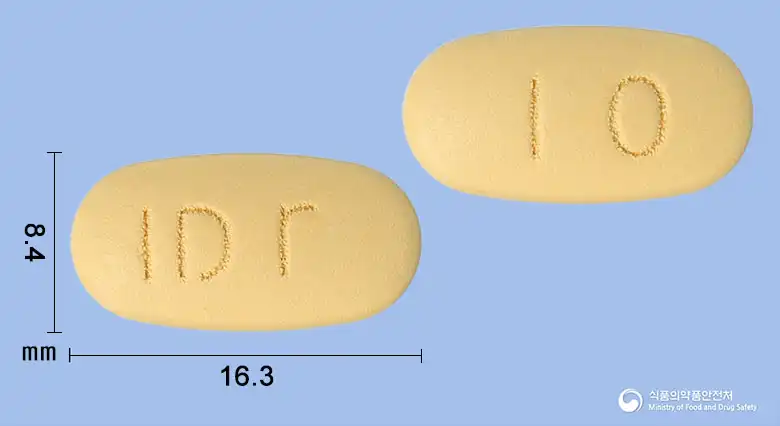
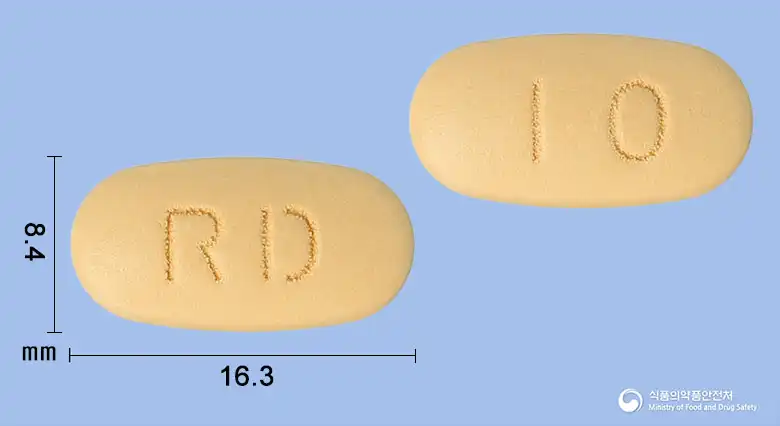
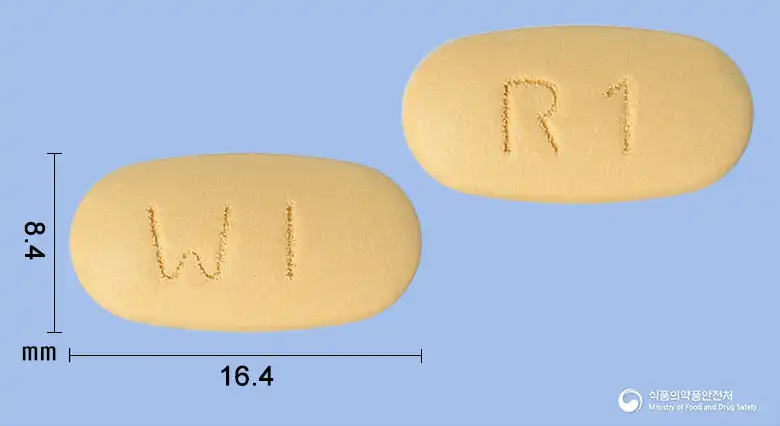
White, round film-coated tablet
Package unit
100 tablets/box [10 tablets/PTP * 10EA]
Same-ingredient medicines
Even with the same ingredient, strength, dosage form and how it is taken can differ.
Even with the same ingredient, the dose and directions can differ by strength and dosage form. Talk to a doctor or pharmacist before switching from a medication you are already taking.
Questions about this medicine
No questions yet.
For anything that needs medical judgment, consult a doctor or pharmacist.
This drug information is based on data provided by the Korea Ministry of Food and Drug Safety. Consult a doctor or pharmacist for accurate dosage, administration, and usage instructions.

 한국어
한국어 English
 日本語
日本語 中文(简体)