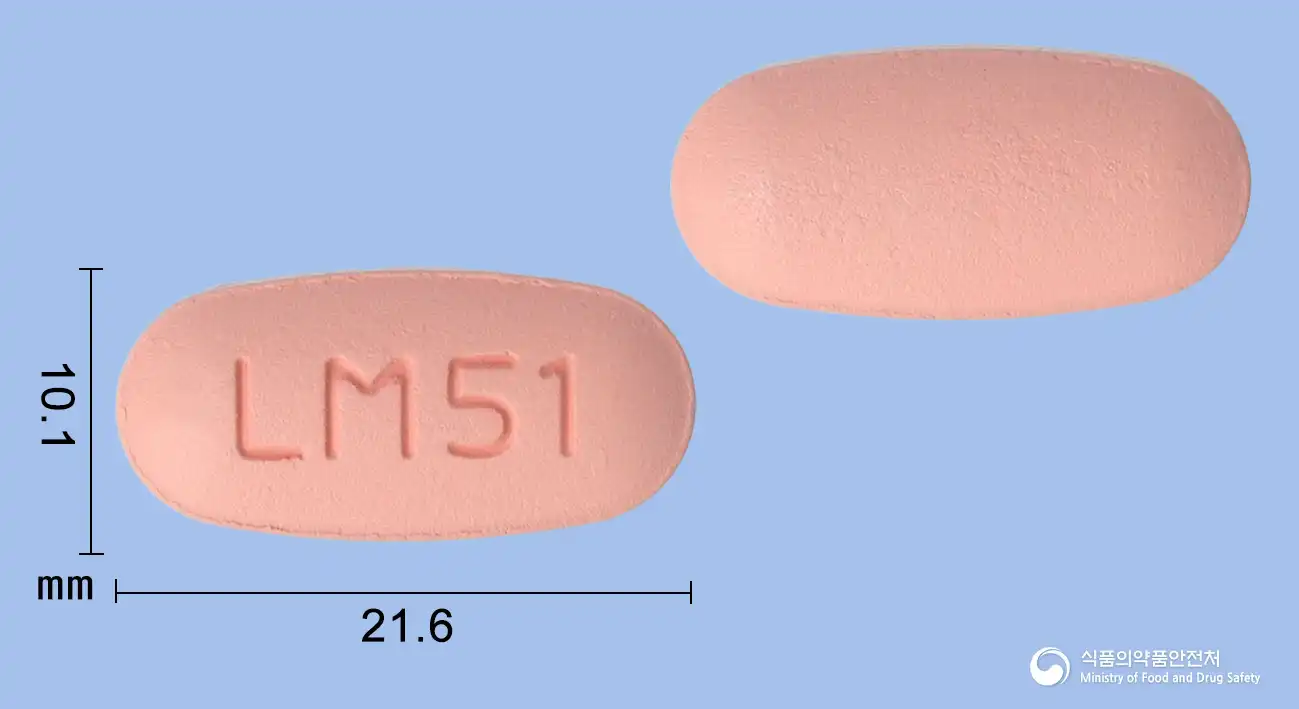
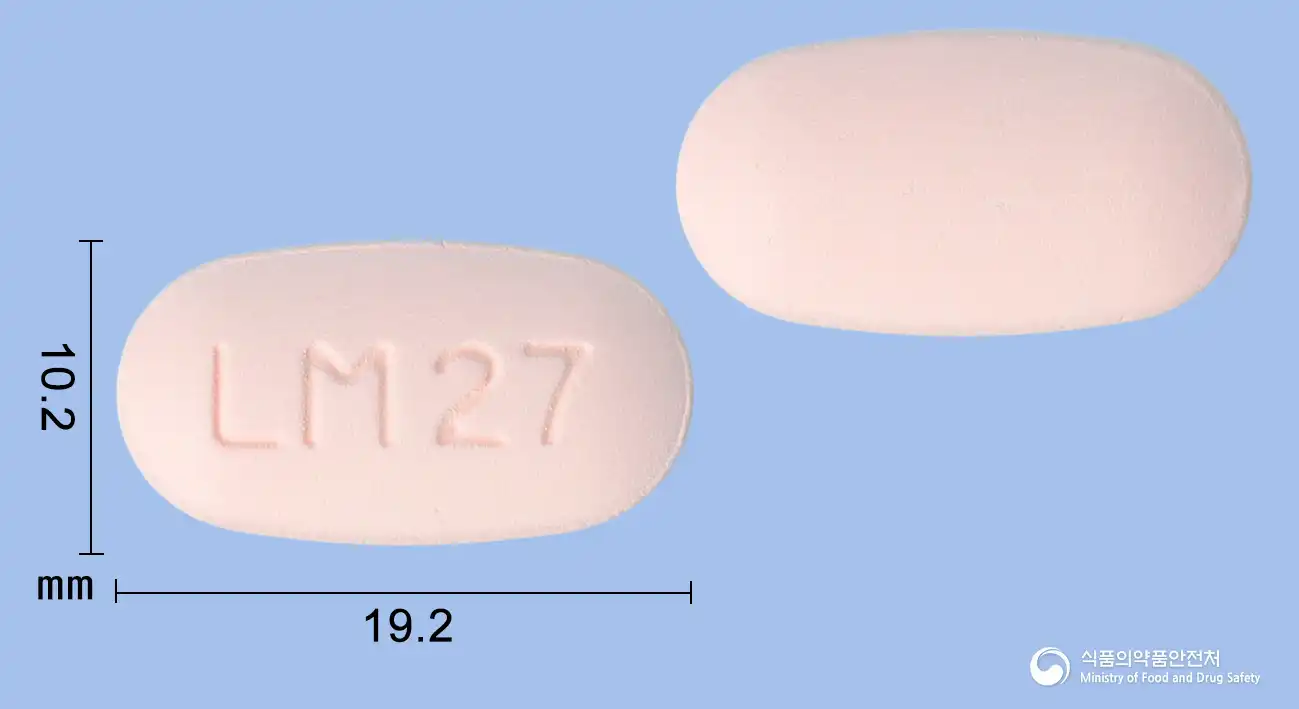
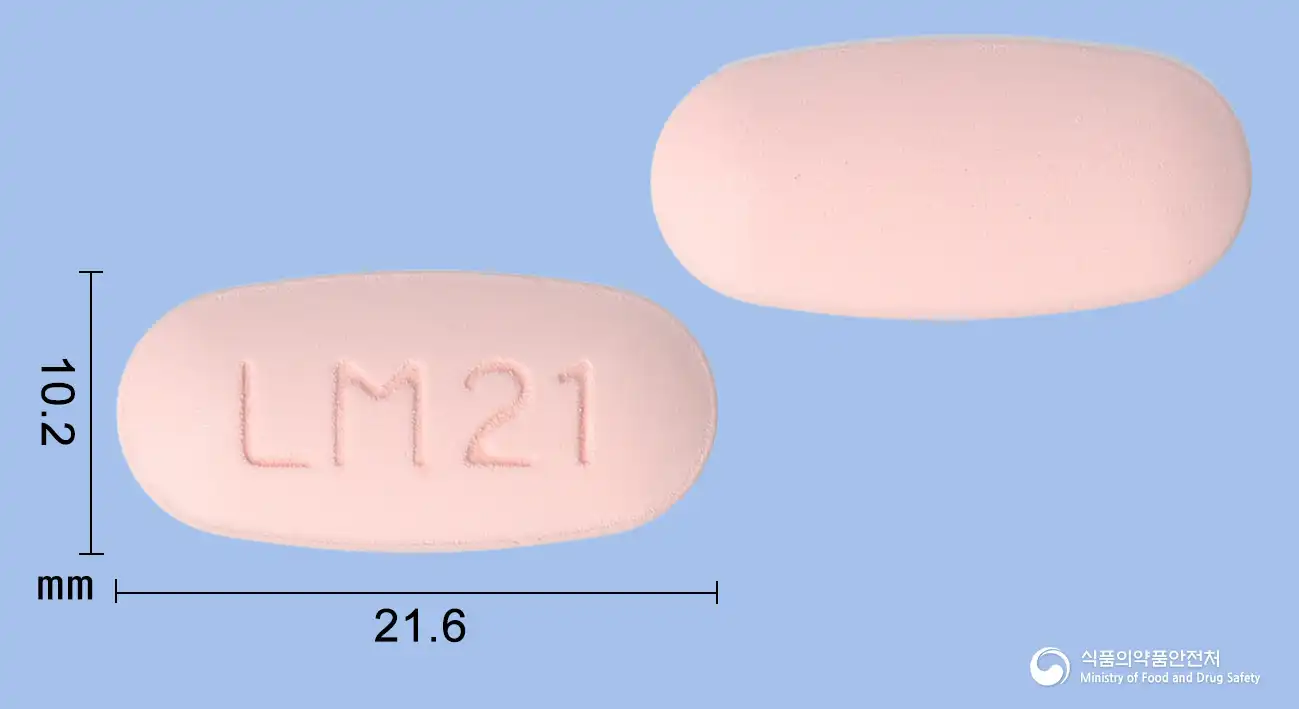
Improvement in blood sugar control in type 2 diabetes
Who takes it
Adults
Adult dose
For patients taking linagliptin 5 mg and metformin hydrochloride (sustained release) 1000 mg, administer 1 tablet once daily with meals. To reduce gastrointestinal side effects associated with metformin, it is recommended to take it in the evening with meals. To maintain the sustained-release properties, the tablet should not be split, crushed, ground, or chewed but swallowed whole. Dosage adjustments may be needed based on renal function.
Improvement in blood sugar control in type 2 diabetes
View approved original textHide original text
This medication is used to improve blood sugar control in patients with type 2 diabetes by supporting dietary and exercise therapy. Linagliptin and metformin work together to effectively lower blood sugar levels, thereby helping patients manage their blood sugar.
How to take
Adult dose
For patients taking linagliptin 5 mg and metformin hydrochloride (sustained release) 1000 mg, administer 1 tablet once daily with meals. To reduce gastrointestinal side effects associated with metformin, it is recommended to take it in the evening with meals. To maintain the sustained-release properties, the tablet should not be split, crushed, ground, or chewed but swallowed whole. Dosage adjustments may be needed based on renal function.
Precautions
This medication can rarely cause a dangerous condition called lactic acidosis, so if such symptoms occur, immediate medical attention is required.
Do not take this medication if you are allergic to any of its components, have type 1 diabetes, lactic acidosis, diabetic ketoacidosis, severe renal impairment, severe liver dysfunction, acute alcohol intoxication, or are pregnant.
Patients with impaired kidney function or poor heart and liver function should consult a physician before taking this medication.
Due to the risk of hypoglycemia, caution is needed when taking this medication with other blood sugar-lowering agents like insulin or sulfonylureas, and dose adjustments may be needed if symptoms occur.
This medication may lower vitamin B12 levels, so it is advisable to periodically check vitamin B12 levels during long-term use.
Do not chew or crush the tablet; swallow it whole. The tablet shell may pass in the stool, which is normal.
This medication may interact with several drugs that can affect kidney function, so it is important to inform your physician or pharmacist if you are taking other medications.
It is safest to avoid using this medication during pregnancy or breastfeeding, and consult a physician if you plan to become pregnant.
Elderly patients should undergo regular kidney function tests as kidney function may decline, and dosage adjustments may be necessary.
If any unusual symptoms like acute pancreatitis or skin rash occur while taking this medication, inform your physician immediately.
Skin conditions such as bullous pemphigoid may occur, so consult with healthcare providers if any skin abnormalities develop.
This medication should be temporarily discontinued before and after surgery or radioactive iodine imaging tests and should only be resumed after kidney function has returned to normal.
Overdose may result in severe side effects such as lactic acidosis, requiring immediate emergency treatment.
Not everyone experiences these, and they can vary from person to person.
Storage
Store this medication in a tightly closed container to prevent exposure to air and moisture. It is best to maintain the storage temperature between 1 to 30 degrees Celsius at room temperature.
Even with the same ingredient, the dose and directions can differ by strength and dosage form. Talk to a doctor or pharmacist before switching from a medication you are already taking.
Questions about this medicine
No questions yet.
For anything that needs medical judgment, consult a doctor or pharmacist.
This drug information is based on data provided by the Korea Ministry of Food and Drug Safety. Consult a doctor or pharmacist for accurate dosage, administration, and usage instructions.

 한국어
한국어 English
 日本語
日本語 中文(简体)