
 한국어
 English
 日本語
 中文(简体)
 Viewing nowCombination
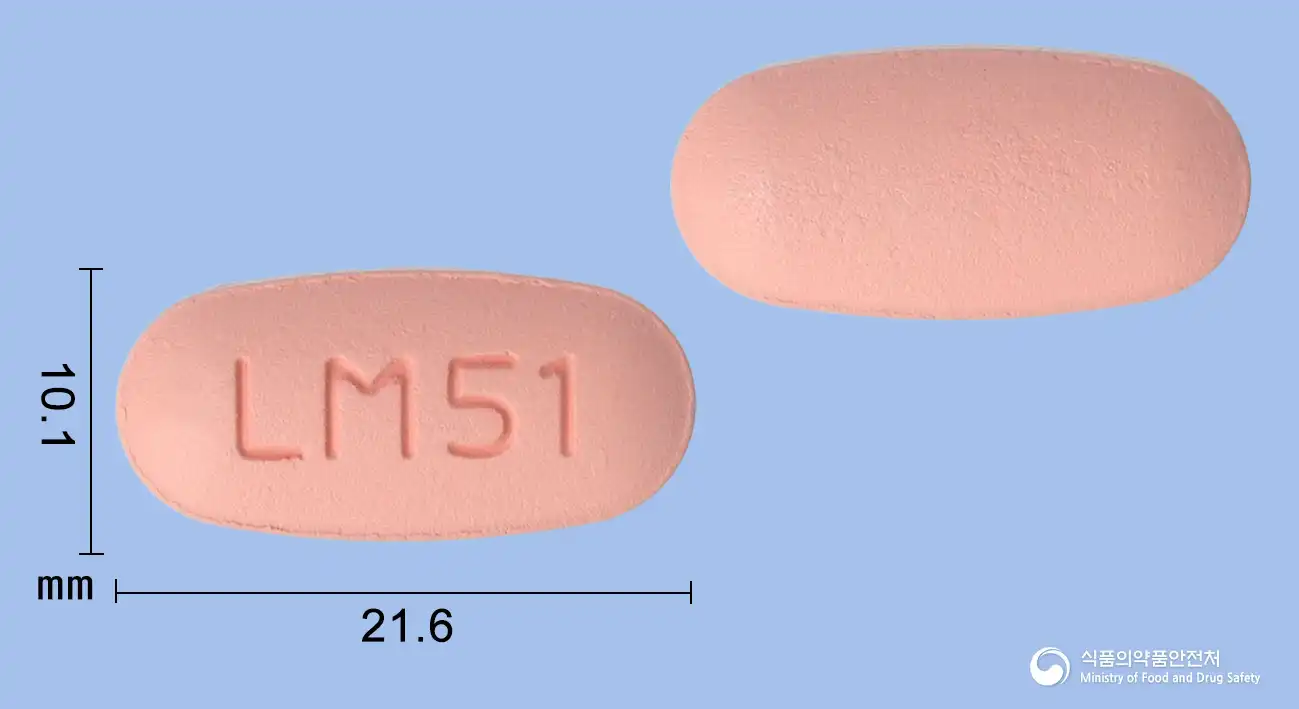
Tralitin Combi Sustained Release Tablet 5/1000 mg
Linagliptin Micronized 5mg · Metformin Hydrochloride with Colloidal Anhydrous Silica 1010mg
Tablet · Prescription medication · Combination
Daewon Pharmaceutical Co., Ltd.
MFDS item code 202302914 · Approved 2023.10.13 · Insurance code 671807850
Improvement of blood glucose control in patients with type 2 diabetes mellitus
This medication is prescribed to assist in blood sugar control for patients with type 2 diabetes taking linagliptin and metformin together. It helps effectively manage blood sugar when used alongside meal and exercise therapies, contributing to the stable maintenance of blood sugar levels. Therefore, it is used to improve blood sugar control for patients with type 2 diabetes.
For antidiabetic therapy, this medicine may be administered as 1 tablet once daily with a meal to patients receiving linagliptin 5mg and metformin hydrochloride (extended-release) 1000mg. To reduce gastrointestinal adverse reactions caused by metformin, this medicine should be taken once daily with a meal, preferably in the evening. To maintain its extended-release properties, this medicine must be swallowed whole and must not be split, crushed, ground, or chewed. Because dosage adjustment according to renal function is required, assessment of renal function is recommended before treatment with this medicine and periodically thereafter. No dosage adjustment of this medicine is necessary in patients with mild renal impairment [creatinine clearance (CrCl) ≧ 60mL/min or estimated glomerular filtration rate (eGFR) ≧ 60mL/min/1.73 m2]. In patients with moderate renal impairment (CKD stage 3A) whose creatinine clearance (CrCl) is 45mL/min or higher and less than 60mL/min or whose estimated glomerular filtration rate (eGFR) is 45mL/min/1.73m2 or higher and less than 60mL/min/1.73m2, this medicine may be used with adjustment of the metformin hydrochloride dosage as follows, provided it is well tolerated and the patient has no other condition that may increase the risk of lactic acidosis. The starting dose of metformin hydrochloride is 500mg or 750mg once daily; therefore, treatment should not be initiated with this medicine. The maximum daily dose of metformin hydrochloride is 1000mg. If creatinine clearance (CrCl) decreases to less than 45mL/min or estimated glomerular filtration rate (eGFR) decreases to less than 45mL/min/1.73m2, this medicine must be discontinued immediately.
This medication contains metformin hydrochloride and linagliptin, and aids in blood sugar control. It may rarely cause a serious side effect called lactic acidosis, which can be life-threatening, so it should not be used by individuals with poor kidney function or liver dysfunction. Additionally, individuals with type 1 diabetes, diabetic ketoacidosis, acute myocardial infarction, heart failure, or specific health conditions should not take this medication. This medication may cause hypoglycemia, so if taken with sulfonylureas or insulin, it is crucial to closely monitor blood sugar changes. Elderly individuals with reduced kidney function should adjust the dosage of this medication, and regular kidney function tests are important. This medication may cause gastrointestinal symptoms such as dyspepsia, abdominal pain, diarrhea, nausea, and vomiting, and in some patients, acute pancreatitis or skin reactions may occur, so if any unusual symptoms arise, consult a doctor immediately. During the course of taking this medication, vitamin B12 levels may decrease, so it is recommended to monitor vitamin B12 status through blood tests if taken long-term. It is advised that pregnant or breastfeeding women do not use this medication; if planning to become pregnant, consult with a physician. Moreover, this medication should be swallowed whole and should not be crushed or chewed; tablet shells may sometimes appear in stool, which is a normal phenomenon. This medication may interact with other drugs, so inform healthcare providers of any other medications being taken, particularly if those drugs could affect kidney function. During radiological examinations using iodine contrast agents, it is necessary to discontinue this medication for a period before and after the examination, and it is also safe to pause usage for a period before and after surgery. In case of overdose, there is a risk of lactic acidosis; seek immediate medical attention for appropriate treatment. Finally, this medication should be kept out of reach of children and stored away from moisture.
Severe lactic acidosis, hypoglycemia, nasopharyngitis, hypersensitivity reactions, angioedema, urticaria, lactic acidosis, abnormal vitamin B12 absorption test, hypoglycemic condition, taste disorder, cough, appetite loss, diarrhea, constipation, nausea, pancreatitis, vomiting, abdominal pain, oral ulcers, liver function abnormalities, hepatitis, pruritus, erythema, rash, pemphigus-like eruption, joint pain accompanied by severe and disability, rhabdomyolysis, increased lipase, increased amylase, constipation, abdominal pain, enterocolitis, intestinal obstruction, gastroenteritis, herpes zoster, cystitis, acute pyelonephritis, bronchitis, vestibular neuronitis, sepsis, pneumonia, decreased appetite, dehydration, hyperglycemia, cerebral infarction, stuttering, Alzheimer's type dementia, chest pain, fever, facial edema, fatigue, chronic obstructive pulmonary disease, asthma, diabetic foot disease, skin lesions, liver metastasis, acute leukemia, basal cell carcinoma, non-small cell lung cancer, malignant pericardial effusion, gastric cancer, rectal cancer, pancreatic cancer, meniscus injury, pneumoconiosis, congestive heart failure, angina pectoris, acute myocardial infarction, unstable angina, cardiac arrest, diabetic retinopathy, acute kidney injury, end-stage renal disease, acute cholangitis, acute cholecystitis, cholangitis, dizziness, renal transplant failure, anxiety, affective disorder, insomnia, depression, contusion, bone contusion, concussion, fractured bone, hand fracture, palpitations, dry eye, glaucoma, cataract, ocular discomfort, allergic conjunctivitis, polyuria, proteinuria, stress urinary incontinence, hematuria, hypotension, flushing, hearing loss, erectile dysfunction, goiter, anemia, nausea, gastroesophageal reflux disease, gastritis, dizziness, sensory loss, weakness, pain, nosebleed, oropharyngeal pain, voice disorder, epistaxis, rhinorrhea, vitreous hemorrhage, confusion state, nocturia, dermatitis, hypertension, pruritus, benign prostatic hyperplasia, angina pectoris, stomatitis, mediastinitis, ligament sprain, flank pain, myelodysplastic syndrome, vocal cord polyp, dyspepsia, anal bleeding, cheilitis, dental caries, enteritis, tooth loss, hemorrhoids, lower abdominal pain, fever, facial edema, hyperthermia, back pain, osteoarthritis, limb pain, rotator cuff syndrome, headache, subdural effusion, corneal abrasion, fall, upper limb fracture, epistaxis, dyslipidemia, hypercholesterolemia, thyroid nodule
Not everyone experiences these, and they can vary from person to person.
This medication is sensitive to air and moisture; it must be stored in a tightly sealed container. It is best kept at room temperature between 1 and 30 degrees Celsius. This will help maintain the effectiveness of the medication.
Pink, oval, biconvex sustained release film-coated tablet
30 tablets/bottle
Even with the same ingredient, strength, dosage form and how it is taken can differ.
Viewing nowCombinationLinagliptin Micronized 5mg · Metformin Hydrochloride with Colloidal Anhydrous Silica 1010mg
Tablet · Prescription medication · Combination
Daewon Pharmaceutical Co., Ltd.
Linagliptin Micronized 5mg · Metformin Hydrochloride with Colloidal Anhydrous Silica 1010mg
Tablet · Prescription medication · Combination
Daewon Bio Tech Co., Ltd.
 Combination
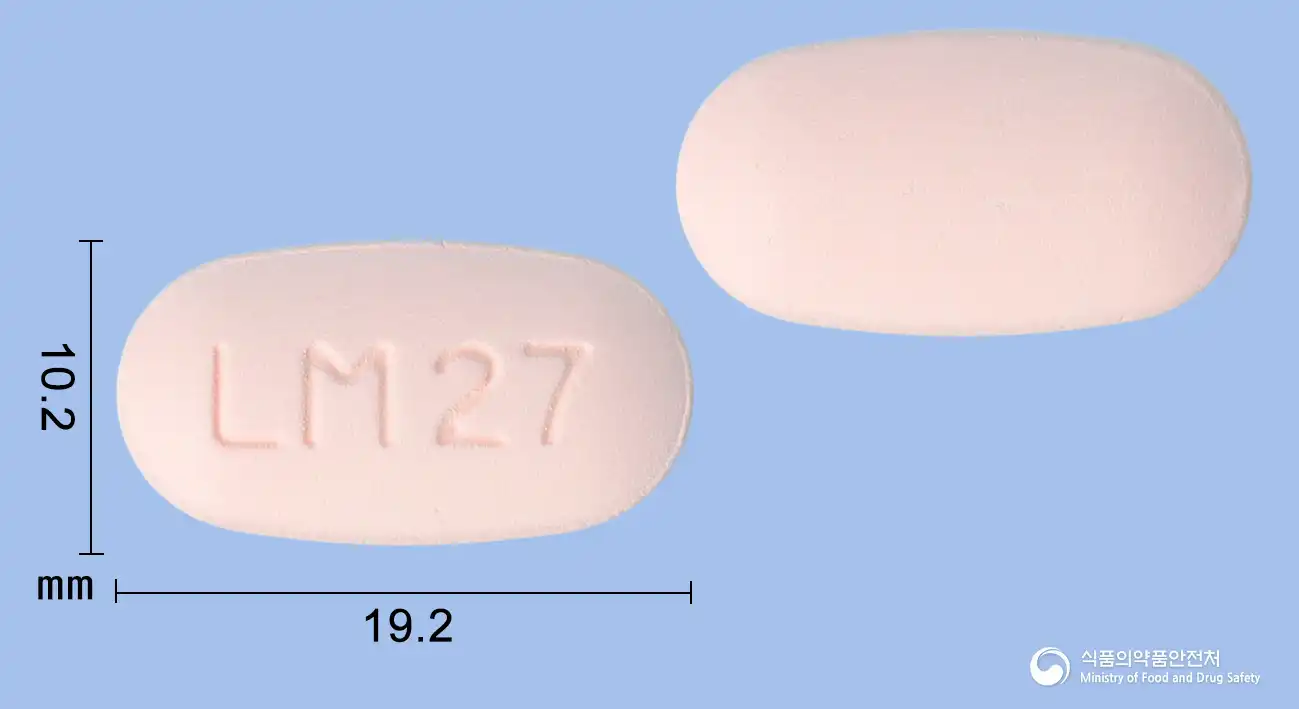
Linagliptin Micronized 2.5mg · Metformin Hydrochloride with Colloidal Anhydrous Silica 757.5mg
Tablet · Prescription medication · Combination
Daewon Pharmaceutical Co., Ltd.
 Combination
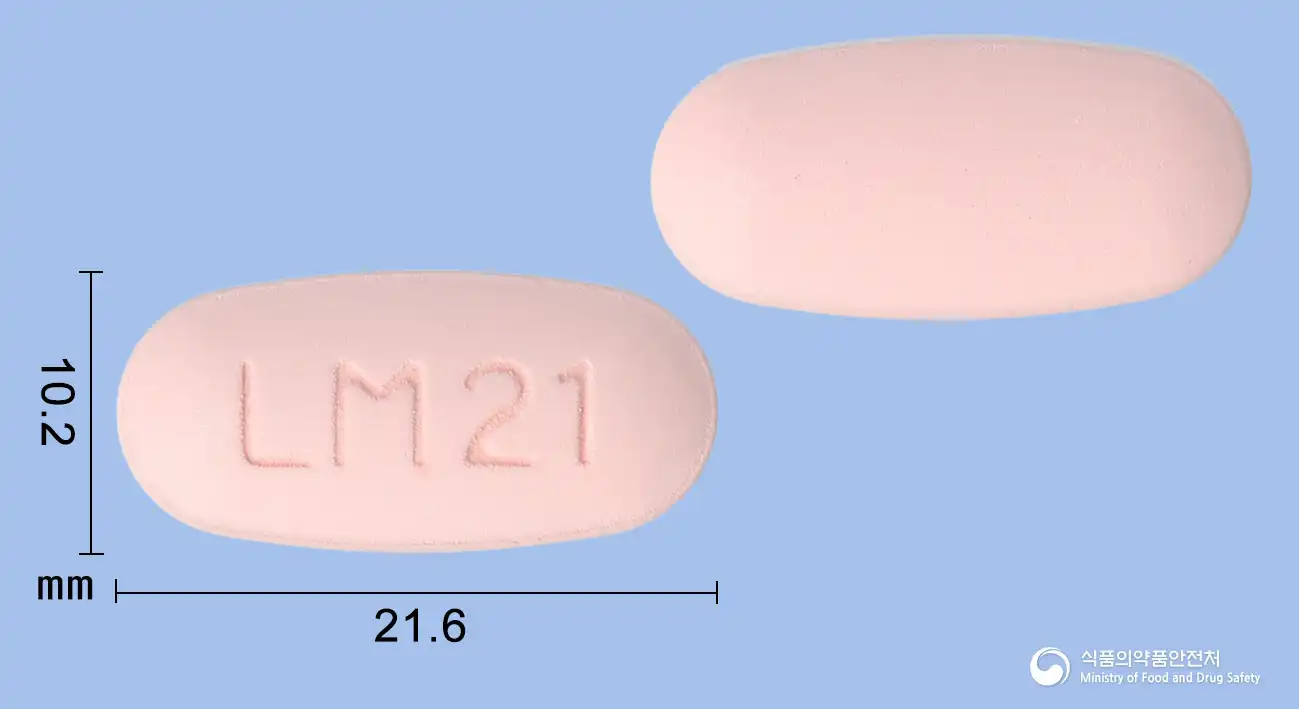
Linagliptin Micronized 2.5mg · Metformin Hydrochloride with Colloidal Anhydrous Silica 1010mg
Tablet · Prescription medication · Combination
Daewon Pharmaceutical Co., Ltd.
Linagliptin Micronized 2.5mg · Metformin Hydrochloride with Colloidal Anhydrous Silica 757.5mg
Tablet · Prescription medication · Combination
Daewon Biotech Co., Ltd.
Linagliptin Micronized 2.5mg · Metformin Hydrochloride with Colloidal Anhydrous Silica 1010mg
Tablet · Prescription medication · Combination
Daewon Biotech Co., Ltd.
Even with the same ingredient, the dose and directions can differ by strength and dosage form. Talk to a doctor or pharmacist before switching from a medication you are already taking.
No questions yet.
For anything that needs medical judgment, consult a doctor or pharmacist.
This drug information is based on data provided by the Korea Ministry of Food and Drug Safety.
Consult a doctor or pharmacist for accurate dosage, administration, and usage instructions.