Medication info
Genupharm Linagliptin Tablets

Genupharm Linagliptin Tablets

Prescription medicationTablet
Ingredient · strength
Linagliptin Micronized›5mg
Manufacturer / importer
Genupharm Co., Ltd.
Appearance
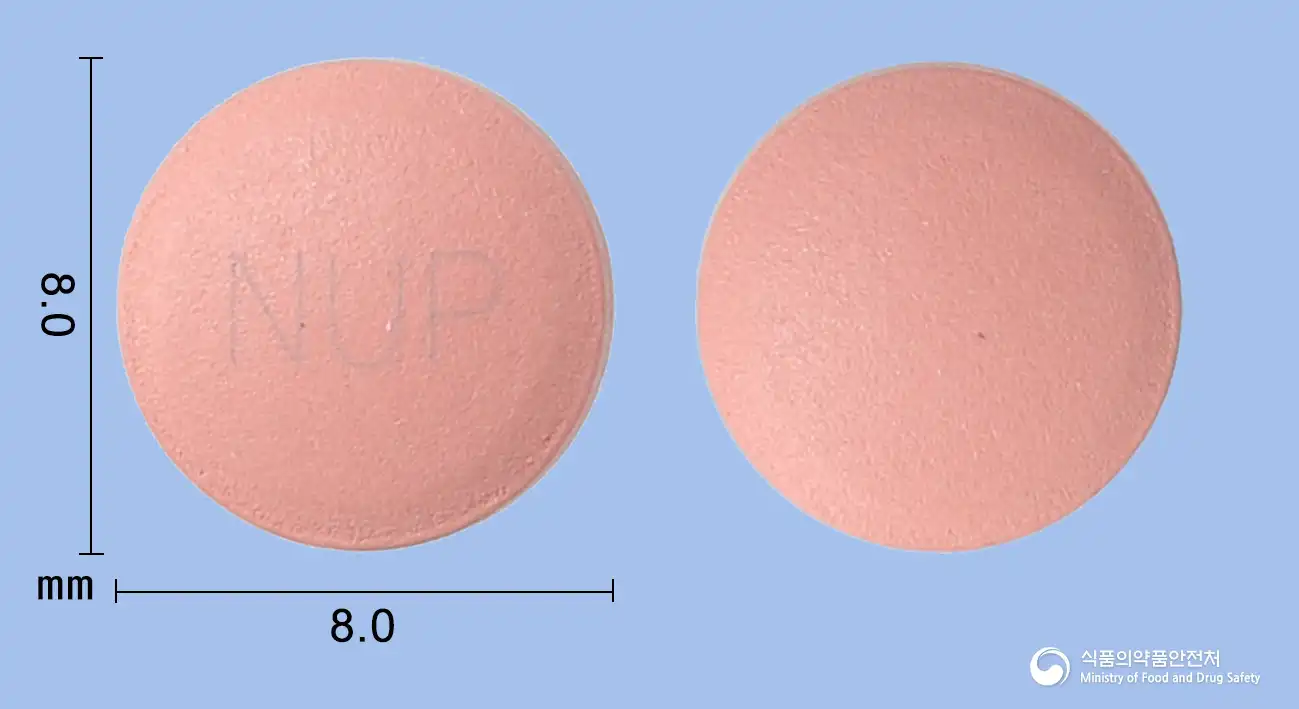
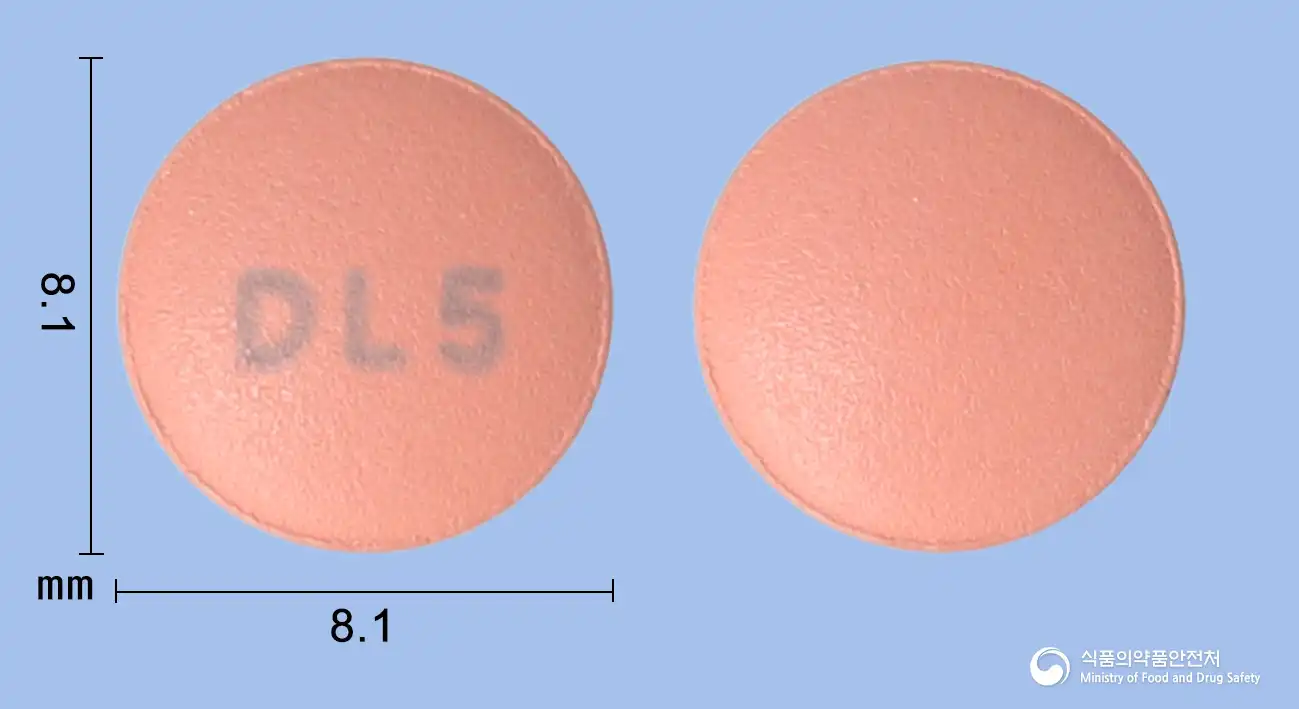
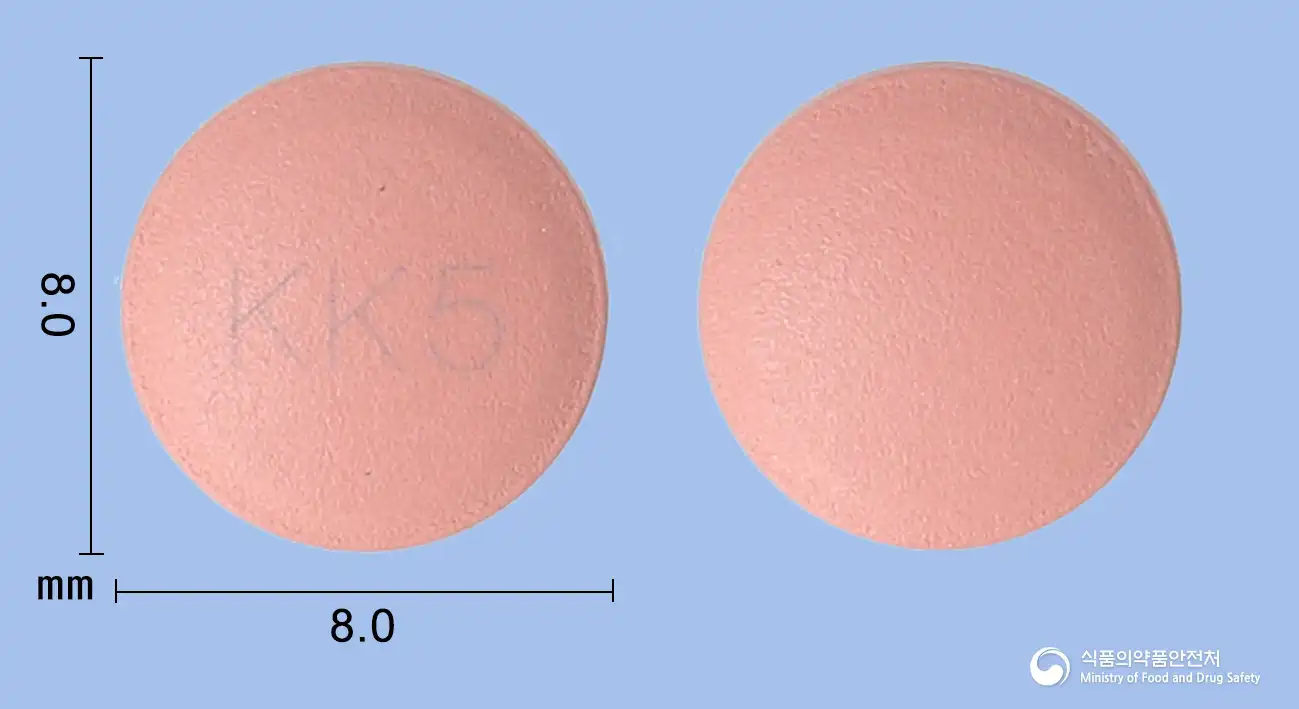
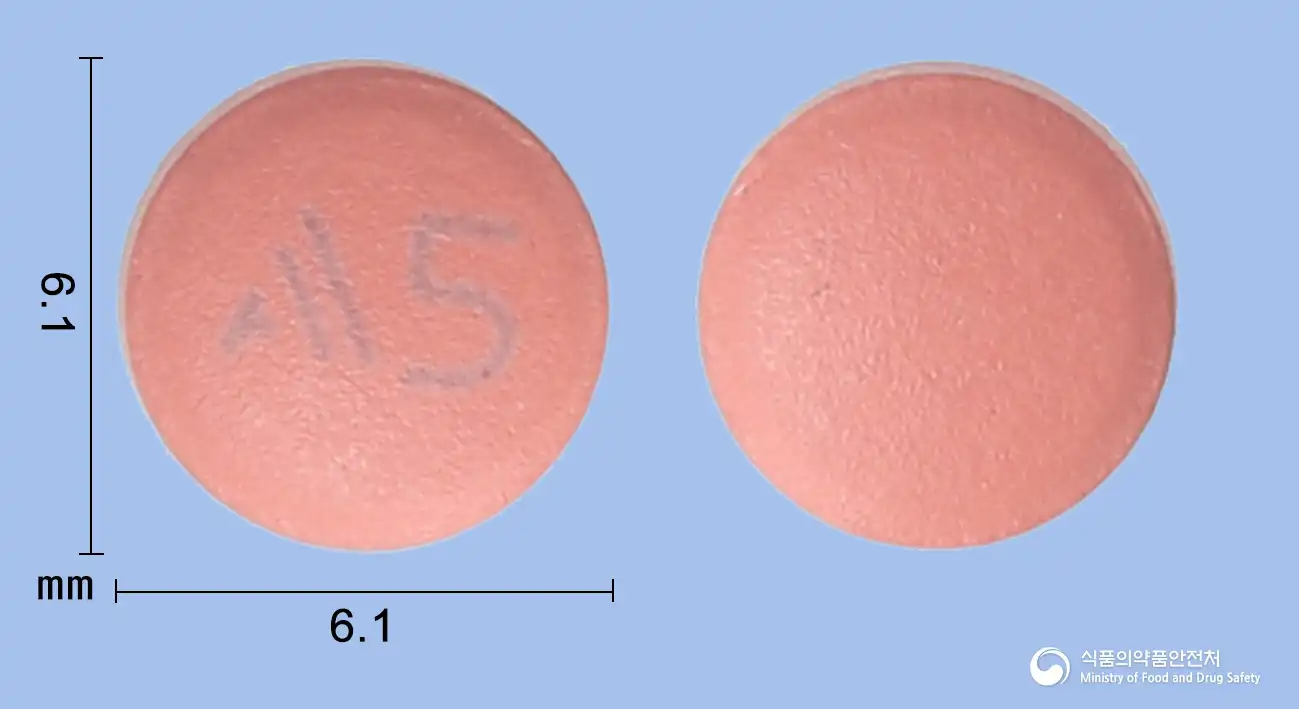
Bright red round film-coated tablet
Packaging
30 tablets/Alu-Alu [10 tablets/Alu-Alu x 3]
Approval status
Active

MFDS item code 202302902 · Approved 2023.10.12 · Insurance code 698004660

Summary

Main use
Improvement of blood glucose control in type 2 diabetes mellitus
Who uses it
Adults
Adult dosage
The recommended dose of this medicine is 5mg once daily. It may be taken with or without food. When administered concomitantly with insulin or an insulin secretagogue (such as a sulfonylurea), a lower dose of insulin or the insulin secretagogue may be needed to minimize the risk of hypoglycemia.

Ingredients

Manufacturer
Genupharm Co., Ltd.

Efficacy & effects

Improvement of blood glucose control in type 2 diabetes mellitus

View approved original text

This medicine helps patients with type 2 diabetes effectively control their blood sugar levels by supplementing dietary and exercise therapy. It can be administered alone or in combination with other medications according to each patient's condition. This contributes to the stable management of blood sugar levels and the prevention of diabetes complications. It is used as a very effective treatment for enhancing blood sugar control.

Dosage and Administration

Adult dosage

The recommended dose of this medicine is 5mg once daily. It may be taken with or without food. When administered concomitantly with insulin or an insulin secretagogue (such as a sulfonylurea), a lower dose of insulin or the insulin secretagogue may be needed to minimize the risk of hypoglycemia.

Precautions

This medicine should not be used in patients who are allergic to the active ingredient or other components. It should not be administered to patients with type 1 diabetes or diabetic ketoacidosis. When used in conjunction with other medications that may induce hypoglycemia, caution should be exercised as the risk of hypoglycemia may increase. Particularly, when used in combination with insulin or sulfonylureas, the likelihood of hypoglycemia may increase, necessitating dose adjustments. In patients with congestive heart failure, the experience with this drug is limited and it should be used with caution. Acute pancreatitis may occur during the use of this medication; therefore, if there is continuous and severe abdominal pain, medical consultation should be sought immediately. If skin reactions such as blistering pemphigoid occur, discontinue use and consult a specialist. Various adverse reactions have been reported for this medication, including hypoglycemia, infections, gastrointestinal disorders, and rashes, so medical personnel should be informed if symptoms appear. The safety of this medication has not been sufficiently established in pregnant or breastfeeding women, and its use is not recommended. Safety and efficacy have not been established in children and adolescents, and its use is not recommended. There is no need for special dose adjustments for elderly patients; patients with impaired kidney or liver function can also be administered without dose adjustments. In case of overdose, remove any unabsorbed medication from the gastrointestinal tract, observe symptoms, and receive necessary treatment. This medication should be stored out of reach of children, and transferring it to other containers may cause accidents or quality degradation, so caution is advised.

Side effects

  • Hypoglycemia
  • pharyngitis
  • hypersensitivity
  • angioedema
  • urticaria
  • hypertriglyceridemia
  • hyperlipidemia
  • cough
  • pancreatitis
  • constipation
Show 239 more
  • oral ulcer formation
  • rash
  • vesicular pemphigoid-like lesions
  • severe joint pain with disability
  • rhabdomyolysis
  • weight gain
  • increased lipase
  • increased amylase
  • dyspepsia
  • edema
  • facial edema
  • peripheral edema
  • weight loss
  • increased appetite
  • constipation
  • upper abdominal pain
  • enterocolitis
  • intestinal obstruction
  • gastroenteritis
  • herpes zoster
  • cystitis
  • acute pyelonephritis
  • bronchitis
  • vestibular neuronitis
  • sepsis
  • pneumonia
  • decreased appetite
  • dehydration
  • hyperglycemia
  • decreased appetite
  • cerebral infarction
  • speech disorders
  • Alzheimer's disease dementia
  • chest pain
  • fever
  • facial swelling
  • fatigue
  • death
  • fatigue
  • chronic obstructive pulmonary disease
  • asthma
  • diabetic foot
  • skin lesions
  • liver metastasis
  • acute leukemia
  • basal cell carcinoma
  • non-small cell lung cancer
  • malignant pericardial effusion
  • gastric cancer
  • rectal cancer
  • pancreatic cancer
  • meniscus injury
  • pneumoconiosis
  • congestive heart failure
  • angina
  • acute myocardial infarction
  • unstable angina
  • cardiac arrest
  • diabetic retinopathy
  • acute kidney injury
  • end-stage renal disease
  • acute cholangitis
  • acute cholecystitis
  • cholangitis
  • dizziness
  • renal transplant failure
  • abdominal pain
  • gastrointestinal disorders
  • irritable bowel syndrome
  • burning mouth syndrome
  • colitis
  • abdominal discomfort
  • dysphagia
  • gastric ulcer
  • gingival bleeding
  • tooth loss
  • hemorrhoids
  • lower abdominal pain
  • diarrhea
  • vomiting
  • gastritis
  • gastrointestinal disorders
  • irritable bowel syndrome
  • acute pyelonephritis
  • bronchitis
  • leukoplakia
  • rhinitis
  • soft tissue infection
  • pharyngitis
  • vestibular neuronitis
  • scrub typhus
  • periodontitis
  • sepsis
  • tonsillitis
  • laryngitis
  • viral upper respiratory tract infection
  • pneumonia
  • tonsillitis
  • decreased appetite
  • hypercholesterolemia
  • inadequate control of diabetes
  • malnutrition
  • hyponatremia
  • dehydration
  • hyperglycemia
  • decreased appetite
  • inadequate control of diabetes
  • cerebral infarction
  • diabetic neuropathy
  • headache
  • paresthesia
  • post-herpetic neuralgia
  • hemiparesis
  • syncope
  • Alzheimer's disease dementia
  • drowsiness
  • diabetic neuropathy
  • speech disorders
  • drowsiness
  • fatigue
  • chest discomfort
  • muscular weakness
  • death
  • pain
  • fatigue
  • nosebleed
  • oropharyngeal pain
  • chronic obstructive pulmonary disease
  • dysphonia
  • allergic rhinitis
  • exercise-induced dyspnea
  • wet cough
  • asthma
  • runny nose
  • pulmonary mass
  • joint pain
  • osteoporosis
  • arthropathy
  • musculoskeletal discomfort
  • myositis
  • myalgia
  • soft tissue mass
  • postmenopausal osteoporosis
  • rotator cuff syndrome
  • joint pain
  • increased triglycerides in blood
  • increased urine albumin/creatinine ratio
  • positive urine leukocytes
  • decreased hemoglobin
  • increased potassium in blood
  • increased creatinine in blood
  • increased blood creatine phosphokinase
  • increased ALT
  • increased triglycerides in blood
  • male pattern baldness
  • diabetic foot
  • hyperhidrosis
  • hair loss
  • skin lesions
  • dermatitis
  • anxiety
  • affective disorder
  • insomnia
  • depression
  • anxiety
  • contusion
  • bone bruise
  • concussion
  • meniscus injury
  • fracture
  • hand fracture
  • pneumoconiosis
  • laceration
  • congestive heart failure
  • angina
  • acute myocardial infarction
  • palpitations
  • unstable angina
  • cardiac arrest
  • diabetic retinopathy
  • dry eye
  • glaucoma
  • cataract
  • ocular discomfort
  • allergic conjunctivitis
  • dry eye
  • cataract
  • acute kidney injury
  • polyuria
  • proteinuria
  • end-stage renal disease
  • pressure incontinence
  • hematuria
  • polyuria
  • hypotension
  • flushing
  • hepatic steatosis
  • acute cholangitis
  • acute cholecystitis
  • cholangitis
  • cholelithiasis
  • hearing loss
  • dizziness
  • erectile dysfunction
  • goiter
  • renal transplant failure
  • anemia
  • nausea
  • diarrhea
  • upper abdominal pain
  • vomiting
  • gastroesophageal reflux disease
  • gastritis
  • nausea
  • upper abdominal pain
  • viral upper respiratory tract infection
  • upper respiratory tract infection
  • gastroenteritis
  • pneumonia
  • herpes zoster
  • cystitis
  • hyperglycemia
  • dizziness
  • sensory impairment
  • dizziness
  • chest pain
  • fever
  • dyspnea
  • osteoarthritis
  • limb pain
  • increased ALT
  • increased AST
  • itching
  • itching
  • insomnia
  • depression
  • hypertension
  • dizziness
  • benign prostatic hyperplasia

Not everyone experiences these, and they can vary from person to person.

Storage

This medication may be sensitive to air or moisture, and should therefore be stored in a tightly sealed container. Recommended storage temperature is between 1 and 30 degrees Celsius to maintain the medication's effectiveness and prevent deterioration.

Appearance and packaging

Appearance

Bright red round film-coated tablet

Package unit

30 tablets/Alu-Alu [10 tablets/Alu-Alu x 3]

Same-ingredient medicines

Even with the same ingredient, strength, dosage form and how it is taken can differ.

Even with the same ingredient, the dose and directions can differ by strength and dosage form. Talk to a doctor or pharmacist before switching from a medication you are already taking.

Questions about this medicine

No questions yet.

For anything that needs medical judgment, consult a doctor or pharmacist.

Related searches

Search tags

Suggested searches

This drug information is based on data provided by the Korea Ministry of Food and Drug Safety.
Consult a doctor or pharmacist for accurate dosage, administration, and usage instructions.