
 한국어
 English
 日本語
 中文(简体)
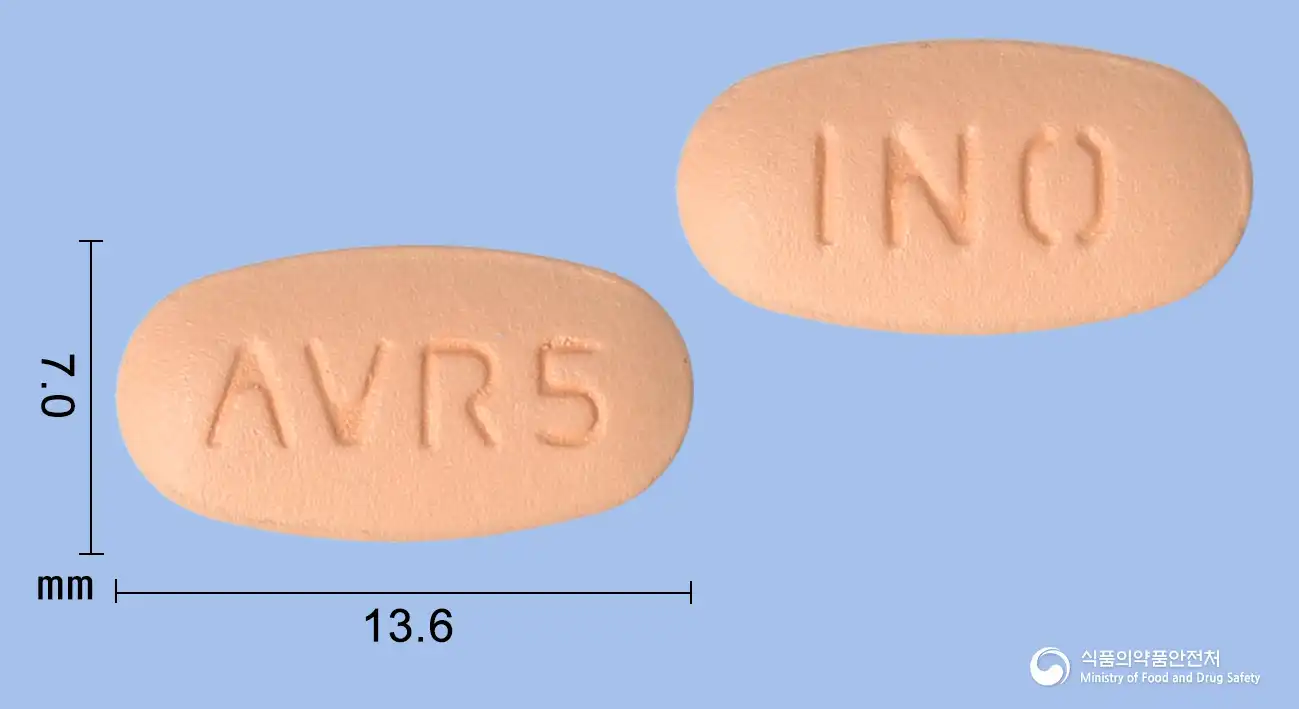 Viewing nowCombination
Xoneal Tablet 5/160/2.5 Milligrams
Amlodipine Besylate 6.94mg · Valsartan 160mg +1 more
Tablet · Prescription medication · Combination
HK inno.N Co., Ltd.
MFDS item code 202302825 · Approved 2023.09.25 · Insurance code 640007950
Treatment of essential hypertension and dyslipidemia (including hypercholesterolemia)
This medication is used in patients with essential hypertension who are inadequately controlled on amlodipine and valsartan combination therapy, and in patients with primary hypercholesterolemia or mixed dyslipidemia. Amlodipine and valsartan work to control blood pressure, while rosuvastatin lowers blood cholesterol levels, improving vascular health. This treatment is particularly beneficial for patients whose conditions cannot be controlled through diet and exercise alone, thus enhancing treatment outcomes. This medication effectively manages hypertension and dyslipidemia, improving cardiovascular health in patients.
Take 1 tablet once daily with water. If possible, it is recommended to take it at the same time each day (e.g., before breakfast). This medicine is for adults only. The dose should be individualized for each patient based on the efficacy and tolerability of the amlodipine/valsartan combination and rosuvastatin. For patients taking the amlodipine/valsartan combination and rosuvastatin as separate medicines, they may switch to this medicine (a combination product containing the same amounts of each active ingredient) for convenience. ▷ Amlodipine/valsartan combination Before administering the amlodipine/valsartan combination, it is recommended that the dose be adjusted using the individual components (amlodipine or valsartan). However, if blood pressure is not adequately controlled with monotherapy using the individual components, a direct switch to the amlodipine/valsartan combination may be considered as follows. ㆍ5/80 mg: For patients whose blood pressure is not adequately controlled with amlodipine 5 mg or valsartan 80 mg monotherapy. ㆍ5/160 mg: For patients whose blood pressure is not adequately controlled with amlodipine 5 mg or valsartan 160 mg monotherapy. ㆍ10/160 mg: For patients whose blood pressure is not adequately controlled with amlodipine 10 mg or valsartan 160 mg monotherapy, or with 5/160 mg. Patients with renal impairment: No dose adjustment is necessary in patients with mild or moderate renal impairment (creatinine clearance 10mL/min or greater). However, the amlodipine/valsartan combination should not be administered to patients with severe renal impairment (creatinine clearance less than 10mL/min) or patients on dialysis. Monitoring of potassium levels and creatinine is recommended in patients with moderate renal impairment. Patients with hepatic impairment: In patients with mild or moderate hepatic impairment, the daily dose of valsartan should not exceed 80mg. The amlodipine/valsartan combination should not be administered to patients with severe hepatic impairment, biliary cirrhosis, biliary obstruction, or cholestasis. Patients aged 65 years or older: Caution should be exercised when increasing the dose. ▷ Rosuvastatin 1. Primary hypercholesterolemia (type IIa, including heterozygous familial hypercholesterolemia) and mixed dyslipidemia (type IIb) Patients should follow a standard cholesterol-lowering diet before and during treatment with rosuvastatin and continue it throughout the treatment period. Rosuvastatin may be taken at any time of day, with or without food. The initial dose is 2.5 or 5 mg once daily. If a greater reduction in LDL cholesterol is required, the dose may be adjusted to a maintenance dose. The maintenance dose is 10 mg once daily, which is adequate for most patients. The maintenance dose should be appropriately adjusted at intervals of 4 weeks or more according to LDL cholesterol levels, treatment goals, and the patient's response; the dose may be increased to a maximum of 20 mg daily. 2. Elderly patients: No dose adjustment is necessary. 3. Patients with renal impairment: No dose adjustment is necessary in patients with mild or moderate renal impairment. Do not administer to patients with severe renal impairment. Particular caution should be exercised when administering rosuvastatin 20mg to patients with moderate renal impairment. 4. Patients with hepatic impairment: No increase in systemic exposure to rosuvastatin was observed in patients with a Child-Pugh score of 7 or less, but an increase was observed in patients with a Child-Pugh score of 8 or 9. Renal function testing should be considered in these patients. There is no experience with administration in patients with a Child-Pugh score greater than 9. Do not administer rosuvastatin to patients with active liver disease. 5. Race: Because systemic exposure to this medicine is increased in Asian patients, the recommended initial dose is 2.5 or 5 mg. Administration of the 40 mg dose is contraindicated. 6. Patients predisposed to myopathy: The recommended initial dose for patients predisposed to myopathy is 2.5 or 5 mg. Administration of the 40 mg dose of rosuvastatin is contraindicated in some of these patients.
This medication should not be taken during pregnancy, especially in the second and third trimesters, as it may cause serious harm to the fetus and newborn. If pregnancy is confirmed, use should be discontinued immediately. It should not be used in patients with hypersensitivity to certain components, in pregnant or breastfeeding women, or in patients with severe liver or kidney disease. Patients who are deficient in sodium or body fluids may experience hypotension, so their status should be carefully checked and monitored before administration. Patients with high potassium levels or those on other medications that may raise potassium levels should frequently monitor potassium levels and take caution. In patients with renal artery stenosis or those who have recently undergone kidney transplants, renal function changes should be closely observed when administering this drug. If signs of angioedema (airway obstruction or facial swelling) occur, use should be discontinued immediately and should not be re-administered. Patients with heart failure or those who have experienced a myocardial infarction need careful observation, including renal function assessments, as there is an increased risk of angina or worsening myocardial infarction in patients with acute myocardial infarction. Muscle-related side effects (myalgia, myopathy, rhabdomyolysis) can occur, so any symptoms of muscle pain or weakness should be reported to a healthcare provider immediately, and blood tests may be conducted if necessary. This medication may affect liver function, so it should be discontinued immediately if any signs of liver dysfunction occur. Patients with a history of liver disease are recommended to have liver function tests prior to taking this medication. Dizziness or fatigue may occur when driving or operating machinery, so caution is advised. This drug may interact with multiple medications, so patients should inform their doctor or pharmacist of any other medications they are taking. Pregnant or potentially pregnant women, as well as breastfeeding mothers, should not take this medication, and proper contraceptive methods should be used if planning to become pregnant. Its efficacy and safety in children under 18 years of age have not been established, so its use is not recommended in this population. No dosage adjustment is needed for the elderly, but older patients may be more sensitive to medications and should take caution in their usage. In cases of overdose, severe hypotension or cardiac issues may occur, necessitating an immediate visit to a medical facility for appropriate treatment.
Peripheral edema, heat sensation, increased ALT, increased AST, increased serum creatinine, flank pain, neck pain, dizziness, sensory impairment, nasopharyngitis, rash, nasopharyngitis, influenza, hypersensitivity, visual disturbances, anxiety, headache, drowsiness, orthostatic dizziness, sensory abnormalities, vertigo, tinnitus, tachycardia, palpitations, syncope, orthostatic hypotension, hypotension, cough, pharyngeal and laryngeal pain, diarrhea, nausea, abdominal pain, constipation, dry mouth, erythema, sweating, rash, itching, joint edema, back pain, arthritis, muscle cramps, weakness, polyuria, nocturia, erectile dysfunction, edema, peripheral edema, facial swelling, fatigue, flushing, asthenia, facial flushing, chest pain, pain, enuresis, chest discomfort, abdominal discomfort, gastroesophageal reflux disease, hypercholesterolemia, hypoglycemia, urticaria, thrombocytopenia, leukopenia, allergic reaction, hyperglycemia, insomnia, mood changes, tremors, taste disturbances, peripheral neuropathy, hypertonia, arrhythmia, bradycardia, atrial fibrillation, ventricular tachycardia, vasculitis, dyspnea, rhinitis, vomiting, dyspepsia, pancreatitis, gastritis, gingival hyperplasia, hepatitis, jaundice, alopecia, purpura, skin depigmentation, photosensitivity reaction, angioedema, urticaria, erythema multiforme, Stevens-Johnson syndrome, myalgia, urination disorders, nocturia, gynecomastia, pain, malaise, weight loss, weight gain, decreased hemoglobin, decreased hematocrit, neutropenia, serum sickness, increased serum potassium, vasculitis, elevated liver function tests, bullous dermatitis, renal failure, kidney damage, insomnia, decreased libido, pharyngitis, rhinitis, sinusitis, upper respiratory tract infection, viral infections, intestinal vascular edema, polyneuropathy, amnesia, peripheral neuropathy, diarrhea, thrombocytopenia, eosinophilia, drug reaction with eosinophilia and systemic symptoms syndrome, lupus-like syndrome, muscle rupture, immune-mediated necrotizing myopathy, hematuria, edema, depression, sleep disorders, interstitial lung disease, sexual dysfunction, gynecomastia, fatal and non-fatal hepatic failure, cognitive decline, forgetfulness, amnesia, memory impairment, confusion, severe muscle weakness, ocular myasthenia, dyspepsia, pruritus, facial edema, shingles, vulvar pruritus, hypersensitivity reactions including angioedema, headache, dizziness, constipation, abdominal pain, pruritus, myopathy, rhabdomyolysis, weakness, arthralgia, skeletal pain, rhabdomyolysis, gingival hyperplasia, gastritis, neuroexcitability, sensory impairment, Stevens-Johnson syndrome, arthralgia, fatigue, numbness, sensory abnormalities, chest discomfort, anorexia, abdominal distension, abnormal liver function tests, syncope, generalized pain, muscle cramps, gout
Not everyone experiences these, and they can vary from person to person.
Store this medication in a sealed container to protect it from air and moisture. It is advisable to keep the storage temperature between 1 and 30 degrees Celsius.
Orange, egg-shaped film-coated tablet
30 tablets per bottle
Even with the same ingredient, strength, dosage form and how it is taken can differ.
Viewing nowCombinationAmlodipine Besylate 6.94mg · Valsartan 160mg +1 more
Tablet · Prescription medication · Combination
HK inno.N Co., Ltd.
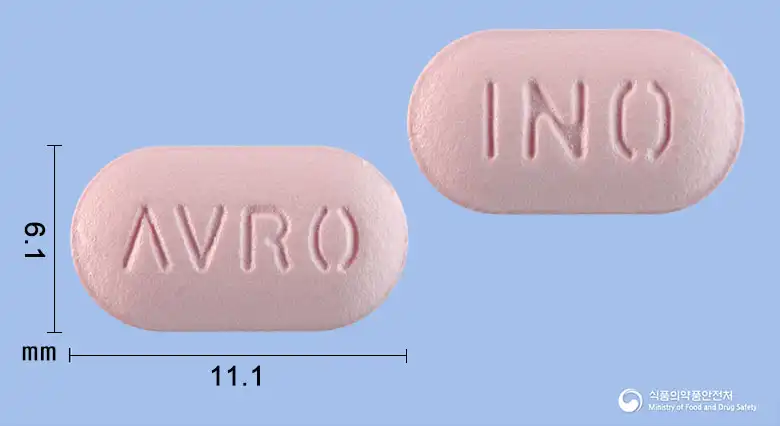 Combination
Amlodipine Besylate 6.94mg · Valsartan 80mg +1 more
Tablet · Prescription medication · Combination
HK inno.N Co., Ltd.
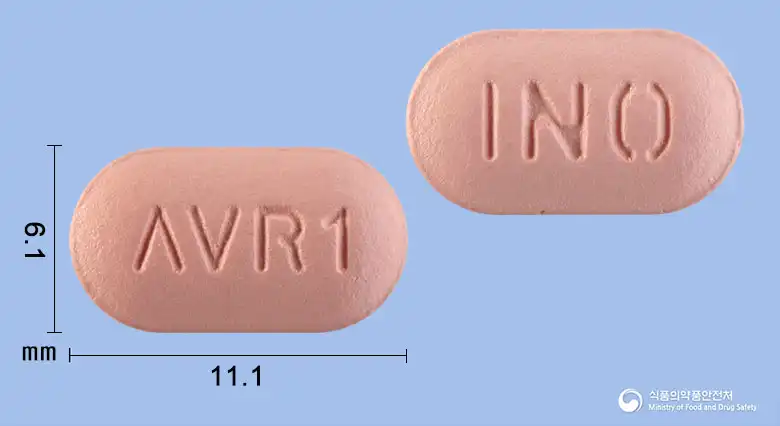 Combination
Amlodipine Besylate 6.94mg · Valsartan 80mg +1 more
Tablet · Prescription medication · Combination
HK Inno.N Co., Ltd.
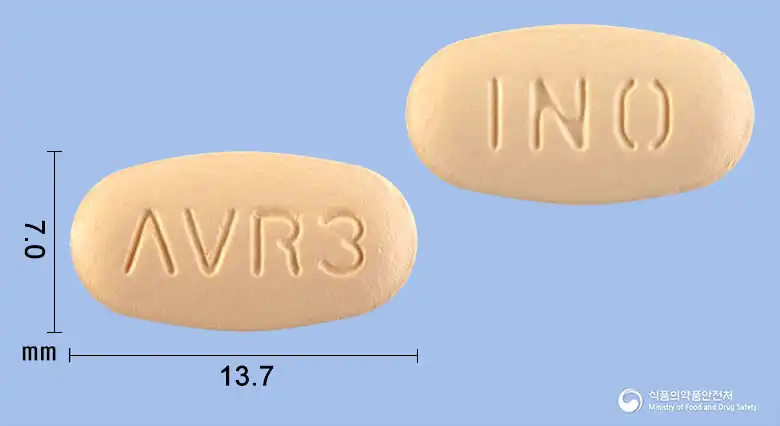 Combination
Amlodipine Besylate 6.94mg · Valsartan 160mg +1 more
Tablet · Prescription medication · Combination
HK Inno.N Co., Ltd.
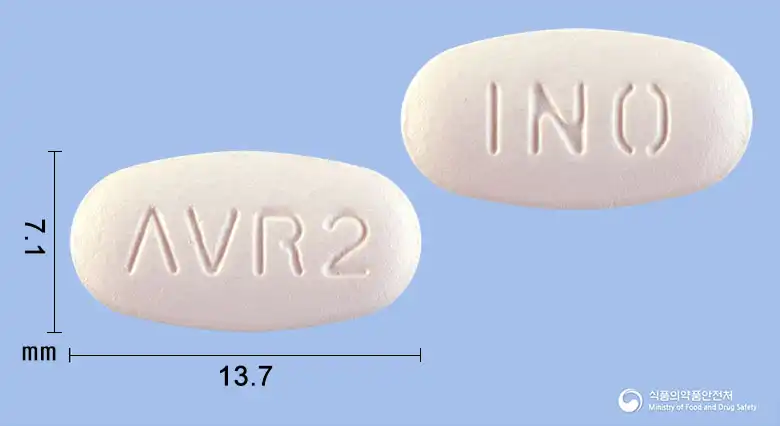 Combination
Amlodipine Besylate 6.94mg · Valsartan 160mg +1 more
Tablet · Prescription medication · Combination
HK Inno.N Co., Ltd.
Valsartan 80mg · Amlodipine Besylate 6.94mg +1 more
Tablet · Prescription medication · Combination
Kyungdong Pharm Co., Ltd.
Valsartan 160mg · Amlodipine Besylate 6.94mg +1 more
Tablet · Prescription medication · Combination
Kyungdong Pharmaceutical Co., Ltd.
Valsartan 160mg · Amlodipine Besylate 13.87mg +1 more
Tablet · Prescription medication · Combination
Kyungdong Pharmaceutical Co., Ltd.
Even with the same ingredient, the dose and directions can differ by strength and dosage form. Talk to a doctor or pharmacist before switching from a medication you are already taking.
No questions yet.
For anything that needs medical judgment, consult a doctor or pharmacist.
This drug information is based on data provided by the Korea Ministry of Food and Drug Safety.
Consult a doctor or pharmacist for accurate dosage, administration, and usage instructions.