
 한국어
 English
 日本語
 中文(简体)
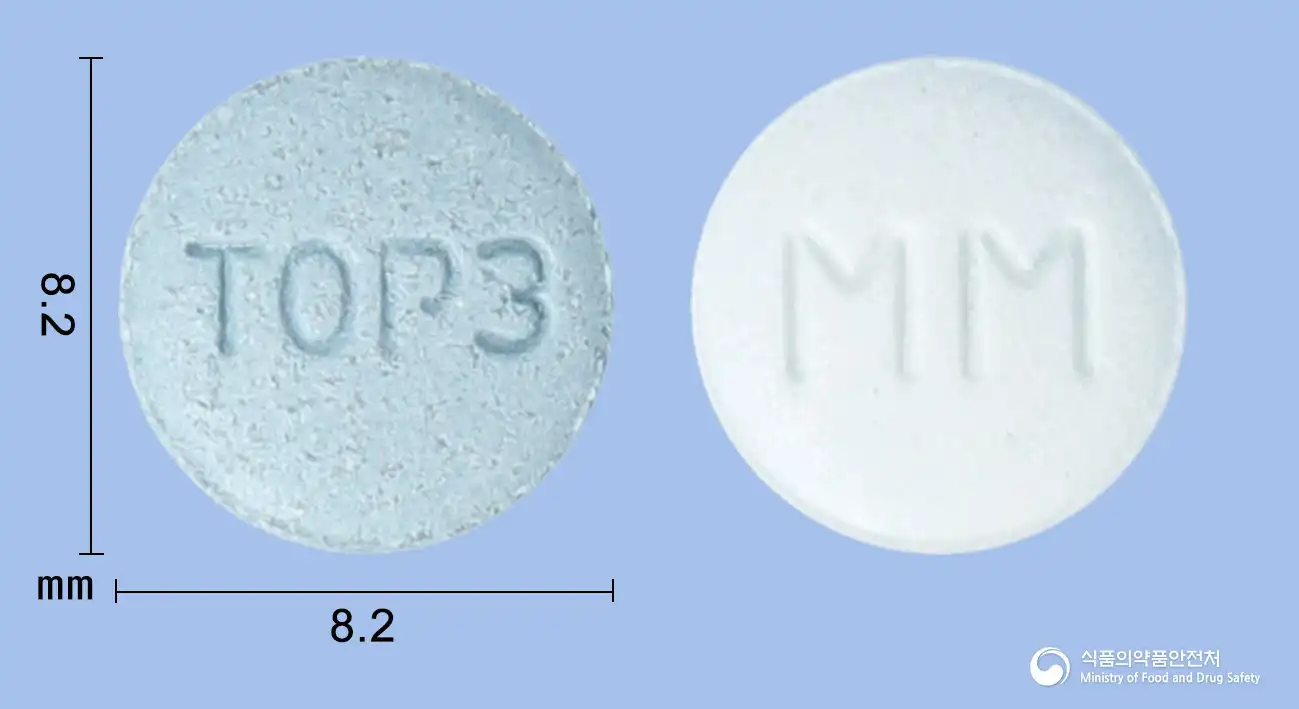 Viewing nowCombination
Telmisartan/Amlodipine/Atorvastatin Tablet 40/5/5 mg
Telmisartan 40mg · Amlodipine Besylate 6.935mg +1 more
Tablet · Prescription medication · Combination
Myungmoon Pharmaceutical Co., Ltd.
MFDS item code 202302810 · Approved 2023.09.25 · Insurance code 649808230
Treatment of hypertension and dyslipidemia, and inhibition of the progression and risk of cardiovascular disease
This medication is used for patients who require combination therapy with telmisartan and amlodipine, and for patients who need to take atorvastatin simultaneously. The telmisartan/amlodipine combination helps effectively lower blood pressure in patients whose hypertension is not controlled with monotherapy. Atorvastatin is used as an adjunct to diet for patients with various lipid disorders, including hypercholesterolemia, reducing total cholesterol and LDL cholesterol levels, thereby delaying the progression of atherosclerosis. Additionally, in patients at high risk of cardiovascular disease, it helps reduce the risk of complications from stroke, myocardial infarction, and arterial revascularization. This medication is used to improve cardiovascular health by managing both blood pressure and lipid levels simultaneously.
Take 1 tablet once daily with water, with or without food. If possible, it is recommended to take it at the same time every day (e.g., in the morning). This medicine is for adults only. The dose should be individualized for each patient based on the efficacy and tolerability of the telmisartan/amlodipine combination and rosuvastatin. Patients taking the telmisartan/amlodipine combination together with rosuvastatin as a single-ingredient product may switch to this medicine (a combination product containing the same amounts of each active ingredient) for convenience. ○ Telmisartan/amlodipine combination Before administering the telmisartan/amlodipine combination, it is recommended to adjust the dose using the individual components (amlodipine or telmisartan). However, if blood pressure is not controlled with the individual components as follows, switching directly to the telmisartan/amlodipine combination may be considered. - 40/5 mg: For patients whose blood pressure is not adequately controlled with amlodipine 5 mg or telmisartan 40 mg. - 80/5 mg: For patients whose blood pressure is not adequately controlled with amlodipine 5 mg or this medicine 40/5 mg. - 40/10 mg: For patients whose blood pressure is not adequately controlled with amlodipine 10 mg. - 80/10 mg: For patients whose blood pressure is not adequately controlled with amlodipine 10 mg or this medicine 40/10 mg. ◦ Patients with renal impairment: Dose adjustment is not required in patients with mild or moderate renal impairment. For patients with severe renal impairment, it is recommended to start treatment at a low dose and increase the dose gradually. Periodic monitoring of serum potassium and creatinine levels is also recommended. ◦ Patients with hepatic impairment: The daily dose of telmisartan should not exceed 40 mg in patients with mild or moderate hepatic impairment. ◦ Older patients: In patients aged 75 years or older, amlodipine clearance is reduced; therefore, treatment should be started at a low dose and the dose increased gradually. ○ Rosuvastatin 1. Primary hypercholesterolemia (type IIa, including heterozygous familial hypercholesterolemia), mixed hyperlipidemia (type IIb), primary dysbetalipoproteinemia (type III), and homozygous familial hypercholesterolemia Patients receiving rosuvastatin, both before and during treatment, should follow a standard cholesterol-lowering diet and continue it throughout the treatment period. Rosuvastatin may be taken at any time of day, with or without food. The initial dose is 5 mg once daily. If a greater reduction in LDL cholesterol is needed, the dose may be adjusted to a maintenance dose. The maintenance dose is 10 mg once daily, which controls the condition in most patients. The maintenance dose should be appropriately adjusted at intervals of 4 weeks or longer according to LDL cholesterol levels, the treatment goal, and the patient's response; it may be increased to a maximum of 20 mg per day. 2. Older patients: Dose adjustment is not required. 3. Patients with renal impairment: Dose adjustment is not necessary in patients with mild or moderate renal impairment. Do not administer to patients with severe renal impairment. Use particular caution when administering rosuvastatin 20mg to patients with moderate renal impairment. 4. Patients with hepatic impairment: No increase in systemic exposure to rosuvastatin was observed in patients with a Child-Pugh score of 7 or below, but an increase was observed in patients with a Child-Pugh score of 8 or 9. Renal function tests should be considered in these patients. There is no experience with administration to patients with a Child-Pugh score above 9. Do not administer rosuvastatin to patients with active liver disease. 5. Race: Because systemic exposure to rosuvastatin is increased in Asian patients, the recommended initial dose is 5 mg. Administration of the 40 mg dose is contraindicated. 6. Patients predisposed to myopathy: The recommended initial dose for patients predisposed to myopathy is 5 mg. Administration of the 40 mg rosuvastatin dose is contraindicated in some of these patients. When administering this medicine, assess the potential risks associated with increased rosuvastatin Cmax and monitor the patient closely.
This medication may cause serious harm to the fetus and newborn, especially during pregnancy, so it should be discontinued immediately upon confirmation of pregnancy. Women who are pregnant or may become pregnant should not take this medication and should use appropriate contraceptive methods. It is contraindicated in patients with severe liver or kidney dysfunction, certain hereditary diseases, and particular vascular diseases. Elderly patients, those with very low blood pressure, or hyperkalemia should use this medication with caution and may require regular monitoring. If symptoms such as muscle pain or weakness occur, consult a physician immediately, and blood tests may be necessary to check for muscle damage. This medication can affect liver function, so liver function tests should be performed regularly before and during treatment. Since there may be interactions with other medications, inform your physician or pharmacist about any other medications you are taking. Caution is required during driving or operating hazardous machinery as dizziness or drowsiness may occur. In case of overdose, symptoms such as hypotension, dizziness, and heart issues may appear; seek medical attention immediately if these occur. Safety and efficacy for children have not been sufficiently confirmed, so it is not recommended for them. This medication should be kept out of reach of children, and it is advisable not to transfer it to another container.
peripheral edema, dyspepsia, frequent bowel movements, diabetes mellitus, dizziness, dry vesicular sound, urticaria, unstable angina, onychomycosis, lumbar spinal stenosis, ear fluid, vertigo, chronic gastritis, hiatal hernia, musculoskeletal pain, neck pain, nasopharyngitis, upper abdominal discomfort, upper abdominal pain, postural dizziness, dysuria, rhinitis, oropharyngeal discomfort, lung diseases, unspecified gastrointestinal disease, benign gastrointestinal neoplasm, hemorrhoids, skeletal pain, osteoporosis, sensory loss, movement disorders, atherosclerosis, increased urination, tinnitus, hearing loss, halitosis, fatty liver, upper respiratory infection, low back pain, sinusitis, diarrhea, pharyngitis, influenza-like symptoms, myalgia, urinary tract infection, abdominal pain, headache, pain, fatigue, cough, hypertension, chest pain, nausea, allergy, fever, leg pain, lethargy, palpitations, dependent edema, angina, rapid pulse, leg edema, abnormal ECG, insomnia, drowsiness, migraine, sensory abnormalities, involuntary muscle contraction, erectile dysfunction, increased sweating, flushing, allergic reaction, asthenia, burning sensation, lethargy, stiffness, weight gain, weight loss, arthralgia, arthritis, muscle cramps, sexual dysfunction, neuroirritability, depression, abnormal dreams, anxiety, depersonalization, shortness of breath, epistaxis, vascular edema, erythema multiforme, pruritus, rash, erythematous rash, papular rash, diplopia, ocular pain, urinary dysfunction, nocturia, dry mouth, hyperglycemia, thirst, leukopenia, purpura, thrombocytopenia, headache, dizziness, constipation, nausea, abdominal pain, pancreatitis, dermatitis, rash, urticaria, myalgia, myopathy, rhabdomyolysis, asthenia, vascular edema, hypersensitivity reaction, headache, dizziness, asthenia, cough, nausea, fatigue, weakness, edema, facial edema, lower limb edema, vascular edema, pruritus, increased perspiration, erythema, chest pain, atrial fibrillation, congestive heart failure, myocardial infarction, increased blood pressure, worsening hypertension, hypotension, hyperkalemia, hypoglycemia, syncope, dyspepsia, diarrhea, low back pain, abdominal pain, muscle cramps, myalgia, bradycardia, eosinophilia, thrombocytopenia, increased uric acid, liver function abnormalities, liver diseases, acute renal failure, anemia, increased CPK, anaphylactic reaction, tendon pain, rhabdomyolysis, vascular edema, thrombocytopenia, jaundice, hepatitis, Stevens-Johnson syndrome, drug reaction with eosinophilia and systemic symptoms, lupus-like syndrome, muscle rupture, immune-mediated necrotizing myopathy, hematuria, edema, depression, sleep disorder, interstitial lung disease, sexual dysfunction, gynecomastia, fatal and non-fatal liver failure, memory impairment, forgetfulness, amnesia, memory disorder, confusion
Not everyone experiences these, and they can vary from person to person.
This medication is packaged in special containers that block light and air. It should be stored at room temperature between 1 to 30 degrees Celsius. This storage method helps maintain the effectiveness of the medication for a longer time.
Round biconvex bilayer tablet consisting of white and light blue layers
30 tablets/box [10 tablets/PTP x 3], 30 tablets/bottle
Even with the same ingredient, strength, dosage form and how it is taken can differ.
Viewing nowCombinationTelmisartan 40mg · Amlodipine Besylate 6.935mg +1 more
Tablet · Prescription medication · Combination
Myungmoon Pharmaceutical Co., Ltd.
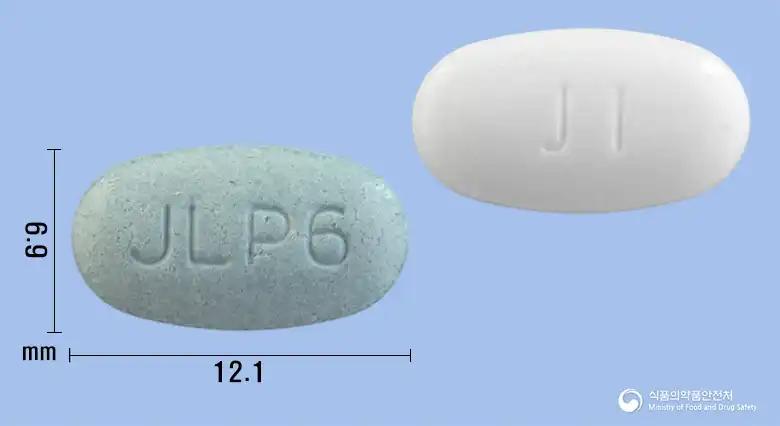 Combination
Telmisartan 40mg · Amlodipine Besylate 6.935mg +1 more
Tablet · Prescription medication · Combination
Jeil Pharmaceutical Co., Ltd.
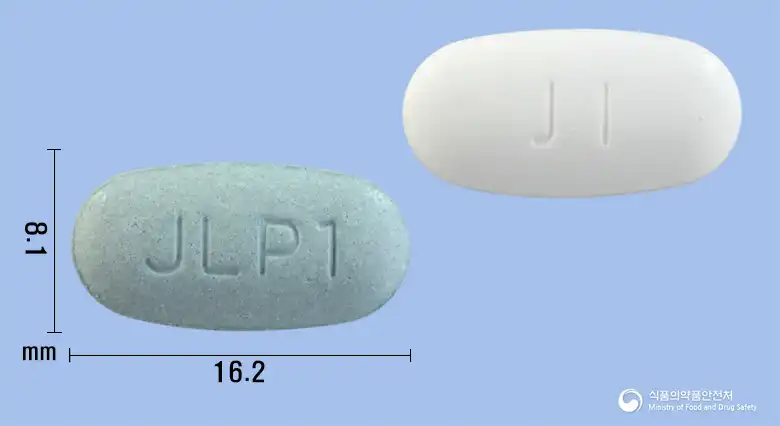 Combination
Telmisartan 80mg · Amlodipine Besylate 13.87mg +1 more
Tablet · Prescription medication · Combination
Jeil Pharmaceutical Co., Ltd.
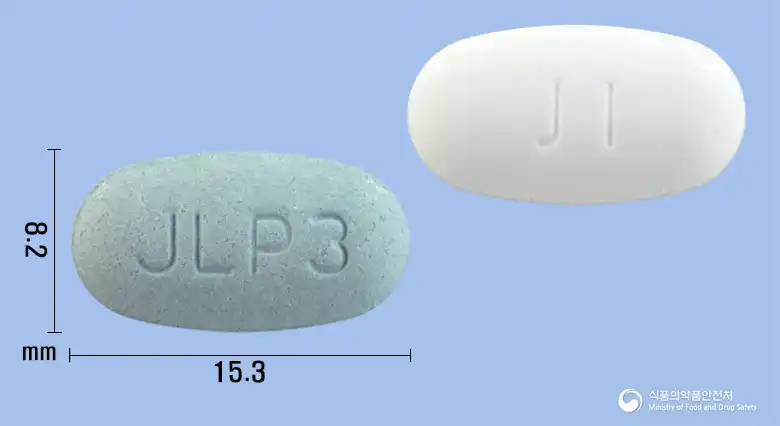 Combination
Telmisartan 80mg · Amlodipine Besylate 6.935mg +1 more
Tablet · Prescription medication · Combination
Jeil Pharmaceutical Co., Ltd.
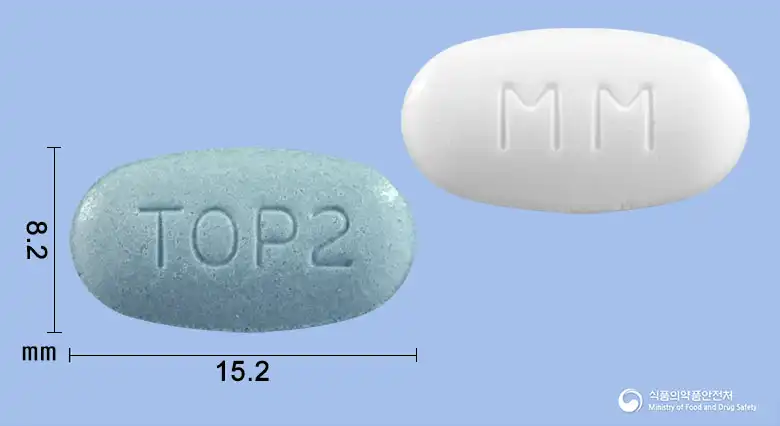 Combination
Telmisartan 80mg · Amlodipine Besylate 6.935mg +1 more
Tablet · Prescription medication · Combination
Myungmoon Pharmaceutical Co., Ltd.
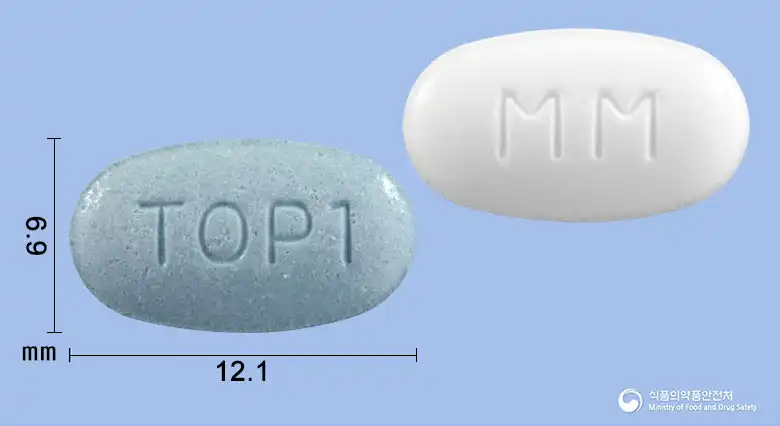 Combination
Telmisartan 40mg · Amlodipine Besylate 6.935mg +1 more
Tablet · Prescription medication · Combination
Myeong Mun Pharmaceutical Co., Ltd.
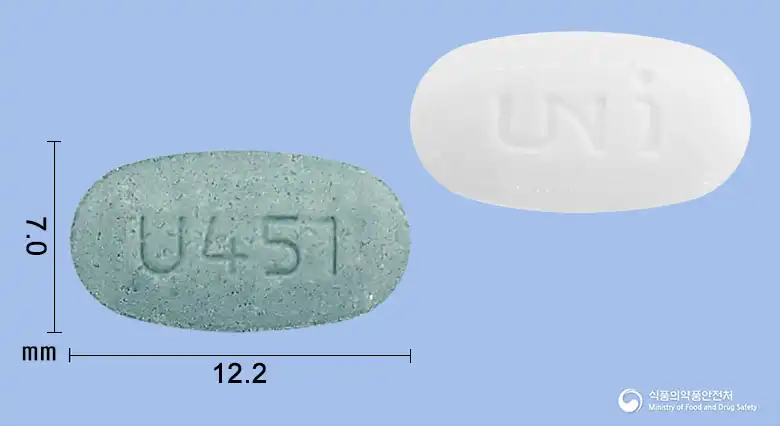 Combination
Telmisartan 40mg · Amlodipine Besylate 6.935mg +1 more
Tablet · Prescription medication · Combination
Unimed Pharmaceutical Co., Ltd.
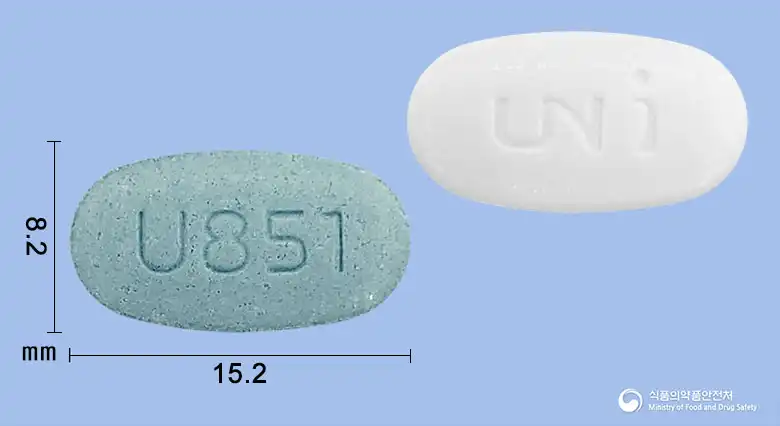 Combination
Telmisartan 80mg · Amlodipine Besylate 6.935mg +1 more
Tablet · Prescription medication · Combination
Unimed Pharmaceutical Co., Ltd.
Even with the same ingredient, the dose and directions can differ by strength and dosage form. Talk to a doctor or pharmacist before switching from a medication you are already taking.
No questions yet.
For anything that needs medical judgment, consult a doctor or pharmacist.
This drug information is based on data provided by the Korea Ministry of Food and Drug Safety.
Consult a doctor or pharmacist for accurate dosage, administration, and usage instructions.