
 한국어
한국어 English
 日本語
日本語 中文(简体)
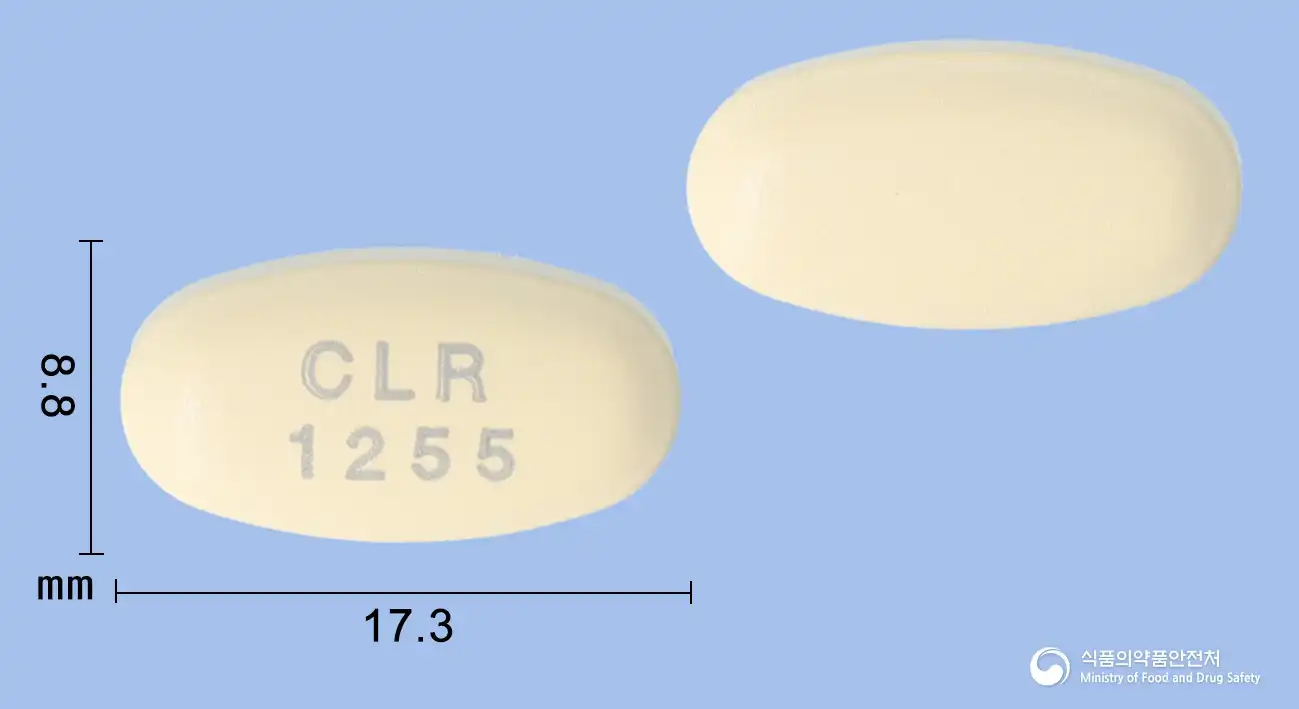 Viewing nowCombination
Nesinamet Extended-Release Tablets 12.5/500 mg (Alogliptin, Metformin Hydrochloride)
Metformin Hydrochloride 500mg · Alogliptin Benzoate 17mg
Tablet · Prescription medication · Combination
Celltrion Pharmaceutical Co., Ltd.
MFDS item code 202302754 · Approved 2023.09.14 · Insurance code 693904010
Improvement of blood sugar control in type 2 diabetes
This medication is adjunctively administered with dietary and exercise therapy to help control blood sugar levels in patients with type 2 diabetes using alogliptin and metformin together. It effectively manages blood sugar levels to aid in diabetes treatment.
The dosage of this medication is adjusted within the range of the maximum recommended daily dosage for each component, which is 25 mg of alogliptin and 2000 mg of extended-release metformin hydrochloride. This medication is to be taken once daily with the evening meal, and to maintain its extended-release properties, do not split, crush, grind, or chew the tablet. The extended-release tablet formulation of 25/1000 mg is taken once daily, one tablet at a time. The 12.5/1000 mg version can also be prescribed.
This medication contains two components, Metformin Hydrochloride and Alogliptin, which assist in blood sugar control. However, Metformin Hydrochloride may cause a dangerous condition known as severe lactic acidosis, so it should not be used in patients with impaired kidney function or acute diseases. Additionally, individuals who have experienced allergic reactions to this medication or similar drugs should not take it. Patients with moderate to severe kidney dysfunction, acute heart failure, or cardiovascular collapse should also avoid this medication. When undergoing radiological examinations with iodine contrast agents, this medication must be withheld for a certain period before and after the examination, and it should be resumed only after confirming normal kidney function. This medication is not suitable for patients with type 1 diabetes or those experiencing diabetic ketoacidosis. Patients with severe infections, significant trauma, or who are preparing for surgery may require insulin therapy instead of this medication. Patients with liver dysfunction or those who consume excessive alcohol should avoid using this medication. This medication carries a risk of hypoglycemia, so caution is advised when irregular meals, intense physical activity, or concurrent use with other antidiabetic agents occurs. During treatment, if symptoms such as pancreatitis, severe allergic reactions, liver dysfunction, severe joint pain, or skin blistering occur, consult a doctor immediately. Additionally, do not crush or chew the tablets; swallow them whole, although the tablet shell may appear in feces, which is normal. This medication is not recommended for women during pregnancy or breastfeeding; particularly, it is safest to avoid use while breastfeeding. Elderly patients should undergo regular kidney function tests, as they are at higher risk of impairment, and dosage adjustments may be necessary. In case of overdose, prompt medical care and any necessary treatment are required, and the metformin component can be partially removed through hemodialysis. Lastly, it is advisable to avoid alcohol consumption during the course of this medication, and report any blood sugar fluctuations or abnormal symptoms to healthcare professionals immediately.
Hives, severe swelling (edema), chest tightness, difficulty breathing, cold sweat, pallor, severe rash with fever, blisters, skin peeling, pain in the oral/ocular mucosa, shortness of breath or difficulty breathing, asthmatic attacks, respiratory abnormalities accompanied by cough + fever, yellowing of the skin or eyes (jaundice), profound lethargy, sudden and severe headache, lightning headache, seizures, confusion, visual disturbances, paralysis, urinary retention
Not everyone experiences these, and they can vary from person to person.
This medication should be stored in a tightly sealed container to prevent exposure to air, and it is best stored at room temperature between 1 to 30 degrees Celsius. Proper storage helps maintain the drug's efficacy and prevents degradation.
Pale yellow oval-shaped extended-release film-coated tablets
30 tablets/bottle, 100 tablets/bottle
Even with the same ingredient, strength, dosage form and how it is taken can differ.
Viewing nowCombinationMetformin Hydrochloride 500mg · Alogliptin Benzoate 17mg
Tablet · Prescription medication · Combination
Celltrion Pharmaceutical Co., Ltd.
Alogliptin Benzoate 17mg · Metformin Hydrochloride 500mg
Tablet · Prescription medication · Combination
Celltrion Pharmaceutical Co., Ltd.
Alogliptin Benzoate 17mg · Metformin Hydrochloride 1000mg
Tablet · Prescription medication · Combination
Celltrion Healthcare Co., Ltd.
Alogliptin Benzoate 17mg · Metformin Hydrochloride 850mg
Tablet · Prescription medication · Combination
Celltrion Pharmaceutical Co., Ltd.
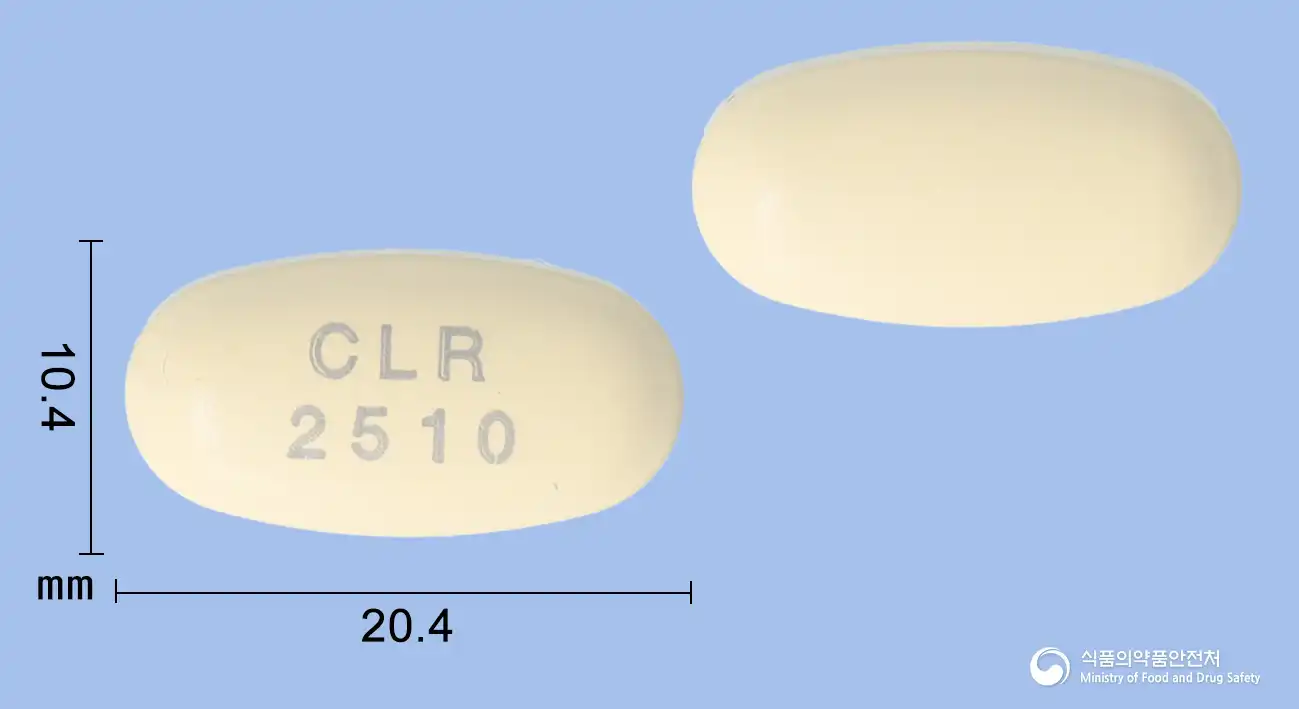 Combination
Metformin Hydrochloride 1000mg · Alogliptin Benzoate 34mg
Tablet · Prescription medication · Combination
Celltrion Pharmaceutical Co., Ltd.
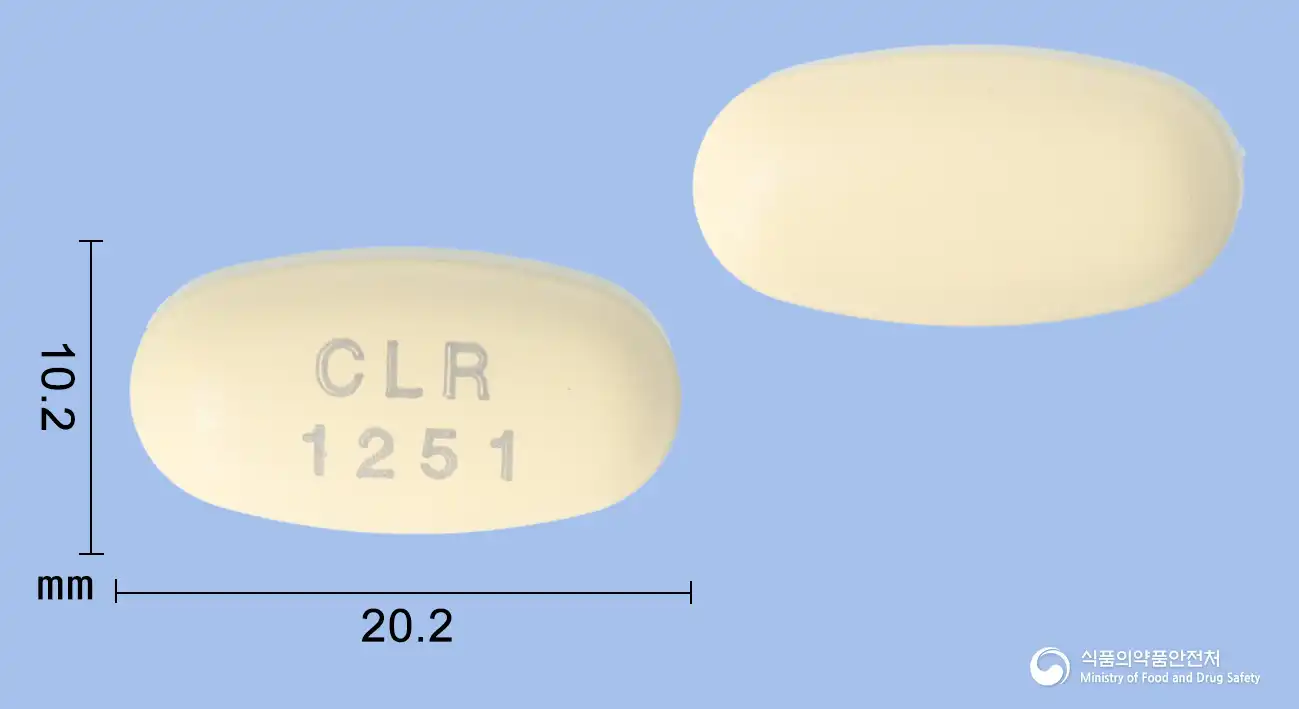 Combination
Metformin Hydrochloride 1000mg · Alogliptin Benzoate 17mg
Tablet · Prescription medication · Combination
Celltrion Pharmaceutical Co., Ltd.
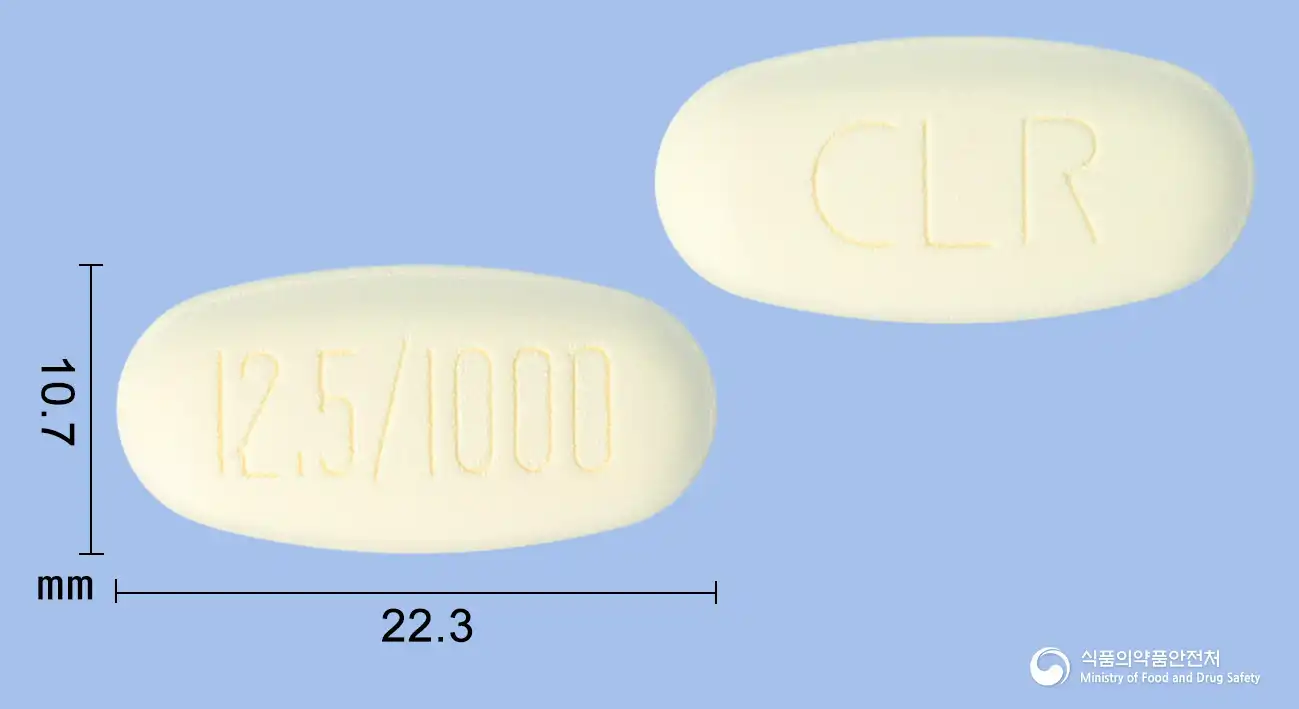 Combination
Alogliptin Benzoate 17mg · Metformin Hydrochloride 1000mg
Tablet · Prescription medication · Combination
Celltrion Pharmaceutical Co., Ltd.
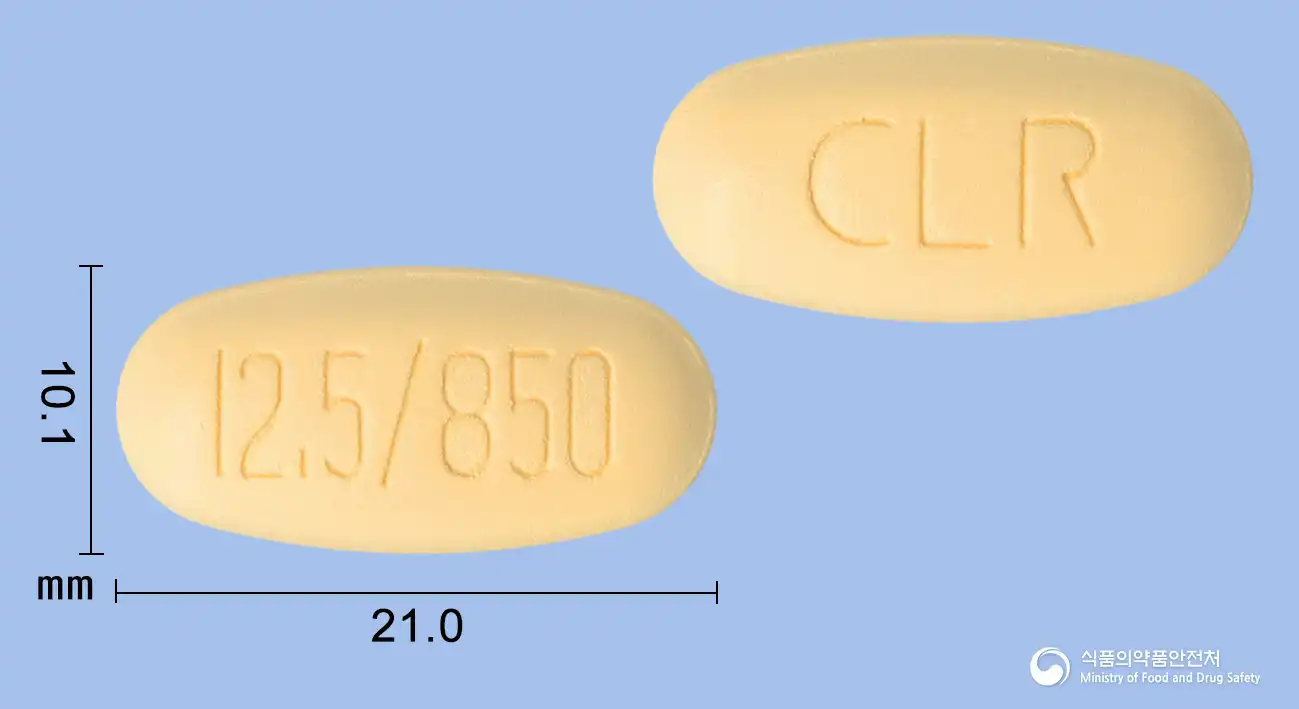 Combination
Alogliptin Benzoate 17mg · Metformin Hydrochloride 850mg
Tablet · Prescription medication · Combination
Celltrion Pharmaceutical Co., Ltd.
Even with the same ingredient, the dose and directions can differ by strength and dosage form. Talk to a doctor or pharmacist before switching from a medication you are already taking.
No questions yet.
For anything that needs medical judgment, consult a doctor or pharmacist.
This drug information is based on data provided by the Korea Ministry of Food and Drug Safety.
Consult a doctor or pharmacist for accurate dosage, administration, and usage instructions.