
 한국어
 English
 日本語
 中文(简体)
 Viewing nowCombination
Vildagliptin-Metformin Hydrochloride Tablet 50/500 mg (Vildagliptin, Metformin Hydrochloride)
Vildagliptin 50mg · Metformin Hydrochloride 500mg
Tablet · Prescription medication · Combination
Daewoong Bio Co., Ltd.
MFDS item code 202302589 · Approved 2023.08.30 · Insurance code 694004100
Improvement of glycemic control in patients with type 2 diabetes mellitus
This drug is used to assist in blood sugar control in patients with type 2 diabetes when vildagliptin and metformin are used together. It is also administered as an adjunct to meal and exercise regimens to enhance blood sugar control effects. Patients taking this drug alongside consistent diet and exercise will find it helpful for managing blood sugar levels. This drug positively affects diabetes management by stabilizing blood sugar levels.
For the treatment of patients with type 2 diabetes, the dose of this medicine should be individualized based on efficacy and tolerability, without exceeding vildagliptin 100mg and metformin 2000mg. Doses of vildagliptin greater than 100mg per day are not recommended. This medicine should generally be taken with food or immediately after a meal to reduce gastrointestinal adverse reactions caused by metformin. 1. Patients who have not previously received antidiabetic drug therapy and whose blood glucose is not adequately controlled with monotherapy: The initial dose is 1 tablet of this medicine 50/500mg once daily. The dose may be gradually increased up to 1 tablet of 50/1000mg twice daily. 2. Patients switching from combination therapy with vildagliptin and metformin: Patients switching from combination therapy with vildagliptin and metformin to this medicine may start at their current doses of vildagliptin and metformin. No studies have been conducted to evaluate the safety and efficacy of switching from another oral antihyperglycemic medicine to this medicine. Any change in the treatment regimen for type 2 diabetes may alter blood glucose control; therefore, caution should be exercised and appropriate monitoring should be performed. If you miss a dose of this medicine, take it with your next meal unless it is already time for your next dose. Do not take a double dose at one time to make up for the missed dose. Patients with hepatic impairment This medicine is not recommended for patients with clinical or laboratory evidence of hepatic impairment, including patients whose ALT or AST levels before treatment exceed 2.5 times the upper limit of normal.
This drug is used for the treatment of diabetes and helps in blood sugar control. However, this drug should not be used in patients with severely impaired kidney function or severe heart failure. Patients with acute cardiac issues, serious infections, or severe liver dysfunction should also avoid this medication. This drug can cause a rare but serious side effect known as lactic acidosis, which is a condition resulting from excessive accumulation of lactic acid in the body. Symptoms of lactic acidosis include abdominal pain, muscle pain, difficulty breathing, lethargy, hypothermia, and coma, and if these symptoms occur, immediate medical attention should be sought. It is important to avoid alcohol consumption while taking this medication, and to discontinue and consult a doctor if dehydration, severe diarrhea, or vomiting occurs. If a surgical procedure or a contrast agent test is to be conducted, this medication should be stopped for a certain period, and resumed only after confirming normal kidney function. It is safe for pregnant or breastfeeding women to avoid this medication. This drug can cause hypoglycemia, so caution is needed especially when taken with other hypoglycemic agents or when meals are skipped. During treatment, symptoms such as dizziness, headaches, or nausea may occur, and if severe, a doctor should be consulted. Additionally, regular monitoring of liver and kidney function while taking this medication is recommended. Elderly patients may experience decreased kidney function, so dose adjustments and regular examinations are required. Patients should also regularly check their blood sugar and hemoglobin A1c levels to evaluate treatment effectiveness. In case of overdose, immediate medical attention should be sought, as this drug can be partially removed through hemodialysis. Finally, if skin blisters or rashes occur while taking this medication, the patient should inform their doctor immediately and receive proper diagnosis and treatment.
Not everyone experiences these, and they can vary from person to person.
This medication should be stored in a sealed container to prevent air and moisture ingress and kept in a cool place at or below 30 degrees Celsius to maintain its effectiveness.
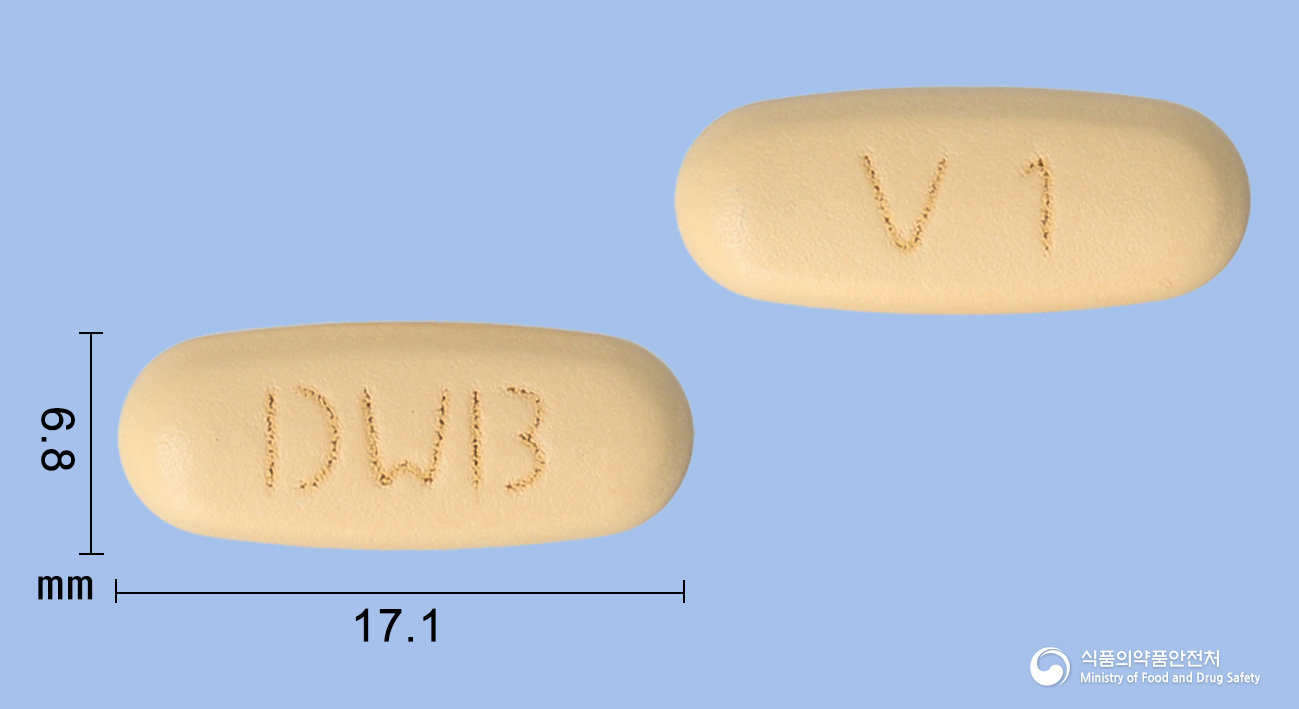
Bright yellow oval film-coated tablet
30 tablets/bottle, 100 tablets/bottle
Even with the same ingredient, strength, dosage form and how it is taken can differ.
Viewing nowCombinationVildagliptin 50mg · Metformin Hydrochloride 500mg
Tablet · Prescription medication · Combination
Daewoong Bio Co., Ltd.
 Combination
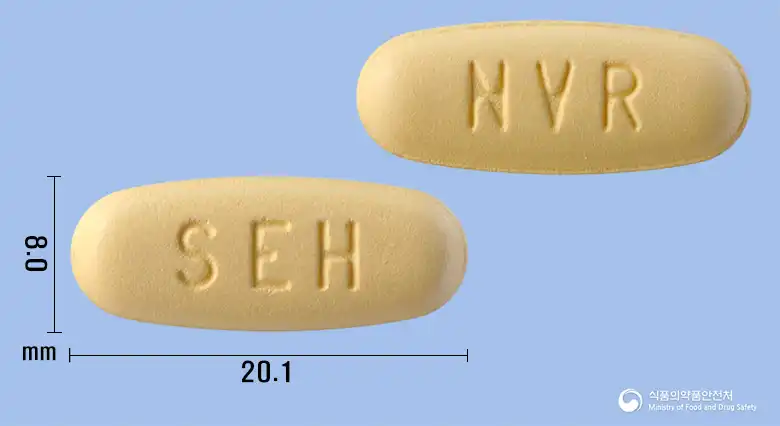
Vildagliptin 50mg · Metformin Hydrochloride 850mg
Tablet · Prescription medication · Combination
Korea Novartis Co., Ltd.
 Combination
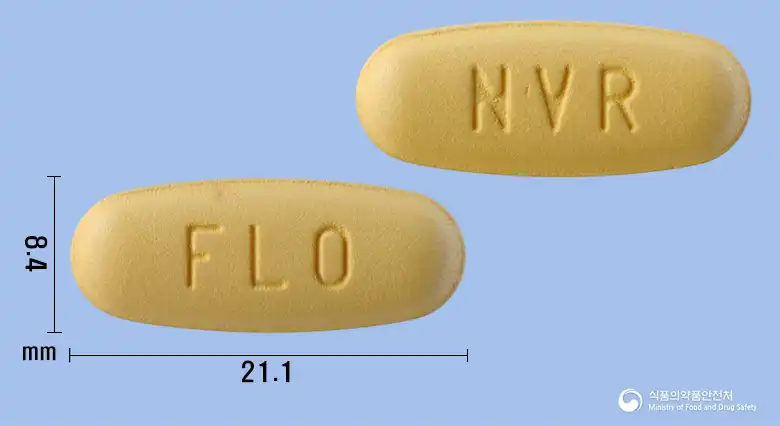
Vildagliptin 50mg · Metformin Hydrochloride 1000mg
Tablet · Prescription medication · Combination
Novartis Korea Co., Ltd.
 Combination
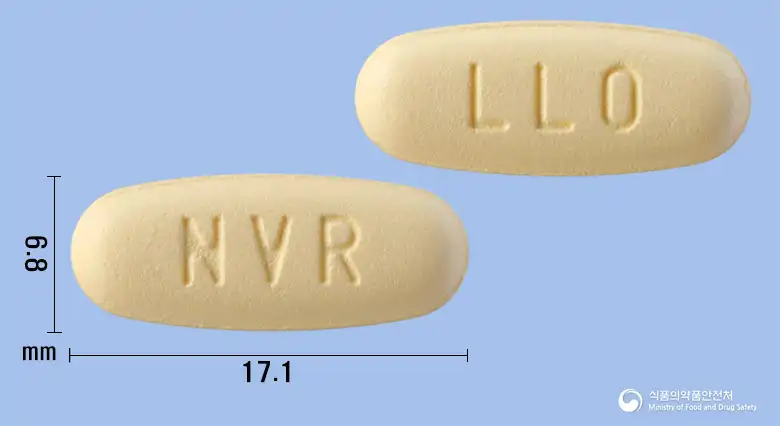
Vildagliptin 50mg · Metformin Hydrochloride 500mg
Tablet · Prescription medication · Combination
Novartis Korea Co., Ltd.
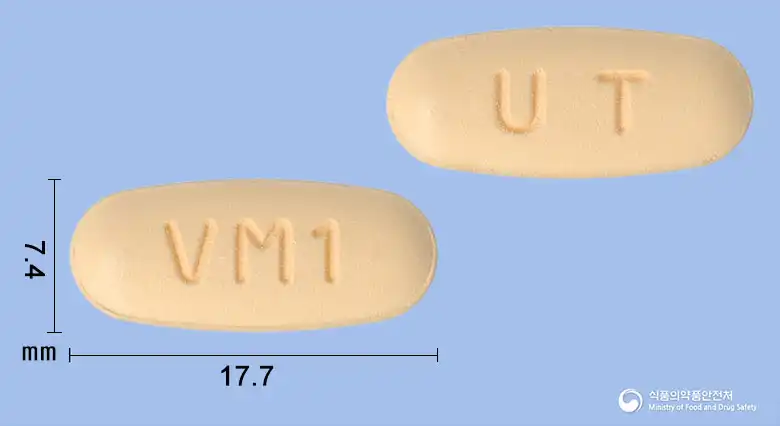 Combination
Vildagliptin 50mg · Metformin Hydrochloride 500mg
Tablet · Prescription medication · Combination
Korea United Pharm, Co., Ltd.
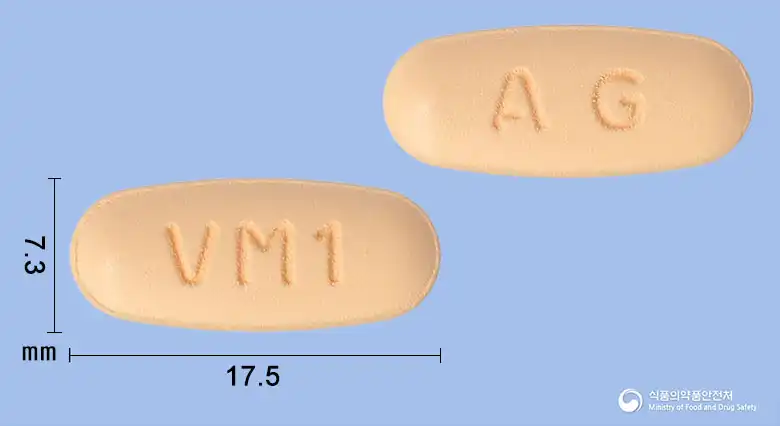 Combination
Vildagliptin 50mg · Metformin Hydrochloride 500mg
Tablet · Prescription medication · Combination
Ahn-Guk Pharmaceutical Co., Ltd.
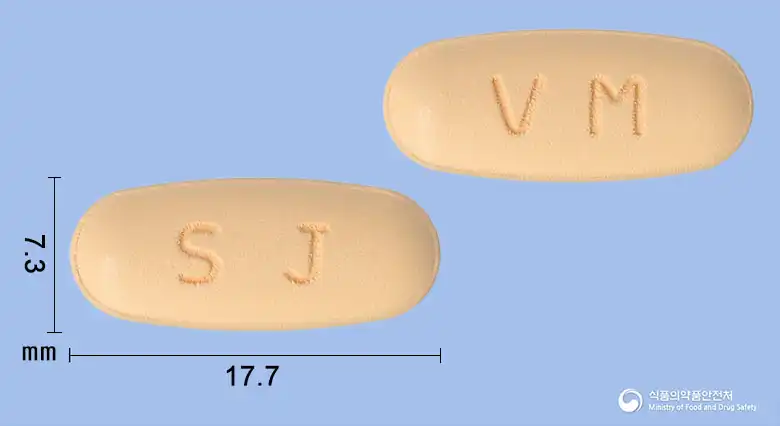 Combination
Vildagliptin 50mg · Metformin Hydrochloride 500mg
Tablet · Prescription medication · Combination
Samjin Pharmaceutical Co., Ltd.
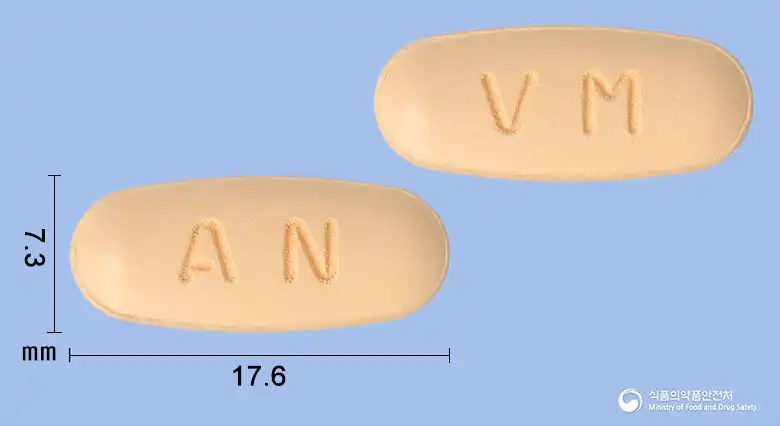 Combination
Vildagliptin 50mg · Metformin Hydrochloride 500mg
Tablet · Prescription medication · Combination
AhnGuk NewPharm Co., Ltd.
Even with the same ingredient, the dose and directions can differ by strength and dosage form. Talk to a doctor or pharmacist before switching from a medication you are already taking.
No questions yet.
For anything that needs medical judgment, consult a doctor or pharmacist.
This drug information is based on data provided by the Korea Ministry of Food and Drug Safety.
Consult a doctor or pharmacist for accurate dosage, administration, and usage instructions.