
 한국어
한국어 English
 日本語
日本語 中文(简体)
Dosage form image
Viewing nowCombinationAD-Duo Tablets 12.5/500 mg (Empagliflozin, Metformin Hydrochloride)
Empagliflozin 12.5mg · Metformin Hydrochloride 500mg
Tablet · Prescription medication · Combination
Ahn-Guk Pharmaceutical Co., Ltd.
MFDS item code 202302580 · Approved 2023.08.30
Efficient control of blood sugar in type 2 diabetes and prevention of cardiovascular events
This medication is used to assist adults with type 2 diabetes in controlling their blood sugar levels. It is especially suitable for patients who are also following diet and exercise regimens, and the combination of Empagliflozin and Metformin enhances blood sugar control. Caution is required in patients with cardiovascular disease for whom blood sugar control is insufficient, and it is important to refer to relevant clinical trial information. This medication improves blood sugar control and aids in diabetes management.
The recommended dosage of this medication is one tablet per dose, twice daily. The dosage should be determined based on each patient's current treatment regimen, efficacy, and tolerability, ensuring it does not exceed Empagliflozin 25 mg and Metformin 2000 mg. If blood sugar control is not sufficient with Metformin alone or in combination with other medications like insulin, the recommended dosage includes Empagliflozin 5 mg twice daily and existing doses of Metformin.
This medication consists of two main components and helps regulate blood sugar. Before taking this medication, it is imperative to consult a physician and avoid use if certain health conditions are present. Patients with moderate to severe kidney dysfunction, acute kidney problems, heart failure, or acute infectious conditions may be at risk if they take this medication. Additionally, it is safe for pregnant or breastfeeding women to avoid taking this medication. This drug can lead to rare but serious side effects such as lactic acidosis; therefore, if symptoms like vomiting, abdominal pain, muscle pain, or difficulty breathing appear, inform your doctor immediately. Symptoms of hypoglycemia, or blood sugar dropping too low, can also occur, so it is important to avoid skipping meals and excessive exercise, and to act quickly if hypoglycemia symptoms arise. During the course of this medication, be cautious of symptoms of dehydration and fluid loss, and it is important to frequently check fluid status. Also, the risk of urinary and genital infections may increase, so consult healthcare personnel immediately if symptoms of infection occur. This medication may increase the risk of hypoglycemia when taken with other blood glucose-lowering agents, so it may be necessary to adjust the dosage of concomitant medications. Before surgery or tests that use iodine contrast agents, this medication should be temporarily discontinued, and it should only be resumed after normal kidney function is confirmed post-surgery. Elderly patients or those with reduced kidney function should exercise extra caution when taking this medication, and regular monitoring of kidney function is recommended. Taking this medication with alcohol may increase the risk of side effects, so avoiding alcohol is advisable. If you experience any unusual symptoms or discomfort while taking this medication, consult your healthcare provider immediately, and keep the medication out of the reach of children.
Hives, severe swelling (angioedema), chest tightness, difficulty breathing, cold sweat, paleness, severe rash with fever, blisters, skin peeling, pain in mouth/eye mucous membranes, shortness of breath or difficulty breathing, asthma attacks, respiratory difficulties accompanied by cough and fever, yellowing of the skin or eyes (jaundice), extreme lethargy, sudden and severe headache, lightning headache, seizures, confusion, visual disturbances, paralysis
Not everyone experiences these, and they can vary from person to person.
Store this medication in a tightly sealed container to protect it from air and moisture. It is important to maintain room temperature between 1 degree and 30 degrees.
Pinkish purple film-coated oval tablets with a slight brown tint on both sides.
60 tablets/box [10 tablets/PTP X 6], 10 tablets/box [10 tablets/PTP X 1], 60 tablets/bottle
Even with the same ingredient, strength, dosage form and how it is taken can differ.
Empagliflozin 12.5mg · Metformin Hydrochloride 500mg
Tablet · Prescription medication · Combination
Ahn-Guk Pharmaceutical Co., Ltd.
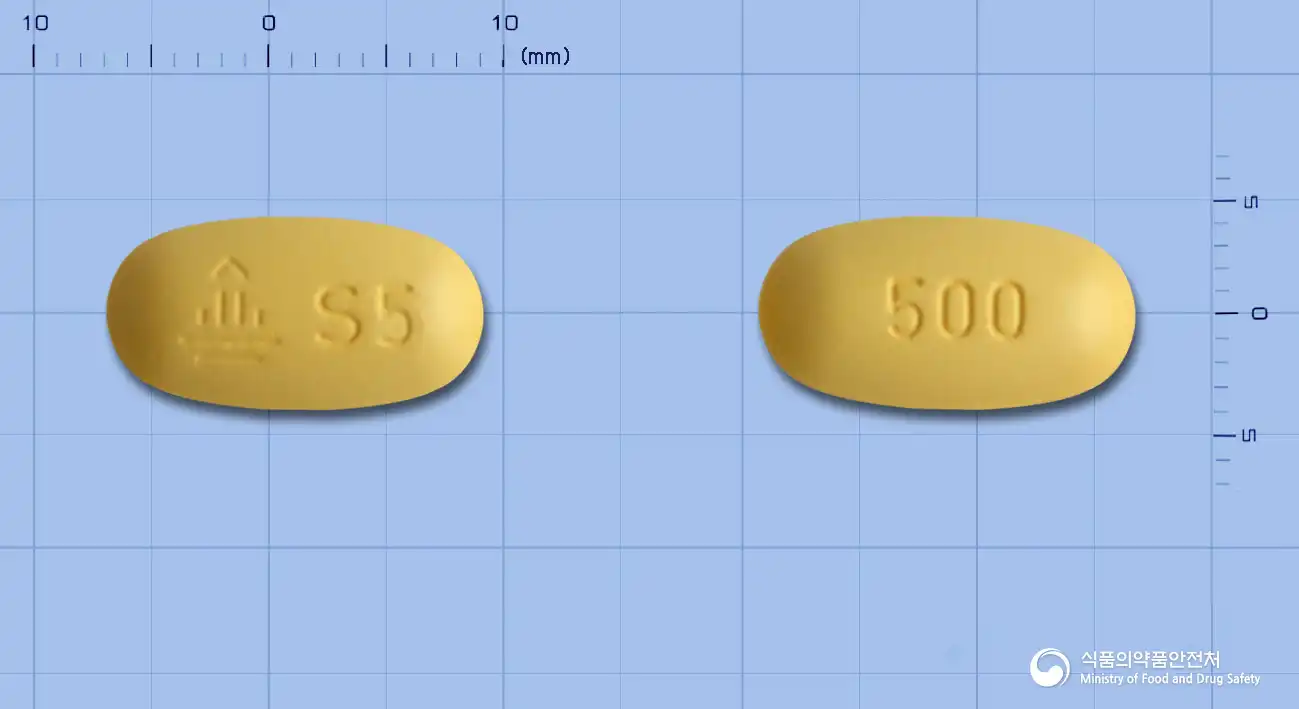 Combination
Empagliflozin 5mg · Metformin Hydrochloride 500mg
Tablet · Prescription medication · Combination
Boehringer Ingelheim Korea Co., Ltd.
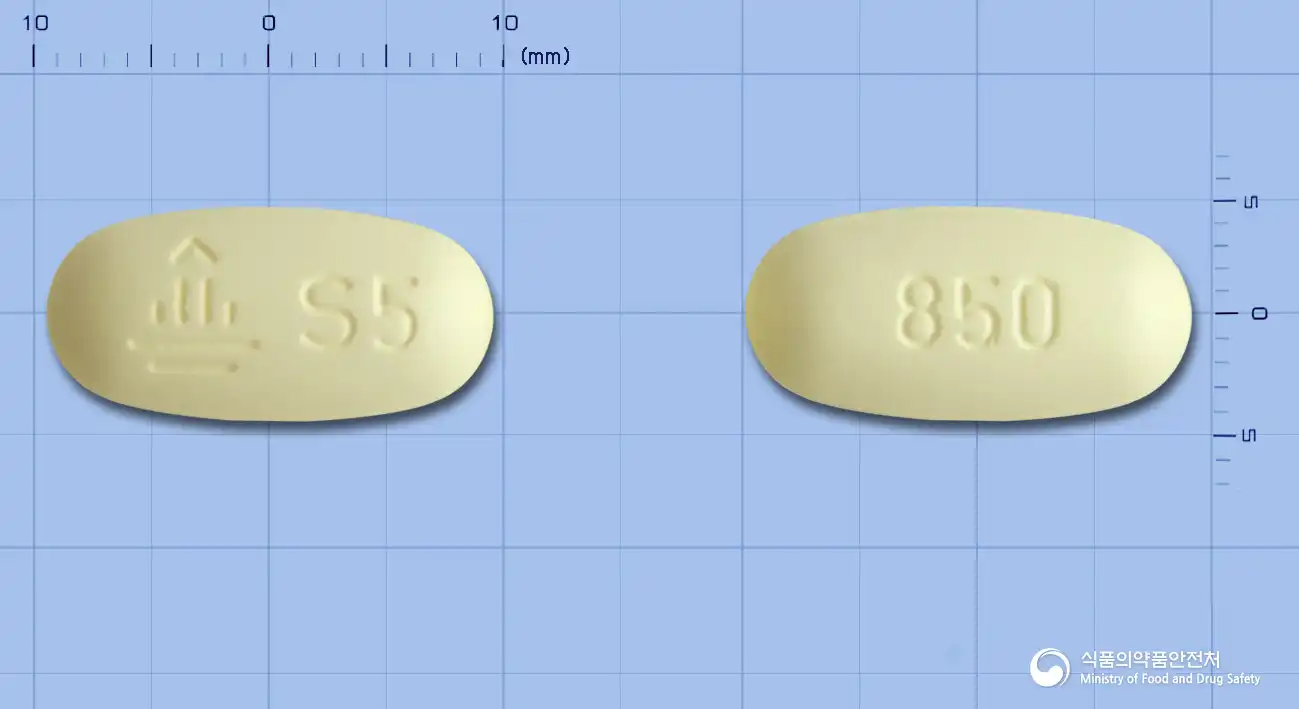 Combination
Empagliflozin 5mg · Metformin Hydrochloride 850mg
Tablet · Prescription medication · Combination
Boehringer Ingelheim Korea Co., Ltd.
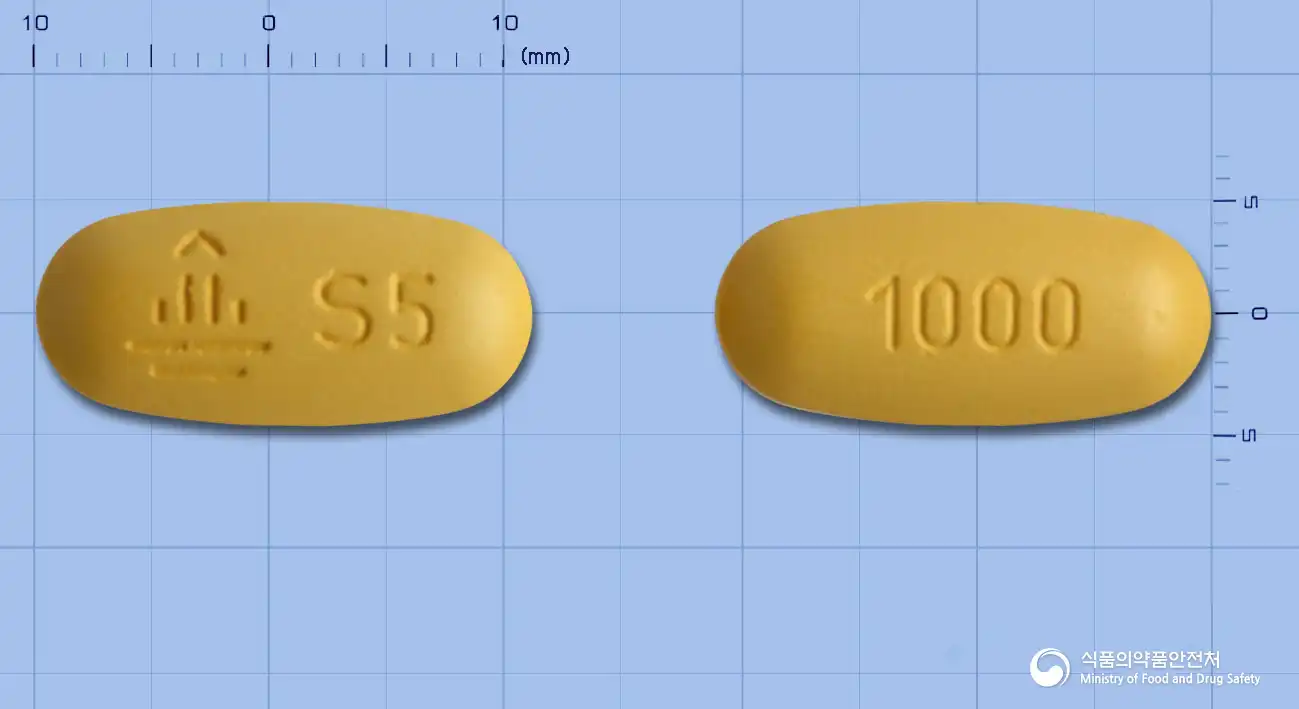 Combination
Empagliflozin 5mg · Metformin Hydrochloride 1000mg
Tablet · Prescription medication · Combination
Boehringer Ingelheim Korea Co., Ltd.
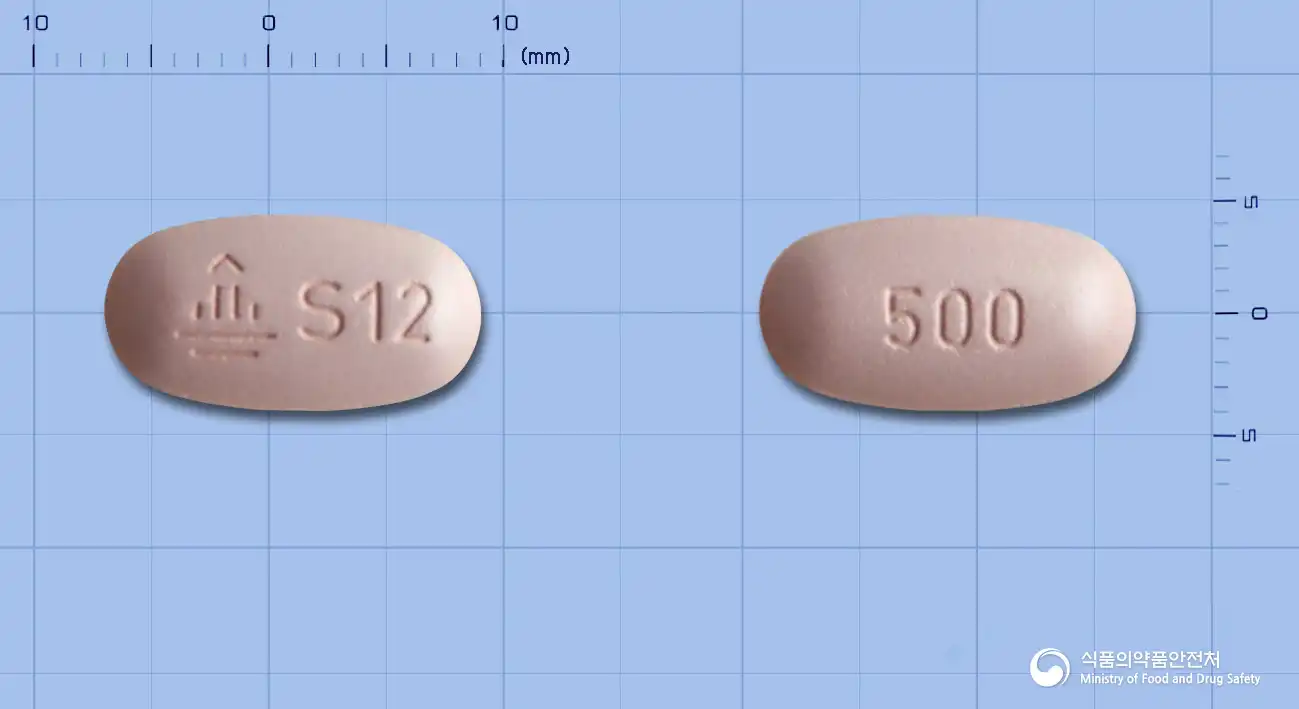 Combination
Empagliflozin 12.5mg · Metformin Hydrochloride 500mg
Tablet · Prescription medication · Combination
Boehringer Ingelheim Korea Co., Ltd.
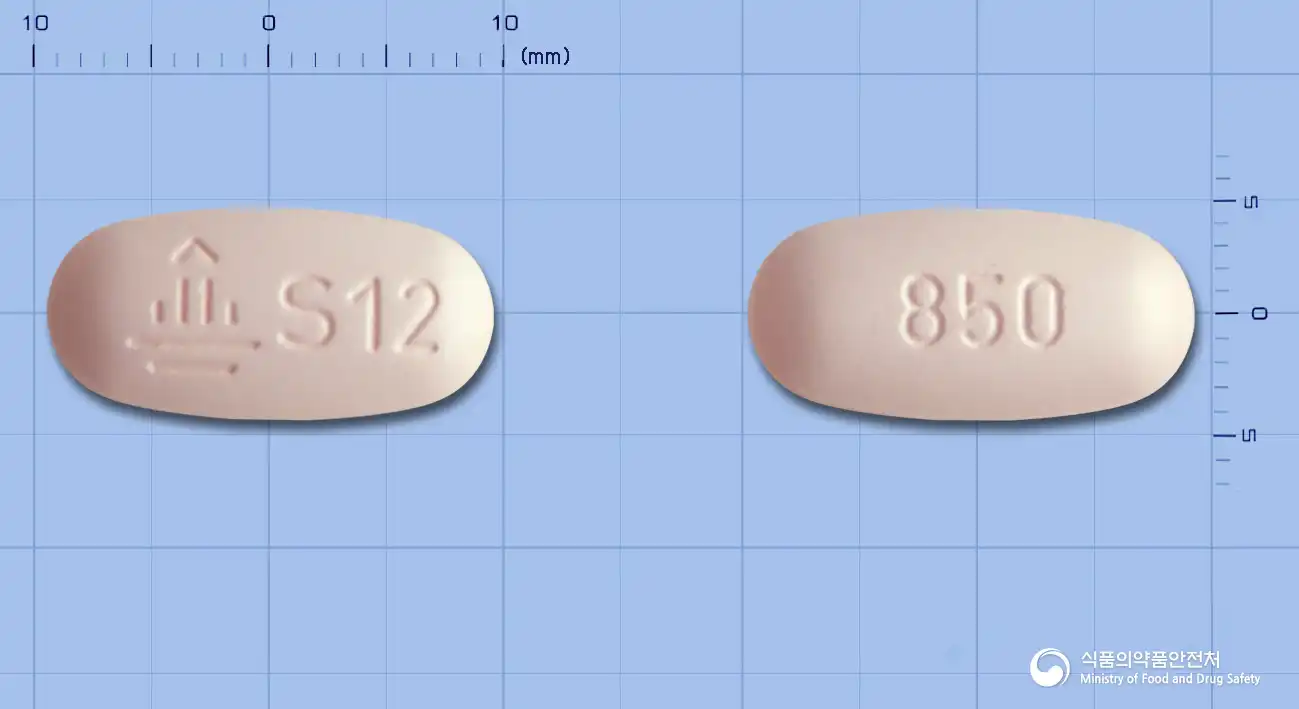 Combination
Empagliflozin 12.5mg · Metformin Hydrochloride 850mg
Tablet · Prescription medication · Combination
Boehringer Ingelheim Korea Co., Ltd.
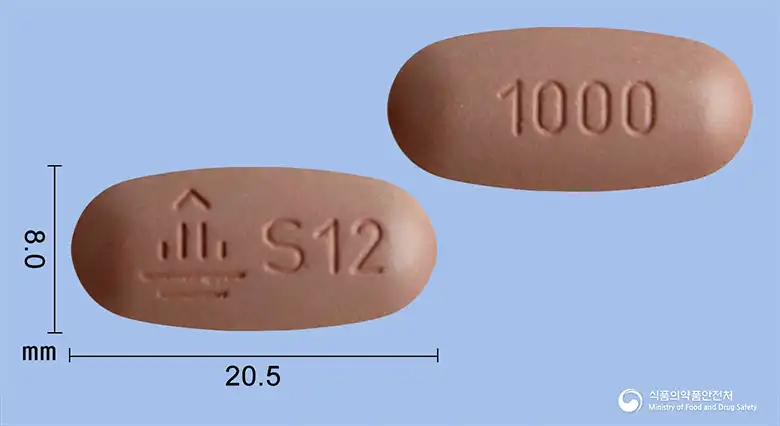 Combination
Empagliflozin 12.5mg · Metformin Hydrochloride 1000mg
Tablet · Prescription medication · Combination
Boehringer Ingelheim Korea Co., Ltd.
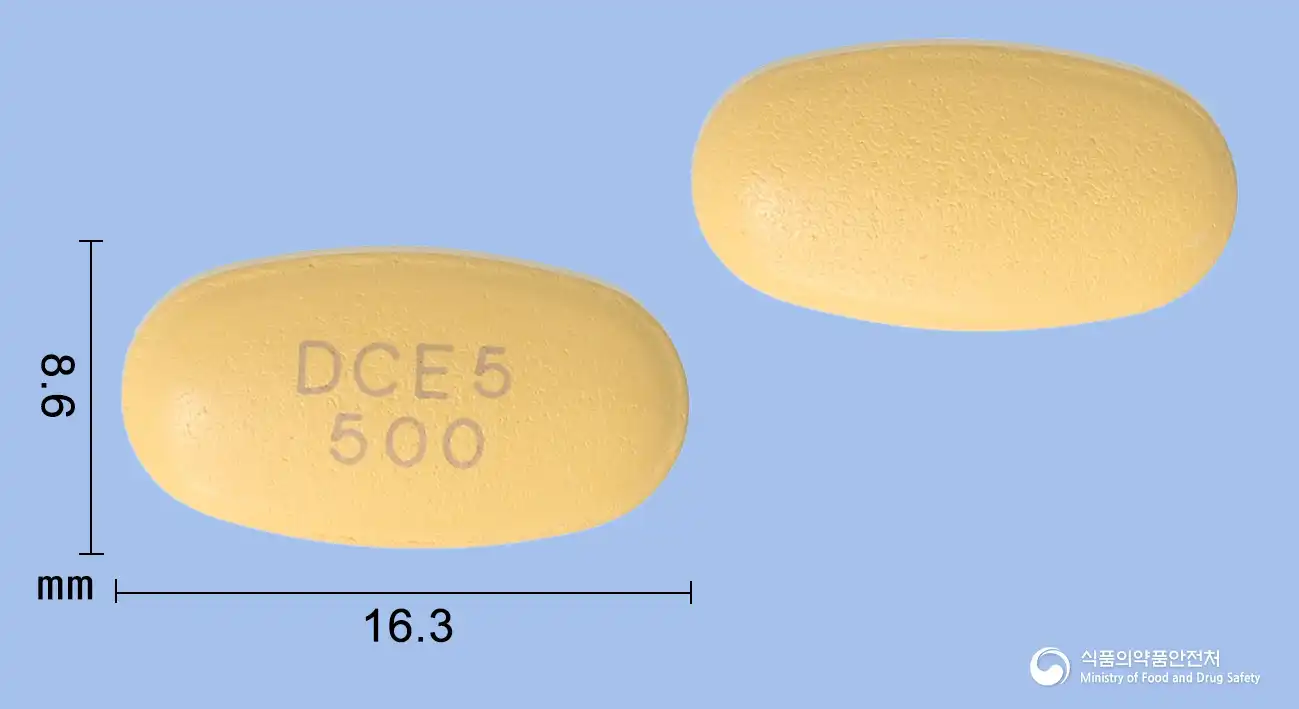 Combination
Empagliflozin 5mg · Metformin Hydrochloride 500mg
Tablet · Prescription medication · Combination
Donggu Bio Pharmaceutical Co., Ltd.
Even with the same ingredient, the dose and directions can differ by strength and dosage form. Talk to a doctor or pharmacist before switching from a medication you are already taking.
No questions yet.
For anything that needs medical judgment, consult a doctor or pharmacist.
This drug information is based on data provided by the Korea Ministry of Food and Drug Safety.
Consult a doctor or pharmacist for accurate dosage, administration, and usage instructions.