
 한국어
한국어 English
 日本語
日本語 中文(简体)
 Viewing nowCombination
Trubudy Tablets 10/30 Milligrams (Dapagliflozin, Pioglitazone)
Dapagliflozin Propanediol Hydrate 12.3mg · Pioglitazone Hydrochloride 33.06mg
Tablet · Prescription medication · Combination
Boryung Pharmaceutical Co., Ltd.
MFDS item code 202302548 · Approved 2023.08.29 · Insurance code 641908300
Improves blood sugar control in type 2 diabetes
This medication is used in combination with dapagliflozin and pioglitazone to assist in blood sugar control for patients with type 2 diabetes. It is administered to patients adhering to dietary and exercise regimens to enhance blood sugar management effectiveness. This medication helps patients stabilize their blood sugar levels more reliably.
This medication is administered once daily, one tablet at a time, regardless of meals. Do not divide the tablets. The recommended starting dosage is 10 mg of dapagliflozin and 15 mg of pioglitazone once daily. The dosage may be increased to 10/30 mg once daily based on tolerability and blood sugar control response. In patients transitioning from a combination therapy of dapagliflozin and pioglitazone, administer the existing dosage. Estimated Glomerular Filtration Rate (eGFR)
This medication may cause or worsen heart failure in patients with impaired heart function; therefore, patients should seek immediate medical attention if symptoms of heart failure, weight changes, dyspnea, or edema occur. Patients with heart failure symptoms or a history of heart failure should not use this medication. This medication can lead to fluid retention, exacerbating heart failure; thus, caution should be exercised by patients with heart disease or edema. Patients with bladder cancer or a history of bladder cancer should not take this medication, and if symptoms such as hematuria or urination difficulties appear, they must inform their physician immediately. Patients with severely impaired liver function or significantly reduced kidney function, particularly those undergoing dialysis, should not use this medication. Patients with diabetic ketoacidosis, Type 1 diabetes, or those with severe infections, trauma, or undergoing surgery are also unsuitable for this medication. Women who are pregnant or may become pregnant should not use this medication, and those with hereditary lactose intolerance should use caution. This medication may lower blood pressure or worsen kidney function; hence, elderly patients with impaired kidney function or those taking diuretics should be closely monitored for blood pressure and kidney function before and after administration. Various adverse reactions, including symptoms of hypoglycemia, infection, edema, weight gain, dizziness, dyspepsia, etc., may occur during the course of taking this medication; patients should consult their physician or pharmacist if these symptoms arise. Particularly due to the risk of hypoglycemia, caution is advised when taking this medication in combination with other hypoglycemic agents such as insulin or sulfonylureas. This medication may cause weight gain and edema, and if significant edema or heart failure symptoms occur, treatment adjustment may be necessary. If liver function abnormalities are present, regular liver function tests should be conducted, and if symptoms of liver damage (fatigue, loss of appetite, jaundice, etc.) arise, they should inform their physician immediately. This medication can affect blood test results, so regular testing is required. During treatment, infections, especially genital and urinary tract infections, may occur, so maintaining cleanliness is crucial; immediate treatment should be sought if any infection symptoms arise.
Hives, severe swelling (edema), chest tightness, difficulty breathing, cold sweats, pallor, severe rash with fever, blisters, skin peeling, pain in oral/eye mucosa, difficulty breathing or shortness of breath, asthma attacks, coughing with fever accompanied respiratory abnormalities, jaundice (yellowing of skin or eyes), extreme fatigue, sudden and severe headache, thunderclap headache, seizures, confusion, disturbances in vision, numbness, urination changes
Not everyone experiences these, and they can vary from person to person.
Store this medication in a tightly sealed container to protect it from air and moisture. Additionally, it is important to store the medication at room temperature between 1°C and 30°C. This helps maintain the drug's effectiveness and safety.
White and light yellow, double convex, octagonal biconvex tablets
30 tablets/box [10 tablets/PTP x 3]
Even with the same ingredient, strength, dosage form and how it is taken can differ.
Viewing nowCombinationDapagliflozin Propanediol Hydrate 12.3mg · Pioglitazone Hydrochloride 33.06mg
Tablet · Prescription medication · Combination
Boryung Pharmaceutical Co., Ltd.
 Combination
Dapagliflozin Propanediol Hydrate 12.3mg · Pioglitazone Hydrochloride 16.53mg
Tablet · Prescription medication · Combination
Boryung Pharmaceutical Co., Ltd.
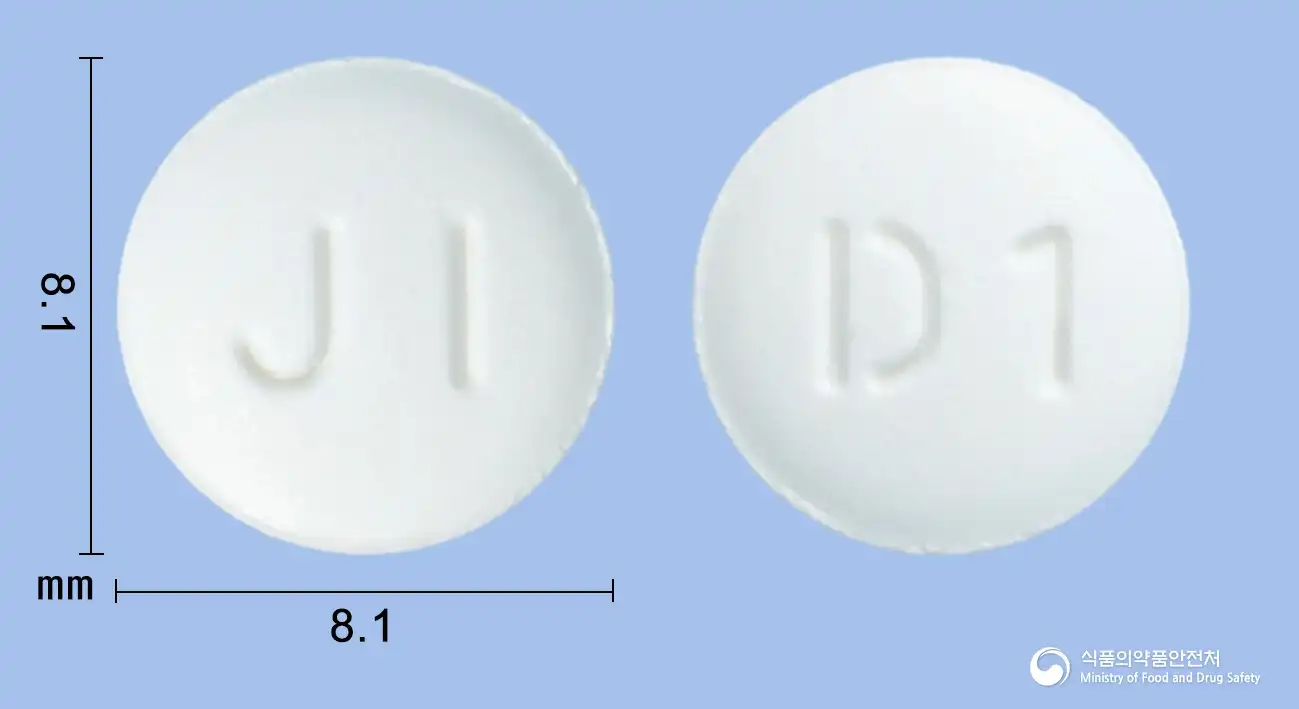 Combination
Dapagliflozin Propanediol Hydrate 12.3mg · Pioglitazone Hydrochloride 16.53mg
Tablet · Prescription medication · Combination
Jeil Pharmaceutical Co., Ltd.
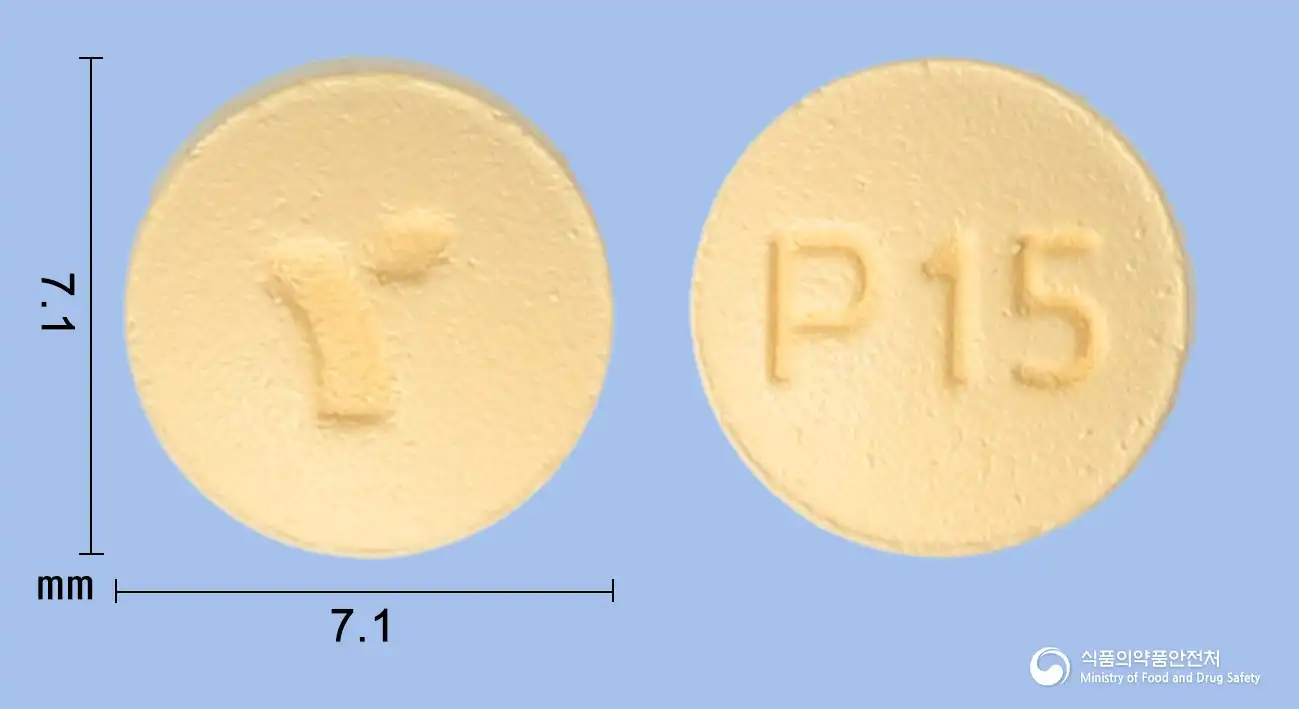 Combination
Pioglitazone Hydrochloride 16.53mg · Dapagliflozin Propanediol Hydrate 12.3mg
Tablet · Prescription medication · Combination
YuYoung Pharmaceutical Co., Ltd.
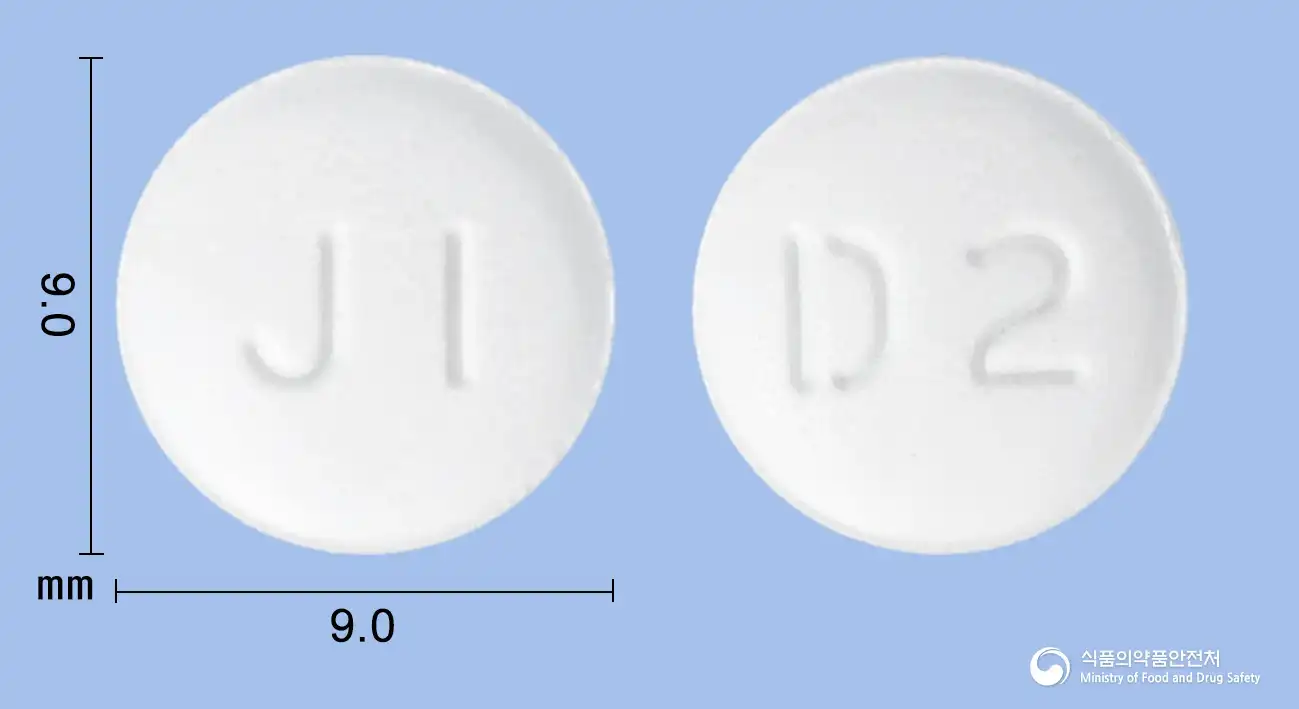 Combination
Dapagliflozin Propanediol Hydrate 12.3mg · Pioglitazone Hydrochloride 33.06mg
Tablet · Prescription medication · Combination
Jeil Pharmaceutical Co., Ltd.
 Combination
Dapagliflozin Propanediol Hydrate 12.3mg · Pioglitazone Hydrochloride 16.53mg
Tablet · Prescription medication · Combination
Kyungdong Pharmaceutical Co., Ltd.
 Combination
Dapagliflozin Propanediol Hydrate 12.3mg · Pioglitazone Hydrochloride 33.06mg
Tablet · Prescription medication · Combination
Kyungdong Pharmaceutical Co., Ltd.
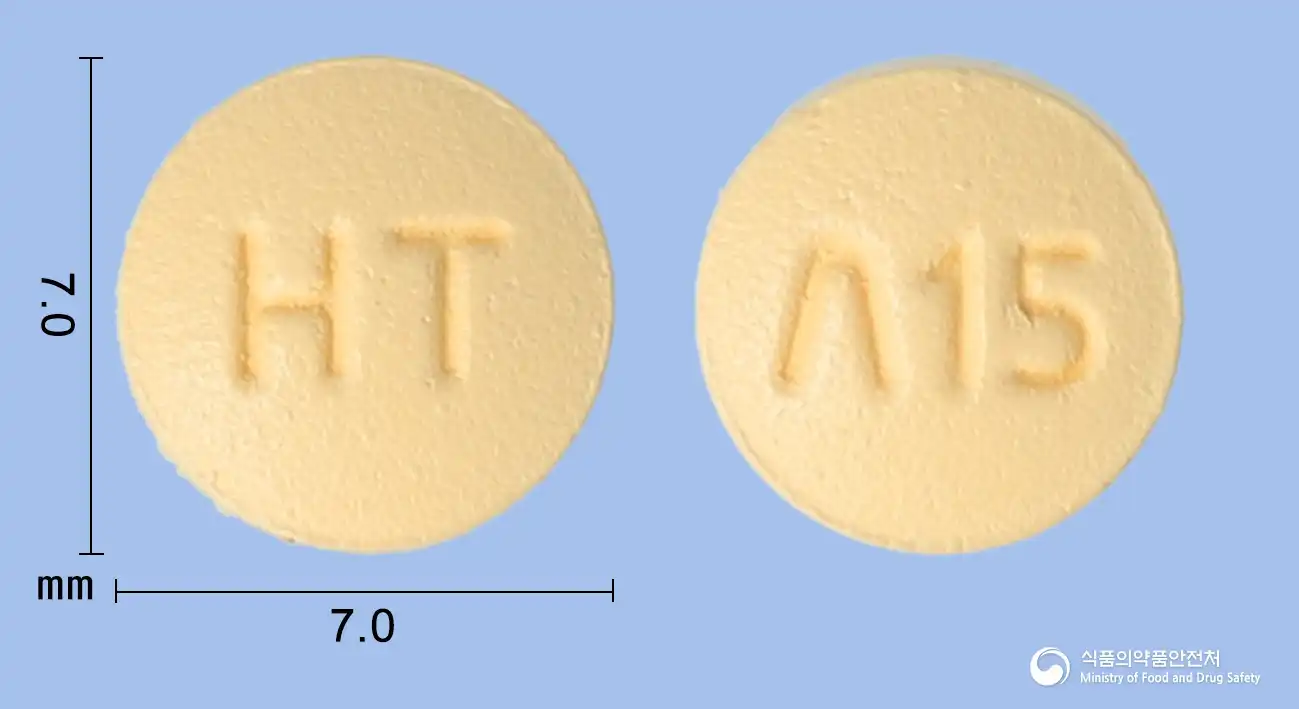 Combination
Pioglitazone Hydrochloride 16.53mg · Dapagliflozin Propanediol Hydrate 12.3mg
Tablet · Prescription medication · Combination
Hanmi Pharm Co., Ltd.
Even with the same ingredient, the dose and directions can differ by strength and dosage form. Talk to a doctor or pharmacist before switching from a medication you are already taking.
No questions yet.
For anything that needs medical judgment, consult a doctor or pharmacist.
This drug information is based on data provided by the Korea Ministry of Food and Drug Safety.
Consult a doctor or pharmacist for accurate dosage, administration, and usage instructions.