
 한국어
한국어 English
 日本語
日本語 中文(简体)
Dosage form image
Viewing nowCombinationEmplzin Met Tablets 12.5/1000 mg (Empagliflozin, Metformin Hydrochloride)
Empagliflozin 12.5mg · Metformin Hydrochloride 1000mg
Tablet · Prescription medication · Combination
Dongkuk Pharmaceutical Co., Ltd.
MFDS item code 202302541 · Approved 2023.08.28
Blood glucose control in type 2 diabetes and prevention of cardiovascular events
This medication is used in combination with empagliflozin and metformin to improve blood sugar control in adults with type 2 diabetes. It is administered as an adjunct to dietary and exercise therapy and is suitable for patients with type 2 diabetes whose blood sugar is not adequately controlled. Particularly, for patients with a history of cardiovascular disease, caution is required regarding the occurrence of cardiovascular events, so it should be used safely based on expert guidelines. Overall, this medication effectively improves blood sugar levels in diabetic patients, aiding in health management.
The recommended dosage of this medication is 1 tablet per dose, taken twice a day. The dosage should be determined within the maximum recommended daily doses of empagliflozin 25 mg and metformin 2000 mg for each component. If blood sugar control is insufficient, start with empagliflozin 5 mg twice a day and the existing dosage of metformin; if well tolerated, it can be increased up to empagliflozin 25 mg. Take it along with meals.
This medication helps control blood sugar and is primarily used for diabetic patients. While taking this medication, there is a possibility of developing a rare side effect known as severe lactic acidosis, so if symptoms appear, you must consult a doctor immediately. If taken with other diabetes medications, there may be a risk of hypoglycemia, so dosage adjustment may be necessary. Patients with poor kidney function or acute illnesses should not take this medication. If you are scheduled for surgery or undergoing tests that involve iodinated contrast agents, you should discontinue this medication for a certain period. Women who are pregnant or breastfeeding should not take this medication, and it is also not recommended for children or adolescents under 18 years of age. Elderly patients are at risk for decreased kidney function, so regular kidney function tests are necessary, and dosage adjustment may be needed. This medication may increase the risk of urinary and genital infections, so prompt treatment is required if symptoms of infection appear. Fluid loss may occur, so watch for signs of dehydration or low blood pressure, especially in elderly patients or those with cardiovascular diseases. During treatment, avoid alcohol consumption, and since gastrointestinal disturbances or vitamin B12 deficiency may occur, regular testing is recommended. While taking this medication, continuously monitor blood glucose levels and physical conditions, and consult medical personnel immediately if any abnormal symptoms arise.
Hives, severe swelling (angioedema), tightness in the chest, difficulty breathing, cold sweat, paleness, severe rash with fever, blisters, skin peeling, pain in the mucous membranes of the mouth/eyes, difficulty breathing or shortness of breath, asthma attacks, respiratory issues accompanied by cough and fever, jaundice (yellowing of the skin or eyes), severe lethargy, sudden and severe headache, thunderclap headache, seizures, disorientation, vision abnormalities, paralysis
Nausea, vomiting, diarrhea, abdominal pain, loss of appetite, altered taste, itching, rash, erythema, angioedema, increased urination, difficulty urinating, thirst, increased serum lipids, elevated serum creatinine, increased hematocrit, symptoms of hypoglycemia (when combined with sulfonylureas or insulin), fluid volume reduction, headache, dizziness, insomnia, anxiety, fatigue, weight loss, weight gain, fever, chest pain, musculoskeletal pain, joint pain, lower back pain
Not everyone experiences these, and they can vary from person to person.
This medication should be stored in a tightly sealed container to protect it from air and moisture and is safely stored at room temperature between 1 and 30 degrees Celsius. Storing it this way helps maintain the efficacy and prevent degradation of the medication.
Biconvex oval film-coated tablet with a dark brownish purple color.
60 tablets/box [(10 tablets/PTP x 6)], 10 tablets/box [(10 tablets/PTP x 1)], 60 tablets/bottle
Even with the same ingredient, strength, dosage form and how it is taken can differ.
Empagliflozin 12.5mg · Metformin Hydrochloride 1000mg
Tablet · Prescription medication · Combination
Dongkuk Pharmaceutical Co., Ltd.
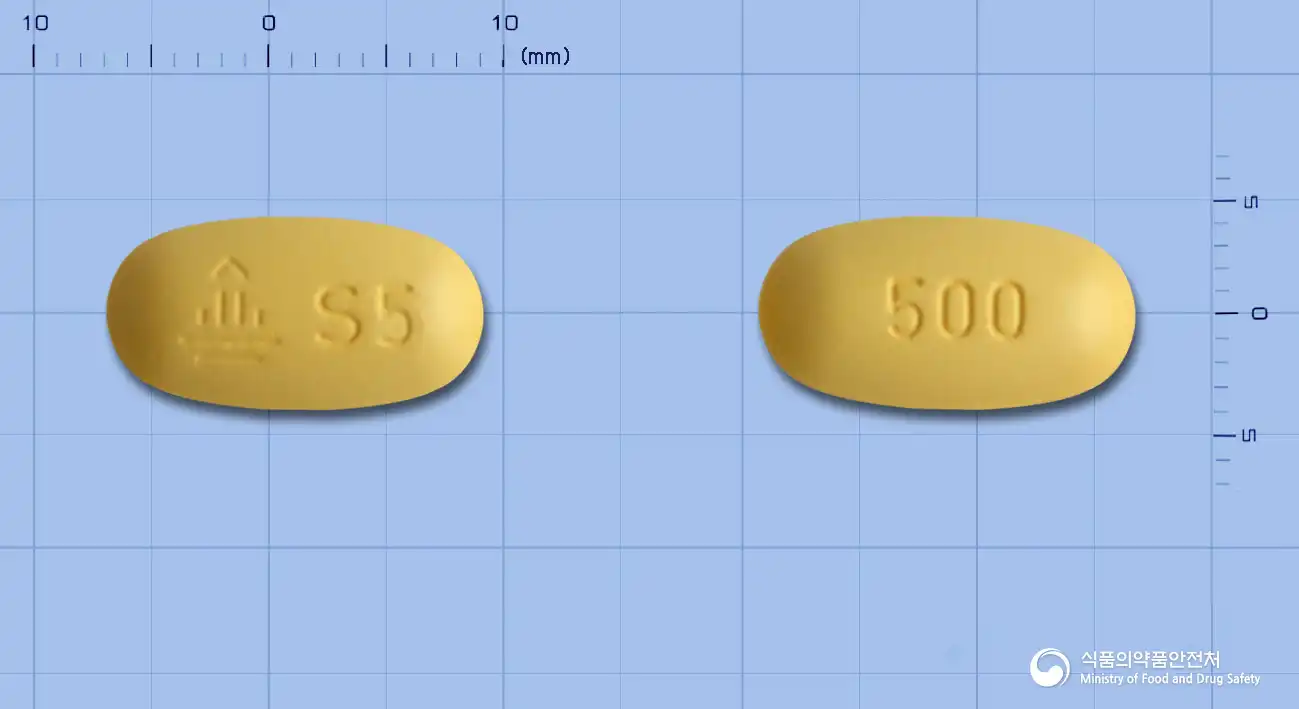 Combination
Empagliflozin 5mg · Metformin Hydrochloride 500mg
Tablet · Prescription medication · Combination
Boehringer Ingelheim Korea Co., Ltd.
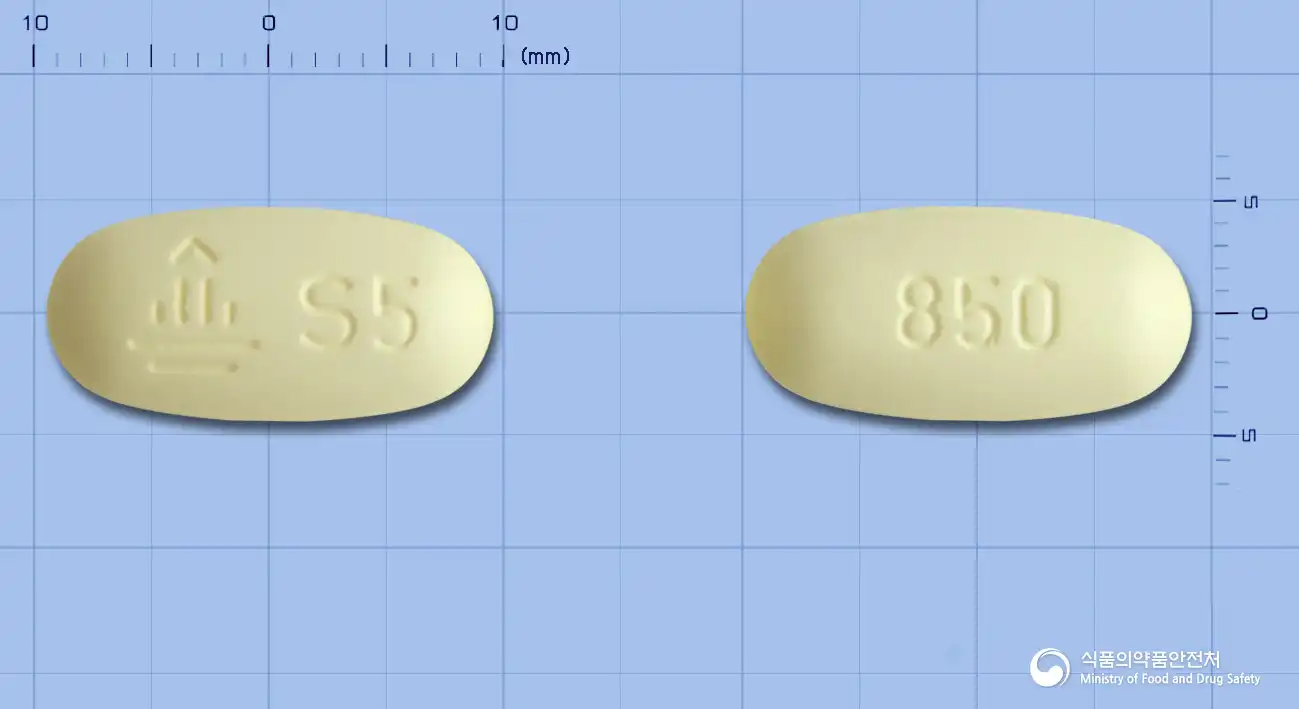 Combination
Empagliflozin 5mg · Metformin Hydrochloride 850mg
Tablet · Prescription medication · Combination
Boehringer Ingelheim Korea Co., Ltd.
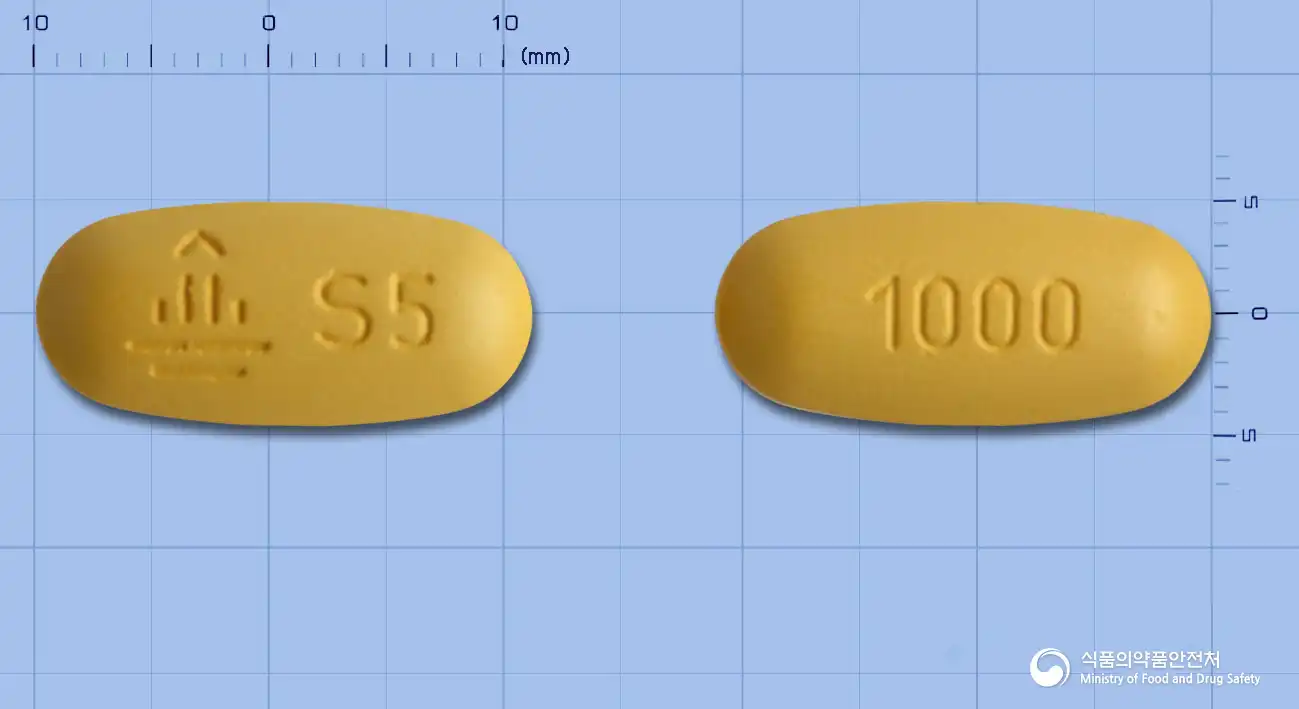 Combination
Empagliflozin 5mg · Metformin Hydrochloride 1000mg
Tablet · Prescription medication · Combination
Boehringer Ingelheim Korea Co., Ltd.
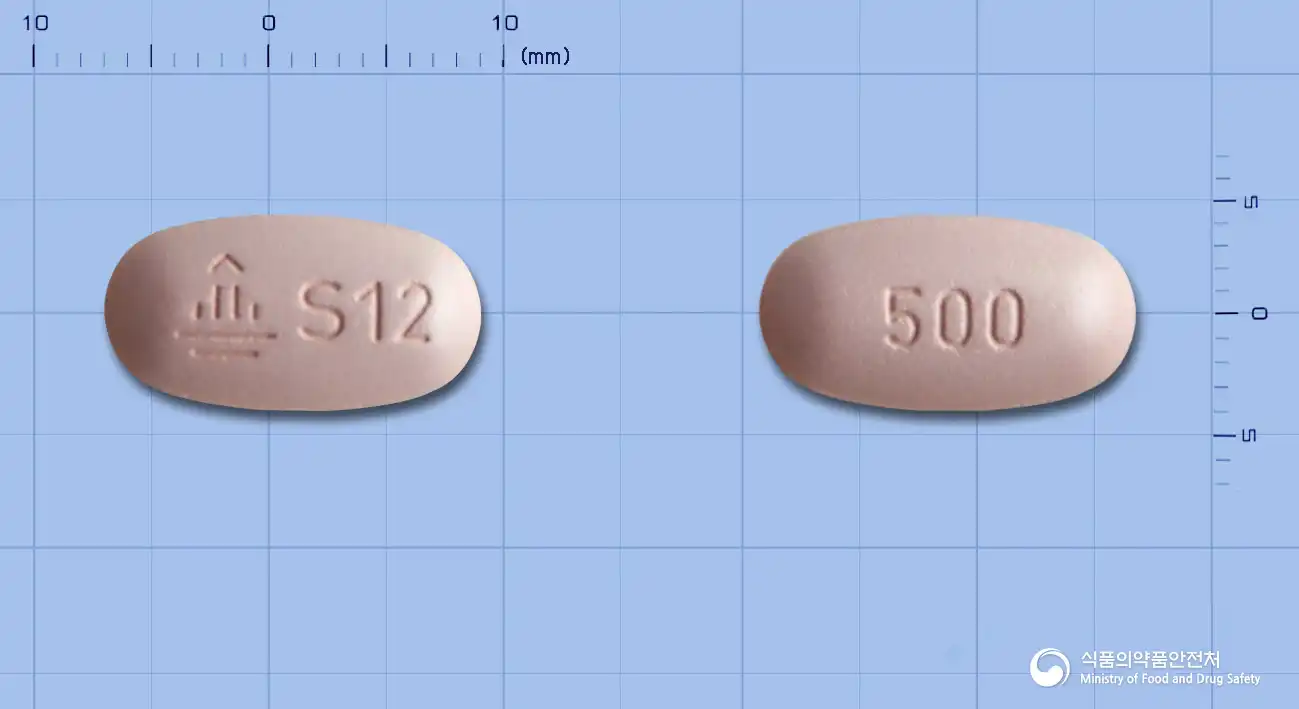 Combination
Empagliflozin 12.5mg · Metformin Hydrochloride 500mg
Tablet · Prescription medication · Combination
Boehringer Ingelheim Korea Co., Ltd.
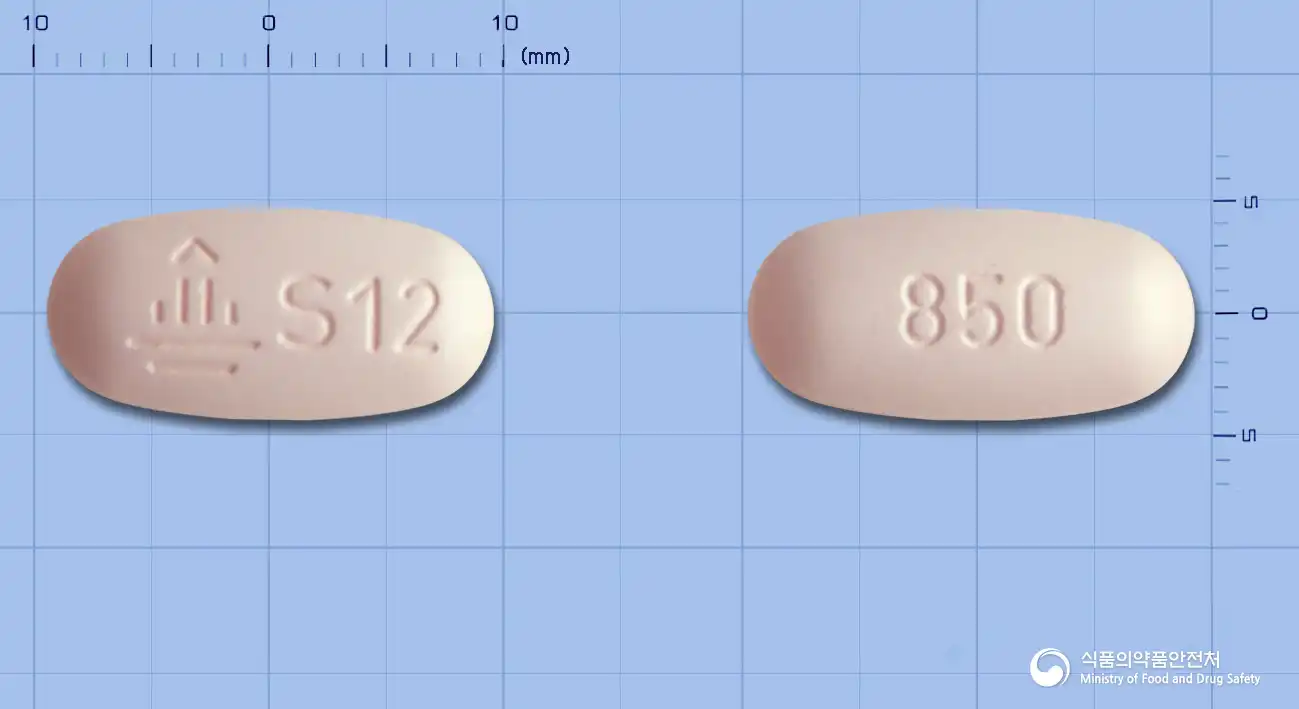 Combination
Empagliflozin 12.5mg · Metformin Hydrochloride 850mg
Tablet · Prescription medication · Combination
Boehringer Ingelheim Korea Co., Ltd.
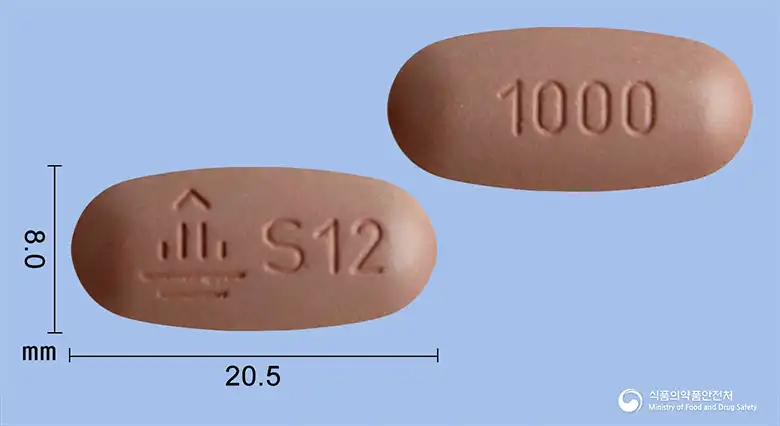 Combination
Empagliflozin 12.5mg · Metformin Hydrochloride 1000mg
Tablet · Prescription medication · Combination
Boehringer Ingelheim Korea Co., Ltd.
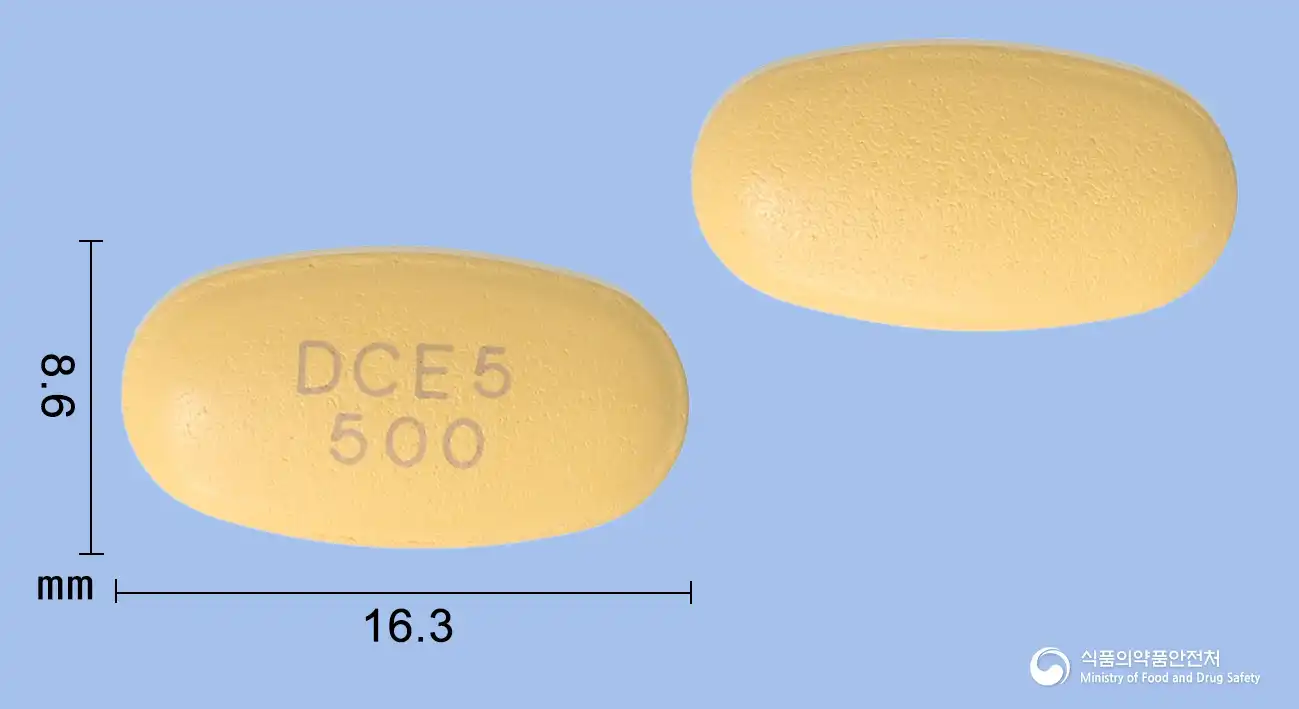 Combination
Empagliflozin 5mg · Metformin Hydrochloride 500mg
Tablet · Prescription medication · Combination
Donggu Bio Pharmaceutical Co., Ltd.
Even with the same ingredient, the dose and directions can differ by strength and dosage form. Talk to a doctor or pharmacist before switching from a medication you are already taking.
No questions yet.
For anything that needs medical judgment, consult a doctor or pharmacist.
This drug information is based on data provided by the Korea Ministry of Food and Drug Safety.
Consult a doctor or pharmacist for accurate dosage, administration, and usage instructions.