
 한국어
 English
 日本語
 中文(简体)
 Viewing now
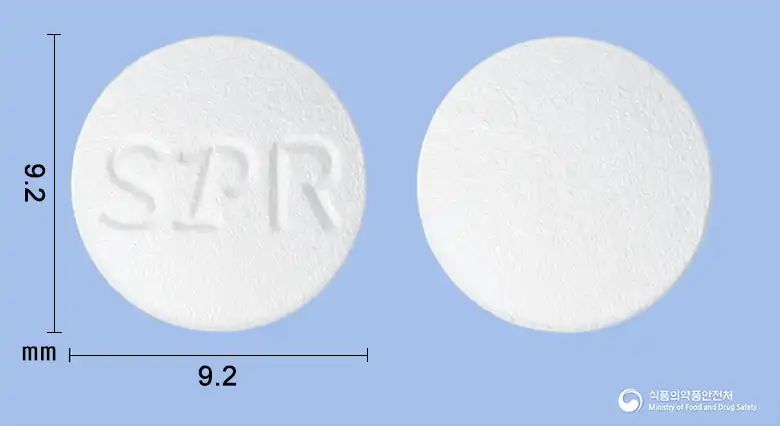
Roxagen Sustained Release Tablet 75mg (Roxatidine Acetate Hydrochloride)
Roxatidine Acetate Hydrochloride 75mg
Tablet · Prescription medication
Shinpoong Pharmaceutical Co., Ltd.
MFDS item code 202302536 · Approved 2023.08.28 · Insurance code 648508250
Treatment of gastric acid-related disorders (such as ulcers and reflux esophagitis), improvement of gastric mucosal lesions, and prevention of aspiration of gastric acid
This medicine is used to treat gastrointestinal diseases such as gastric and duodenal ulcers, reflux esophagitis, and Zollinger-Ellison syndrome. It is also administered as a preventive measure before anesthesia in patients at risk of gastric acid aspiration, especially in women undergoing childbirth. It improves lesions such as erosion, bleeding, redness, and swelling of the gastric mucosa during acute exacerbation of acute gastritis or chronic gastritis. This medicine helps effectively treat these various gastrointestinal diseases and related symptoms.
Adults 1) Gastric and duodenal ulcers, reflux esophagitis, Zollinger-Ellison syndrome: Administer roxatidine acetate hydrochloride 75mg orally twice daily after breakfast and dinner. For gastric and duodenal ulcers, 150mg may also be administered once daily in the evening. Gastric and duodenal ulcers generally heal within 4 weeks, but symptoms resolve within a few days. If healing has not occurred after 4 weeks of treatment, administer the same dose for an additional 2 weeks. For patients with impaired renal function and creatinine clearance of approximately 20-50ml/min, administer 75mg once daily in the evening. For patients with creatinine clearance of 20ml/min or less, administer 75mg every other day in the evening. 2) Acute gastritis or acute exacerbation of chronic gastritis: Administer 75mg once daily after the evening meal or at bedtime. 3) Preanesthetic administration: Administer 75mg twice (at bedtime on the day before surgery and 2 hours before induction of anesthesia on the day of surgery). Adjust the dose as appropriate according to age and symptoms.
This medication should not be used by individuals who are allergic to this drug or its ingredients. Additionally, this drug contains lactose, so individuals with a genetic condition that prevents them from digesting lactose should not take it. Patients with liver or kidney function problems should be cautious when using this medication. Especially in cases of reduced kidney function, the drug dosage should be reduced or the dosing interval should be increased. Elderly patients may also have decreased kidney function, thus the drug should be administered cautiously. Patients who have previously experienced hypersensitivity reactions to medications should also be careful. If shock symptoms, rashes, or itching occur during treatment, discontinue the medication immediately and consult a healthcare professional. If abnormalities are found in blood tests, treatment should be stopped and appropriate care should be taken. Liver function abnormalities or symptoms of digestive disorders should also be closely monitored. Neurological symptoms such as confusion, hallucination, drowsiness, and headache may rarely occur, so if these symptoms appear, inform your healthcare provider. If severe skin reactions occur, discontinue use immediately, and also be cautious about muscle-related adverse symptoms. This medication may interact with other drugs, so inform your healthcare provider if you are taking medications such as ketoconazole or midazolam. Women who are pregnant or may become pregnant should consult a doctor before taking this drug, and nursing mothers should avoid breastfeeding while on this medication. Safety has not been established for children under 14 years of age, so it should not be used in this population. This medication should be kept out of reach of children and transferring it to other containers should be avoided.
Not everyone experiences these, and they can vary from person to person.
This medication should be stored in a tightly sealed container to protect it from air and moisture. It is important to maintain the storage temperature between 1 to 30 degrees Celsius.
White round sustained-release film-coated tablet
Bottle - 30 tablets/bottle, Bottle - 250 tablets/bottle
Even with the same ingredient, strength, dosage form and how it is taken can differ.
Viewing nowRoxatidine Acetate Hydrochloride 75mg
Tablet · Prescription medication
Shinpoong Pharmaceutical Co., Ltd.
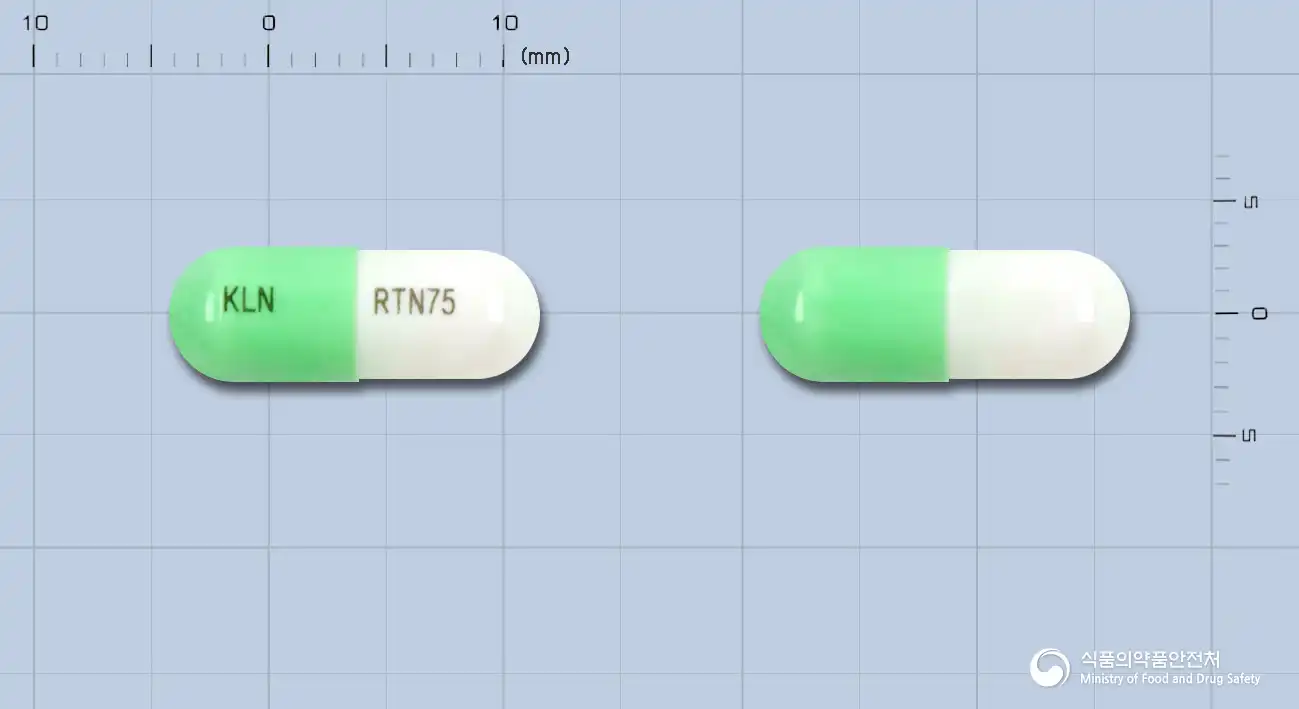
Roxatidine Acetate Hydrochloride 75mg
Hard capsule · Prescription medication
Kolon Pharmaceutical Co., Ltd.
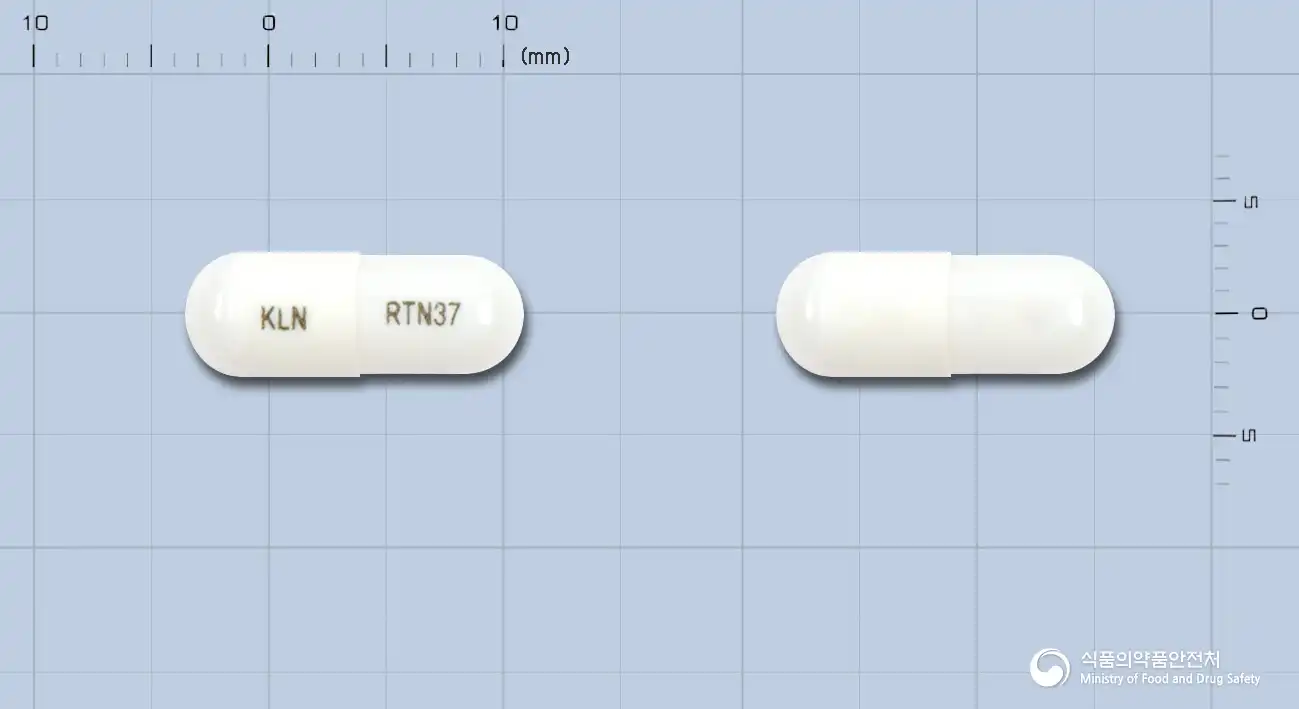
Roxatidine Acetate Hydrochloride 37.5mg
Hard capsule · Prescription medication
Kolon Pharmaceutical Co., Ltd.
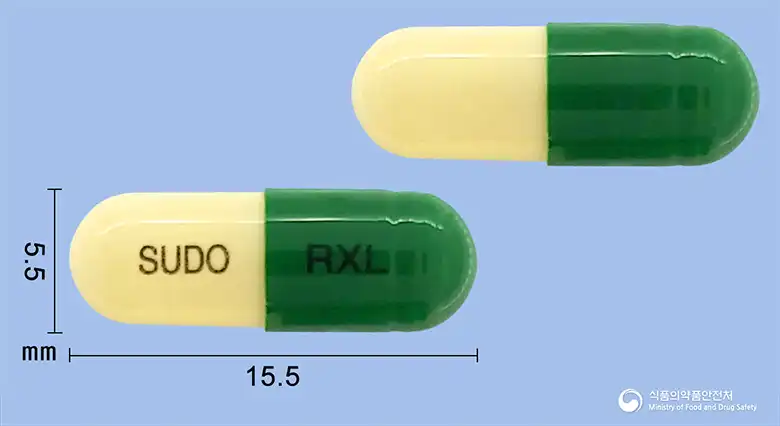
Roxatidine Acetate Hydrochloride 75mg
Hard capsule · Prescription medication
Palmgen Science Co., Ltd.
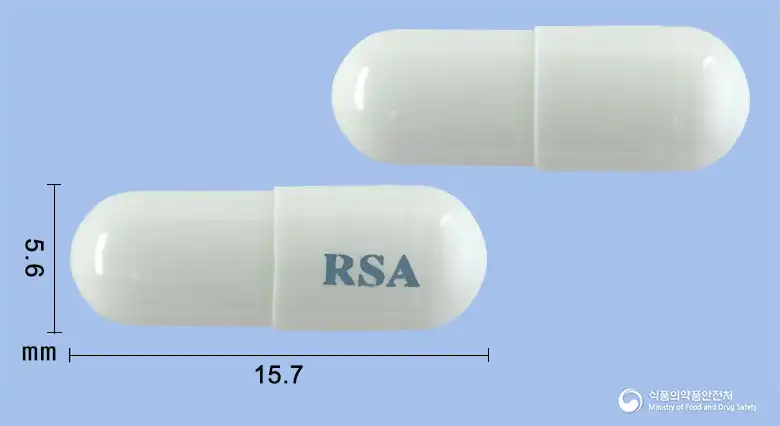
Roxatidine Acetate Hydrochloride 75mg
Hard capsule · Prescription medication
Dae Hwa Pharmaceutical Co., Ltd.
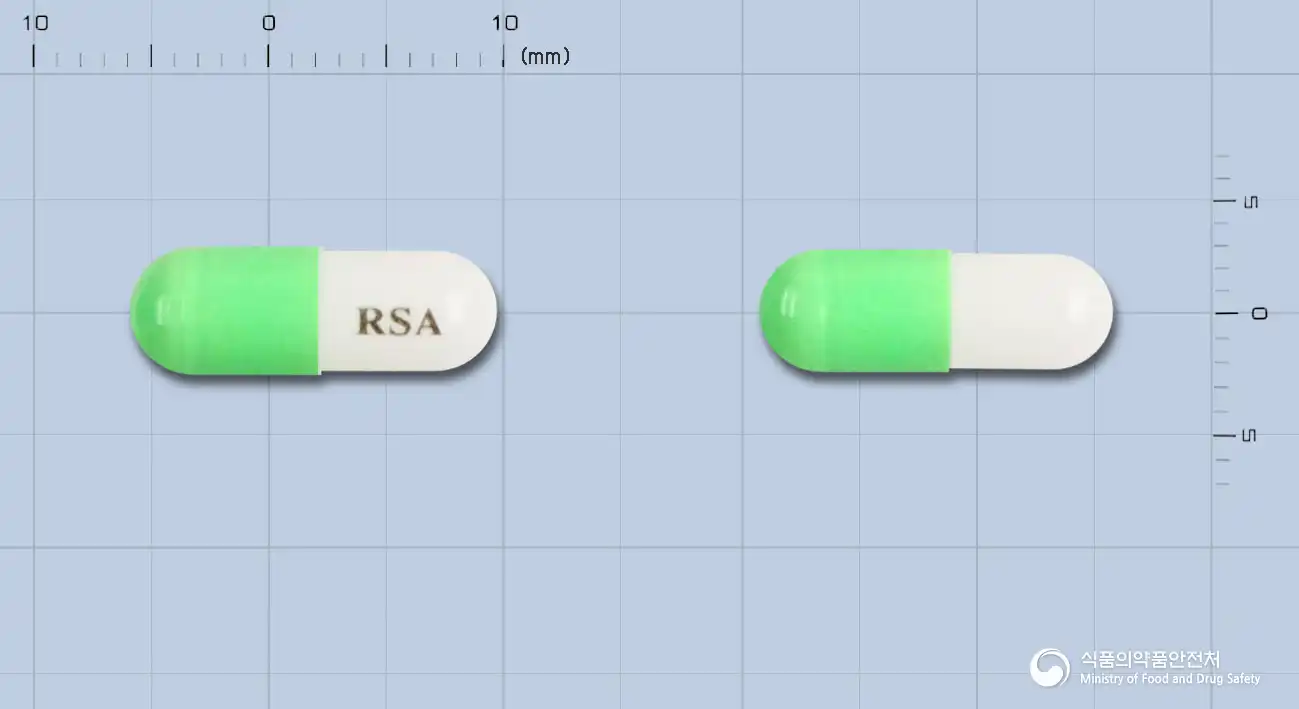
Roxatidine Acetate Hydrochloride 37.5mg
Hard capsule · Prescription medication
Dae Hwa Pharmaceutical Co., Ltd.
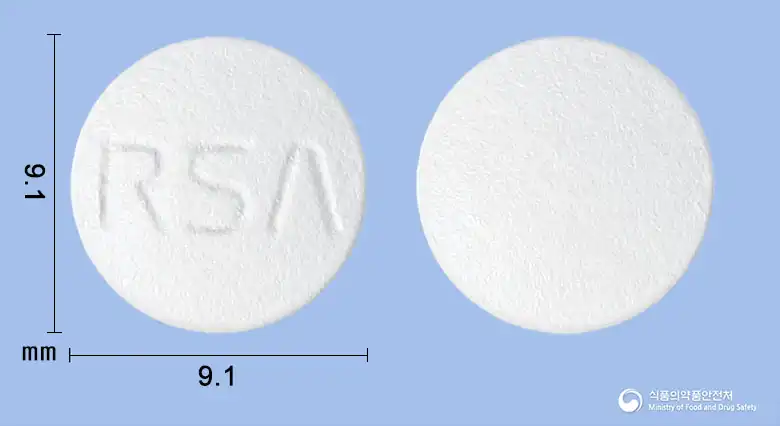
Roxatidine Acetate Hydrochloride 75mg
Tablet · Prescription medication
Dae Hwa Pharmaceutical Co., Ltd.
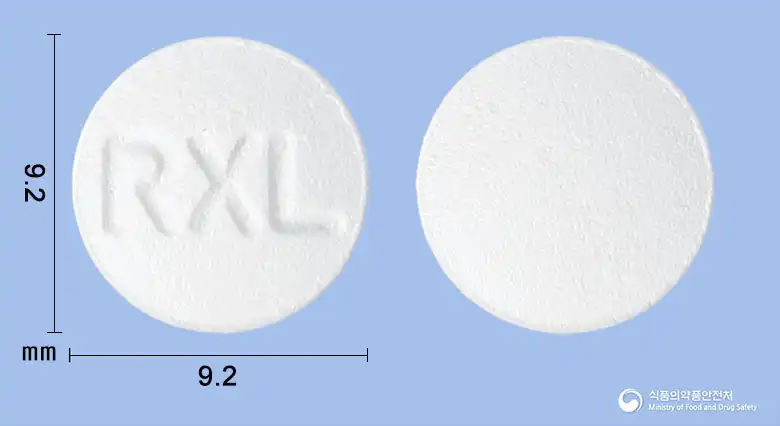
Roxatidine Acetate Hydrochloride 75mg
Tablet · Prescription medication
Palmgen Science Co., Ltd.
Even with the same ingredient, the dose and directions can differ by strength and dosage form. Talk to a doctor or pharmacist before switching from a medication you are already taking.
No questions yet.
For anything that needs medical judgment, consult a doctor or pharmacist.
This drug information is based on data provided by the Korea Ministry of Food and Drug Safety.
Consult a doctor or pharmacist for accurate dosage, administration, and usage instructions.