Medication info
Asbon Plus Tablets

Asbon Plus Tablets

Prescription medicationTabletOral
Ingredient · strength
Celecoxib›100mg / 1 tabletAngelica Gigas Root·Chaenomelis Fructus·Saposhnikovia Root·Dipsaci Radix·Acanthopanax Root Bark·Achyranthes Root·Clematidis Radix·Cinnamon Bark·Gentianae Macrophyllae Radix·Cnidium Rhizome·Gastrodia Rhizome·Safflower 25% Ethanol Soft Extract (3.5→1)›405.4mg / 1 tablet
Manufacturer / importer
Samjin Pharmaceutical Co., Ltd.
Appearance
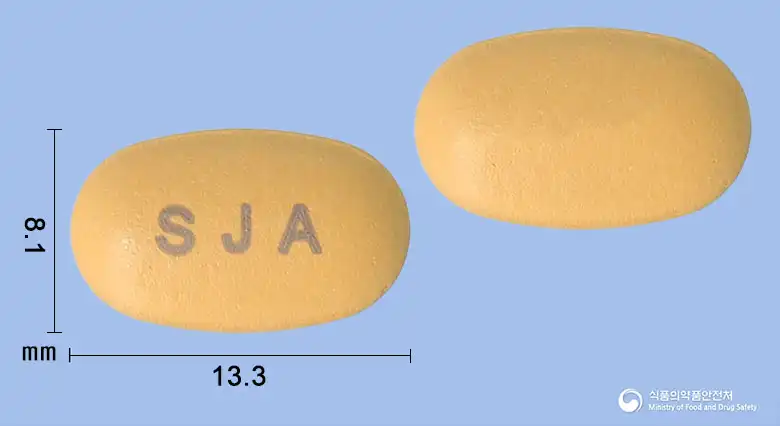
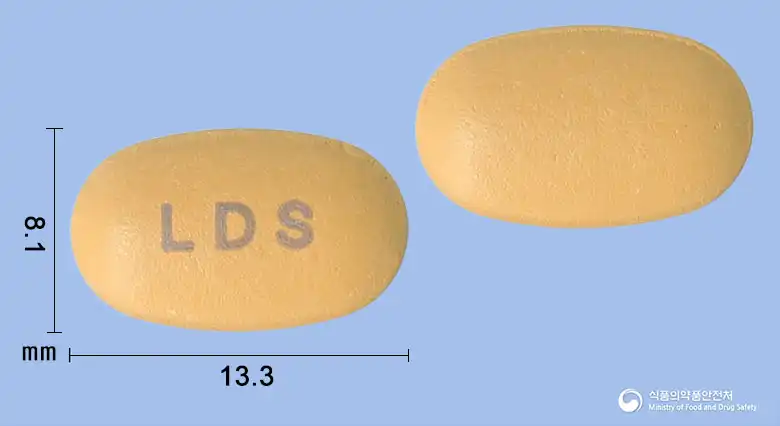
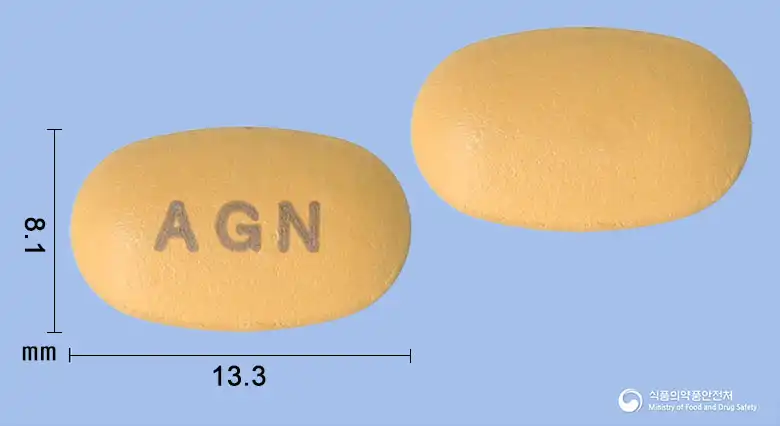
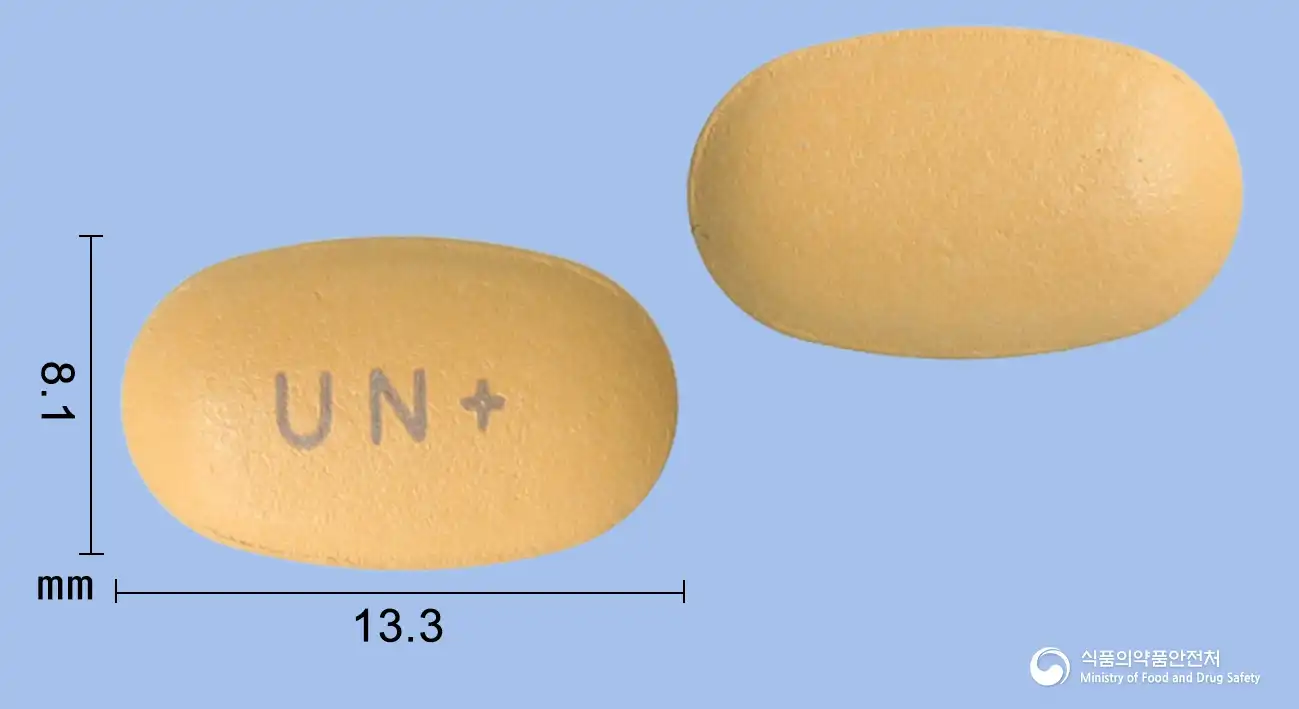
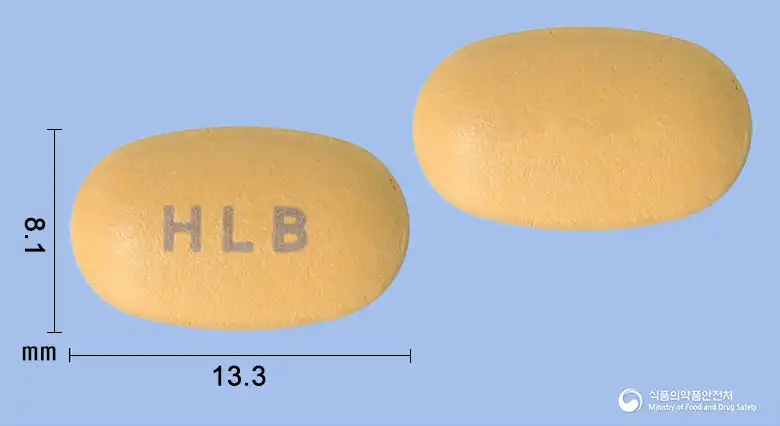
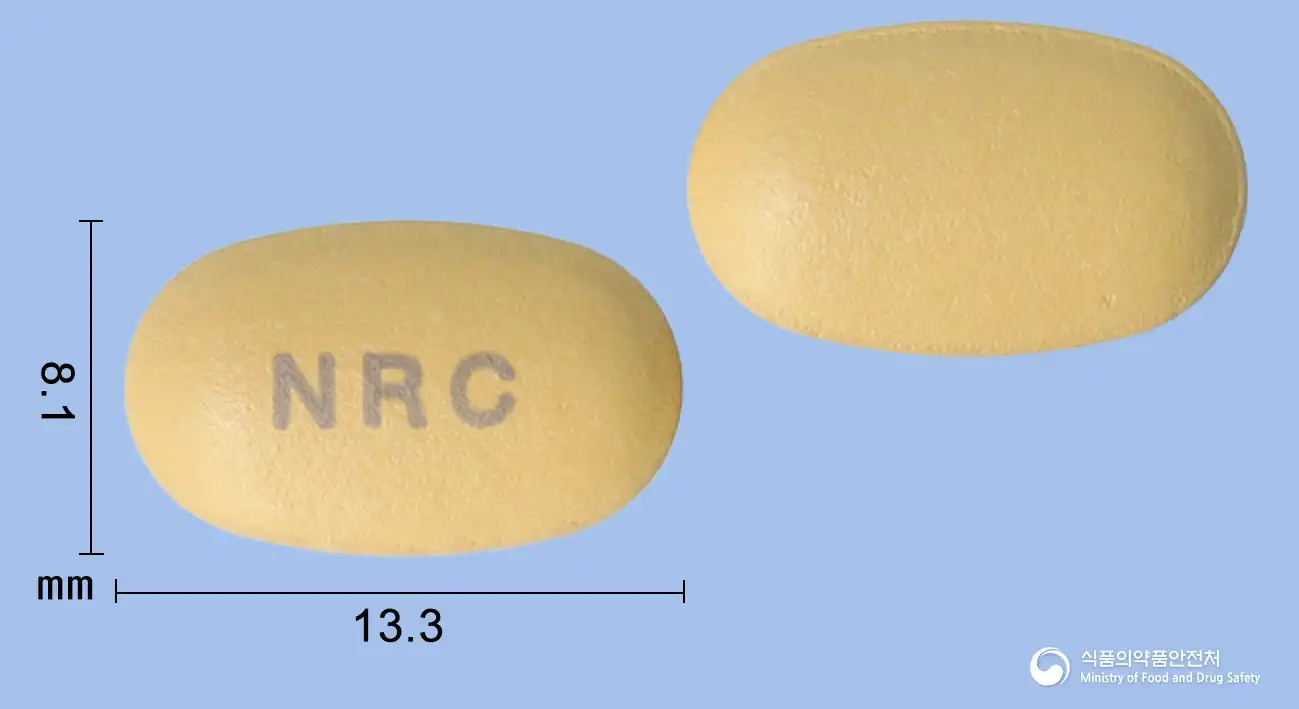
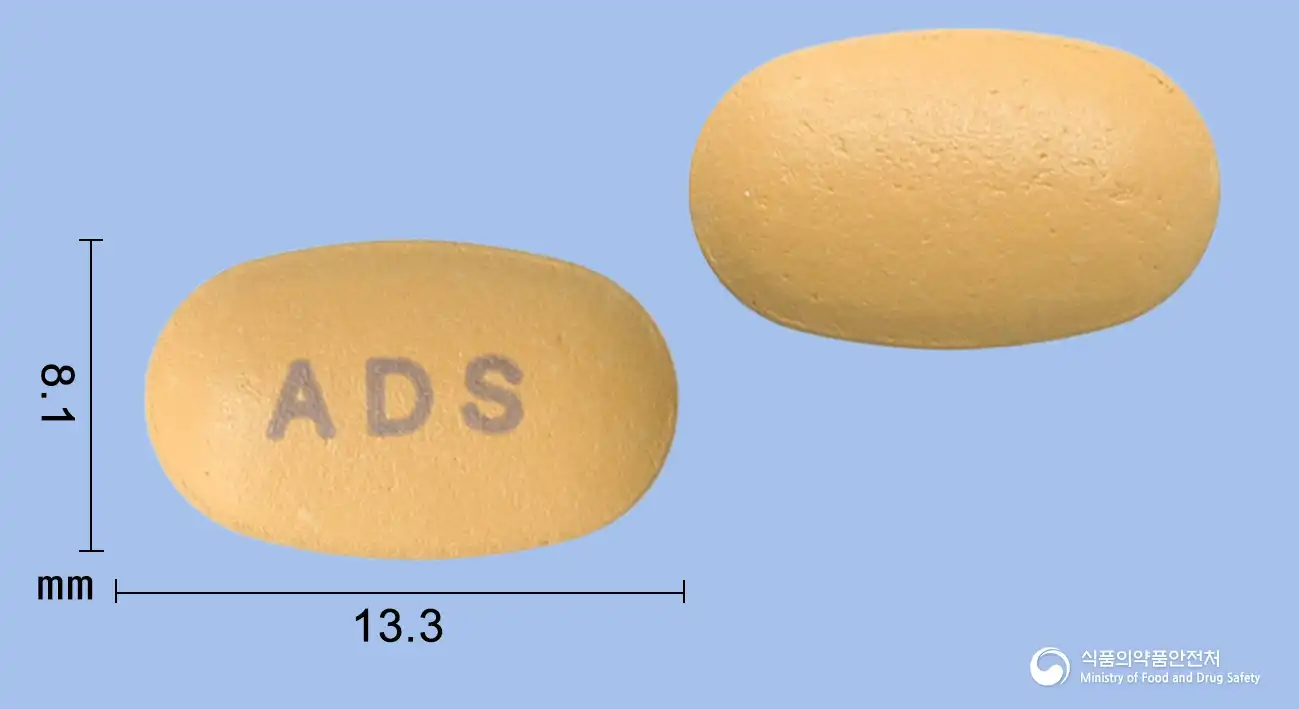
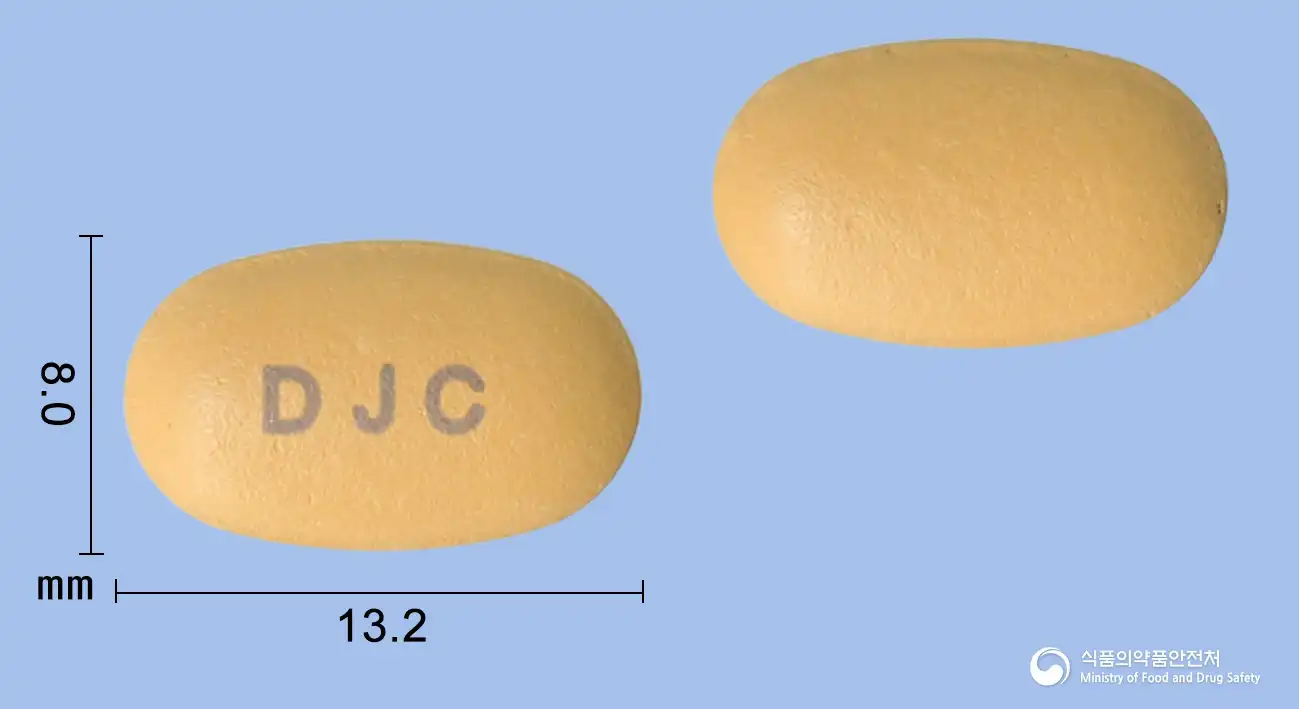
Yellow, rectangular film-coated tablets made of two layers
Packaging
30 tablets/bottle, 300 tablets/bottle
Approval status
Active

MFDS item code 202302411 · Approved 2023.08.10 · Insurance code 647805650

Summary

Main use
Relief of the symptoms and signs of osteoarthritis (degenerative arthritis)
Who takes it
Adults
Adult dose
Adults: Take 1 tablet twice daily. This medicine may be taken with or without food. Take this medicine whole; do not crush or split it. ○ Patients with hepatic impairment This medicine is not recommended for initial treatment in patients with hepatic impairment who require a dose reduction (see Precautions for Use, 5. General Precautions)

Ingredients

Manufacturer
Samjin Pharmaceutical Co., Ltd.

Efficacy & effects

Relief of the symptoms and signs of osteoarthritis (degenerative arthritis)

  • Symptoms and signs of osteoarthritis
  • degenerative arthritis
View approved original text

Osteoarthritis, or degenerative arthritis, causes symptoms such as joint pain, stiffness, and limited mobility. This medication helps alleviate these symptoms so that patients can carry out their daily activities more comfortably. It is used to reduce joint inflammation and pain, improve movement, and maintain joint function.

How to take

Adult dose

Adults: Take 1 tablet twice daily. This medicine may be taken with or without food. Take this medicine whole; do not crush or split it. ○ Patients with hepatic impairment This medicine is not recommended for initial treatment in patients with hepatic impairment who require a dose reduction (see Precautions for Use, 5. General Precautions)

Precautions

This medication should be taken with caution by individuals who consume more than three drinks daily, as it may result in gastrointestinal bleeding; consultation with a doctor or pharmacist is essential. This medication may increase the risk of significant thrombotic events or myocardial infarction and stroke; therefore, it should only be used at the lowest effective dose for the shortest duration. During treatment, if symptoms indicative of cardiovascular issues such as chest pain, shortness of breath, weakness, or speech disturbances appear, immediate consultation with healthcare personnel is necessary. This medication can increase the risk of gastrointestinal perforations, ulcers, and bleeding, and special caution is advised for the elderly or patients with a history of gastrointestinal disorders. If symptoms such as epigastric pain, indigestion, black stools, or hematemesis occur, immediate notification and treatment by healthcare personnel are required. This medication is not to be administered to patients with allergies to certain ingredients, or severe cardiovascular, liver, kidney disorders, active peptic ulcers, inflammatory bowel diseases, or congestive heart failure. Women who are pregnant or may become pregnant, breastfeeding women, and individuals with certain genetic lactose intolerance should also avoid this medication. Patients with impaired liver or kidney function, asthma, hypertension, heart failure, or the elderly should take this medication with caution and require regular monitoring and testing. This medication can cause a variety of adverse reactions, including indigestion, headache, skin rash, edema, liver function abnormalities, and decreased kidney function. Particularly, if skin rashes, mucosal lesions, blisters, fever, or itching occur, discontinuation of the medication should be considered, and consultation with a specialist is advised. This medication may interact with other drugs, so patients should inform healthcare personnel of any other medications being taken, especially when combined with antihypertensives, anticoagulants, diuretics, or antidepressants. Taking this medication during pregnancy may pose risks to the fetus, so women who are pregnant or planning to become pregnant should not take it. Breastfeeding women should also consider discontinuing breastfeeding or stopping this medication due to potential effects on the infant through breast milk. The safety and efficacy of this medication in children and adolescents under the age of 18 have not been established. Elderly patients are more likely to have decreased kidney, liver, and heart function, necessitating more careful monitoring during use. Patients may experience dizziness or drowsiness; hence, it is advisable to refrain from driving or operating machinery. For patients on long-term therapy, regular blood tests and tests for liver and kidney function should be performed to check for abnormalities. In case of overdose, symptoms may include lethargy, drowsiness, nausea, vomiting, and gastrointestinal bleeding, necessitating immediate medical attention. This medication should be kept out of reach of children, and transferring it to another container is not recommended as it may affect quality.

Side effects

Gastrointestinal bleeding, cardiovascular thrombotic reaction, myocardial infarction, stroke, perforation of the upper and lower gastrointestinal tract, ulcer, bleeding, dyspepsia, nausea, abdominal pain, constipation, diarrhea, dry mouth, esophageal pain, stomatitis, COVID-19, acute pyelonephritis, facial swelling, pain at the site of insertion, peripheral edema, fever, pruritus, psoriasis, rash, skin swelling, elevated alanine aminotransferase, elevated aspartate aminotransferase, increased blood pressure, elevated serum uric acid, increased gamma-glutamyl transferase, arthralgia, back pain, coccygodynia, flank pain, headache, carpal tunnel syndrome, lymphadenopathy, cholelithiasis, bronchitis, sinusitis, upper respiratory infection, urinary tract infection, pharyngitis, rhinitis, insomnia, anxiety, confusional state, dizziness, muscle tension, drowsiness, blurred vision, tinnitus, palpitations, congestive heart failure, arrhythmia, tachycardia, hypertension, flushing, cough, vomiting, abdominal pain, distension, gastric ulcer, dental disease, duodenal ulcer, esophageal ulcer, intestinal perforation, pancreatitis, elevated liver enzymes, itching, urticaria, petechiae, angioedema, alopecia, vesicular dermatosis, peripheral edema, facial edema, influenza-like illness, injury, decreased hematocrit, increased hemoglobin, petechiae, nosebleed, thrombocytopenic purpura, anemia, agranulocytosis, aplastic anemia, pancytopenia, leukopenia, vasculitis, contact dermatitis, subcutaneous nodules, taste disturbance, albuminuria, cystitis, hematuria, dysuria, polyuria, nephrolithiasis, urinary incontinence, blurred vision, cataract, conjunctivitis, eye pain, glaucoma, ocular hemorrhage, retinal artery or vein occlusion, increased serum creatinine, increased β2-microglobulin, increased NAG, positive urinary hematuria, positive urinary protein, renal dysfunction, acute renal failure, interstitial nephritis, menstrual disorders, chest pain, heartburn, weakness, hypertriglyceridemia, hypercholesterolemia, transaminitis, increased ALT, increased AST, leukopenia, neutropenia, chest discomfort, blurry vision, gastrointestinal bleeding, hepatitis, liver failure, fulminant hepatitis, hepatic necrosis, cholestasis, cholestatic hepatitis, jaundice, Stevens-Johnson syndrome, toxic epidermal necrolysis, drug rash, acute generalized exanthematous pustulosis, exfoliative dermatitis, acute renal failure, hyponatremia, tubular interstitial nephritis, nephrotic syndrome, minimal change disease, female infertility, anaphylactic reaction, hallucinations, cerebral hemorrhage, aseptic meningitis, loss of taste, loss of smell, pulmonary embolism, interstitial pneumonia, vasculitis, headache, dizziness, thirst, gastritis, gastrointestinal pain, gastroesophageal reflux, epigastric discomfort, unrelated epigastric pain, insomnia, abnormal sputum, bronchitis, rib fracture, tendinitis, leg fracture, polymyalgia rheumatica, neck/shoulder pain, non-inflammatory joint swelling, dysuria, renal cyst, pyelonephritis, influenza-like syndrome, hair loss, fatty liver, liver abscess, benign prostatic hyperplasia, intracranial hemorrhage, mitral valve insufficiency, burns, sensory disturbance, depression, bitter taste, bruising

Not everyone experiences these, and they can vary from person to person.

Storage

This medication should be stored in a tightly closed container to protect it from air and moisture, and should be kept at a temperature between 1 degree and 30 degrees Celsius.

Appearance and packaging

Appearance

Yellow, rectangular film-coated tablets made of two layers

Package unit

30 tablets/bottle, 300 tablets/bottle

Same-ingredient medicines

Even with the same ingredient, strength, dosage form and how it is taken can differ.

Even with the same ingredient, the dose and directions can differ by strength and dosage form. Talk to a doctor or pharmacist before switching from a medication you are already taking.

Questions about this medicine

No questions yet.

For anything that needs medical judgment, consult a doctor or pharmacist.

Related searches

Search tags

Suggested searches

This drug information is based on data provided by the Korea Ministry of Food and Drug Safety.
Consult a doctor or pharmacist for accurate dosage, administration, and usage instructions.