Medication info
Coxduo Tablet

Coxduo Tablet

Prescription medicationTabletOral
Ingredient · strength
Celecoxib›100mg / 1 tabletAngelica Gigas Root·Chaenomelis Fructus·Saposhnikovia Root·Dipsaci Radix·Acanthopanax Root Bark·Achyranthes Root·Clematidis Radix·Cinnamon Bark·Gentianae Macrophyllae Radix·Cnidium Rhizome·Gastrodia Rhizome·Safflower 25% Ethanol Soft Extract (3.5→1)›405.4mg / 1 tablet
Manufacturer / importer
Kwang Dong Pharmaceutical Co., Ltd.
Appearance
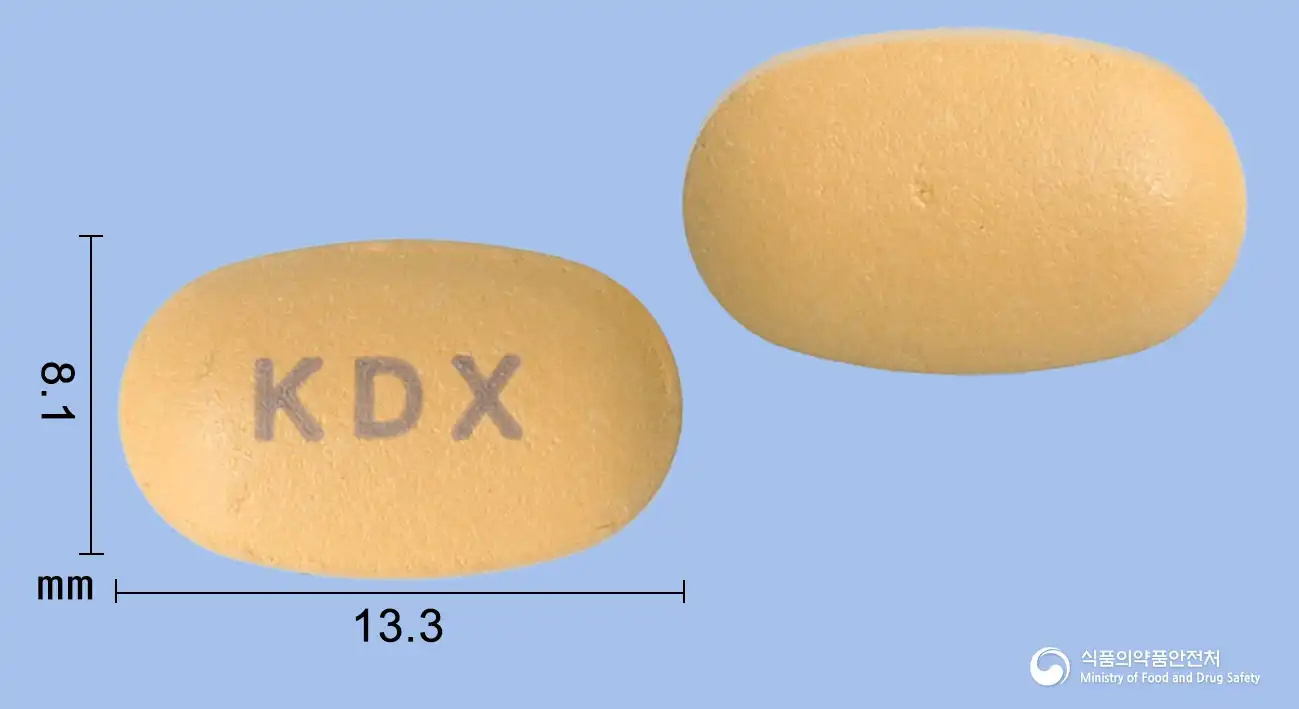
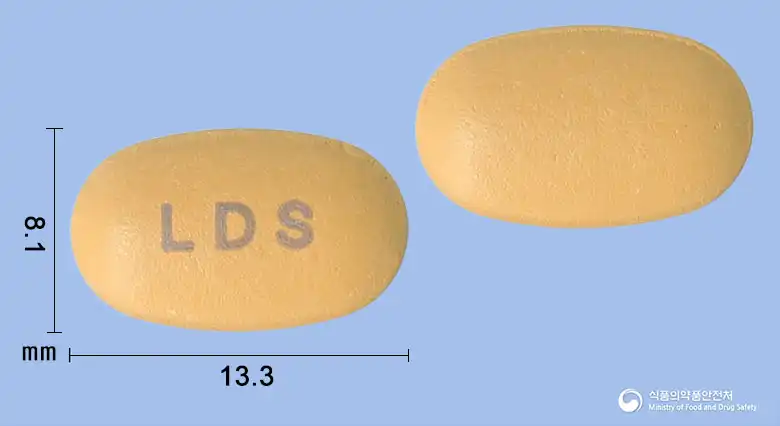
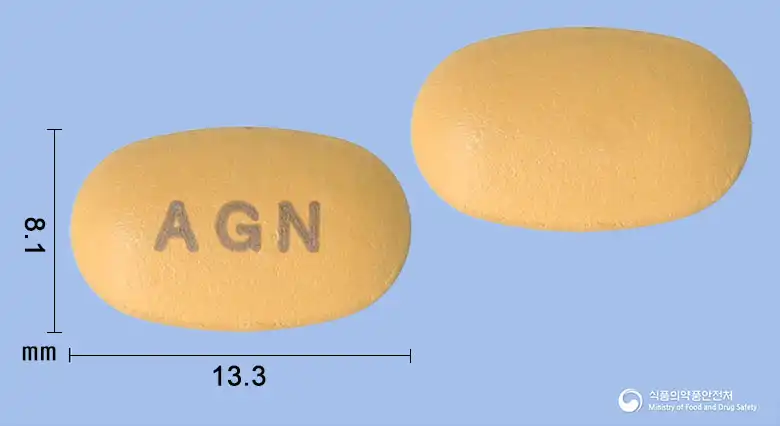
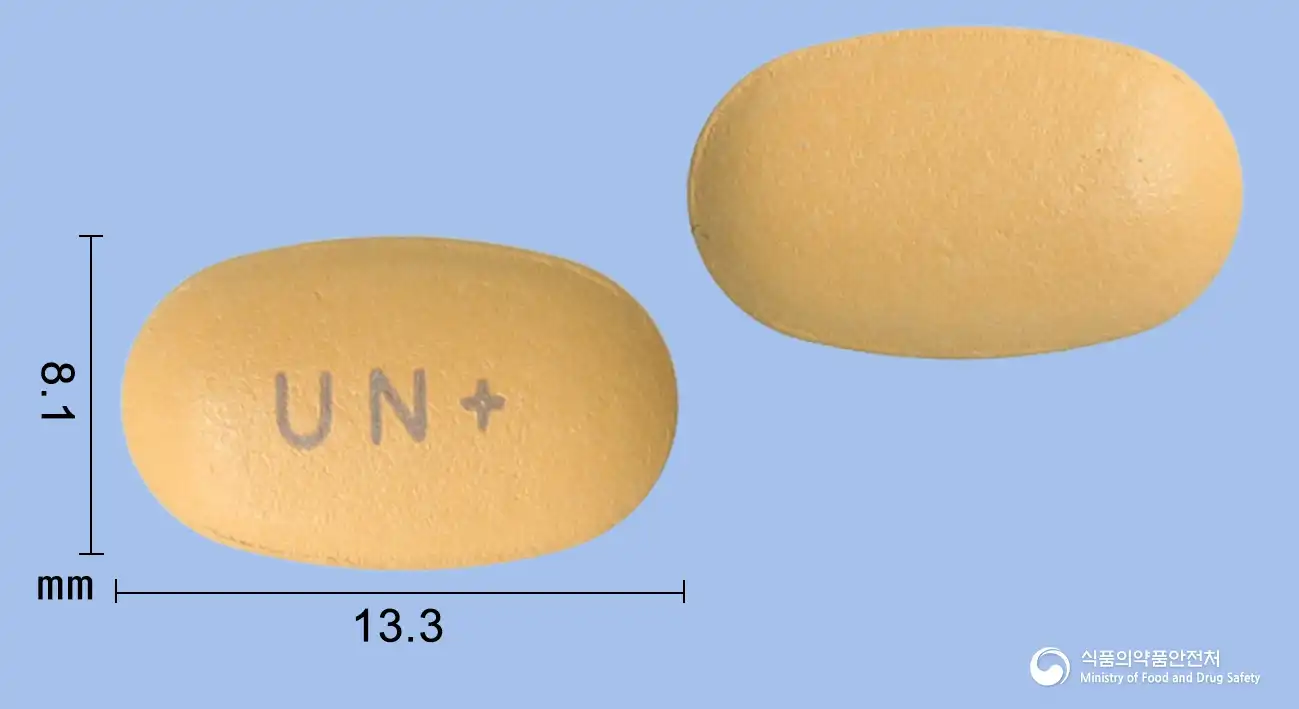
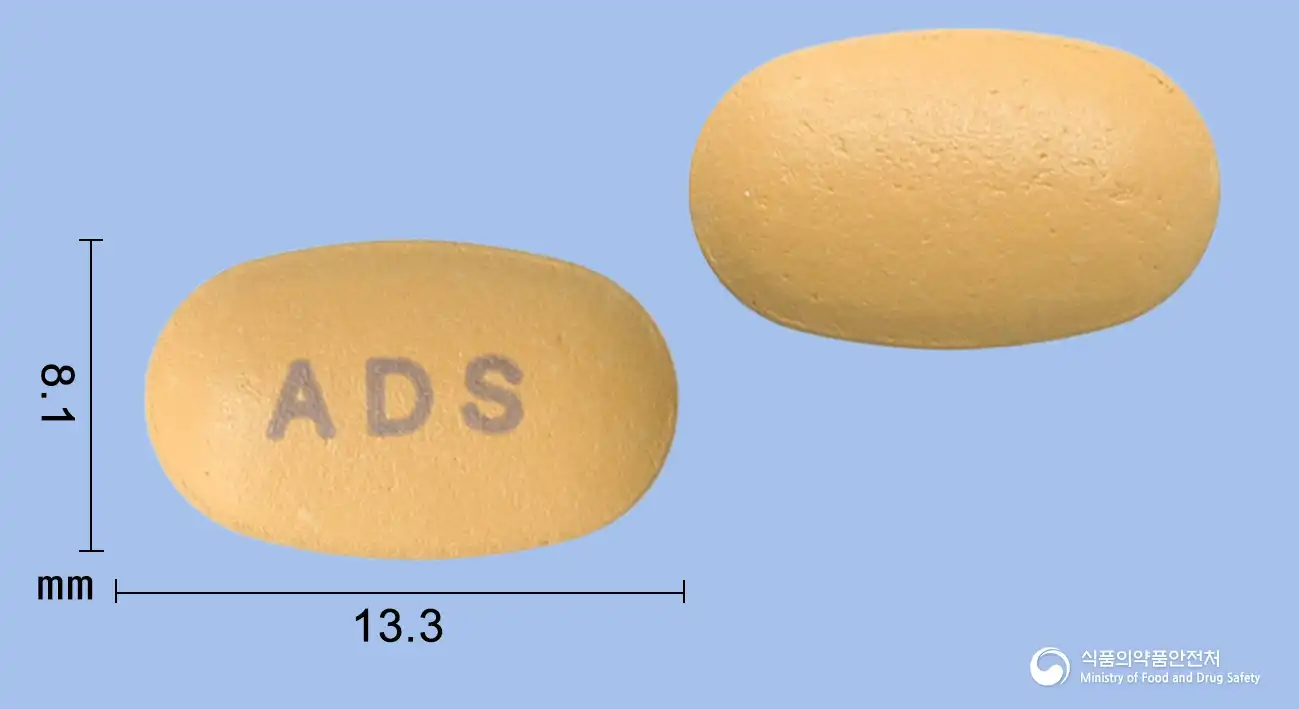
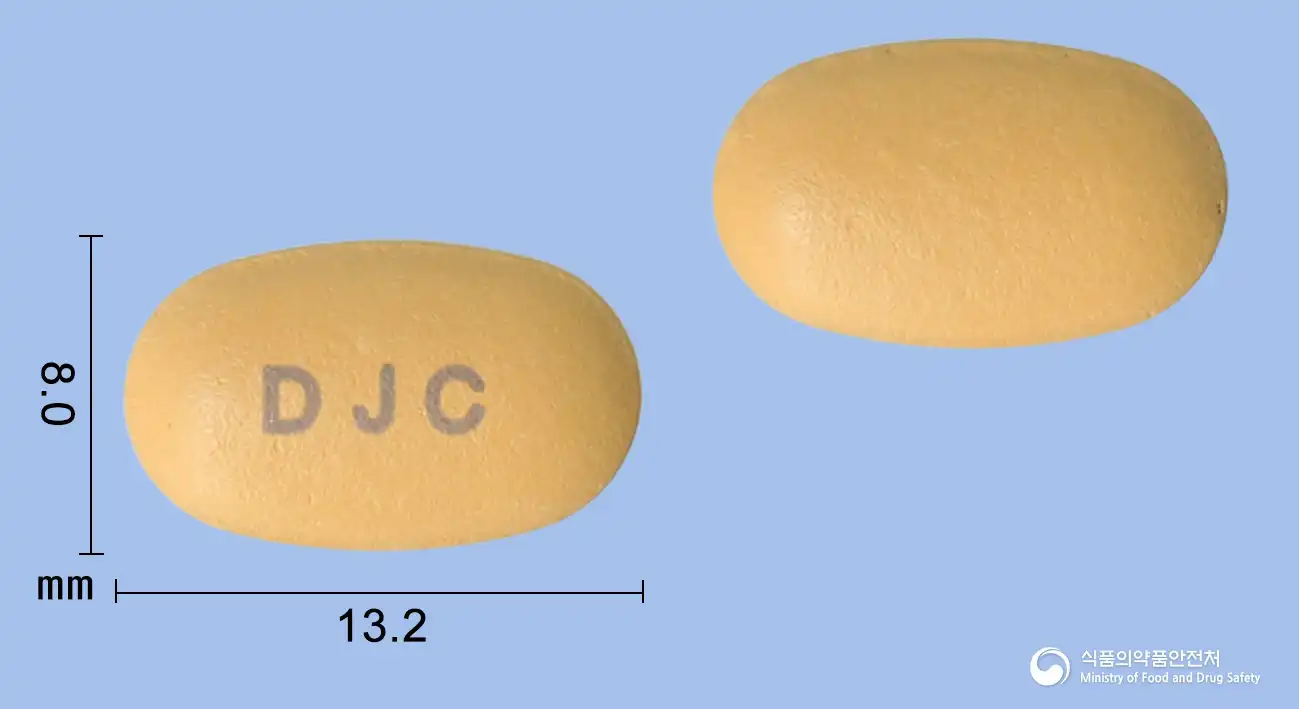
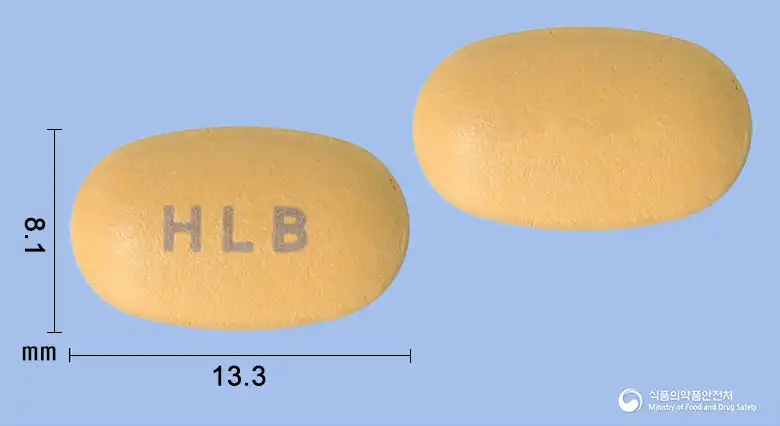
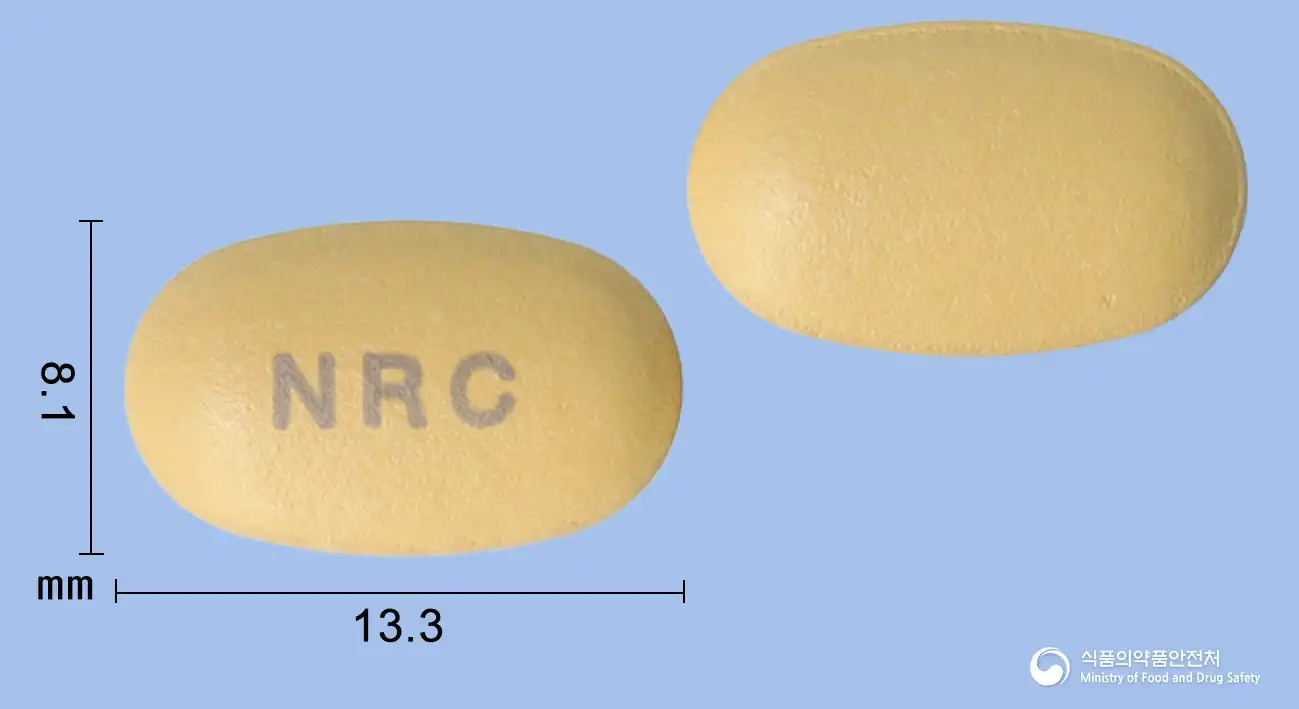
Yellow rectangular film-coated tablet composed of two layers
Packaging
30 tablets/bottle, 300 tablets/bottle
Approval status
Active

MFDS item code 202302408 · Approved 2023.08.10 · Insurance code 641807310

Summary

Main use
Relief of the symptoms and signs of osteoarthritis (degenerative arthritis)
Who takes it
Adults
Adult dose
Adults: Take 1 tablet twice daily. This medicine may be taken with or without food. Take this medicine whole; do not crush or split it. ○ Patients with hepatic impairment This medicine is not recommended for initial treatment in patients with hepatic impairment who require a dose reduction (see Precautions for Use, 5. General Precautions)

Ingredients

Manufacturer
Kwang Dong Pharmaceutical Co., Ltd.
Efficacy & effects

Relief of the symptoms and signs of osteoarthritis (degenerative arthritis)

  • Symptoms of osteoarthritis
  • signs of degenerative joint disease
  • signs of osteoarthritis
  • signs of degenerative joint disease
View approved original text

This medicine helps in alleviating the pain and inflammation of osteoarthritis, also known as degenerative joint disease, improving symptoms. It reduces joint stiffness and movement limitations, thereby minimizing discomfort in daily life. As a result, it assists patients in maintaining better joint functionality. Therefore, this medication is used for the overall relief of osteoarthritis symptoms.

How to take

Adult dose

Adults: Take 1 tablet twice daily. This medicine may be taken with or without food. Take this medicine whole; do not crush or split it. ○ Patients with hepatic impairment This medicine is not recommended for initial treatment in patients with hepatic impairment who require a dose reduction (see Precautions for Use, 5. General Precautions)

Precautions

This drug may pose a risk of gastrointestinal bleeding in individuals who regularly consume three or more alcoholic beverages daily; thus, consultation with a doctor or pharmacist is essential. This drug may increase the risk of cardiovascular diseases, potentially leading to serious cardiovascular issues such as myocardial infarction or stroke; therefore, it should only be used at the minimal dosage and duration necessary. Serious complications such as gastrointestinal perforation, ulcers, and bleeding may arise; individuals with a history of gastrointestinal diseases or the elderly should take this medication with extra caution. This drug is contraindicated for those with specific allergies or hypersensitivity, severe heart, liver, or kidney diseases, active peptic ulcer, as well as pregnant or nursing women. Patients with reduced liver or kidney function, asthma, hypertension, or heart failure should take extra precautions while using this medication and undergo regular examinations as advised by their doctor. During treatment, side effects such as headaches, indigestion, abdominal pain, skin rashes, swelling, and hypertension may occur; if symptoms are severe, immediate consultation with medical personnel is necessary. This drug can interact with other medications; therefore, if you are currently taking any other medicines, it is essential to inform your healthcare provider, especially when combining with antihypertensives, anticoagulants, diuretics, antidepressants, etc. Women who are pregnant or planning to become pregnant should not take this medication, and if pregnancy is confirmed while taking it, they should stop immediately and consult their doctor. Elderly patients are likely at increased risk for reduced kidney and liver function; hence, careful observation and management are necessary when using this medication. Regular blood tests, liver function tests, and kidney function tests should be conducted during therapy to check for abnormalities; if any signs are detected, the medication should be stopped immediately. Dizziness or drowsiness may occur after taking this medication; thus, caution is advised when driving or operating machinery. In case of overdose, symptoms such as nausea, vomiting, and lethargy may appear; in such cases, immediate medical attention should be sought.

Side effects

gastrointestinal bleeding, cardiovascular thrombotic reactions, myocardial infarction, stroke, upper and lower gastrointestinal perforation, ulcers, bleeding, dyspepsia, nausea, upper abdominal pain, constipation, diarrhea, dry mouth, esophageal pain, stomatitis, COVID-19, acute pyelonephritis, facial edema, pain at the insertion site, peripheral edema, fever, pruritus, psoriasis, rash, skin swelling, elevated alanine aminotransferase, elevated aspartate aminotransferase, elevated blood pressure, elevated blood uric acid, elevated gamma-glutamyl transferase, arthralgia, back pain, coccygodynia, flank pain, headache, carpal tunnel syndrome, lymphadenopathy, cholelithiasis, bronchitis, sinusitis, upper respiratory tract infection, urinary tract infection, pharyngitis, rhinitis, anemia, thrombocytopenia, hypersensitivity, insomnia, anxiety, delirium, dizziness, muscle hypertonicity, drowsiness, blurred vision, tinnitus, palpitations, congestive heart failure, arrhythmia, tachycardia, hypertension, flushing, cough, vomiting, abdominal pain, bloating, gastric ulcer, dental disease, duodenal ulcer, esophageal ulcer, intestinal perforation, pancreatitis, elevated liver enzymes, itching, urticaria, angioedema, alopecia, blistering dermatitis, peripheral edema, facial edema, influenza-like illness, injury, vesicular dermatitis, petechiae, angioedema, alopecia, vasculitis, pulmonary embolism, interstitial pneumonia, gastrointestinal bleeding, hepatitis, hepatic failure, fulminant hepatitis, hepatic necrosis, cholestasis, cholestatic hepatitis, jaundice, Stevens-Johnson syndrome, toxic epidermal necrolysis, drug eruption, acute generalized exanthematic pustulosis, folliculitis, contact dermatitis, injection site reaction, skin nodules, dysgeusia, albuminuria, cystitis, hematuria, dysuria, polyuria, nephrolithiasis, urinary incontinence, blurred vision, cataract, conjunctivitis, eye pain, glaucoma, ocular hemorrhage, retinal artery or vein occlusion, increased serum creatinine, elevated β2-microglobulin, elevated NAG, positive urine hematuria, positive urine protein, renal dysfunction, acute renal failure, interstitial nephritis, menstrual disorders, insomnia, heartburn, dry mouth, nausea, diarrhea, malaise, hypertriglyceridemia, hypercholesterolemia, transaminitis, elevated ALT, elevated AST, itching, leukopenia, headache, upper respiratory tract infection, blurred vision, gastritis, gastroesophageal reflux, edema, loss of appetite, nausea, vomiting, diarrhea

Not everyone experiences these, and they can vary from person to person.

Storage

This medication should be stored in a tightly closed container to avoid exposure to air or moisture. It is advisable to maintain storage temperatures between 1 to 30 degrees Celsius.

Appearance and packaging

Appearance

Yellow rectangular film-coated tablet composed of two layers

Package unit

30 tablets/bottle, 300 tablets/bottle

Same-ingredient medicines

Even with the same ingredient, strength, dosage form and how it is taken can differ.

Even with the same ingredient, the dose and directions can differ by strength and dosage form. Talk to a doctor or pharmacist before switching from a medication you are already taking.

Questions about this medicine

No questions yet.

For anything that needs medical judgment, consult a doctor or pharmacist.

Related searches

Search tags

Suggested searches

This drug information is based on data provided by the Korea Ministry of Food and Drug Safety.
Consult a doctor or pharmacist for accurate dosage, administration, and usage instructions.