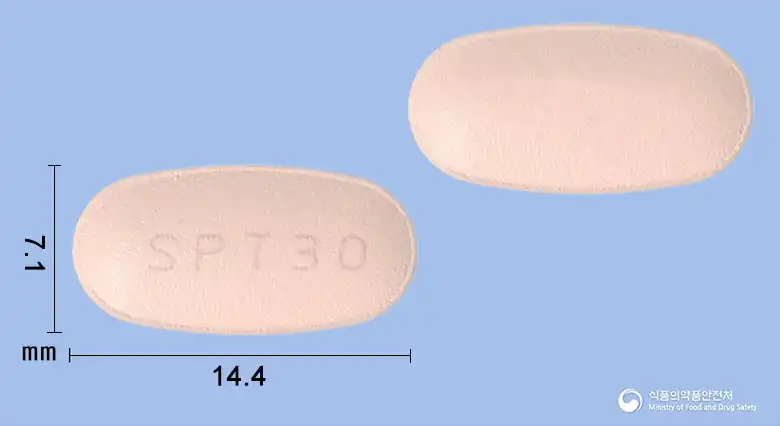
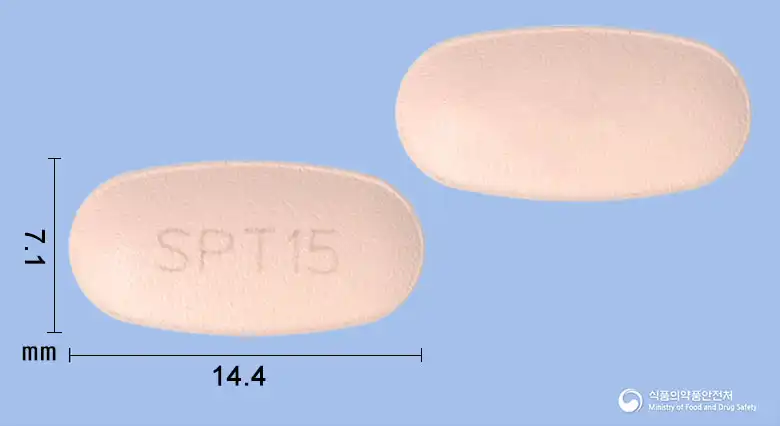
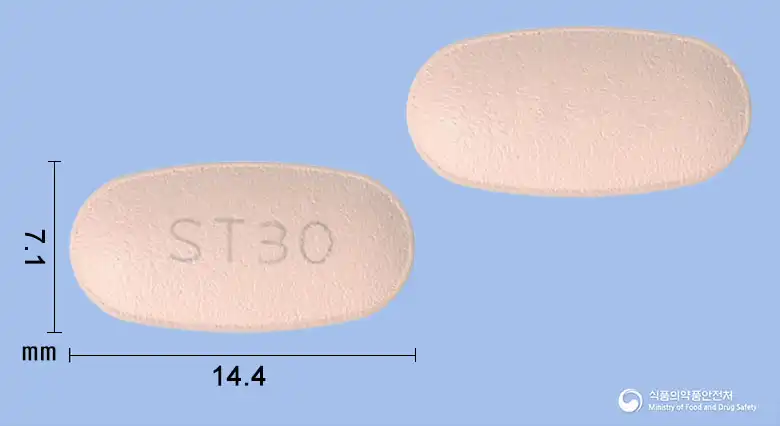
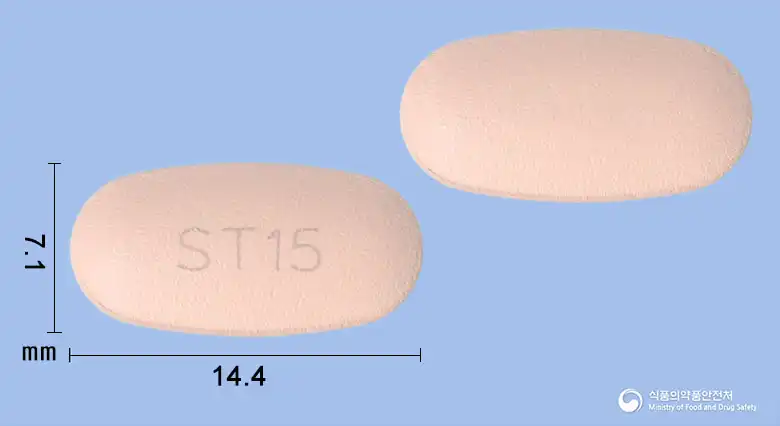
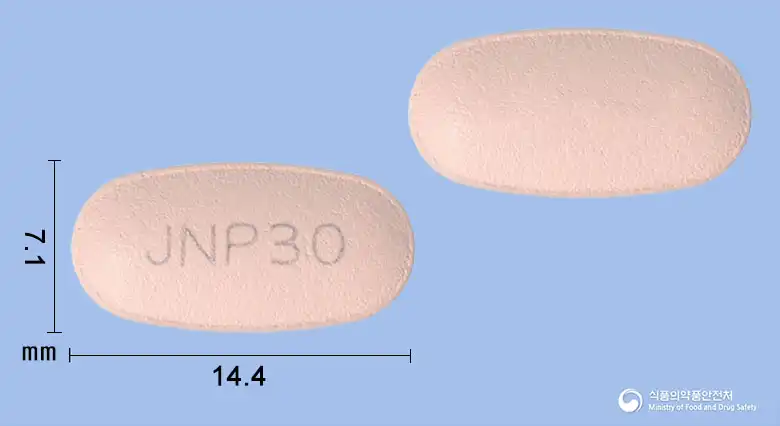
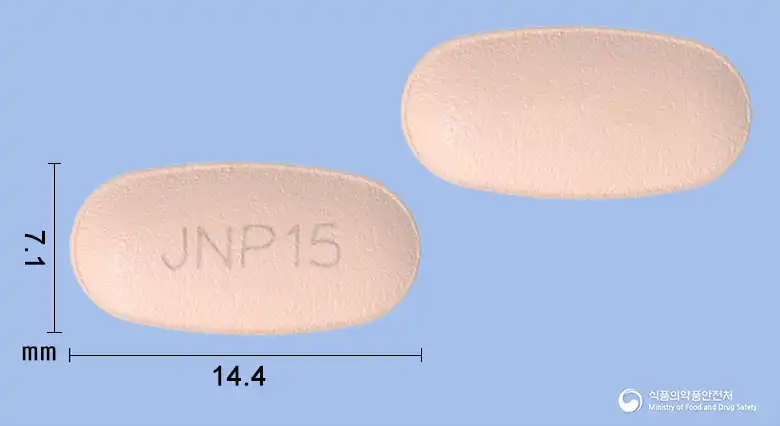
Improvement of glycemic control in patients with type 2 diabetes mellitus
Who uses it
Adults
Adult dosage
This drug may be administered as 1 tablet once daily, with or without food, to patients with type 2 diabetes mellitus who are receiving sitagliptin 100mg and pioglitazone 15mg or 30mg concomitantly.
Assessment of renal function is recommended before and periodically during treatment with this drug.
If the estimated glomerular filtration rate (eGFR) is 45 mL/min/1.73m2 or greater, no dosage adjustment based on renal function is required.
Do not administer this drug if the estimated glomerular filtration rate (eGFR) is less than 45 mL/min/1.73m2.
Improvement of glycemic control in patients with type 2 diabetes mellitus
View approved original textHide original text
This medication helps improve blood glucose control in patients with type 2 diabetes by taking Sitagliptin and Pioglitazone together. It acts as an adjunct to diet and exercise therapy, helping patients manage their blood glucose levels more effectively. This can lead to good therapeutic effects for those who find it difficult to control their blood glucose.
Dosage and Administration
Adult dosage
This drug may be administered as 1 tablet once daily, with or without food, to patients with type 2 diabetes mellitus who are receiving sitagliptin 100mg and pioglitazone 15mg or 30mg concomitantly.
Assessment of renal function is recommended before and periodically during treatment with this drug.
If the estimated glomerular filtration rate (eGFR) is 45 mL/min/1.73m2 or greater, no dosage adjustment based on renal function is required.
Do not administer this drug if the estimated glomerular filtration rate (eGFR) is less than 45 mL/min/1.73m2.
Precautions
This medication may cause rare but severe allergic reactions due to the Sitagliptin component. Such reactions can occur within 3 months of taking the medication, so if symptoms such as skin rash or difficulty breathing occur, the medication should be discontinued immediately, and a doctor should be consulted.
Additionally, Sitagliptin can cause inflammation of the pancreas, known as acute pancreatitis, so if severe abdominal pain or vomiting occurs, the medication should be stopped and medical personnel informed.
The Pioglitazone component may put strain on the heart and should not be administered to patients with heart failure. If any sudden weight gain or symptoms like shortness of breath and swelling of the legs occur while taking this medication, notify your doctor immediately.
Moreover, this medication can cause fluid retention leading to worsening heart failure, so patients with heart disease or hypertension should be especially cautious and regularly monitor their symptoms.
This medication may increase the risk of bladder cancer, so patients with a history of bladder cancer or currently having bladder cancer should not take it. It is important to inform your doctor immediately if you experience discomfort during urination or hematuria.
Patients with reduced kidney or liver function should consult a doctor before taking this medication, especially those with very low kidney function should not be administered this medication.
Women who are pregnant or may become pregnant are advised not to take this medication, and pre-menopausal women should use appropriate contraception while taking it.
During the course of this medication, be alert for symptoms of hypoglycemia, especially when taken with insulin or sulfonylurea medications, as the risk of hypoglycemia may be increased.
Finally, during the course of taking this medication, symptoms such as swelling, headaches, upper respiratory tract infections, dyspepsia, muscle pain, joint pain, knee discomfort, weakness in arms, proteinuria, increased serum creatinine, anxiety, insomnia, drowsiness, simplex herpes, blurred vision, hypertension, and orthostatic symptoms may appear, so it is necessary to consult medical personnel if any unusual symptoms arise.
Side effects
Anaphylaxis
angioedema
Stevens-Johnson syndrome
acute pancreatitis
congestive heart failure
excessive and rapid weight changes
dyspnea
edema
fluid retention
hypoglycemia
Show 66 moreCollapse
upper respiratory infection
nasopharyngitis
headache
diarrhea
abdominal pain
nausea
constipation
vomiting
severe and disabling arthralgia
vesicular pemphigoid
myalgia
limb pain
back pain
interstitial lung disease
pruritus
thrombocytopenia
rhabdomyolysis
dyspepsia
dizziness
increased blood triglycerides
gastritis
weight gain
urinary tract infection
low back pain
lightheadedness
abdominal distention
increased serum creatine kinase
hypertension
heart failure
limb pain
chest pain
cardiac dysfunction
orthostatic hypotension
palpitations
stroke
sexual dysfunction
myocardial infarction
bladder cancer
liver failure
elevated liver enzymes
worsening liver disease
loss of appetite
fatigue
weakness
dyspnea
itching
chest pain
tremors
chills
gastrointestinal disease
epigastric discomfort
paresthesia
muscle rigidity
head discomfort
urticaria
eczema
arthralgia
knee abnormality
arm weakness
proteinuria
increased serum creatinine
anxiety
insomnia
drowsiness
simple herpes
blurred vision
Not everyone experiences these, and they can vary from person to person.
Storage
This medication should be stored in a tightly sealed container to prevent air exposure, and it is advisable to keep it at room temperature between 1 and 30 degrees Celsius.
By storing it this way, the effectiveness of the medication can be maintained, and degradation can be prevented.
Even with the same ingredient, the dose and directions can differ by strength and dosage form. Talk to a doctor or pharmacist before switching from a medication you are already taking.
Questions about this medicine
No questions yet.
For anything that needs medical judgment, consult a doctor or pharmacist.
This drug information is based on data provided by the Korea Ministry of Food and Drug Safety. Consult a doctor or pharmacist for accurate dosage, administration, and usage instructions.

 한국어
 English
 日本語
 中文(简体)
 Viewing nowCombination