
 한국어
한국어 English
 日本語
日本語 中文(简体)
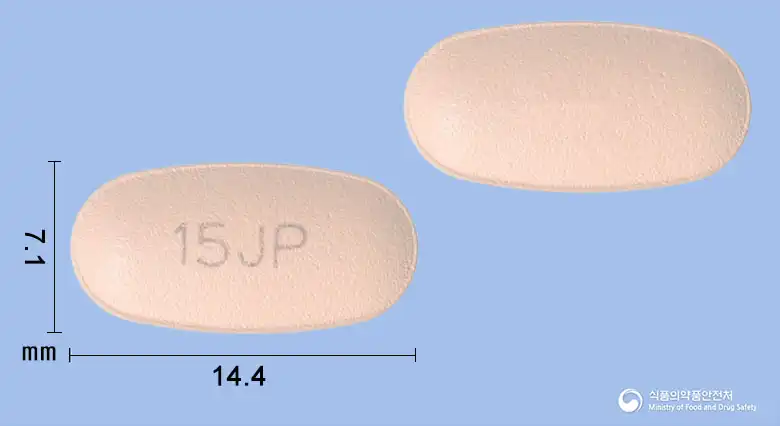 Viewing nowCombination
Januvia Tablets 100/15 mg (Sitagliptin, Pioglitazone)
Sitagliptin Phosphate Hydrate 128.5mg · Pioglitazone Hydrochloride 16.53mg
Tablet · Prescription medication · Combination
Daewon Pharmaceutical Co., Ltd.
MFDS item code 202302302 · Approved 2023.07.31 · Insurance code 671807760
Improvement in blood sugar control in type 2 diabetes
This drug contains both sitagliptin and pioglitazone, helping to supplement dietary and exercise therapies for patients with type 2 diabetes. It effectively contributes to diabetes treatment by enhancing blood sugar management.
This drug can be administered to patients with type 2 diabetes taking sitagliptin 100 mg and pioglitazone 15 mg or 30 mg, at a dosage of 1 tablet once daily regardless of meals.
This drug contains sitagliptin and pioglitazone, and there are precautions to be taken depending on each ingredient. First, sitagliptin can rarely cause serious allergic reactions. Such reactions may include hives, skin rash, difficulty breathing, and swelling of the face or neck; if these symptoms occur, it is important to stop taking the drug immediately and consult a doctor. Additionally, sitagliptin can cause acute pancreatitis, a condition where inflammation occurs in the pancreas, so if abdominal pain, vomiting, or loss of appetite arise during use, immediate medical attention is required. Pioglitazone can burden the heart and should not be used in patients with heart failure or a history of heart failure. If sudden weight gain or symptoms of heart failure such as edema or shortness of breath occur during treatment, it is essential to promptly inform medical personnel. Moreover, pioglitazone can cause fluid retention and exacerbate edema, so it is necessary to regularly check weight and edema status due to possible weight gain. This drug should not be given to patients with a history of bladder cancer or those with active bladder cancer. If blood or pain occurs during urination, it is critical to inform a doctor quickly. Patients with severely impaired kidney function should not take this drug, and those with slightly decreased kidney function may require dose adjustment, necessitating regular kidney function tests. Women who are pregnant or may become pregnant should not take this drug, and premenopausal women should use appropriate contraception while taking this medication. During treatment, hypoglycemic symptoms may occur, so if symptoms such as dizziness, cold sweat, or severe fatigue arise, blood sugar levels should be checked and appropriately managed. Liver function abnormalities may occur while taking this medication, so if symptoms like fatigue, jaundice, or changes in urine color appear, prompt medical evaluation is necessary, and regular liver function tests are recommended. Some patients may experience arthralgia or skin disorders, so any new pain or skin changes should be reported to medical personnel. Finally, this drug may interact with other medications, so if other drugs are being taken, it is vital to inform medical personnel and to follow the doctor's instructions regarding administration.
Hives, severe swelling (edema), chest tightness, difficulty breathing, cold sweat, pallor, rash, blisters, skin peeling, pain in mucous membranes of the mouth/eyes, difficulty breathing or shortness of breath, asthma attack, respiratory distress accompanied by cough and fever, yellowing of the skin or eyes (jaundice), extreme lethargy, sudden and severe headache, thunderclap headache, seizures, confusion, visual disturbances, paralysis, markedly reduced urine output
Not everyone experiences these, and they can vary from person to person.
This drug should be stored in a container that blocks light and air, and humidity should be avoided. A storage temperature between 15 and 30 degrees Celsius is appropriate.
Light orange rectangular film-coated tablet
28 tablets/box [14 tablets/PTP x 2]
Even with the same ingredient, strength, dosage form and how it is taken can differ.
Viewing nowCombinationSitagliptin Phosphate Hydrate 128.5mg · Pioglitazone Hydrochloride 16.53mg
Tablet · Prescription medication · Combination
Daewon Pharmaceutical Co., Ltd.
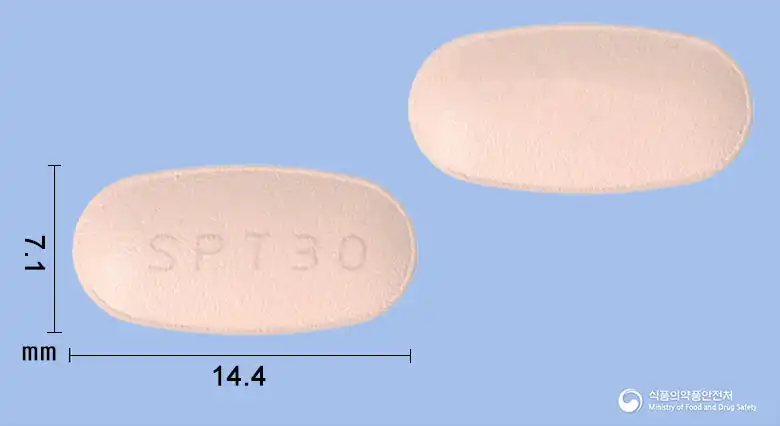 Combination
Sitagliptin Phosphate Hydrate 128.5mg · Pioglitazone Hydrochloride 33.06mg
Tablet · Prescription medication · Combination
Daewoo Pharmaceutical Co., Ltd.
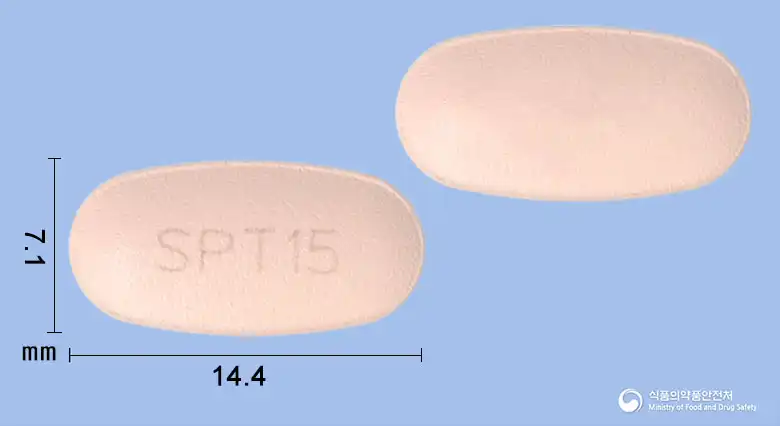 Combination
Sitagliptin Phosphate Hydrate 128.5mg · Pioglitazone Hydrochloride 16.53mg
Tablet · Prescription medication · Combination
Daewoo Pharmaceuticals Co., Ltd.
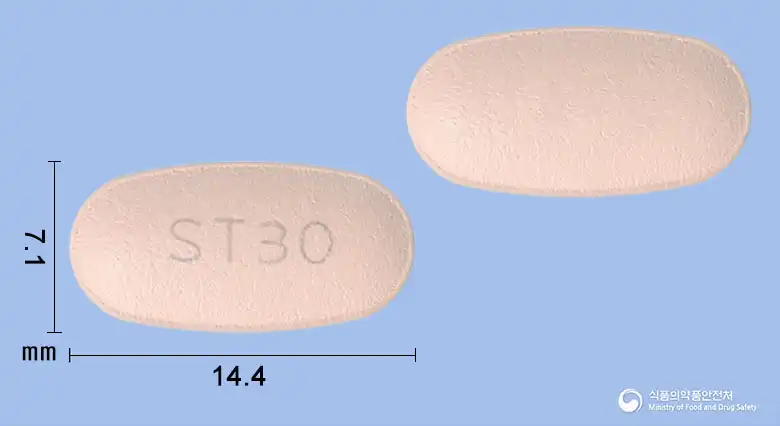 Combination
Sitagliptin Phosphate Hydrate 128.5mg · Pioglitazone Hydrochloride 33.06mg
Tablet · Prescription medication · Combination
Hyundai Pharmaceutical Co., Ltd.
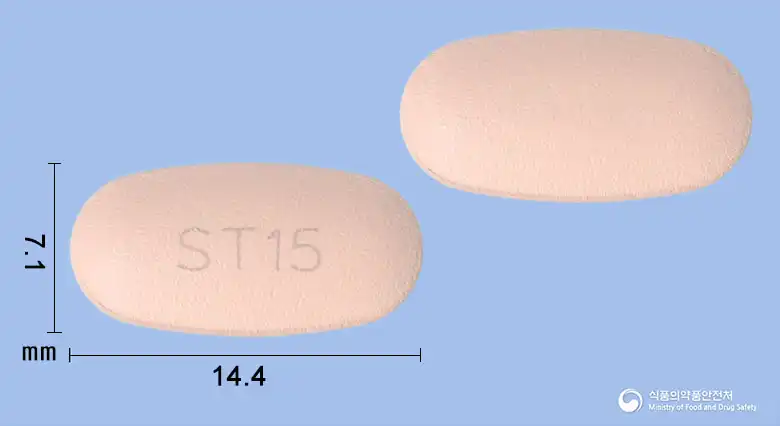 Combination
Sitagliptin Phosphate Hydrate 128.5mg · Pioglitazone Hydrochloride 16.53mg
Tablet · Prescription medication · Combination
Hyundai Pharmaceutical Co., Ltd.
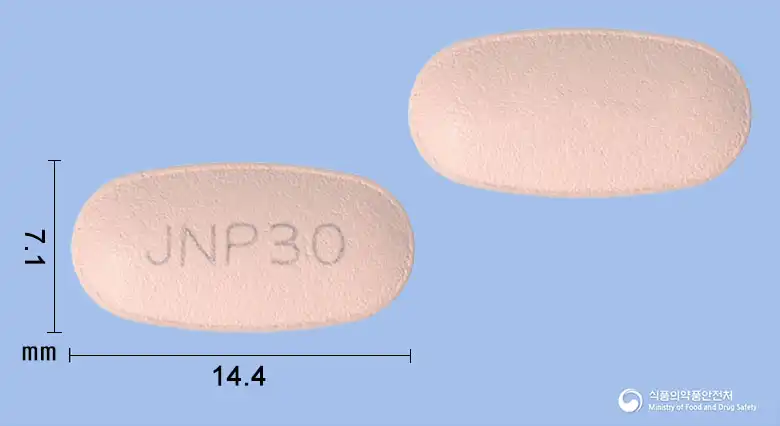 Combination
Sitagliptin Phosphate Hydrate 128.5mg · Pioglitazone Hydrochloride 33.06mg
Tablet · Prescription medication · Combination
Jinyang Pharmaceutical Co., Ltd.
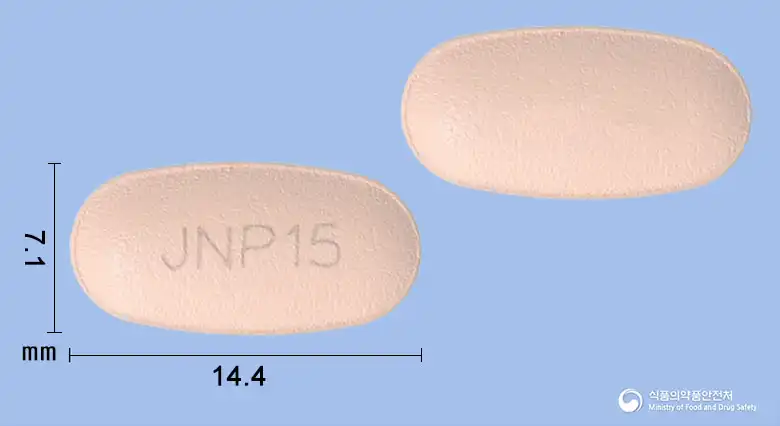 Combination
Sitagliptin Phosphate Hydrate 128.5mg · Pioglitazone Hydrochloride 16.53mg
Tablet · Prescription medication · Combination
Jinyang Pharmaceutical Co., Ltd.
Sitagliptin Phosphate Hydrate 128.5mg · Pioglitazone Hydrochloride 33.06mg
Tablet · Prescription medication · Combination
Daewon Pharmaceutical Co., Ltd.
Even with the same ingredient, the dose and directions can differ by strength and dosage form. Talk to a doctor or pharmacist before switching from a medication you are already taking.
No questions yet.
For anything that needs medical judgment, consult a doctor or pharmacist.
This drug information is based on data provided by the Korea Ministry of Food and Drug Safety.
Consult a doctor or pharmacist for accurate dosage, administration, and usage instructions.