Improvement of blood sugar control in type 2 diabetes
Who uses it
Adults
Adult dosage
This medicine may be administered as a single tablet once daily regardless of meals to patients with type 2 diabetes receiving both sitagliptin 100 mg and pioglitazone 15 mg or 30 mg.
If the estimated glomerular filtration rate (eGFR) is above 45 mL/min/1.73 m2, no dose adjustment based on kidney function is necessary.
If the estimated glomerular filtration rate (eGFR) is below 45 mL/min/1.73 m2, this medicine is
Improvement of blood sugar control in type 2 diabetes
View approved original textHide original text
This medicine is used to help control blood sugar levels in patients with type 2 diabetes. Sitagliptin and pioglitazone work together to effectively manage blood sugar levels, yielding better effects when combined with dietary measures and exercise therapy. Therefore, it helps to improve blood sugar control and diabetes management.
Dosage and Administration
Adult dosage
This medicine may be administered as a single tablet once daily regardless of meals to patients with type 2 diabetes receiving both sitagliptin 100 mg and pioglitazone 15 mg or 30 mg.
If the estimated glomerular filtration rate (eGFR) is above 45 mL/min/1.73 m2, no dose adjustment based on kidney function is necessary.
If the estimated glomerular filtration rate (eGFR) is below 45 mL/min/1.73 m2, this medicine is
Precautions
This medicine contains sitagliptin and pioglitazone and is used for the treatment of type 2 diabetes.
The sitagliptin component can occasionally cause serious allergic reactions, so if symptoms such as skin rash, difficulty breathing, or swelling of the face or neck occur, you should immediately stop taking it and consult a doctor.
Additionally, there is a risk of acute pancreatitis (inflammation of the pancreas), so if abdominal pain, nausea, or vomiting occurs during treatment, you should inform medical personnel immediately.
The pioglitazone component can worsen heart failure in patients with weak cardiac function, so patients with heart failure or a history of heart failure should not take this medicine.
During treatment, symptoms of heart failure such as weight gain, edema, and difficulty breathing should be carefully monitored, and if these symptoms occur, you should consult a doctor.
This medicine requires dose adjustment in patients with reduced kidney function, and should not be taken by patients with severe renal impairment.
Additionally, caution is needed in patients with liver dysfunction, and the decision to take the medicine should be based on liver function test results.
This medicine should not be administered to patients with a history of bladder cancer or active bladder cancer, and should not be used if gross hematuria is observed.
Women who are pregnant or may become pregnant should avoid taking this medicine, and premenopausal women should use appropriate contraception, as this medicine may promote ovulation.
During treatment, symptoms of hypoglycemia (such as dizziness, tremors, cold sweat, etc.) may occur, so caution is necessary, especially when taking it in conjunction with insulin or sulfonylurea agents, which increases the risk of hypoglycemia.
Common side effects that may occur with this medication include upper respiratory infections, headaches, edema, weight gain, dyspepsia, and diarrhea; if these symptoms are severe or persistent, you should inform medical personnel.
Additionally, serious side effects such as liver dysfunction, joint pain, skin rash, and thrombocytopenia have been reported rarely, so if any unusual symptoms occur, seek medical attention immediately.
There is a possibility of drug interactions with this medicine, so if you are taking other medications, you must inform your doctor or pharmacist, particularly when used in conjunction with cyclosporine, digoxin, gemfibrozil, etc.
This medicine is inappropriate for use in patients before or after surgery, those with severe infections or trauma, patients with diabetic ketoacidosis, or those with type 1 diabetes, thus alternative treatments should be used.
During the use of this medicine, regular blood glucose, kidney, and liver function tests should be conducted, and immediate consultation with medical personnel is crucial if any unusual symptoms arise.
Side effects and when to seek care immediately
Serious side effects
Hives
severe swelling (edema)
anaphylaxis
angioedema
severe allergic reaction
Stevens-Johnson syndrome
exfoliative skin condition
severe rash with high fever
blisters
skin peeling
Show 12 moreCollapse
pain in mucous membranes of mouth/eyes
severe skin adverse reactions
difficulty breathing
asthmatic attack
respiratory issues
acute pancreatitis
liver dysfunction (jaundice)
deterioration of kidney function
severe hypoglycemia
severe edema or urinary disturbances
heart failure
congestive heart failure
Mild side effects
Nasopharyngitis
upper respiratory infection
headache
diarrhea
nausea
constipation
muscle pain
limb pain
back pain
pruritus
Show 24 moreCollapse
thrombocytopenia
weight gain
sinusitis
pharyngitis
urinary tract infection
lower back pain
dizziness
abdominal distension
increased creatine kinase (CK) in blood
hypertension
itching
chest pain
fatigue
weakness
dyspepsia
cough
tremors
chest discomfort
gastrointestinal disorders
discomfort in the epigastric area
numbing
muscle stiffness
discomfort in the head
increased liver enzymes
Not everyone experiences these, and they can vary from person to person.
Storage
This medicine should be stored in a container that blocks light and air, maintained at a temperature between 15 to 30 degrees Celsius in a location with low humidity. This helps to preserve the efficacy of the medicine and prevent deterioration.
Appearance and packaging
Appearance
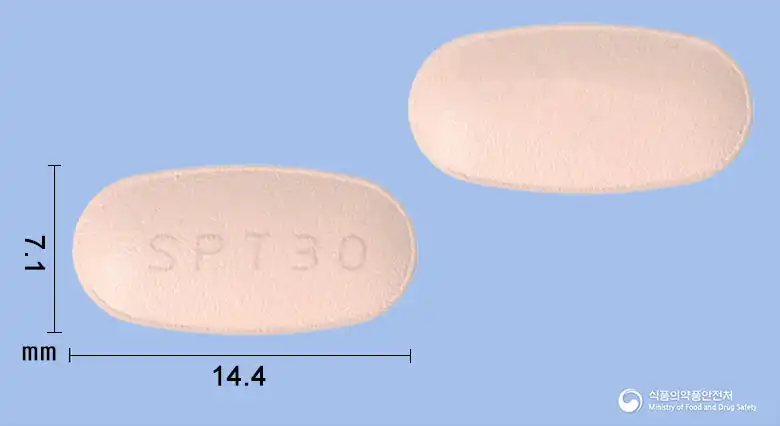
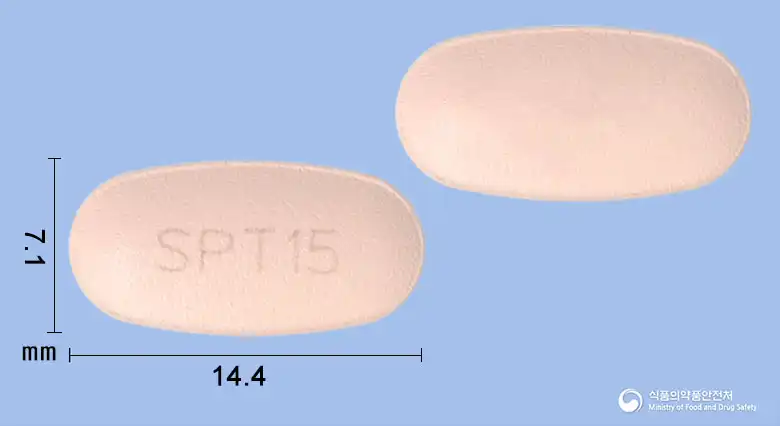
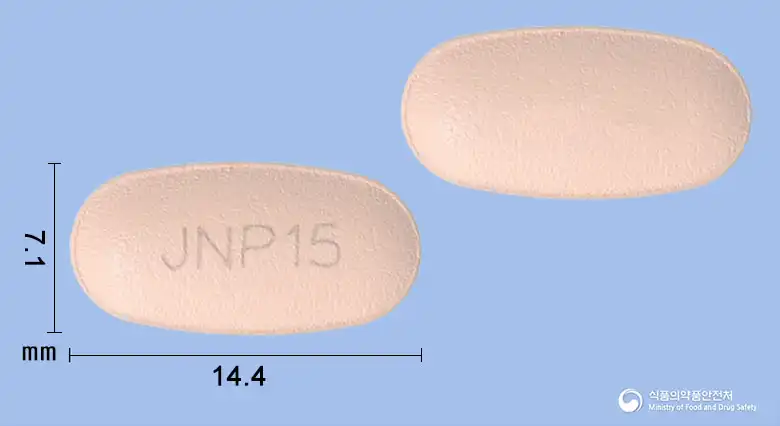
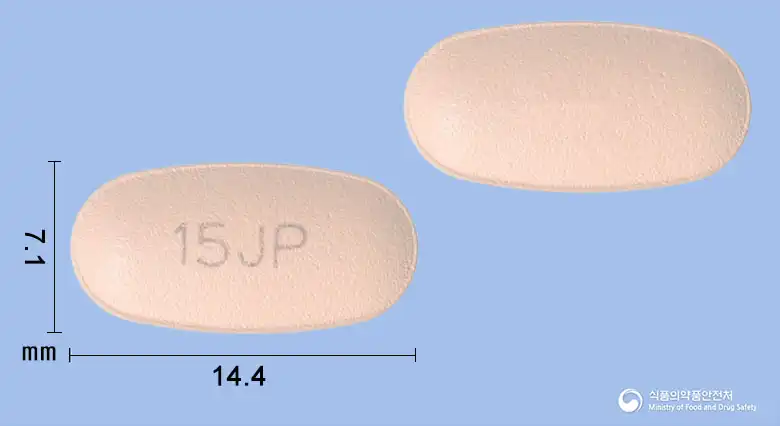
Light orange oblong film-coated tablet
Package unit
28 tablets/box [14 tablets/PTP x 2]
Same-ingredient medicines
Even with the same ingredient, strength, dosage form and how it is taken can differ.
Even with the same ingredient, the dose and directions can differ by strength and dosage form. Talk to a doctor or pharmacist before switching from a medication you are already taking.
Questions about this medicine
No questions yet.
For anything that needs medical judgment, consult a doctor or pharmacist.
This drug information is based on data provided by the Korea Ministry of Food and Drug Safety. Consult a doctor or pharmacist for accurate dosage, administration, and usage instructions.

 한국어
한국어 English
 日本語
日本語 中文(简体)
 Viewing nowCombination