Improvement of blood sugar control in type 2 diabetes
Who uses it
Adults
Adult dosage
This medicine can be administered once daily as a single tablet for patients with type 2 diabetes receiving combined treatment with sitagliptin 100mg and pioglitazone 15mg or 30mg, regardless of meals.
Improvement of blood sugar control in type 2 diabetes
View approved original textHide original text
This medicine is used to help control blood sugar in patients with type 2 diabetes who are suitable for combined administration of sitagliptin and pioglitazone. When taken along with dietary and exercise therapy, it helps effectively manage blood sugar. Therefore, it is used to improve blood sugar control in patients with type 2 diabetes.
Dosage and Administration
Adult dosage
This medicine can be administered once daily as a single tablet for patients with type 2 diabetes receiving combined treatment with sitagliptin 100mg and pioglitazone 15mg or 30mg, regardless of meals.
Precautions
This medicine consists of two components, sitagliptin and pioglitazone, and is used for the treatment of type 2 diabetes.
Sitagliptin helps to control blood sugar but may rarely cause serious allergic reactions, skin disorders, or pancreatitis, so symptoms should be carefully monitored during the first three months of administration.
Pioglitazone improves the action of insulin in the body but may pose risks for patients with heart failure; patients with symptoms of heart failure or a history of heart failure should not use this medicine.
Additionally, it is safe not to administer this medicine to patients with impaired kidney function or severely compromised liver function.
Women who are pregnant or may become pregnant, as well as patients with specific genetic lactose intolerance, should also avoid this medicine.
During treatment, special attention should be paid to symptoms of hypoglycemia, and the risk of hypoglycemia may increase when used with other diabetes medications.
If symptoms of heart failure such as swelling, difficulty breathing, or rapid weight gain occur while taking this medicine, you should immediately consult a healthcare professional.
If symptoms indicating liver dysfunction (fatigue, loss of appetite, jaundice, etc.) occur, you should immediately visit a hospital for examination, and discontinuation may be necessary based on liver function test results.
This medicine should not be administered to patients with a history of bladder cancer or active bladder cancer; if symptoms of bladder cancer (such as hematuria) occur, you should immediately inform your doctor.
It is important to regularly monitor blood sugar, liver function, and kidney function while taking this medicine, and to report any abnormal symptoms to healthcare professionals immediately.
Also, this medicine may interact with other medications, so you should inform your doctor or pharmacist about any other medications you are taking.
Side effects and when to seek care immediately
Serious side effects
Hives, severe swelling (edema), anaphylaxis, angioedema, Stevens-Johnson syndrome, skin disorders, fatal and non-fatal hemorrhagic or necrotizing pancreatitis, acute pancreatitis, congestive heart failure, symptoms and signs of heart failure (excessive and rapid weight change, shortness of breath, swelling), acute renal failure, severe and disabling arthralgia, bullous pemphigoid, rhabdomyolysis, pneumonia, diabetes complications, metabolic acidosis, falls, heart
Mild side effects
Hypoglycemia
upper respiratory tract infection
nasopharyngitis
headache
diarrhea
nausea
abdominal pain
constipation
muscle pain
limb pain
Show 25 moreCollapse
back pain
thrombocytopenia
indigestion
dizziness
weight gain
urinary tract infection
lower back pain
itching
chest pain
fatigue
weakness
cough
increased triglycerides in the blood
gastritis
loss of appetite
tremors
chills
muscle stiffness
discomfort in the head
increased liver enzymes
joint pain
knee abnormalities
weakness in arms
proteinuria
increased creatinine in the blood
Not everyone experiences these, and they can vary from person to person.
Storage
This medicine should be stored in a container that does not allow light and air to enter and should be kept away from humid places. It is important to maintain a storage temperature between 15 and 30 degrees.
Appearance and packaging
Appearance
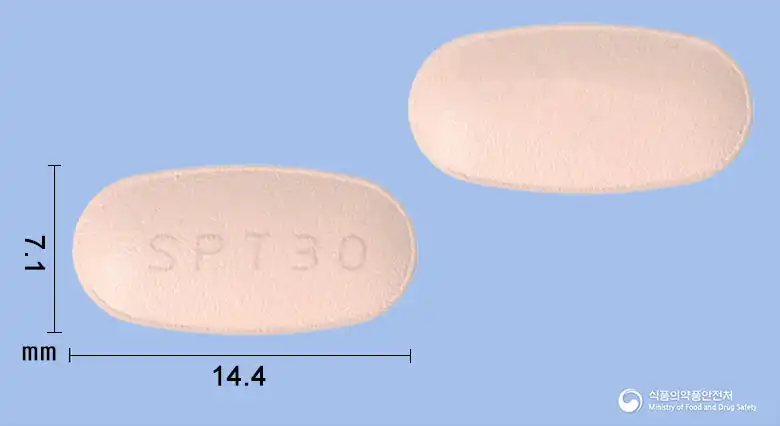
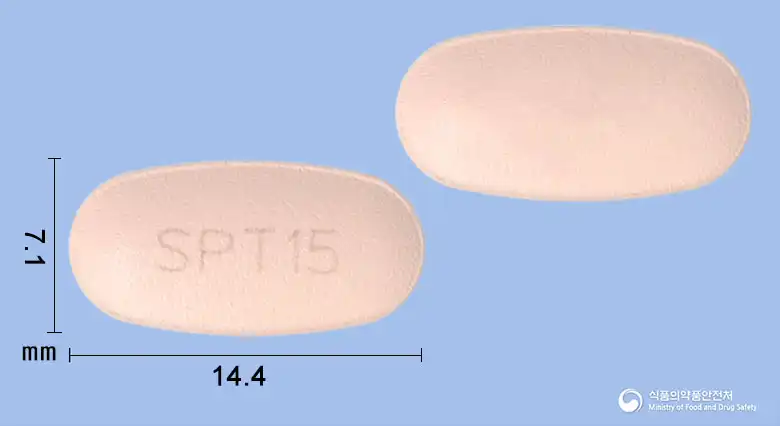
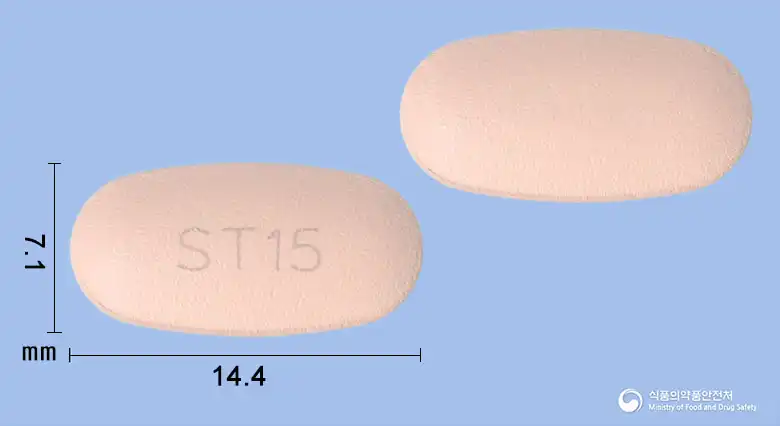
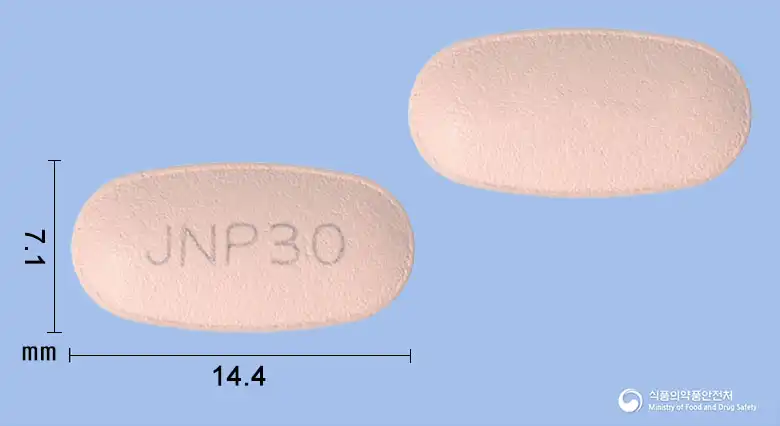
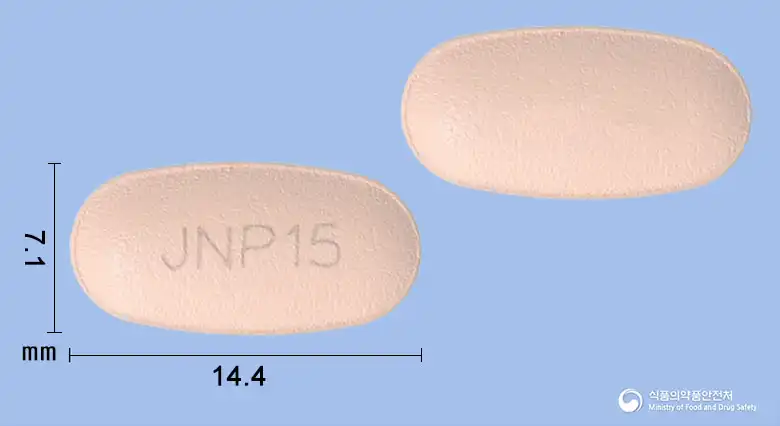
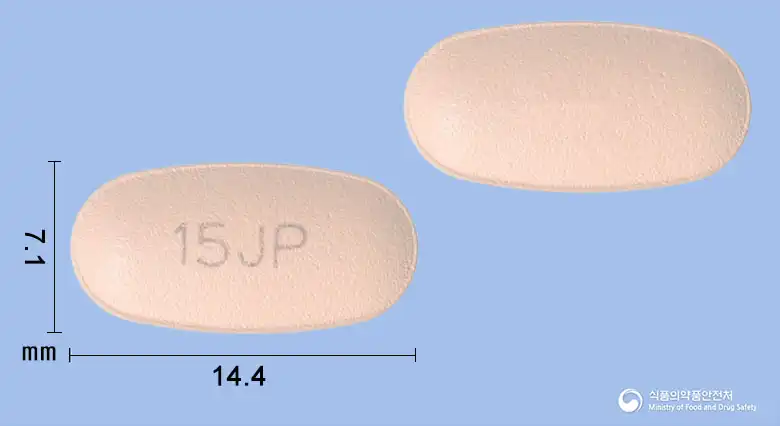
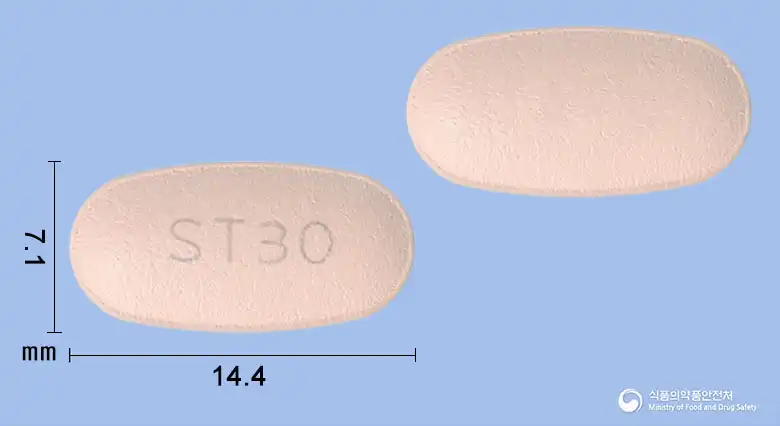
Light orange rectangular film-coated tablets
Package unit
28 tablets/box [14 tablets/PTP x 2]
Same-ingredient medicines
Even with the same ingredient, strength, dosage form and how it is taken can differ.
Even with the same ingredient, the dose and directions can differ by strength and dosage form. Talk to a doctor or pharmacist before switching from a medication you are already taking.
Questions about this medicine
No questions yet.
For anything that needs medical judgment, consult a doctor or pharmacist.
This drug information is based on data provided by the Korea Ministry of Food and Drug Safety. Consult a doctor or pharmacist for accurate dosage, administration, and usage instructions.

 한국어
한국어 English
 日本語
日本語 中文(简体)
 Viewing nowCombination