
 한국어
한국어 English
 日本語
日本語 中文(简体)
 Viewing nowCombination
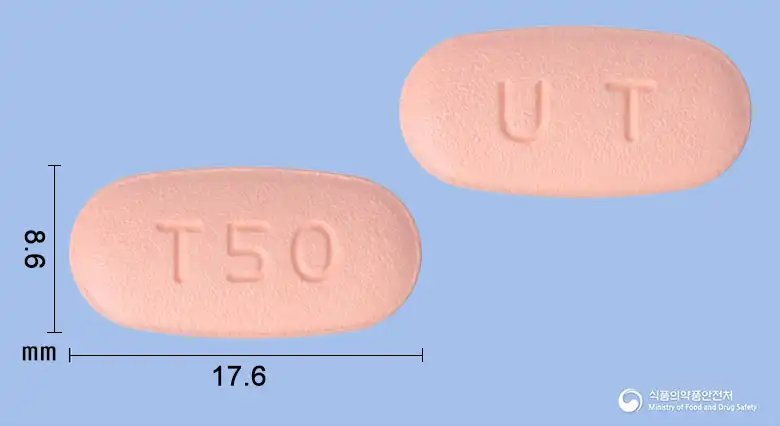
Vitame M Tablets 50/500mg (Sitagliptin, Metformin)
Sitagliptin Hydrochloride Hydrate 56.7mg · Metformin Hydrochloride 500mg
Tablet · Prescription medication · Combination
Korea United Pharmaceutical Co., Ltd.
MFDS item code 202302026 · Approved 2023.06.30 · Insurance code 644309720
Improvement of blood sugar control in type 2 diabetes
This medication helps control blood sugar in patients with type 2 diabetes by combining sitagliptin and metformin. When used alongside dietary and exercise therapy, it can effectively improve blood sugar levels. This contributes to diabetes management and aids in the prevention of complications. It is important for patients to take this medication consistently while maintaining healthy lifestyle habits. This medication is used to improve blood sugar control in type 2 diabetes.
In antidiabetic therapy, the maximum recommended dosage for this medication should not exceed 100 mg of sitagliptin and 2000 mg of metformin per day, taking into account each patient's treatment regimen, effectiveness, and tolerability. Typically, it is taken twice daily with food, with a gradual increase in dosage to reduce gastrointestinal adverse reactions caused by metformin. The initial dosage varies according to the patient's treatment regimen. 1. Patients not currently treated with metformin: For those with no prior experience receiving diabetes medication and difficulty achieving sufficient blood sugar control with monotherapy, or those unable to achieve adequate blood sugar control with sitagliptin monotherapy, the initial dosage of this medication is 50/500 mg taken twice daily (1 tablet per dose), and can be increased to 50/1000 mg taken twice daily (1 tablet per dose). Patients who are reducing the dosage of sitagliptin due to renal impairment should not switch to this medication (see precautions for patients who should not be treated). 2. Patients receiving treatment with metformin: - For patients who cannot achieve sufficient blood sugar control with metformin monotherapy, the recommended initial dosage of this medication is 50 mg of sitagliptin taken twice daily (100 mg total per day) along with the current dosage of metformin. - Patients switching from sitagliptin and metformin combination therapy can start at the previously used dosages for sitagliptin and metformin. 3. In cases of combination therapy with metformin and sulfonylureas, metformin and insulin, or metformin and thiazolidinediones, where sufficient blood sugar control cannot be achieved: The initial dosage of this medication is 50 mg of sitagliptin taken twice daily (100 mg total per day), and the initial dosage of metformin should be determined based on the patient's blood sugar levels and existing dosages. To reduce gastrointestinal adverse reactions caused by metformin, gradually increase the dosage. When co-administered with sulfonylureas or insulin, it may be advisable to consider reducing the dosages of sulfonylureas or insulin to reduce the risk of hypoglycemia triggered by these medications (see general precautions). No studies have been conducted to evaluate the safety and efficacy of transitioning patients previously treated with other oral hypoglycemics to this medication. Any changes to type 2 diabetes treatment may affect blood sugar control; thus, careful monitoring is needed. Patients with renal impairment This medication can be used with dosage adjustments for patients with moderate renal impairment (stage 3a with a creatinine clearance [CrCl] ≥ 45 and < 60 mL/min or an estimated glomerular filtration rate [eGFR] ≥ 45 and < 60 mL/min/1.73m²) without other symptoms that could increase the risk of lactic acidosis. The starting dose of metformin is either 500 mg or 850 mg once daily, so treatment initiation with this medication should not occur. The maximum recommended dosage for metformin is 500 mg twice daily. Kidney function must be carefully monitored every 3-6 months. If CrCl < 45 mL/min or eGFR < 45 mL/min/1.73m², this medication must be discontinued immediately. Patients with liver impairment This medication should not be administered to patients with liver dysfunction due to the metformin component (see precautions for patients who should not be treated).
This medication contains sitagliptin and metformin, which are used in diabetes treatment. First, the sitagliptin component can rarely cause serious allergic reactions, so if symptoms such as skin rash or difficulty breathing occur, discontinue use immediately and consult a doctor. Additionally, there have been reports of a serious side effect called acute pancreatitis, which is inflammation of the pancreas; if symptoms such as abdominal pain, vomiting, or fever occur, inform healthcare professionals immediately. The metformin component may cause a rare side effect known as lactic acidosis, which is a condition where lactic acid builds up excessively in the body, leading to severe fatigue, muscle pain, difficulty breathing, or abdominal pain. Patients with poor kidney function, liver disease, severe infections, or dehydration should not take this medication. Before and after undergoing tests with iodinated contrast agents, this medication should be temporarily discontinued as it may affect kidney function, and it should be resumed only after kidney function is confirmed to be normal. Women who are pregnant or may become pregnant, as well as nursing mothers, should not use this medication. During treatment, be cautious of symptoms of hypoglycemia, especially when used alongside other antidiabetic agents or insulin, as the risk of hypoglycemia may increase. It is crucial for patients to maintain regular meals and exercise and to have their blood sugar and kidney function regularly checked. Moreover, when taking this medication, the risks may increase when consumed with alcohol, so it is advisable to avoid alcohol. If any unusual symptoms such as severe joint pain or skin blisters arise during use, inform a doctor immediately and discontinue the medication. In case of overdose, seek medical attention immediately for appropriate treatment, as some components can be removed through hemodialysis. Finally, regular blood tests and kidney function tests are necessary to ensure safe treatment while taking this medication.
Hives, severe swelling (angioedema), chest tightness, difficulty breathing, cold sweat, pallor, anaphylaxis, exfoliative skin diseases including Stevens-Johnson syndrome, severe rash with high fever, blistering, skin peeling, mucosal pain in the mouth/eyes, acute pancreatitis, acute renal failure, liver abnormalities (jaundice), sudden and severe headache, thunderclap headache, seizures, confusion, visual disturbances, paralysis, significantly reduced urine output,
Not everyone experiences these, and they can vary from person to person.
This medication should be stored in a tightly sealed container to prevent exposure to air and moisture. It is advisable to keep it at room temperature between 1 to 30 degrees Celsius. This way, the effectiveness of the medication can be safely maintained.
Pink oval film-coated tablet
60 tablets (10 tablets/PTP x 6)
Even with the same ingredient, strength, dosage form and how it is taken can differ.
Viewing nowCombinationSitagliptin Hydrochloride Hydrate 56.7mg · Metformin Hydrochloride 500mg
Tablet · Prescription medication · Combination
Korea United Pharmaceutical Co., Ltd.
 Combination
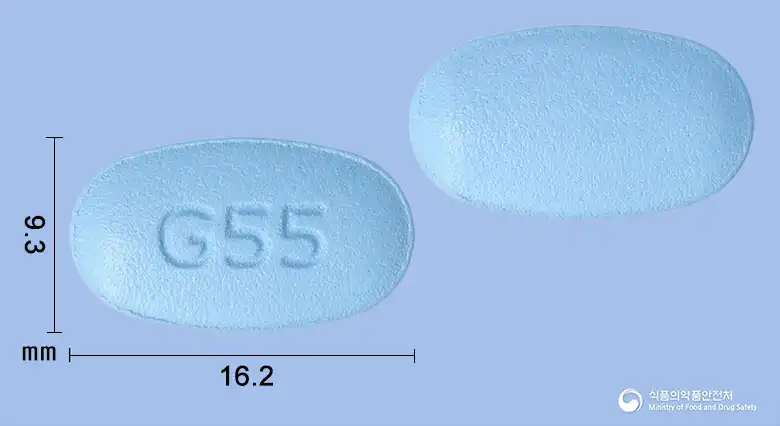
Sitagliptin Hydrochloride Hydrate 56.7mg · Metformin Hydrochloride 500mg
Tablet · Prescription medication · Combination
Shinil Pharmaceutical Co., Ltd.
 Combination
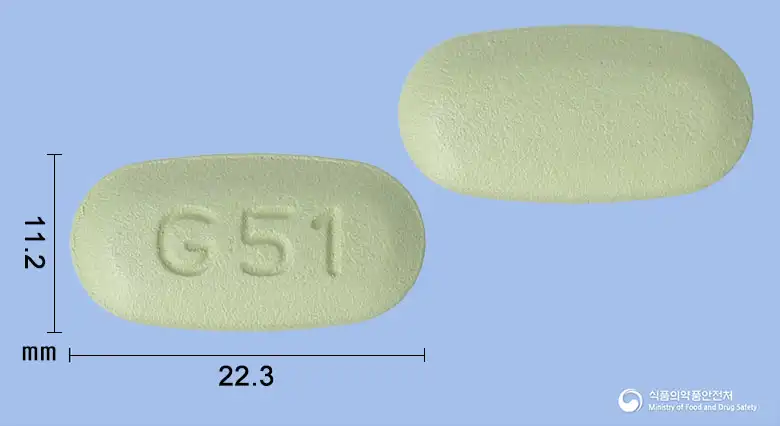
Sitagliptin Hydrochloride Hydrate 56.7mg · Metformin Hydrochloride 1000mg
Tablet · Prescription medication · Combination
Shinil Pharmaceutical Co., Ltd.
 Combination
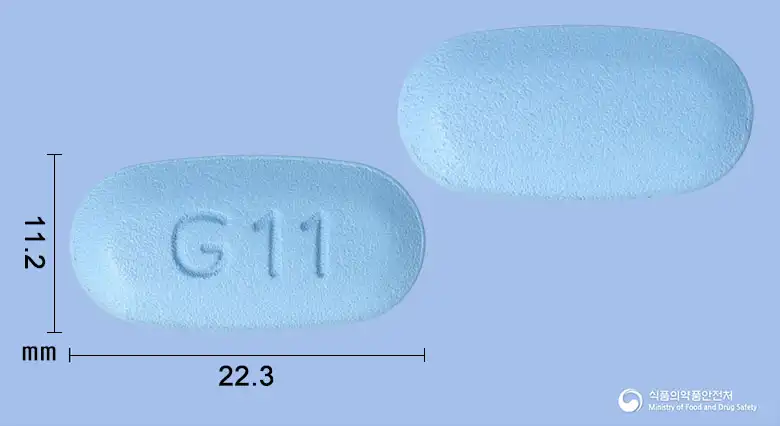
Sitagliptin Hydrochloride Hydrate 113.4mg · Metformin Hydrochloride 1000mg
Tablet · Prescription medication · Combination
Shinil Pharmaceutical Co., Ltd.
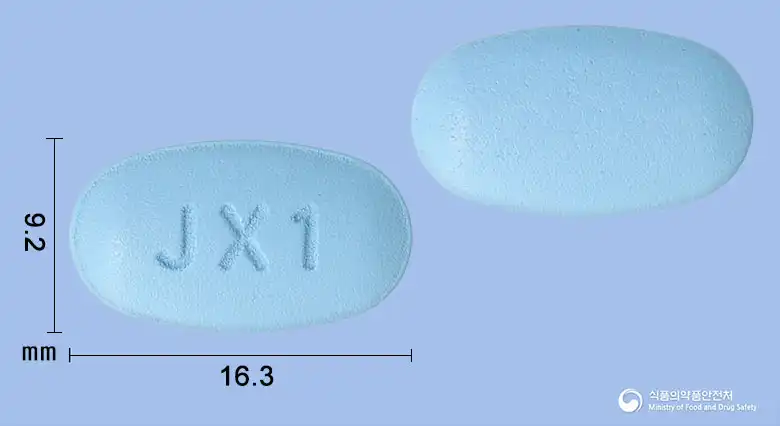 Combination
Sitagliptin Hydrochloride Hydrate 56.7mg · Metformin Hydrochloride 500mg
Tablet · Prescription medication · Combination
GL Pharma Co., Ltd.
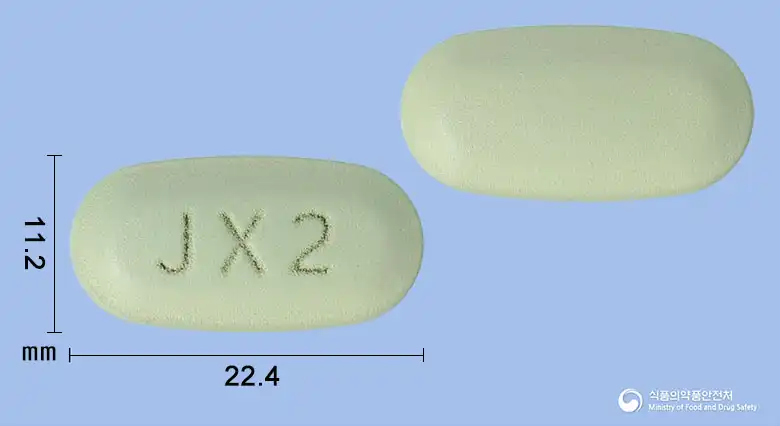 Combination
Sitagliptin Hydrochloride Hydrate 56.7mg · Metformin Hydrochloride 1000mg
Tablet · Prescription medication · Combination
GL Pharma Co., Ltd.
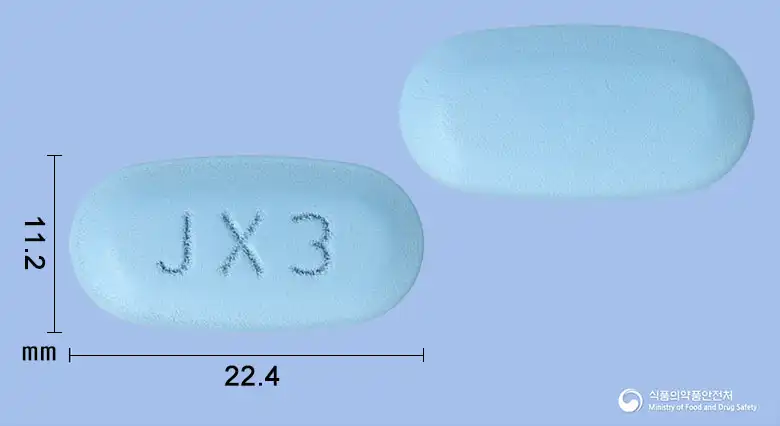 Combination
Sitagliptin Hydrochloride Hydrate 113.4mg · Metformin Hydrochloride 1000mg
Tablet · Prescription medication · Combination
GL Pharma Co., Ltd.
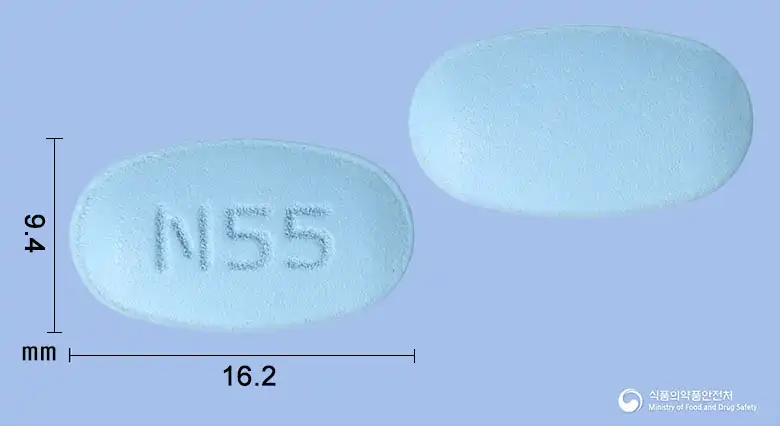 Combination
Sitagliptin Hydrochloride Hydrate 56.7mg · Metformin Hydrochloride 500mg
Tablet · Prescription medication · Combination
Korea Hutech Pharmaceutical Co., Ltd.
Even with the same ingredient, the dose and directions can differ by strength and dosage form. Talk to a doctor or pharmacist before switching from a medication you are already taking.
No questions yet.
For anything that needs medical judgment, consult a doctor or pharmacist.
This drug information is based on data provided by the Korea Ministry of Food and Drug Safety.
Consult a doctor or pharmacist for accurate dosage, administration, and usage instructions.