Improvement of blood glucose control in type 2 diabetes
Who takes it
Adults
Adult dose
The dosage for this medication in diabetes treatments should not exceed 100 mg of sitagliptin and 2000 mg of metformin, taking into account each patient's current treatment regimen, efficacy, and tolerance. Typically, it is taken twice daily with food, and doses should be gradually increased to minimize gastrointestinal side effects from metformin.
1. Patients without prior experience of metformin treatment:
The initial dosage for these patients is this medication.
Improvement of blood glucose control in type 2 diabetes
View approved original textHide original text
This medication contains both sitagliptin and metformin, helping patients with type 2 diabetes manage blood sugar more effectively along with dietary management and exercise therapy. In other words, it assists in improving blood sugar levels when blood glucose control is difficult.
How to take
Adult dose
The dosage for this medication in diabetes treatments should not exceed 100 mg of sitagliptin and 2000 mg of metformin, taking into account each patient's current treatment regimen, efficacy, and tolerance. Typically, it is taken twice daily with food, and doses should be gradually increased to minimize gastrointestinal side effects from metformin.
1. Patients without prior experience of metformin treatment:
The initial dosage for these patients is this medication.
Precautions
This medication contains sitagliptin and metformin, aiding in blood sugar control.
First, the sitagliptin component can, although rarely, cause serious allergic reactions, so if symptoms like skin rash or difficulty breathing occur, the medication should be discontinued immediately and a doctor consulted.
Additionally, sitagliptin may cause pancreatitis, an inflammation of the pancreas. Patients should be closely monitored for persistent abdominal pain or vomiting while using this medication, and any abnormal symptoms should be reported to healthcare professionals.
The metformin component can cause a rare complication called lactic acidosis, which can be very serious due to excessive buildup of lactic acid in the body. Immediate medical attention is required if symptoms such as sudden difficulty breathing, muscle pain, lethargy, or abdominal pain occur.
This medication should not be administered to patients with severely impaired kidney function or those with acute heart disease, severe infections, or dehydration. It should also be temporarily discontinued before and after examinations using iodine contrast agents.
Pregnant women or those who may become pregnant and breastfeeding mothers should not use this medication for safety reasons.
During treatment, there is a risk of hypoglycemia, so especially when taken with other hypoglycemic agents, blood glucose changes should be carefully monitored, and appropriate actions should be taken immediately if hypoglycemic symptoms occur.
It is also advisable to avoid alcohol during treatment, and regular blood tests and kidney function assessments should be conducted to check for abnormalities.
If surgery is planned, this medication should be discontinued 48 hours prior to surgery and not resumed until kidney function returns to normal after surgery.
Finally, safety and efficacy have not been established for children, so this medication is not recommended for individuals under 18 years of age.
If these precautions are followed, this medication can help with blood glucose control.
Side effects and when to seek care immediately
Serious side effects
Hives, severe swelling (angioedema), chest tightness, difficulty breathing, severe allergic reactions (anaphylaxis), severe rash with high fever, blisters, skin peeling, oral/ocular mucosal pain, severe skin reactions (including Stevens-Johnson syndrome), acute pancreatitis, shortness of breath or difficulty breathing, asthma attacks, respiratory distress with cough + fever, jaundice (yellowing of the skin or eyes), extreme lethargy
Mild side effects
Diarrhea
upper respiratory tract infection
headache
nausea
vomiting
abdominal pain
nasopharyngitis
constipation
muscle pain
limb pain
Show 9 moreCollapse
back pain
pruritus
thrombocytopenia
rhabdomyolysis
appetite loss
itching
dizziness
weight loss
weakness
Not everyone experiences these, and they can vary from person to person.
Storage
This medication should be stored in a tightly sealed container to prevent air exposure, and it is best kept at room temperature between 1 and 30 degrees Celsius. Proper storage can maintain the medication's effectiveness for a longer period.
Appearance and packaging
Appearance
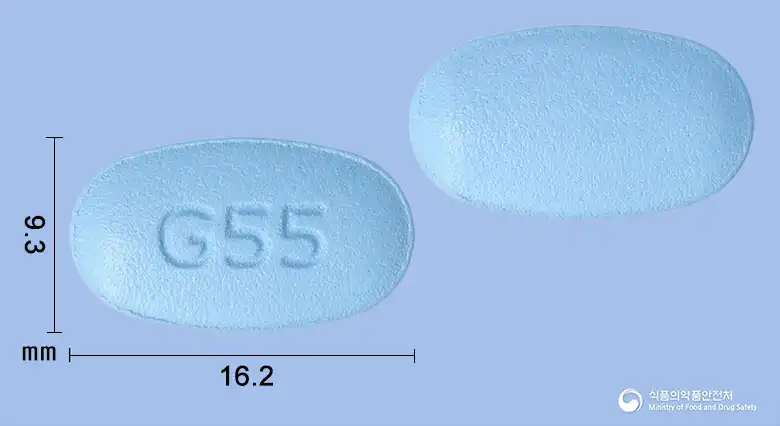
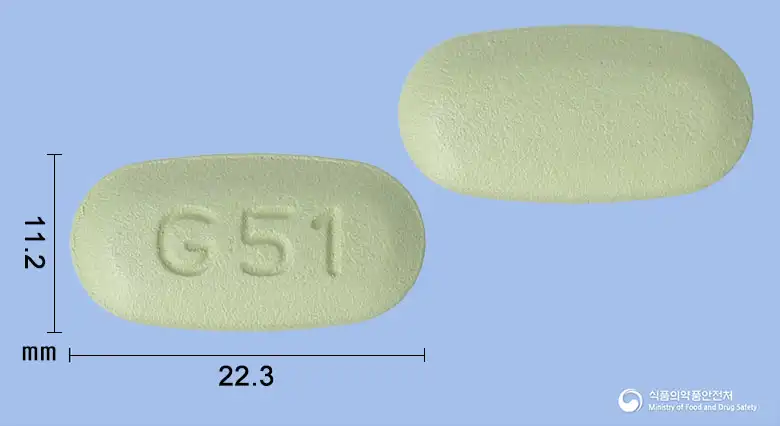
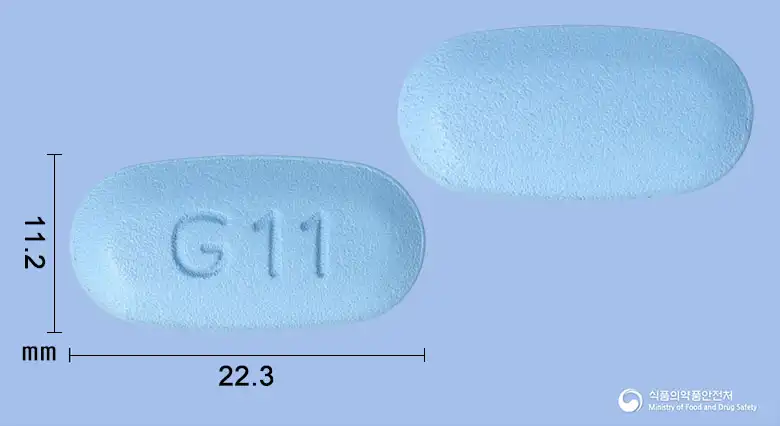
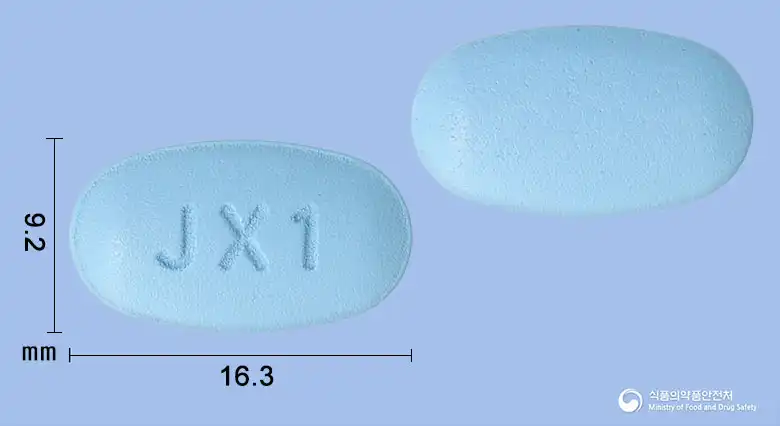
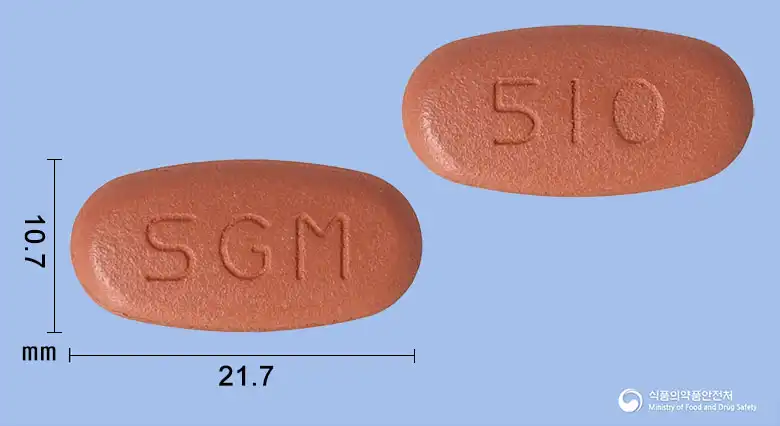
Brown oval film-coated tablets
Package unit
60 tablets/box [10 T/PTP*6]
Same-ingredient medicines
Even with the same ingredient, strength, dosage form and how it is taken can differ.
Even with the same ingredient, the dose and directions can differ by strength and dosage form. Talk to a doctor or pharmacist before switching from a medication you are already taking.
Questions about this medicine
No questions yet.
For anything that needs medical judgment, consult a doctor or pharmacist.
This drug information is based on data provided by the Korea Ministry of Food and Drug Safety. Consult a doctor or pharmacist for accurate dosage, administration, and usage instructions.

 한국어
한국어 English
 日本語
日本語 中文(简体)
 Viewing nowCombination