Medication info
Dapagliflozin Propanediol Hydrate / Sitagliptin Phosphate Hydrate / Metformin Hydrochloride Colloidal Silicon Dioxide Extended-Release Tablet 5/50/1000 mg

Dapagliflozin Propanediol Hydrate / Sitagliptin Phosphate Hydrate / Metformin Hydrochloride Colloidal Silicon Dioxide Extended-Release Tablet 5/50/1000 mg

Prescription medicationTablet경구
Ingredient · strength
Dapagliflozin Propanediol Hydrate›6.15mg / 1 tabletSitagliptin Phosphate Hydrate›64.25mg / 1 tabletMetformin Hydrochloride with Colloidal Anhydrous Silica›1010mg / 1 tablet
Manufacturer / importer
대원제약(주)
Appearance
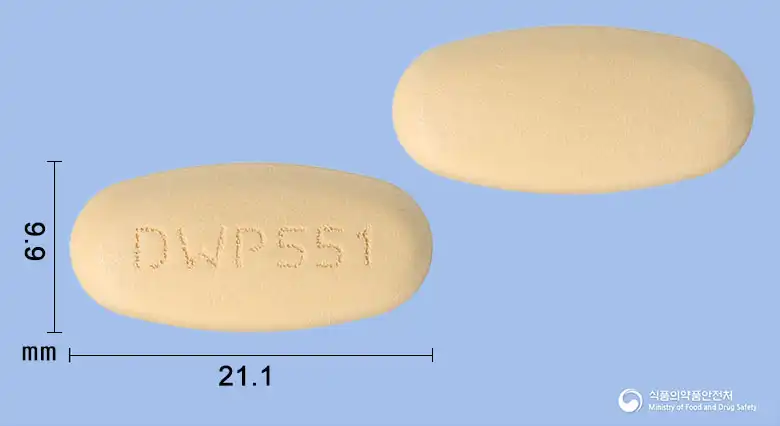
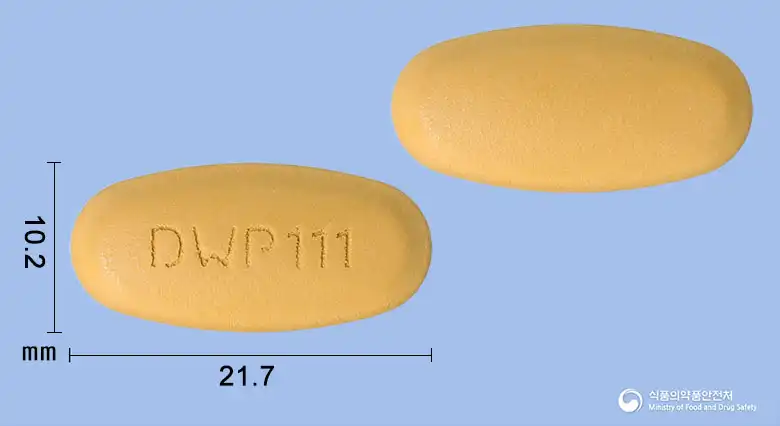
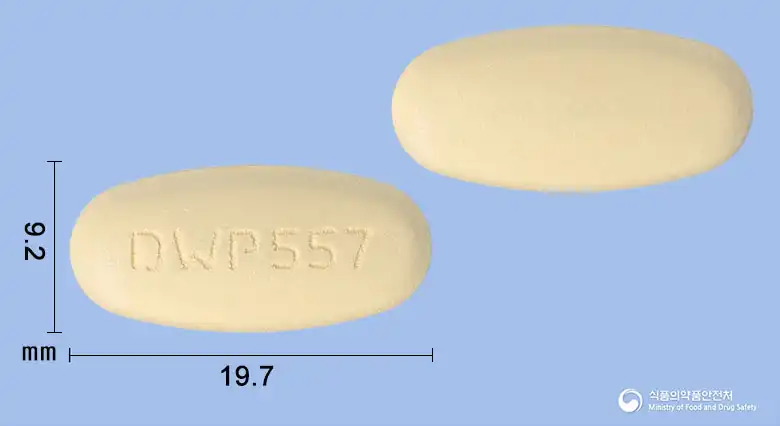
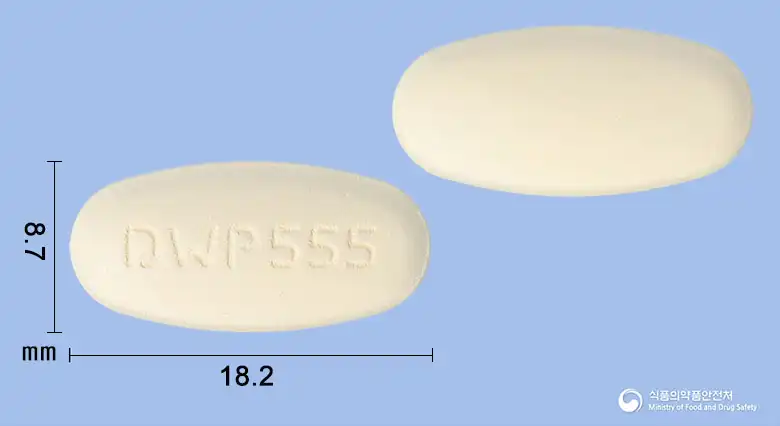
Yellow, biconvex, oval-shaped extended-release film-coated tablet
Packaging
30 tablets/bottle
Approval status
Active

MFDS item code 202302020 · Approved 2023.06.30 · Insurance code 671807750

Summary

Main use
Improvement of blood glucose control in type 2 diabetes
Who takes it
Adults
Adult dose
This medication should be taken once daily in the evening with meals to reduce gastrointestinal side effects caused by metformin hydrochloride. Patients taking the 10/100/1000 mg extended-release tablet should take 1 tablet once daily. Patients taking the 5/50/500 mg, 5/50/750 mg, and 5/50/1000 mg extended-release tablets should take 2 tablets once daily. Extended-release metformin

Ingredients

Manufacturer
대원제약(주)

Efficacy & effects

Improvement of blood glucose control in type 2 diabetes

View approved original text

This medication helps control blood glucose in patients with type 2 diabetes when used in conjunction with dapagliflozin, sitagliptin, and metformin. It is used to effectively lower blood glucose levels, complementing dietary and exercise therapies, thereby improving patients' blood glucose management for maintaining a healthy lifestyle.

How to take

Adult dose

This medication should be taken once daily in the evening with meals to reduce gastrointestinal side effects caused by metformin hydrochloride. Patients taking the 10/100/1000 mg extended-release tablet should take 1 tablet once daily. Patients taking the 5/50/500 mg, 5/50/750 mg, and 5/50/1000 mg extended-release tablets should take 2 tablets once daily. Extended-release metformin

Precautions

This medication contains sitagliptin, dapagliflozin, and metformin components and is used for diabetes treatment. Firstly, the sitagliptin component can rarely cause serious allergic reactions such as anaphylaxis or skin disorders, so if any abnormal symptoms arise, you should consult a doctor immediately. Also, acute pancreatitis may occur, so symptoms such as abdominal pain should be closely monitored, and if pancreatitis is suspected, the medication should be discontinued. Next, the dapagliflozin component works by increasing the excretion of glucose through urine, lowering blood glucose levels. This may increase the risk of genital and urinary tract infections, so appropriate treatment is necessary if infection symptoms occur. Additionally, hypotension or renal impairment may occur due to decreased fluid volume; therefore, caution should be exercised, especially in individuals with reduced renal function or the elderly. In severe cases, serious infections such as necrotizing fasciitis may occur, so immediate treatment is required if related symptoms appear. If blood glucose control is inadequate, a metabolic disorder called ketoacidosis may develop; hence, symptoms such as vomiting, abdominal pain, and difficulty breathing should be closely monitored. The metformin component poses a risk of lactic acidosis, a rare but fatal metabolic complication in patients with impaired liver and kidney function, necessitating regular renal function tests. It also carries the risk of gastrointestinal disorders, vitamin B12 deficiency, and hypoglycemia, particularly when used in conjunction with other hypoglycemic agents or alcohol. This medication should not be administered to patients with severely impaired renal function, acute heart failure, acute myocardial infarction, severe liver disease, or pregnant women. Moreover, patients scheduled for surgery or those with severe infections should temporarily discontinue the medication. During use, symptoms of hypoglycemia, infection, abdominal pain, skin rash, and reduced fluid volume should be monitored closely, and if any abnormalities occur, immediate consultation with medical personnel is essential. Regular tests of kidney and liver function should be conducted, and particularly elderly patients or those with impaired renal function require closer monitoring.

Side effects and when to seek care immediately

Serious side effects

Hives, severe swelling (angioedema), chest tightness, difficulty breathing, cold sweat, paleness, severe rash with high fever, blisters, skin peeling, pain in mucous membranes of mouth/eyes, severe allergic reactions, severe skin abnormal reactions, difficulty breathing or shortness of breath, asthma attacks, respiratory abnormalities accompanied by coughing and fever, yellowing of skin or eyes (jaundice), extreme malaise, liver abnormalities (jaundice), sudden and terrible

Mild side effects

  • Hypoglycemia
  • headache
  • nausea
  • diarrhea
  • constipation
  • dry mouth
  • muscle pain
  • lower back pain
  • dysuria
  • polyuria
Show 28 more
  • nocturia
  • itching
  • dermatitis
  • cold sweat
  • rash
  • weight gain
  • increased serum creatinine
  • weakness
  • fatigue
  • pain
  • muscle weakness
  • palpitations
  • insomnia
  • dizziness
  • dyspepsia
  • nausea
  • vomiting
  • abdominal pain
  • decreased appetite
  • vaginal discharge
  • menstrual irregularities
  • breast pain
  • tension headache
  • dizziness
  • nasopharyngitis
  • upper respiratory infection
  • nasopharyngitis
  • trachea

Not everyone experiences these, and they can vary from person to person.

Storage

This medication should be stored in a tightly sealed container to prevent exposure to air or moisture. It is best to maintain a temperature between 1 and 30 degrees Celsius.

Appearance and packaging

Appearance

Yellow, biconvex, oval-shaped extended-release film-coated tablet

Package unit

30 tablets/bottle

Same-ingredient medicines

Even with the same ingredient, strength, dosage form and how it is taken can differ.

Even with the same ingredient, the dose and directions can differ by strength and dosage form. Talk to a doctor or pharmacist before switching from a medication you are already taking.

Questions about this medicine

No questions yet.

For anything that needs medical judgment, consult a doctor or pharmacist.

Related searches

Search tags

Suggested searches

This drug information is based on data provided by the Korea Ministry of Food and Drug Safety.
Consult a doctor or pharmacist for accurate dosage, administration, and usage instructions.