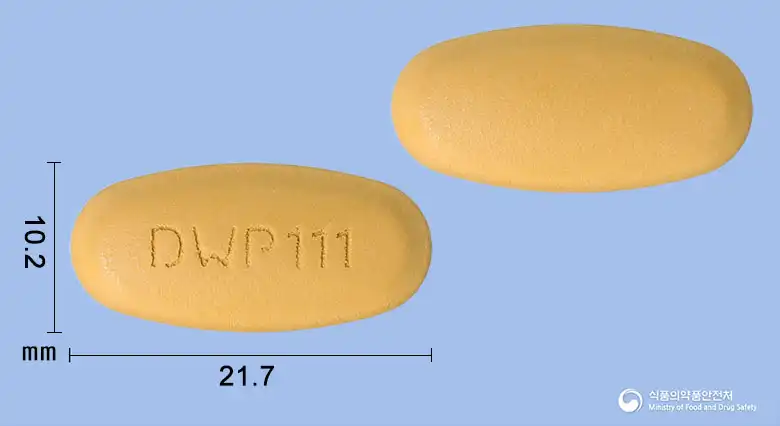
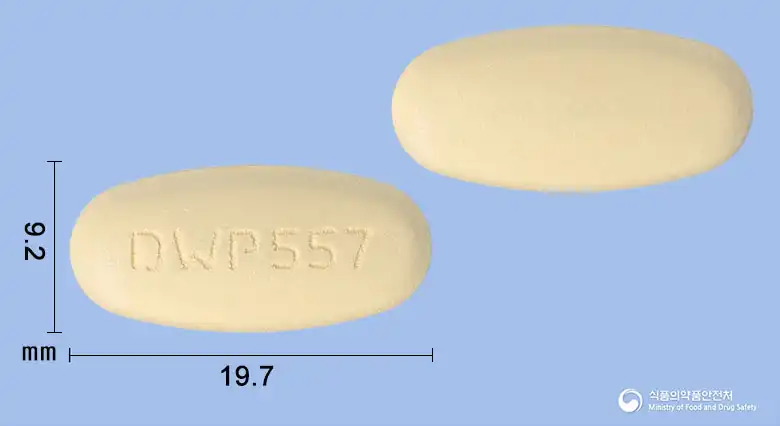
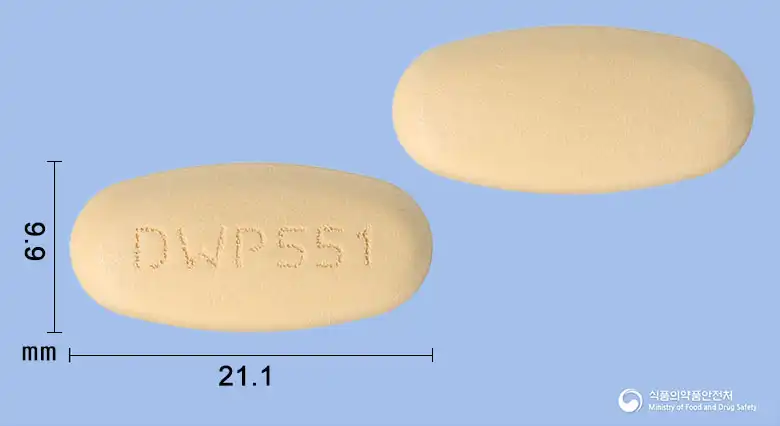
Improvement of blood sugar control in type 2 diabetes
Who takes it
Adults
Adult dose
To reduce gastrointestinal adverse reactions due to metformin hydrochloride, take this medication once daily in the evening with food.
For this medication, take one extended-release tablet of 10/100/1000 mg once daily.
For this medication, take two extended-release tablets of 5/50/500 mg, 5/50/750 mg, or 5/50/1000 mg once daily.
The starting dose of extended-release metformin hydrochloride is once daily at 50.
Improvement of blood sugar control in type 2 diabetes
View approved original textHide original text
This medication helps patients with type 2 diabetes to effectively control their blood sugar levels in conjunction with dietary changes and exercise therapy. In particular, the three ingredients - dapagliflozin, sitagliptin, and metformin - work together to help improve blood sugar levels. Therefore, this medication is used for the purpose of enhancing blood sugar control.
How to take
Adult dose
To reduce gastrointestinal adverse reactions due to metformin hydrochloride, take this medication once daily in the evening with food.
For this medication, take one extended-release tablet of 10/100/1000 mg once daily.
For this medication, take two extended-release tablets of 5/50/500 mg, 5/50/750 mg, or 5/50/1000 mg once daily.
The starting dose of extended-release metformin hydrochloride is once daily at 50.
Precautions
This medication contains sitagliptin, dapagliflozin, and metformin. Firstly, sitagliptin can rarely cause severe allergic reactions; therefore, if such symptoms occur, the medication should be immediately discontinued. Additionally, sitagliptin can cause a serious condition known as acute pancreatitis, so patients should be carefully monitored for symptoms such as abdominal pain or nausea during treatment.
Next, dapagliflozin can reduce fluid levels in the body, potentially lowering blood pressure, thus patients with risk of dehydration or hypotension should use it cautiously. Furthermore, the risk of genital and urinary tract infections may increase, requiring immediate treatment if symptoms occur. Rarely, a serious skin infection known as necrotizing fasciitis can occur; thus, if there is pain, swelling, or fever in that area, the physician should be informed immediately. This medication may also pose a risk for diabetic ketoacidosis, so if symptoms such as nausea, abdominal pain, or respiratory distress occur, the medication should be quickly discontinued and medical assistance sought.
Metformin can very rarely cause a life-threatening condition called lactic acidosis, so patients with compromised kidney function or liver function should not take this medication. Furthermore, it should be suspended in cases of excessive alcohol consumption, acute illness, or dehydration, and if early symptoms of lactic acidosis like fatigue, muscle pain, or respiratory distress occur, medical personnel must be notified immediately. Gastrointestinal disturbances are also common, thus if symptoms like nausea, vomiting, or diarrhea persist, consultation with a physician is necessary.
This medication necessitates regular checks of kidney function before and during use to ensure normal kidney function, especially for patients with impaired kidney function or elderly patients. Additionally, before any scheduled surgery or procedures utilizing radiographic contrast agents, this medication should be temporarily discontinued. Due to the risk of hypoglycemia, caution should be exercised with irregular meals, intense exercise, or concurrent use with other blood glucose-lowering agents, and any symptoms must be dealt with immediately.
Lastly, regular liver function tests are advisable during the course of this treatment, and if there are any skin blisters or rashes, the physician should be notified without delay. Since this medication can cause various serious side effects, it is important to consult with a healthcare professional immediately if any discomfort arises during use.
Side effects and when to seek care immediately
Serious side effects
Rash, severe swelling (edema), tightness in the chest, difficulty breathing, cold sweat, paleness, anaphylaxis, angioedema, Stevens-Johnson syndrome, severe rash accompanied by fever, blisters, skin peeling, pain in mucous membranes of mouth/eyes, severe skin adverse reactions, shortness of breath or difficulty breathing, asthma attacks, respiratory distress accompanied by cough and fever, jaundice (yellowing of skin or eyes), profound lethargy, liver dysfunction (jaundice)
Mild side effects
Headache
constipation
dry mouth
back pain
nocturia
genital itching
increased serum creatinine
dyslipidemia
weight loss
thirst
Show 21 moreCollapse
dizziness
nausea
diarrhea
indigestion
vomiting
abdominal pain
loss of appetite
fatigue
itching
rash
cold sweat
muscle pain
joint pain
weakness
chest pain
insomnia
orthostatic hypotension
palpitations
increased blood lactate
elevated alanine aminotransferase
elevated aspartate aminotransferase
Not everyone experiences these, and they can vary from person to person.
Storage
Store this medication in a tightly closed container to protect it from air and moisture. It is recommended to maintain the storage temperature between 1 and 30 degrees Celsius.
Even with the same ingredient, the dose and directions can differ by strength and dosage form. Talk to a doctor or pharmacist before switching from a medication you are already taking.
Questions about this medicine
No questions yet.
For anything that needs medical judgment, consult a doctor or pharmacist.
This drug information is based on data provided by the Korea Ministry of Food and Drug Safety. Consult a doctor or pharmacist for accurate dosage, administration, and usage instructions.

 한국어
한국어 English
 日本語
日本語 中文(简体)
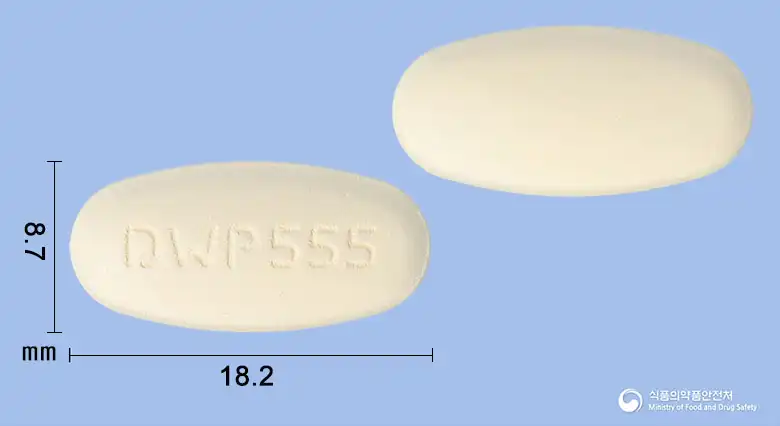 Viewing nowCombination