Medication info
Dapagliflozin Propanediol Hydrate / Sitagliptin Phosphate Hydrate / Metformin Hydrochloride Colloidal Silicon Dioxide Extended-Release Tablets 5/50/750 mg

Dapagliflozin Propanediol Hydrate / Sitagliptin Phosphate Hydrate / Metformin Hydrochloride Colloidal Silicon Dioxide Extended-Release Tablets 5/50/750 mg

Prescription medicationTabletOral
Ingredient · strength
Dapagliflozin Propanediol Hydrate›6.15mg / 1 tabletSitagliptin Phosphate Hydrate›64.25mg / 1 tabletMetformin Hydrochloride with Colloidal Anhydrous Silica›757.5mg / 1 tablet
Manufacturer / importer
Daewon Pharmaceutical Co., Ltd.
Appearance
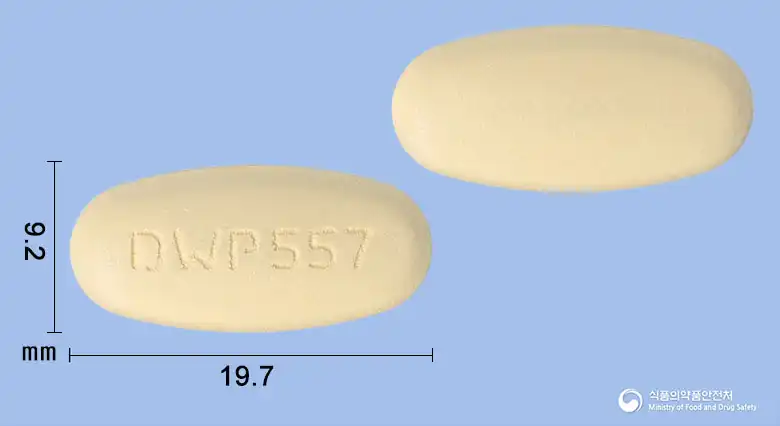
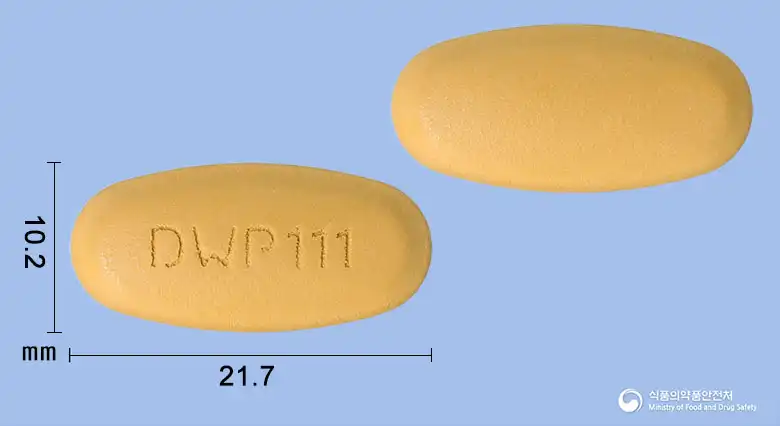
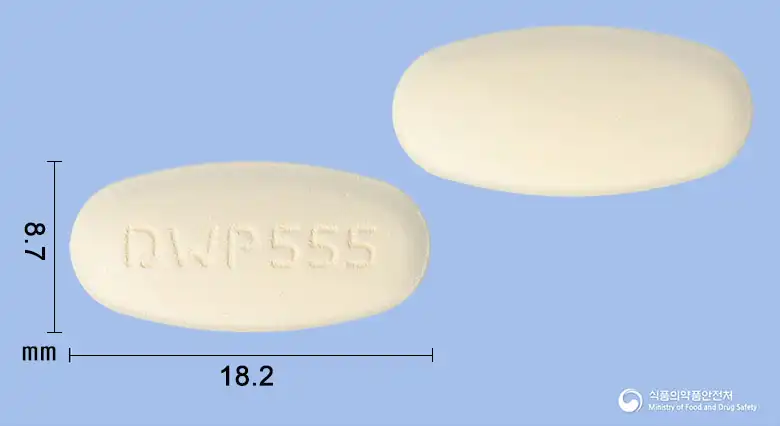
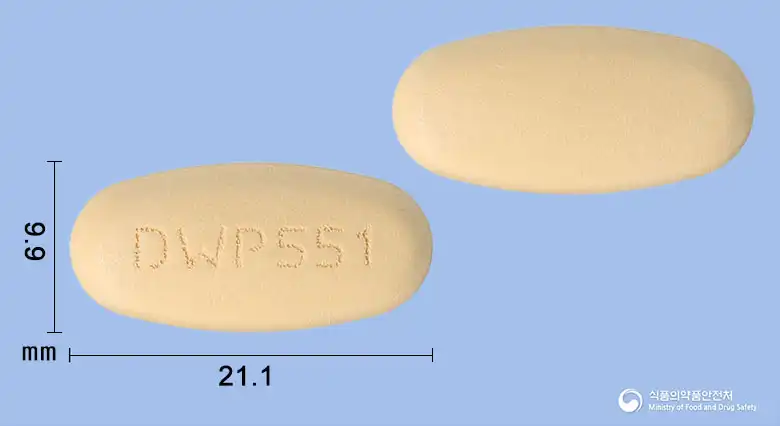
Bright yellow, oval-shaped, bi-convex extended-release film-coated tablet
Packaging
30 tablets/bottle
Approval status
Active

MFDS item code 202302018 · Approved 2023.06.30 · Insurance code 671807740

Summary

Main use
Improves blood glucose control in patients with type 2 diabetes mellitus
Who takes it
Adults
Adult dose
For antidiabetic therapy, the recommended dose of this medicine is dapagliflozin 10 mg and sitagliptin 100 mg; the dose of metformin hydrochloride extended-release, not exceeding 2000 mg, is determined based on each patient's current treatment regimen, efficacy, and tolerability. To reduce gastrointestinal adverse reactions caused by metformin hydrochloride, take this medicine once daily with a meal, preferably in the evening. If the metformin hydrochloride dose needs adjustment, adjust it gradually. Patients taking this medicine as 10/100/1000 mg extended-release tablets should take 1 tablet once daily. Patients taking this medicine as 5/50/500 mg, 5/50/750 mg, or 5/50/1000 mg extended-release tablets should take 2 tablets once daily. If adequate glycemic control cannot be achieved with combination therapy of metformin hydrochloride and sitagliptin, the initial dose of this medicine should be dapagliflozin 10 mg, sitagliptin 100 mg, and the current dose of metformin hydrochloride, or a therapeutically similar dose. For patients switching to this medicine from combination therapy with dapagliflozin, sitagliptin, and metformin hydrochloride, the dose of this medicine is the patient's existing dose of each component. The safety and efficacy of this medicine have not been specifically evaluated in patients switching from other glucose-lowering agents. Because changes may affect glycemic control, any changes in treatment for patients with type 2 diabetes should be made under close monitoring. To maintain the extended-release properties, swallow this medicine whole; do not split, crush, grind, or chew it. This medicine may not dissolve completely and may be excreted in the stool. It is not known whether the material excreted in the stool contains the active ingredients of the medicine. If a patient repeatedly reports finding this medicine in the stool, healthcare professionals should assess whether blood glucose is being adequately controlled (see Precautions, 5. General Precautions). Special populations Patients with renal impairment The efficacy and safety of this medicine depend on renal function, and dose adjustment according to renal function is necessary. Therefore, it is recommended that renal function be assessed before and periodically after administration of this medicine. No dose adjustment is necessary in patients with mild renal impairment. When the estimated glomerular filtration rate (eGFR) is 45 mL/min/1.73m2 or higher and below 60 mL/min/1.73m2, this medicine may be used by adjusting the dose of metformin hydrochloride, one of its components, provided the patient tolerates it well and has no other condition that could increase the risk of lactic acidosis. The starting dose of metformin hydrochloride extended-release is 500 mg or 750 mg once daily; therefore, treatment should not be initiated with this medicine. The maximum daily dose of metformin hydrochloride is 1000 mg. If the estimated glomerular filtration rate (eGFR) falls below 45 mL/min/1.73m2, this medicine should be discontinued immediately. Renal function should be assessed every 3~6 months.

Ingredients

Manufacturer
Daewon Pharmaceutical Co., Ltd.

Efficacy & effects

Improves blood glucose control in patients with type 2 diabetes mellitus

View approved original text

This medication is used to help control blood sugar levels in patients with Type 2 diabetes. It works in combination with dapagliflozin, sitagliptin, and metformin to support dietary practices and exercise regimens. Through this, it helps manage blood sugar levels effectively. Patients can expect positive effects on blood sugar control if they take the medication consistently.

How to take

Adult dose

For antidiabetic therapy, the recommended dose of this medicine is dapagliflozin 10 mg and sitagliptin 100 mg; the dose of metformin hydrochloride extended-release, not exceeding 2000 mg, is determined based on each patient's current treatment regimen, efficacy, and tolerability. To reduce gastrointestinal adverse reactions caused by metformin hydrochloride, take this medicine once daily with a meal, preferably in the evening. If the metformin hydrochloride dose needs adjustment, adjust it gradually. Patients taking this medicine as 10/100/1000 mg extended-release tablets should take 1 tablet once daily. Patients taking this medicine as 5/50/500 mg, 5/50/750 mg, or 5/50/1000 mg extended-release tablets should take 2 tablets once daily. If adequate glycemic control cannot be achieved with combination therapy of metformin hydrochloride and sitagliptin, the initial dose of this medicine should be dapagliflozin 10 mg, sitagliptin 100 mg, and the current dose of metformin hydrochloride, or a therapeutically similar dose. For patients switching to this medicine from combination therapy with dapagliflozin, sitagliptin, and metformin hydrochloride, the dose of this medicine is the patient's existing dose of each component. The safety and efficacy of this medicine have not been specifically evaluated in patients switching from other glucose-lowering agents. Because changes may affect glycemic control, any changes in treatment for patients with type 2 diabetes should be made under close monitoring. To maintain the extended-release properties, swallow this medicine whole; do not split, crush, grind, or chew it. This medicine may not dissolve completely and may be excreted in the stool. It is not known whether the material excreted in the stool contains the active ingredients of the medicine. If a patient repeatedly reports finding this medicine in the stool, healthcare professionals should assess whether blood glucose is being adequately controlled (see Precautions, 5. General Precautions). Special populations Patients with renal impairment The efficacy and safety of this medicine depend on renal function, and dose adjustment according to renal function is necessary. Therefore, it is recommended that renal function be assessed before and periodically after administration of this medicine. No dose adjustment is necessary in patients with mild renal impairment. When the estimated glomerular filtration rate (eGFR) is 45 mL/min/1.73m2 or higher and below 60 mL/min/1.73m2, this medicine may be used by adjusting the dose of metformin hydrochloride, one of its components, provided the patient tolerates it well and has no other condition that could increase the risk of lactic acidosis. The starting dose of metformin hydrochloride extended-release is 500 mg or 750 mg once daily; therefore, treatment should not be initiated with this medicine. The maximum daily dose of metformin hydrochloride is 1000 mg. If the estimated glomerular filtration rate (eGFR) falls below 45 mL/min/1.73m2, this medicine should be discontinued immediately. Renal function should be assessed every 3~6 months.

Precautions

This medication contains three active ingredients: sitagliptin, dapagliflozin, and metformin. Firstly, sitagliptin may rarely cause serious allergic reactions, so if any symptoms like rash, difficulty breathing, or swelling of the face or lips occur within three months of taking it, you should stop taking the medication immediately and consult a doctor. Additionally, acute pancreatitis, a serious side effect characterized by inflammation of the pancreas, has been reported, and you should seek medical attention immediately if you experience abdominal pain or vomiting. Next, dapagliflozin increases the excretion of sugar through urine, and patients with low blood pressure or dehydration are at risk of hypotension and deterioration of renal function, so caution is required. Also, genital infections and urinary tract infections may occur frequently, so it is important to maintain cleanliness and notify healthcare professionals immediately if fever or pain occurs. Rarely, necrotizing fasciitis may develop, characterized by pain, swelling, and redness in the perineum, necessitating prompt medical treatment. Metabolic disturbances such as ketoacidosis may occur, so if you experience symptoms such as nausea, vomiting, abdominal pain, or shortness of breath, you should seek medical attention immediately. Metformin may accumulate in patients with impaired renal function, posing a risk for lactic acidosis, a serious metabolic disorder, so regular renal function tests are necessary. Gastrointestinal disturbances can occur frequently, and excessive alcohol consumption should be avoided, as it can be hazardous. Additionally, vitamin B12 deficiency may occur; hence, blood tests during long-term use are necessary. This medication should not be administered to patients with moderate to severe renal impairment, acute heart failure, acute myocardial infarction, severe infections, dehydration, or hepatic dysfunction. Patients scheduled for surgery should discontinue the medication 48 hours before the procedure and can only resume once renal function is confirmed to be normal. During treatment, patients should be attentive to signs of hypoglycemia, and the risk of hypoglycemia may increase when combined with other blood glucose-lowering agents. If volume depletion is suspected, consult a doctor immediately and consider temporarily halting the medication if necessary. If any unusual symptoms or discomfort occur while taking this medication, it is essential to notify healthcare professionals immediately for appropriate evaluation.

Side effects

  • Severe allergic reactions
  • anaphylaxis
  • angioedema
  • Stevens-Johnson syndrome
  • acute pancreatitis
  • hemorrhagic pancreatitis
  • necrotizing pancreatitis
  • lactic acidosis
  • hypoglycemia
  • vulvitis
Show 218 more
  • balanitis
  • genital infections
  • fungal infections
  • perineal necrosis
  • hypoglycemia
  • polydipsia
  • diabetic ketoacidosis
  • dizziness
  • constipation
  • dry mouth
  • lumbar pain
  • dysuria
  • polyuria
  • nocturia
  • interstitial nephritis
  • vulvar itching
  • genital itching
  • elevated hematocrit
  • decreased serum creatinine clearance
  • dyslipidemia
  • elevated serum creatinine
  • elevated blood urea nitrogen
  • weight loss
  • rash
  • urosepsis
  • pyelonephritis
  • acute kidney injury
  • renal dysfunction
  • paresthesia
  • cerebral infarction
  • nerve compression
  • vesicular pemphigoid
  • myalgia
  • limb pain
  • back pain
  • interstitial lung disease
  • pruritus
  • thrombocytopenia
  • rhabdomyolysis
  • gastroesophageal reflux disease
  • upper abdominal pain
  • diverticulosis
  • bowel perforation
  • chronic pancreatitis
  • hyperglycemia
  • sinusitis
  • diverticulitis
  • pelvic inflammatory disease
  • pneumonia
  • pulmonary tuberculosis
  • asthenia
  • pain
  • ligament sprains
  • road traffic accidents
  • drug overdose
  • ankle fractures
  • hand fractures
  • pelvic fractures
  • meniscus injury
  • thoracic spine fractures
  • tibial fractures
  • keratitis
  • chronic obstructive pulmonary disease
  • hemoptysis
  • cerebral hemorrhage
  • peripheral arterial occlusion
  • angina pectoris
  • myocardial infarction
  • bile duct stones
  • cholangitis
  • alcoholic liver cirrhosis
  • depression
  • suicide attempts
  • gastric adenocarcinoma
  • anaphylactic reaction
  • acute pyelonephritis
  • chest pain
  • chronic gastritis
  • bowel perforation
  • epigastric discomfort
  • functional dyspepsia
  • erosive gastritis
  • gingival disorders
  • gingival pain
  • hemorrhoids
  • hiatal hernia
  • irritable bowel syndrome
  • melena
  • frequent bowel movements
  • urgency in urination
  • diabetic nephropathy
  • overactive bladder
  • microalbuminuria
  • stress urinary incontinence
  • urinary hesitancy
  • urinary stones
  • increased blood lactate
  • lymphocytopenia
  • weight gain
  • vitamin D deficiency
  • increased appetite
  • taste disturbances
  • drowsiness
  • tension headaches
  • carpal tunnel syndrome
  • diabetic neuropathy
  • unconsciousness
  • neuralgia
  • peripheral neuropathy
  • sleep disorders
  • syncope
  • tremors
  • bronchitis
  • herpes zoster
  • herpes simplex
  • stye
  • joint abscess
  • laryngitis
  • otitis media
  • periapical periodontitis
  • rhinitis
  • onychomycosis
  • edema
  • fever
  • foreign body sensation
  • facial edema
  • facial pain
  • warmth
  • flu-like syndrome
  • fatigue
  • peripheral edema
  • generalized edema
  • hunger
  • breast mass
  • erectile dysfunction
  • benign prostatic hyperplasia
  • breast pain
  • genital rash
  • menorrhagia
  • genital edema
  • uterine bleeding
  • vaginal bleeding
  • vulvar discomfort
  • menstrual irregularities
  • itching
  • urticaria
  • diaphoresis
  • arthralgia
  • musculoskeletal pain
  • limb pain
  • muscular weakness
  • myalgia
  • osteoarthritis
  • ligament sprains
  • diabetic retinopathy
  • cough
  • difficulty breathing
  • orthostatic hypotension
  • palpitations
  • insomnia
  • fatty liver
  • gallbladder polyps
  • tinnitus
  • dry eye
  • ocular pain
  • retinal disorders
  • visual impairment
  • blepharitis
  • cataracts
  • conjunctival edema
  • allergic conjunctivitis
  • conjunctivitis
  • diplopia
  • eyelid edema
  • glaucoma
  • visual disturbances
  • vitreous floaters
  • oropharyngeal pain
  • allergic rhinitis
  • asthma
  • voice disorders
  • nosebleeds
  • sputum
  • sleep apnea syndrome
  • wheezing
  • atherosclerosis
  • flushing
  • peripheral coldness
  • varicose veins
  • vascular headache
  • orthostatic hypotension
  • angina pectoris
  • atrial fibrillation
  • diastolic dysfunction
  • anxiety disorders
  • nocturia
  • auditory hallucinations
  • sleep disorders
  • bile duct polyps
  • liver cysts
  • vertigo
  • anal genital warts
  • gastric adenoma
  • neuroma
  • male reproductive glands deficiency
  • thyroid cysts
  • thyroid nodules
  • food allergies
  • erythrocytosis
  • dyspepsia
  • nausea
  • diarrhea
  • vomiting
  • urinary retention
  • increased alanine aminotransferase
  • increased aspartate aminotransferase
  • decreased appetite
  • headache

Not everyone experiences these, and they can vary from person to person.

Storage

This medication should be stored in a tightly sealed container to protect it from air and moisture exposure. Additionally, it should be kept away from direct sunlight and stored at room temperature between 1 and 30 degrees Celsius.

Appearance and packaging

Appearance

Bright yellow, oval-shaped, bi-convex extended-release film-coated tablet

Package unit

30 tablets/bottle

Same-ingredient medicines

Even with the same ingredient, strength, dosage form and how it is taken can differ.

Even with the same ingredient, the dose and directions can differ by strength and dosage form. Talk to a doctor or pharmacist before switching from a medication you are already taking.

Questions about this medicine

No questions yet.

For anything that needs medical judgment, consult a doctor or pharmacist.

Related searches

Search tags

Suggested searches

This drug information is based on data provided by the Korea Ministry of Food and Drug Safety.
Consult a doctor or pharmacist for accurate dosage, administration, and usage instructions.