
 한국어
한국어 English
 日本語
日本語 中文(简体)
 Viewing nowCombination
Benamet Extended-Release Tablet 0.3/1000 mg (Empagliflozin, Metformin Hydrochloride)
Enavogliflozin 0.3mg · Metformin Hydrochloride 1000mg
Tablet · Prescription medication · Combination
Daewoong Bio Co., Ltd.
MFDS item code 202302009 · Approved 2023.06.29
Improvement in blood sugar control treatment
This medication is used to help control blood sugar levels in patients with type 2 diabetes who are taking both empagliflozin and metformin. It is more effective when combined with a dietary regimen and exercise therapy and helps to manage blood sugar levels stably. This contributes to improving the health of diabetic patients and preventing complications.
This medication is administered as one tablet once daily with meals to patients receiving 0.3 mg of empagliflozin and 1000 mg of extended-release metformin hydrochloride.
This medicine contains two components: metformin hydrochloride and empagliflozin. Metformin hydrochloride helps lower blood sugar levels, but in rare cases, it can cause a serious side effect called lactic acidosis. Lactic acidosis is a condition that occurs when there is an excessive accumulation of lactic acid in the body and can manifest symptoms such as difficulty breathing, abdominal pain, and fatigue, and if untreated, can be life-threatening. There is also a risk of hypoglycemia when taking this medication, especially if meals are skipped or irregular, excessive exercise occurs, or alcohol is consumed. This medication should not be used in cases of poor kidney function or acute conditions that may affect kidney function, such as dehydration, severe infection, heart failure, acute myocardial infarction, or sepsis. Additionally, empagliflozin, one of the components of this medication, acts by promoting the excretion of glucose through urine, which can lead to urinary tract infections or genital infections. If symptoms of infection occur, consultation with a healthcare professional should be sought immediately. If surgery is planned or if tests involving iodinated contrast agents are to be conducted, administration should be temporarily discontinued, and dosing should resume only after normal kidney function has been confirmed following surgery or examination. This medication is not recommended during pregnancy or breastfeeding. Elderly patients or those with reduced kidney function should have dosages adjusted and kidney function monitored regularly. During treatment, adequate hydration is necessary to prevent symptoms of dehydration or hypotension, and any sudden weight loss should be reported to a healthcare provider. This medication should be swallowed whole and not crushed or chewed, and while the tablet shell may appear in the stool, this is normal. It is advisable to avoid alcohol consumption while taking this medication, and caution should be exercised when combined with other blood sugar-lowering agents as this may increase the risk of hypoglycemia. If an overdose occurs, medical attention should be sought immediately, especially if symptoms of lactic acidosis are suspected.
Hives, severe swelling, chest tightness, difficulty breathing, cold sweat, pallor, severe rash with high fever, blistering skin, painful mucous membranes of the mouth/eyes, difficulty breathing or breathlessness, asthma attacks, respiratory issues accompanied by coughing and fever, yellowing of the skin or eyes (jaundice), profound lethargy, sudden and severe headaches, lightning headaches, seizures, confusion, visual disturbances, paralysis, decreased urine output
Not everyone experiences these, and they can vary from person to person.
This medication should be stored in a sealed container to prevent exposure to air or moisture. The storage temperature should be maintained at room temperature between 1 and 30 degrees Celsius.
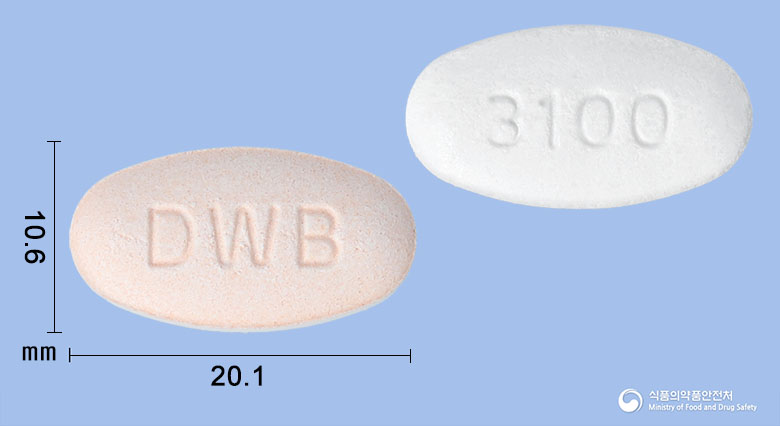
An oval extended-release bicolored tablet, white and light pink
30 tablets/bottle, 300 tablets/bottle, 28 tablets/box [(7 tablets/PTP) X 4]
Even with the same ingredient, strength, dosage form and how it is taken can differ.
Viewing nowCombinationEnavogliflozin 0.3mg · Metformin Hydrochloride 1000mg
Tablet · Prescription medication · Combination
Daewoong Bio Co., Ltd.
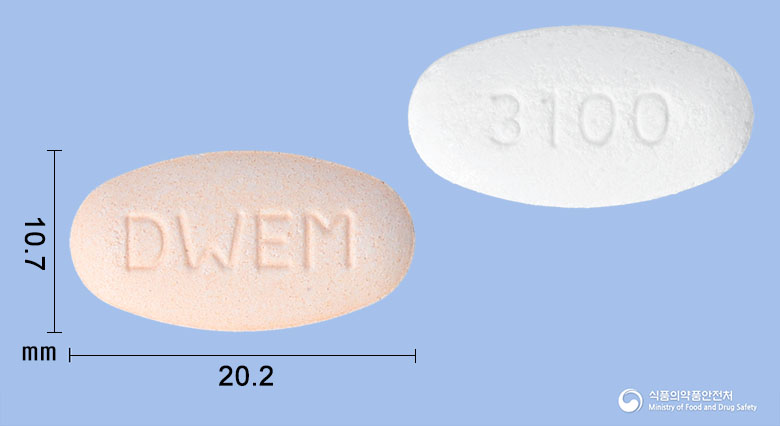 Combination
Enavogliflozin 0.3mg · Metformin Hydrochloride 1000mg
Tablet · Prescription medication · Combination
Daewoong Pharmaceutical Co., Ltd.
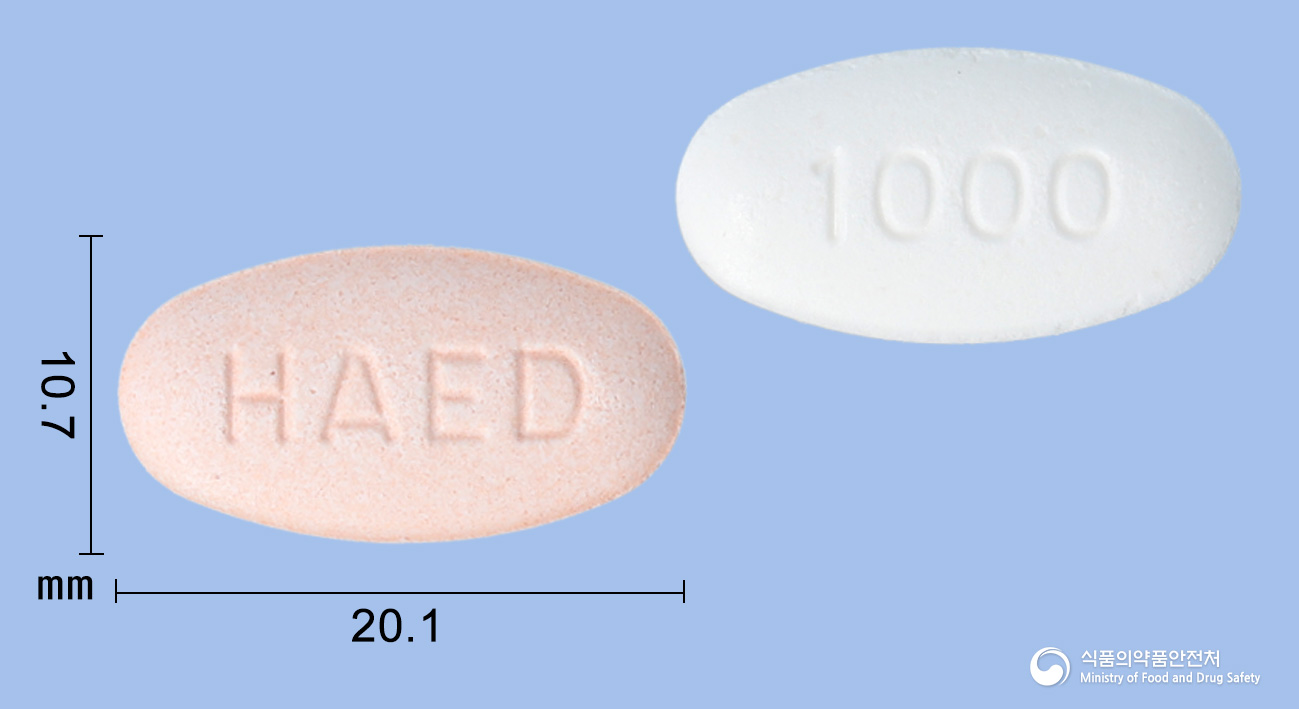 Combination
Enavogliflozin 0.3mg · Metformin Hydrochloride 1000mg
Tablet · Prescription medication · Combination
Hanol BioPharma Co., Ltd.
Even with the same ingredient, the dose and directions can differ by strength and dosage form. Talk to a doctor or pharmacist before switching from a medication you are already taking.
No questions yet.
For anything that needs medical judgment, consult a doctor or pharmacist.
This drug information is based on data provided by the Korea Ministry of Food and Drug Safety.
Consult a doctor or pharmacist for accurate dosage, administration, and usage instructions.