
 한국어
한국어 English
 日本語
日本語 中文(简体)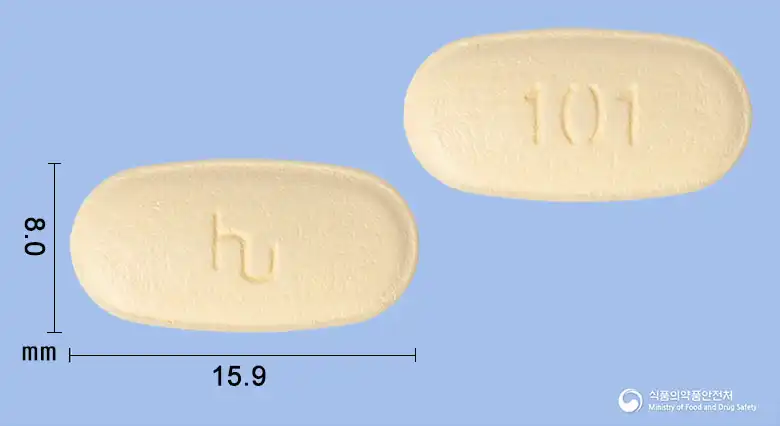
Summary
- Main use
- Improvement in blood sugar control in type 2 diabetes
- Who uses it
- Adults
- Adult dosage
- This medication can be administered as one tablet once daily without regard to meals for patients taking sitagliptin 100 mg and dapagliflozin 10 mg. The tablet should be swallowed whole.
Ingredients
- Manufacturer
- (주)휴온스
Efficacy & effects
Improvement in blood sugar control in type 2 diabetes
View approved original textHide original text
This medication helps patients with type 2 diabetes manage their blood sugar levels more effectively when combined with dietary and exercise therapies. It is a combination therapy using sitagliptin and dapagliflozin, which assists in improving blood sugar levels. Therefore, this medication is used to enhance blood sugar control in patients with type 2 diabetes.
Dosage and Administration
Adult dosage
This medication can be administered as one tablet once daily without regard to meals for patients taking sitagliptin 100 mg and dapagliflozin 10 mg. The tablet should be swallowed whole.
Precautions
This medication may rarely cause serious allergic reactions due to the sitagliptin component. Such reactions may occur within 3 months after starting treatment, so caution is required. In addition, severe side effects such as acute pancreatitis have been reported, and if symptoms of pancreatitis occur, the medication should be stopped immediately, and a doctor should be consulted. This medication should not be used by individuals allergic to its ingredients or excipients, type 1 diabetes patients, those with lactose intolerance, or patients undergoing dialysis. Patients with reduced fluid volume or poor kidney function are at risk of hypotension or kidney damage, so fluid status and kidney function should be carefully checked before administration, and symptoms should be closely monitored during treatment. The effect on blood sugar control may vary depending on kidney function, and this medication is not recommended for patients with severely impaired kidney function. During treatment, there is an increased possibility of genital and urinary tract infections, so prompt treatment should be sought if there are signs of infection. Diabetic ketoacidosis, a serious metabolic condition, may rarely occur, and if symptoms such as nausea, abdominal pain, or breathlessness appear, medical attention should be sought immediately. Elderly patients or those taking diuretics should pay special attention to fluid volume reduction and hypotension, and regular kidney function tests are recommended. Pregnant or breastfeeding women are advised not to use this medication, and if pregnancy is confirmed, treatment should be discontinued immediately. When taking this medication with insulin or sulfonylureas, there is an increased risk of hypoglycemia, so blood sugar should be monitored frequently, and dosage adjustments may be necessary if needed. In cases of overdose, there is no specific antidote, so it is essential to receive appropriate treatment based on symptoms. Care should be taken for symptoms of hypoglycemia when driving or operating machinery, especially when used in combination with insulin or sulfonylureas. The safety and efficacy of this medication has not been established in children, so it should not be used by those under 18 years of age.
Side effects and when to seek care immediately
Serious side effects
Hives, severe swelling (edema), chest tightness, difficulty breathing, cold sweat, paleness, severe rash with fever, blisters, peeling skin, pain in oral/ocular mucosa, shortness of breath or difficulty breathing, asthma attack, respiratory issues with cough and fever, yellowing of the skin or eyes (jaundice), extreme lethargy, sudden and very severe headache, thunderclap headache, seizures, confusion, vision changes, paralysis, urination
Mild side effects
- Vulvovaginitis
- balanitis and related genital infections
- urinary tract infections
- hypoglycemia
- dizziness
- constipation
- dry mouth
- back pain
- dysuria
- polyuria
Show 23 moreCollapse
- nocturia
- increased hematocrit
- elevated serum creatinine
- dyslipidemia
- headache
- dyspepsia
- nausea
- diarrhea
- vomiting
- itching
- sweating
- dermatitis
- dry skin
- decreased appetite
- palpitations
- insomnia
- weight loss
- weakness
- fatigue
- chest pain
- fever
- facial swelling
- facial pain
Not everyone experiences these, and they can vary from person to person.
Storage
This medication should be stored in a tightly sealed container to protect it from air or moisture. The recommended storage temperature is between 1 degree and 30 degrees Celsius at room temperature.
Appearance and packaging
Appearance
Yellow oblong film-coated tablets
Package unit
28 tablets/box [7 tablets/PTP×4]
Questions about this medicine
No questions yet.
For anything that needs medical judgment, consult a doctor or pharmacist.