
 한국어
 English
 日本語
 中文(简体)
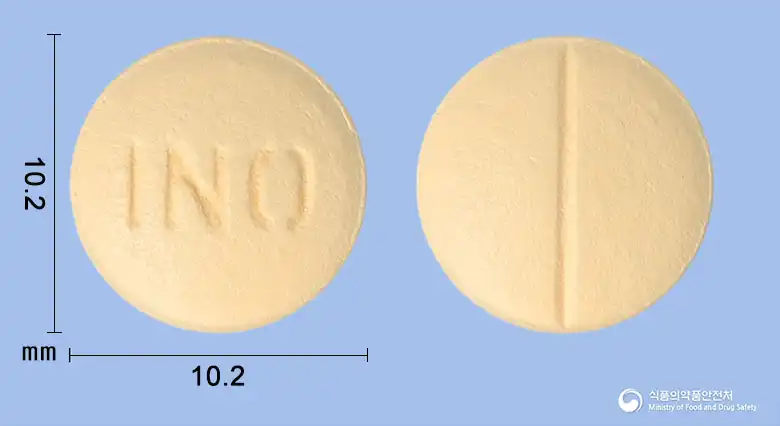 Viewing nowCombination
Dapaensita Tablet 10/100 mg
Dapagliflozin 10mg · Sitagliptin Phosphate Hydrate 128.5mg
Tablet · Prescription medication · Combination
HK inno.N Co., Ltd.
MFDS item code 202301872 · Approved 2023.06.20 · Insurance code 640007910
Improvement of glycemic control in type 2 diabetes mellitus
This medication helps improve blood glucose control more effectively when taken with diet and exercise therapy by patients with type 2 diabetes. Dapagliflozin and sitagliptin act together to stabilize blood glucose levels and are used for the treatment of individuals who have difficulty managing their blood glucose levels.
This medicine may be administered to patients taking sitagliptin 100 mg and dapagliflozin 10 mg as 1 tablet once daily, with or without food. The tablet should be swallowed whole. Patients with renal impairment The efficacy and safety of this medicine depend on renal function. Renal function should be assessed before and periodically after treatment with this medicine. - No dose adjustment is required if the estimated glomerular filtration rate [eGFR] is 45 mL/min/1.73m2 or higher. - Do not administer this medicine if the estimated glomerular filtration rate (eGFR) is less than 45 mL/min/1.73 m2. Patients with hepatic impairment No dose adjustment is required in patients with mild or moderate hepatic impairment. Use of this medicine is not recommended in patients with severe hepatic impairment.
This medication is used for the treatment of diabetes, and caution is required during administration. First, allergic reactions may occur while taking this medication, so if symptoms such as skin rash, difficulty breathing, or swelling of the face or neck occur, you should stop taking it immediately and consult a doctor. In addition, serious inflammation of the pancreas known as pancreatitis may rarely occur, so if you experience abdominal pain, vomiting, or persistent abdominal discomfort, you should notify medical personnel immediately. This medication should not be used in patients with severely impaired kidney function or those on dialysis, and dosage adjustments may be necessary for patients with mildly impaired kidney function. It is important to evaluate fluid volume status and kidney function before use, and particularly elderly patients or those on diuretics should be closely monitored for signs of dehydration or hypotension. Because this medication has a blood glucose-lowering effect, there may be an increased risk of hypoglycemia when taken with other blood glucose-lowering agents, such as insulin or sulfonylureas, and dosage adjustments may be necessary. Weight loss may occur, and there is a possibility of genital infections or urinary tract infections, so appropriate treatment should be sought if related symptoms appear. Pregnant or breastfeeding women are advised not to use this medication, and if planning to become pregnant or if pregnancy is confirmed, discontinuation is recommended. The safety and efficacy of this medication have not been established in children under 18 years, and it should not be used in this age group. In cases of overdose, there is no specific antidote, so appropriate treatment should be provided based on symptoms, and some may be removed through hemodialysis. While taking this medication, there may be risks associated with driving or operating machinery due to symptoms of hypoglycemia, so caution is advised. Finally, this medication should be kept out of the reach of children and stored in its original container to maintain quality.
Severe allergic reactions, anaphylaxis, angioedema, Stevens-Johnson syndrome, acute pancreatitis, hemorrhagic pancreatitis, necrotizing pancreatitis, genital infections, vulvovaginitis, balanitis, urinary tract infections, fungal infections, perineal necrosis, hypoglycemia, fluid volume depletion, thirst, diabetic ketoacidosis, dizziness, constipation, dry mouth, back pain, dysuria, polyuria, nocturia, vulvar pruritus, genital pruritus, elevated hematocrit, reduced renal creatinine clearance, dyslipidemia, elevated serum creatinine, elevated blood urea, weight loss, rash, urosepsis, pyelonephritis, acute kidney injury, renal dysfunction, gastroesophageal reflux disease, upper abdominal pain, diverticulosis, bowel perforation, chronic pancreatitis, hyperglycemia, paresthesia, cerebral infarction, nerve compression, vesicular pemphigoid, myalgia, limb pain, back pain, interstitial lung disease, pruritus, thrombocytopenia, rhabdomyolysis, sinusitis, diverticulitis, pelvic inflammatory disease, pneumonia, pulmonary tuberculosis, asthenia, pain, ligament sprain, keratitis, chronic obstructive pulmonary disease, hemoptysis, cerebral hemorrhage, peripheral artery occlusion, angina pectoris, myocardial infarction, bile duct stones, cholangitis, alcoholic cirrhosis, depression, suicide attempt, gastric adenocarcinoma, anaphylactic reaction, acute pyelonephritis, chest pain, dyspepsia, nausea, diarrhea, vomiting, urinary retention, elevated alanine aminotransferase, elevated aspartate aminotransferase, decreased appetite, fatigue, headache, nasopharyngitis, chest discomfort, vaginal discharge, menstrual irregularities, pruritus, urticaria, diaphoresis, arthralgia, musculoskeletal pain, limb pain, muscle weakness, myalgia, osteoarthritis, ligament sprain, diabetic retinopathy, cough, dyspnea, orthostatic hypotension, palpitations, insomnia, fatty liver, gallbladder polyps, tinnitus, hypoglycemia, upper respiratory infection, nasopharyngitis, headache, peripheral edema, abdominal pain, nausea, diarrhea, vaginal discharge, menstrual irregularities, hair loss, dermatitis, dry skin, allergic dermatitis, contact dermatitis, diabetic foot ulcers, hyperhidrosis dermatitis, coin dermatitis, eczema, hyperkeratosis, nail pigmentation, skin lesions, urticaria, diaphoresis, dermatitis, dry skin, hyperkeratosis, skin lesions, flank pain, fibromyalgia, limb discomfort, muscle cramps, musculoskeletal discomfort, osteoporosis, contusions, road traffic accidents, drug overdose, ankle fractures, orbital fractures, foot fractures, foreign bodies in the gastrointestinal tract, hand fractures, pelvis fractures, lacerations, ligament tears, limb injuries, meniscal injuries, skin abrasions, tendon tears, thoracic spine fractures, tibia fractures, dental injuries, dry eye, eye pain, retinal disorders, vision impairment, blepharitis, cataracts, conjunctival swelling, allergic conjunctivitis, conjunctivitis, diplopia, eyelid swelling, keratitis, ocular hypertension, visual impairment, vitreous floaters, oropharyngeal pain, allergic rhinitis, asthma, voice disorders, epistaxis, hemoptysis, sputum, sleep apnea syndrome, wheezing, arteriosclerosis, flushing, peripheral coldness, varicose veins, vascular headaches, orthostatic hypotension, angina pectoris, atrial fibrillation, diastolic dysfunction, myocardial infarction, anxiety disorder, enuresis, auditory hallucinations, sleep disorders, suicide attempt, bile duct stones, cholangitis, alcoholic cirrhosis, liver cysts, dizziness, gastric adenocarcinoma, anal genital warts, gastric adenomas, neuromas, unspecified pituitary neoplasms, male reproductive gland hypofunction, thyroid cysts, thyroid nodules, anaphylactic reaction, food allergies, erythrocytosis
Not everyone experiences these, and they can vary from person to person.
This medication should be stored in a tightly sealed container to protect it from air or moisture, and it is safe to store at room temperature between 1 to 30 degrees Celsius. Maintaining appropriate temperature and container conditions can prolong the effectiveness of the medication.
Light yellow round film-coated tablet
30 tablets - 30 tablets/bottle
Even with the same ingredient, strength, dosage form and how it is taken can differ.
Viewing nowCombinationDapagliflozin 10mg · Sitagliptin Phosphate Hydrate 128.5mg
Tablet · Prescription medication · Combination
HK inno.N Co., Ltd.
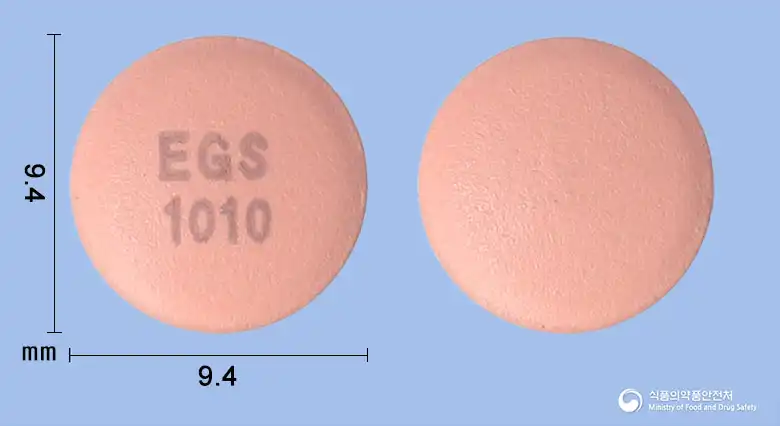 Combination
Sitagliptin Phosphate Hydrate 128.5mg · Dapagliflozin 10mg
Tablet · Prescription medication · Combination
Jongkundang Co., Ltd.
Even with the same ingredient, the dose and directions can differ by strength and dosage form. Talk to a doctor or pharmacist before switching from a medication you are already taking.
No questions yet.
For anything that needs medical judgment, consult a doctor or pharmacist.
This drug information is based on data provided by the Korea Ministry of Food and Drug Safety.
Consult a doctor or pharmacist for accurate dosage, administration, and usage instructions.