
 한국어
한국어 English
 日本語
日本語 中文(简体)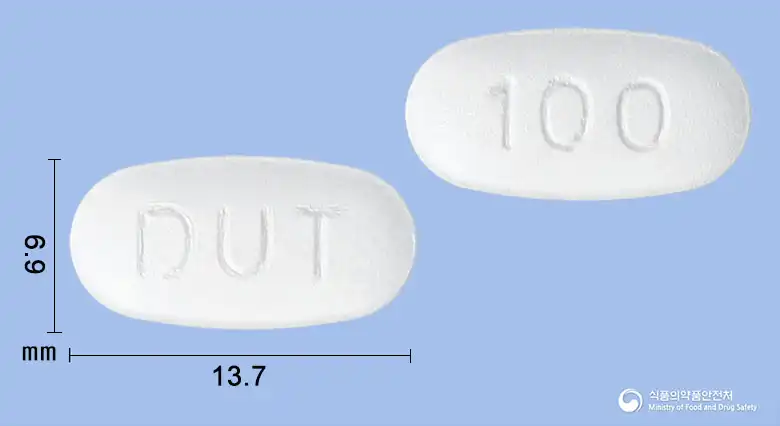
Summary
- Main use
- Improvement of blood sugar control in type 2 diabetes
- Who uses it
- Adults
- Adult dosage
- Administer one tablet containing 100 mg of sitagliptin and 10 mg of dapagliflozin once daily, regardless of meals. The tablet should be swallowed whole.
Ingredients
- Manufacturer
- 경동제약(주)
Efficacy & effects
Improvement of blood sugar control in type 2 diabetes
View approved original textHide original text
This medication helps control blood sugar levels in patients with type 2 diabetes by using sitagliptin and dapagliflozin together. It aids in effectively managing blood glucose levels in conjunction with dietary and exercise regimens. This contributes to the prevention of diabetes complications and maintaining a healthy lifestyle.
Dosage and Administration
Adult dosage
Administer one tablet containing 100 mg of sitagliptin and 10 mg of dapagliflozin once daily, regardless of meals. The tablet should be swallowed whole.
Precautions
This drug may cause severe allergic reactions due to the sitagliptin component, so it should be discontinued immediately if symptoms such as skin rash, angioedema, or difficulty breathing occur within three months of administration. Additionally, acute pancreatitis may occur, so if symptoms like abdominal pain, nausea, or vomiting arise, prompt consultation with a healthcare provider is advised. This drug should not be used in patients with allergies to the active ingredient or excipients, patients with type 1 diabetes, patients with a genetic lactose intolerance, and patients undergoing dialysis. It should be administered cautiously in patients with reduced fluid volume or kidney function impairment, especially elderly patients or those on diuretics, as they may have a higher risk of lowering blood pressure and kidney damage. The blood sugar control effect may vary based on kidney function, and it is not recommended for patients with severe kidney impairment. This medication may increase the risk of genital infections and urinary tract infections, so patients should receive immediate treatment if symptoms of infection appear, and those with a history of infections should be more vigilant. There is a risk of hypoglycemia; therefore, dose adjustment may be necessary when used in combination with insulin or sulfonylureas. Furthermore, weight loss may occur, and it is crucial to regularly assess kidney function in elderly patients. Use during pregnancy is not recommended, and administration should be avoided while breastfeeding. In case of overdose, there is no specific antidote, so symptomatic treatment is necessary, and emergency medical attention should be sought in severe cases. While taking this medication, caution is required for symptoms of hypoglycemia when driving or operating machinery. Finally, this medication should be kept out of the reach of children, and proper storage conditions should be maintained to preserve product quality.
Side effects and when to seek care immediately
Serious side effects
Urticaria, severe swelling (angioedema), chest tightness, difficulty breathing, cold sweats, pallor, severe allergic reactions, severe rash with fever, blisters, skin desquamation, pain in the oral/eye mucosa, severe skin adverse reactions, shortness of breath or difficulty breathing, asthma attacks, respiratory distress with cough and fever, respiratory issues, jaundice (yellowing of the skin or eyes), severe lethargy, liver dysfunction (jaundice), sudden
Mild side effects
- Vulvovaginal candidiasis
- balanitis and related genital infections
- urinary tract infections
- fungal infections
- hypoglycemia
- decreased fluid volume
- thirst
- constipation
- dry mouth
- back pain
Show 24 moreCollapse
- dysuria
- polyuria
- nocturia
- increased hematocrit
- dyslipidemia
- weight loss
- dizziness
- pruritus
- headache
- itching
- cold sweats
- edema
- fever
- foreign body sensation
- facial edema
- facial pain
- warmth
- flu-like symptoms
- anxiety disorder
- nocturnal enuresis
- decreased appetite
- increased appetite
- dyspepsia
- nausea
Not everyone experiences these, and they can vary from person to person.
Storage
This medication should be stored in a tightly sealed container to avoid exposure to air or moisture, and it is best kept at room temperature between 1 and 30 degrees Celsius. Storing it this way will help maintain the medication's effectiveness and prevent degradation.
Appearance and packaging
Appearance
White oblong film-coated tablets
Package unit
28 tablets/box [(7 tablets/PTP) X 4]
Questions about this medicine
No questions yet.
For anything that needs medical judgment, consult a doctor or pharmacist.