Relief of symptoms of gastric ulcer, duodenal ulcer, and gastroesophageal reflux disease, and maintenance therapy
Who takes it
Adults
Adult dose
For gastric ulcers and duodenal ulcers, the normal adult dosage is 10/600mg orally once a day. Depending on symptoms, it may be taken as 20/600mg orally once a day. Usually, treatment for gastric ulcers lasts up to 8 weeks and for duodenal ulcers lasts up to 6 weeks.
For erosive or ulcerative gastroesophageal reflux disease, the dosage is either 10/600mg or 20/600mg once a day for 4 to 8 weeks. Proton pump inhibitors (PPIs) may be given for 8 weeks.
Relief of symptoms of gastric ulcer, duodenal ulcer, and gastroesophageal reflux disease, and maintenance therapy
Gastric ulcer
duodenal ulcer
erosive gastroesophageal reflux disease
ulcerative gastroesophageal reflux disease
gastroesophageal reflux disease
View approved original textHide original text
This medication is used to treat gastric ulcers and duodenal ulcers. It is also effective for erosive or ulcerative gastroesophageal reflux disease and is used for symptom relief and long-term maintenance therapy for gastroesophageal reflux disease. This action improves gastrointestinal problems for patients.
How to take
Adult dose
For gastric ulcers and duodenal ulcers, the normal adult dosage is 10/600mg orally once a day. Depending on symptoms, it may be taken as 20/600mg orally once a day. Usually, treatment for gastric ulcers lasts up to 8 weeks and for duodenal ulcers lasts up to 6 weeks.
For erosive or ulcerative gastroesophageal reflux disease, the dosage is either 10/600mg or 20/600mg once a day for 4 to 8 weeks. Proton pump inhibitors (PPIs) may be given for 8 weeks.
Precautions
This drug should not be used by patients with allergic reactions to specific ingredients or those taking certain medications, pregnant or nursing women, and patients with severely impaired kidney or liver function.
Caution should be taken when prescribing to those with liver impairment, elderly patients, or those with a history of drug allergies.
If allergic symptoms such as skin rash, itching, or difficulty breathing occur during treatment, the medication should be stopped immediately, and a doctor should be consulted.
It is important to have regular blood tests or liver function tests to monitor for any adverse reactions.
Long-term use may increase the risk of fractures, and magnesium levels may decrease, so supplementation may be necessary if required.
This drug reduces gastric acid secretion, which may increase the risk of bacterial infection in the gastrointestinal tract, so persistent diarrhea should be reported to a doctor.
Caution is advised when driving or operating machinery as drowsiness may occur.
If taken simultaneously with other medications, there may be drug interactions, so it is essential to inform the doctor or pharmacist of any current medications.
It is safer not to use during pregnancy or while breastfeeding.
This drug should not be chewed or crushed and should be swallowed whole, and it should be stored in a cool, dry place out of reach of children.
Not everyone experiences these, and they can vary from person to person.
Storage
This drug may be sensitive to air and moisture, so it should be stored in a sealed container. It is advisable to maintain a storage temperature between 1 and 30 degrees Celsius. This will help to preserve the drug's efficacy over time.
Appearance and packaging
Appearance
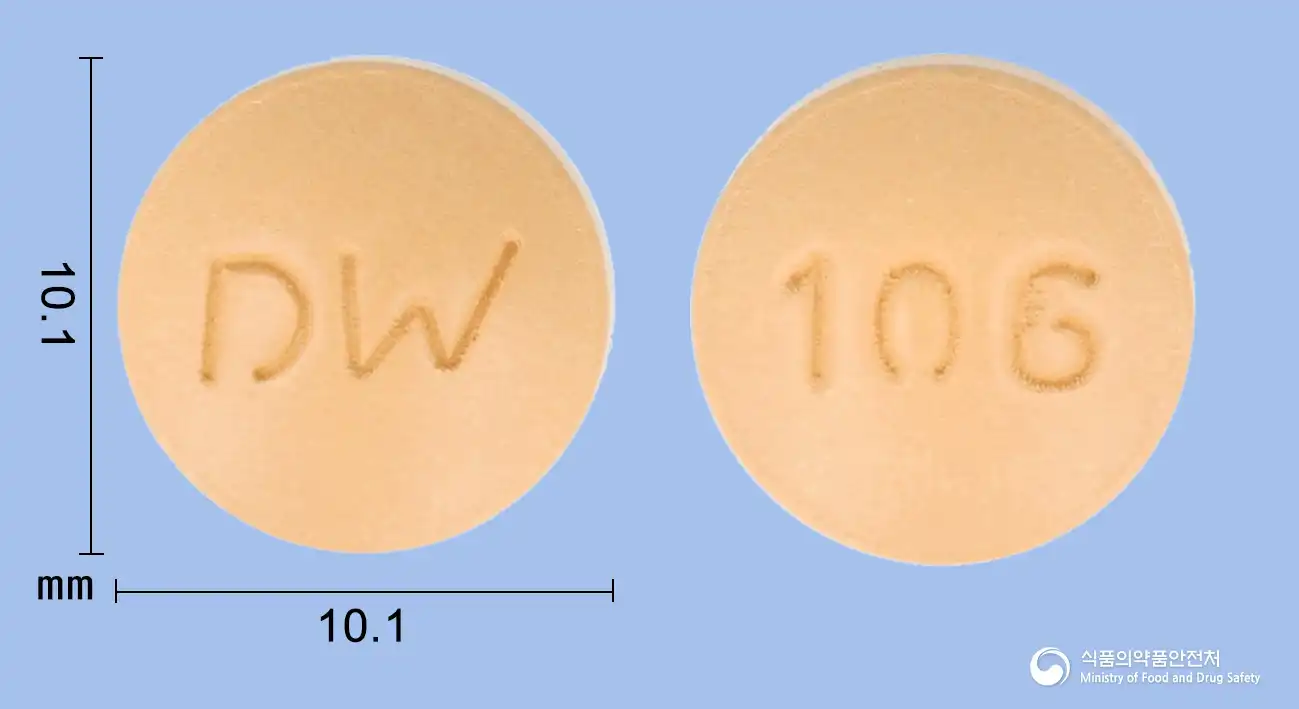
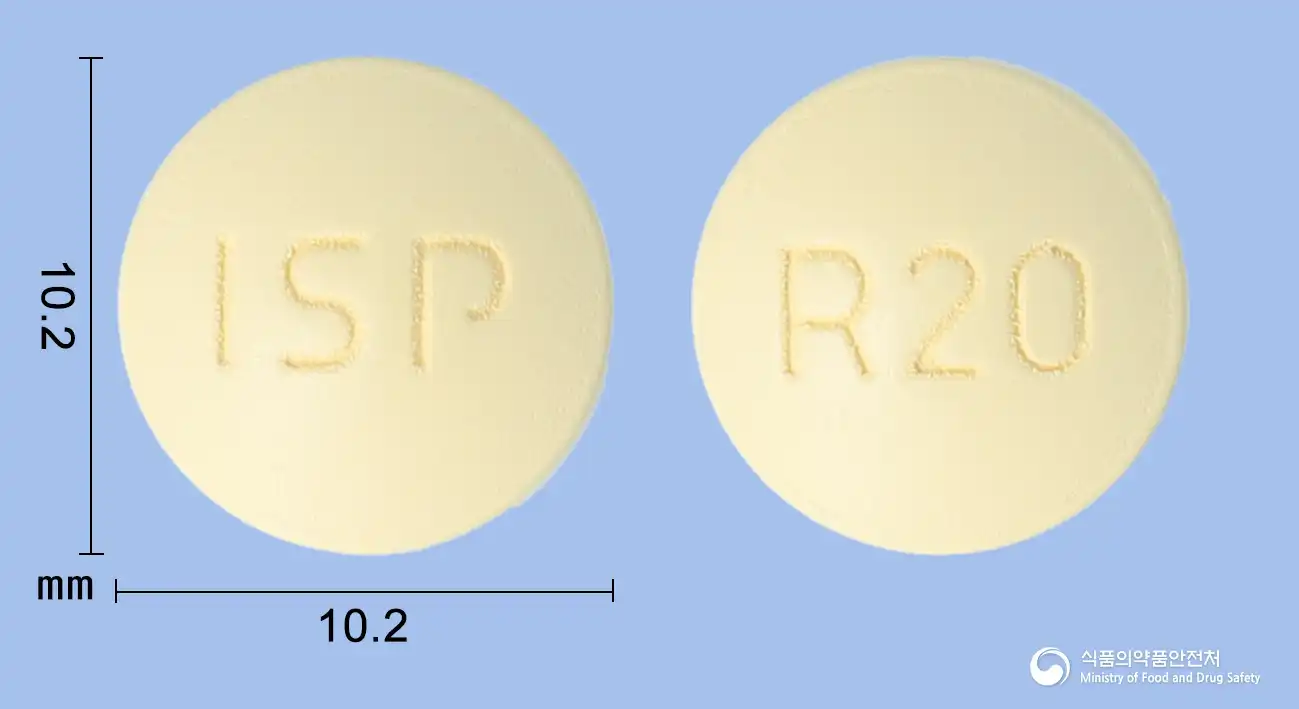
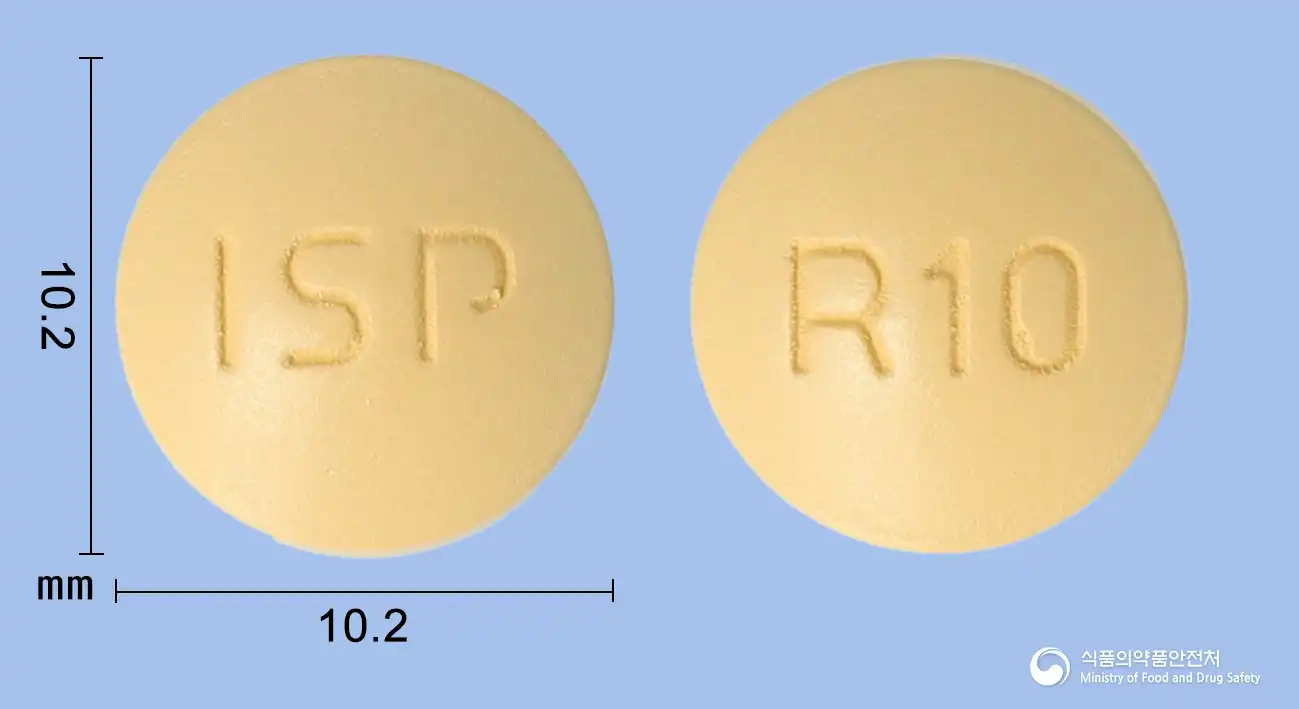
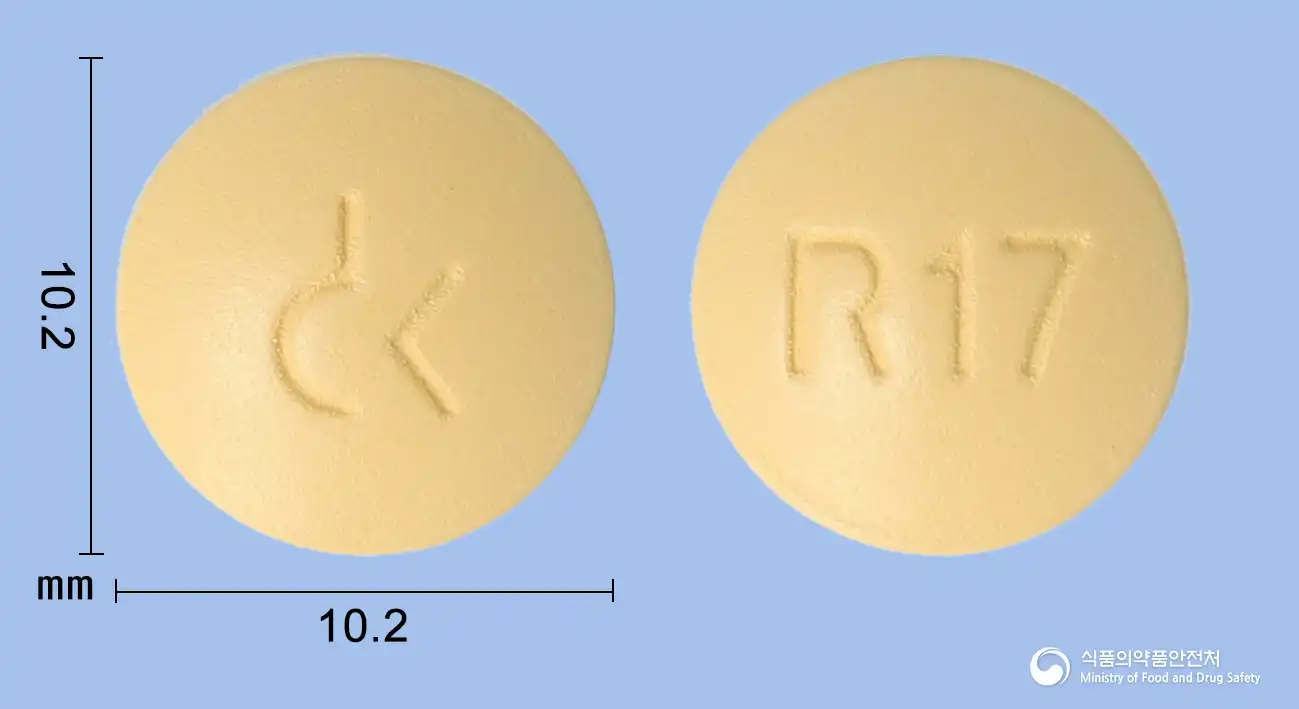
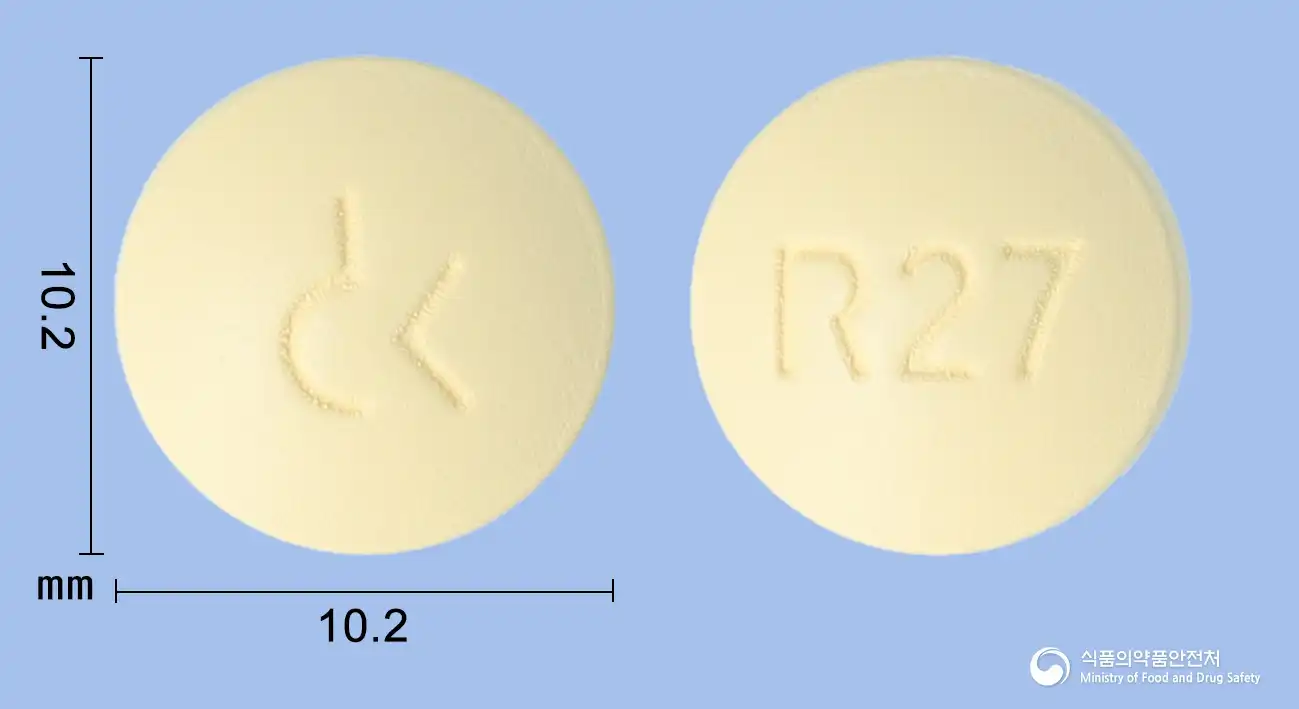
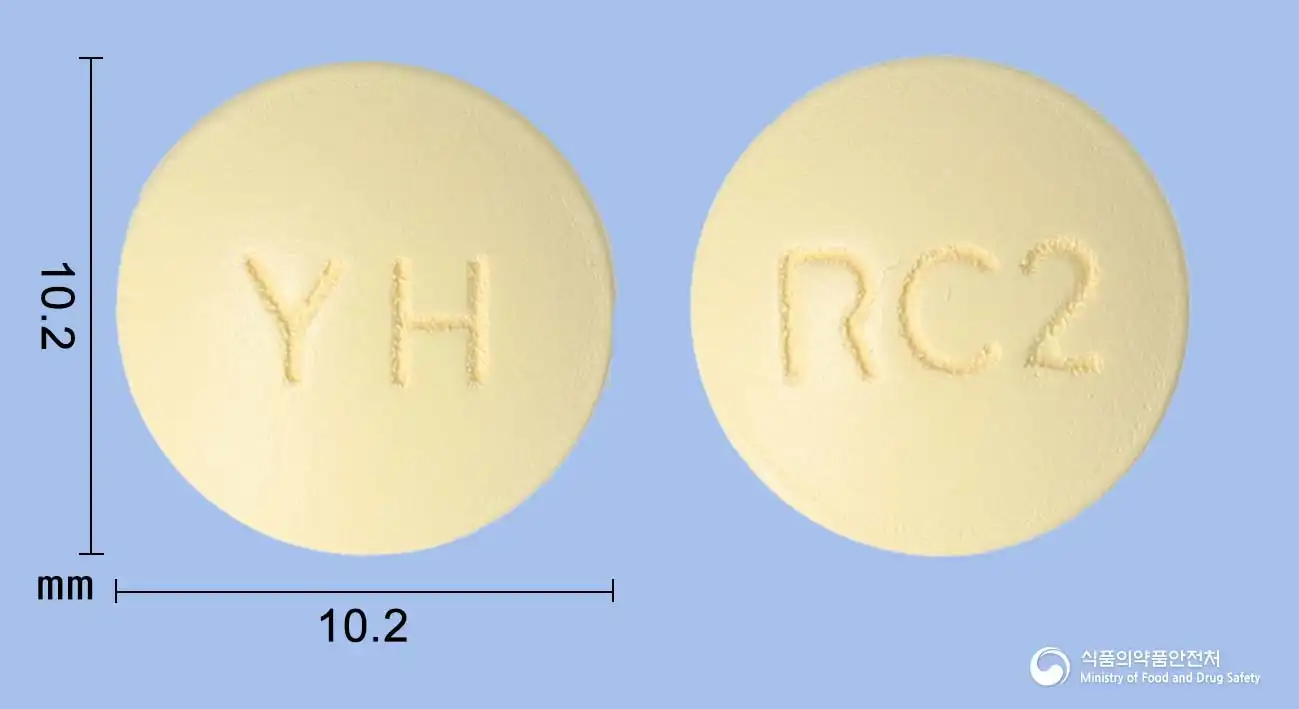
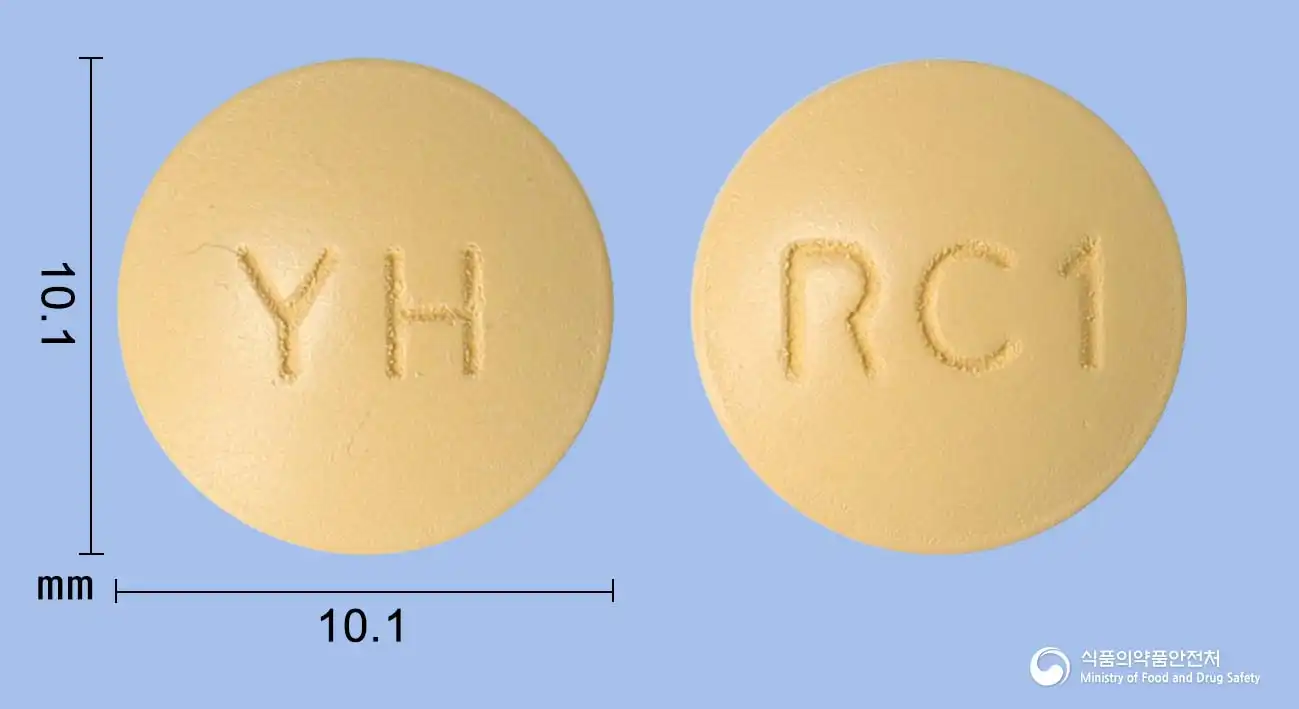
Pale yellow, round film-coated tablet
Package unit
28 tablets/bottle
Same-ingredient medicines
Even with the same ingredient, strength, dosage form and how it is taken can differ.
Even with the same ingredient, the dose and directions can differ by strength and dosage form. Talk to a doctor or pharmacist before switching from a medication you are already taking.
Questions about this medicine
No questions yet.
For anything that needs medical judgment, consult a doctor or pharmacist.
This drug information is based on data provided by the Korea Ministry of Food and Drug Safety. Consult a doctor or pharmacist for accurate dosage, administration, and usage instructions.

 한국어
한국어 English
 日本語
日本語 中文(简体)
 Viewing nowCombination