Treatment of dyslipidemia and hypertension, relief of angina, and reduction of the risk of hospitalization and revascularization
Who takes it
Adults
Adult dose
The recommended dose of this medicine is 1 tablet once daily, taken with water regardless of meals. It is recommended to take it at the same time each day, if possible (e.g., in the morning).
This medicine is for adults only. The dose should be individualized for each patient based on the efficacy and tolerability of amlodipine and the ezetimibe/atorvastatin combination.
Swallow this medicine whole without chewing, dividing, or crushing it.
Patients taking amlodipine and the ezetimibe/atorvastatin combination concomitantly may switch to this medicine (a combination product with the same amounts of each active ingredient) for convenience.
○ Amlodipine
<Adults>
Administer amlodipine orally at 5mg once daily; the dose may be increased to a maximum of 10 mg once daily according to the patient's response. Adjust the dose as appropriate according to age and symptoms.
○ Ezetimibe/atorvastatin combination
This medicine is administered once daily, regardless of meals.
Patients must continue a standard cholesterol-lowering diet before and during treatment with this medicine.
The dose of this medicine should be adjusted according to the patient's baseline LDL cholesterol level, recommended treatment goal, and response.
Primary hypercholesterolemia
The dose range of the ezetimibe/atorvastatin combination is 10/10mg to 10/80mg once daily. The recommended initial dose is 10/10mg or 10/20mg once daily. For patients requiring a greater reduction in LDL cholesterol (55% or more), the recommended initial dose is 10/40mg once daily. After starting this medicine or adjusting the dose, check blood lipid levels at intervals of at least 2 weeks and adjust the dose accordingly.
Homozygous familial hypercholesterolemia
The recommended dose for patients with homozygous familial hypercholesterolemia is 10/40mg or 10/80mg once daily. Administer this medicine as an adjunct to other lipid-lowering treatments (e.g., LDL apheresis) or when other lipid-lowering treatments are not useful.
Treatment of dyslipidemia and hypertension, relief of angina, and reduction of the risk of hospitalization and revascularization
Hypertension
fixed occlusion of the coronary arteries
coronary vascular spasms
vasoconstriction
myocardial ischemia
primary hypercholesterolemia
heterozygous familial hypercholesterolemia
non-familial hypercholesterolemia
mixed dyslipidemia
homozygous familial hypercholesterolemia.
View approved original textHide original text
This medication is administered to patients with angina symptoms due to hypertension or coronary artery disease, and particularly helps improve myocardial ischemia caused by vasoconstriction or vascular spasms. Additionally, in patients recently confirmed with coronary artery disease through angiography without heart failure and with normal cardiac output, it effectively reduces the risk of hospitalization due to angina and decreases the risks associated with coronary artery revascularization. Moreover, it assists in lowering bad cholesterol levels and raising good cholesterol levels in patients with primary hypercholesterolemia and mixed dyslipidemia. Especially for patients with homozygous familial hypercholesterolemia, this medication is used either in conjunction with other treatments or as an alternative treatment, and it is expected to reduce morbidity and mortality associated with cardiovascular diseases. This medication is used effectively to manage cardiovascular disease and hyperlipidemia.
How to take
Adult dose
The recommended dose of this medicine is 1 tablet once daily, taken with water regardless of meals. It is recommended to take it at the same time each day, if possible (e.g., in the morning).
This medicine is for adults only. The dose should be individualized for each patient based on the efficacy and tolerability of amlodipine and the ezetimibe/atorvastatin combination.
Swallow this medicine whole without chewing, dividing, or crushing it.
Patients taking amlodipine and the ezetimibe/atorvastatin combination concomitantly may switch to this medicine (a combination product with the same amounts of each active ingredient) for convenience.
○ Amlodipine
<Adults>
Administer amlodipine orally at 5mg once daily; the dose may be increased to a maximum of 10 mg once daily according to the patient's response. Adjust the dose as appropriate according to age and symptoms.
○ Ezetimibe/atorvastatin combination
This medicine is administered once daily, regardless of meals.
Patients must continue a standard cholesterol-lowering diet before and during treatment with this medicine.
The dose of this medicine should be adjusted according to the patient's baseline LDL cholesterol level, recommended treatment goal, and response.
Primary hypercholesterolemia
The dose range of the ezetimibe/atorvastatin combination is 10/10mg to 10/80mg once daily. The recommended initial dose is 10/10mg or 10/20mg once daily. For patients requiring a greater reduction in LDL cholesterol (55% or more), the recommended initial dose is 10/40mg once daily. After starting this medicine or adjusting the dose, check blood lipid levels at intervals of at least 2 weeks and adjust the dose accordingly.
Homozygous familial hypercholesterolemia
The recommended dose for patients with homozygous familial hypercholesterolemia is 10/40mg or 10/80mg once daily. Administer this medicine as an adjunct to other lipid-lowering treatments (e.g., LDL apheresis) or when other lipid-lowering treatments are not useful.
Precautions
This medication may cause serious abnormalities in muscles, so if severe muscle pain or weakness occurs, consult a doctor immediately. In particular, it should be temporarily stopped or discontinued in cases of acute infection, hypotension, major surgery, trauma, or severe metabolic disorders. Individuals allergic to ingredients in this medication or similar drugs, those with severe liver disease, muscle disease, pregnant or potentially pregnant women, and nursing mothers should not take this medication. Alcoholics, individuals with weakened liver function, those with impaired kidney function, elderly individuals over 70 years, and those taking specific medications should use this medication with caution. This medication can affect liver function; therefore, consult a doctor if liver function test results are abnormal, and regular liver function tests should be conducted during treatment. If muscle pain, muscle weakness, fatigue, or fever occurs during the use of this medication, notify a doctor immediately, and if necessary, blood tests should be conducted to check for muscle damage. If taking this medication along with certain antibiotics, antiviral agents, immunosuppressants, or other lipid-lowering agents, the risk of muscle damage may increase, so inform the doctor of all medications being taken. Pregnant women or those planning to be pregnant should not take this medication, and those who are taking it should use appropriate contraception. Caution should be exercised as dizziness may occur when driving or operating machinery. This medication contains lactose, so those with lactose intolerance should be mindful of its use.
Side effects
Acute renal failure due to myoglobinuria
rhabdomyolysis
increased ALT
increased liver enzymes
headache
constipation
indigestion
chest pain
edema
dry eyes
Show 197 moreCollapse
herpes
ingrown toenails
ventricular tachycardia
arthralgia
flushing
fatigue
palpitations
dizziness
drowsiness
abdominal pain
nausea
weakness
lethargy
weight gain/loss
hypotension
vasculitis
tension elevation
sensory loss
sensory abnormalities
peripheral neuropathy
syncope
taste disorders
tremors
extrapyramidal disorders
erectile dysfunction
gynecomastia
dry mouth
gingival hypertrophy
pancreatitis
vomiting
hyperglycemia
muscle cramps
myalgia
leukopenia
thrombocytopenia
insomnia
mood changes
cough
dyspnea
rhinitis
hair loss
hyperhidrosis
purpura
skin discoloration
urticaria
toxic epidermal necrolysis
tinnitus
visual disturbances
increased frequency of urination
urinary disorders
nocturia
hepatitis
jaundice
increased liver enzyme levels
pruritus
rash
angioedema
erythema multiforme
myocardial infarction
arrhythmia
chest pain
hypotension
sinoatrial block
atrioventricular block
abdominal discomfort
precordial pain
diarrhea
loose stools
skin flushing
maculopapular rash
heaviness
heat sensation
impaired glucose tolerance
weakness
fatigue
lethargy
chest pain
peripheral edema
fatigue
fever
rhinosinusitis
hyperglycemia
hypoglycemia
weight gain
loss of appetite
nausea
oropharyngeal pain
epistaxis
insomnia
nightmares
dizziness
perceptual disturbances
memory loss
peripheral neuropathy
myalgia
limb pain
musculoskeletal pain
muscle cramps
joint swelling
back pain
neck pain
muscle fatigue
complications due to rupture
myopathy
myositis
rhabdomyolysis
tendon disorders
muscle rupture
lupus-like syndrome
immune-mediated necrotizing myopathy
thrombocytopenia
anaphylaxis
cholestasis
liver failure
blurred vision
visual impairment
tinnitus
hearing loss
itching
skin rash
alopecia
angioneurotic edema
vesiculobullous dermatitis
mucous membrane syndrome
gynecomastia
urinary tract infection
increased frequency of urination
cystitis
hematuria
urinary difficulties
kidney stones
nocturia
epididymitis
breast fibrocystic changes
vaginal bleeding
albuminuria
breast enlargement
cervical discharge
nephritis
urinary incontinence
urinary retention
urgency
abnormal ejaculation
uterine bleeding
pigmentation in urine
hypoglycemia
hyperglycemia
increased appetite
vascular neurogenic edema
angina
facial edema
fever
cervical stiffness
generalized edema
amblyopia
dry eyes
refractive disorders
retinal hemorrhage
auditory impairment
glaucoma
post-ictal state
loss of taste
taste disturbances
anemia
splenomegaly
decreased testosterone
increased cholinesterase
elevated TSH
increased ACTH
decreased aldosterone
increased potassium
elevated BUN
cerebral infarction
palpitations
tachycardia
elevated serum creatinine
increased blood pressure
increased serum urea
elevated CPK
abnormal liver function tests
epigastric pain
gastritis
discomfort in the epigastric region
gastrointestinal disturbances
gastroesophageal reflux disease
tongue disorders
palpitations
congestive heart failure
myocardial ischemia
sputum
runny nose
diabetic neuropathy
tremors
upper respiratory infection
conjunctival hyperemia
renal failure
liver function abnormalities
Not everyone experiences these, and they can vary from person to person.
Storage
This medication should be stored in a tightly sealed container to prevent exposure to air or moisture. It is advisable to maintain the storage temperature between 1°C and 30°C at room temperature. Storing it this way will secure the effectiveness of the medication.
Appearance and packaging
Appearance
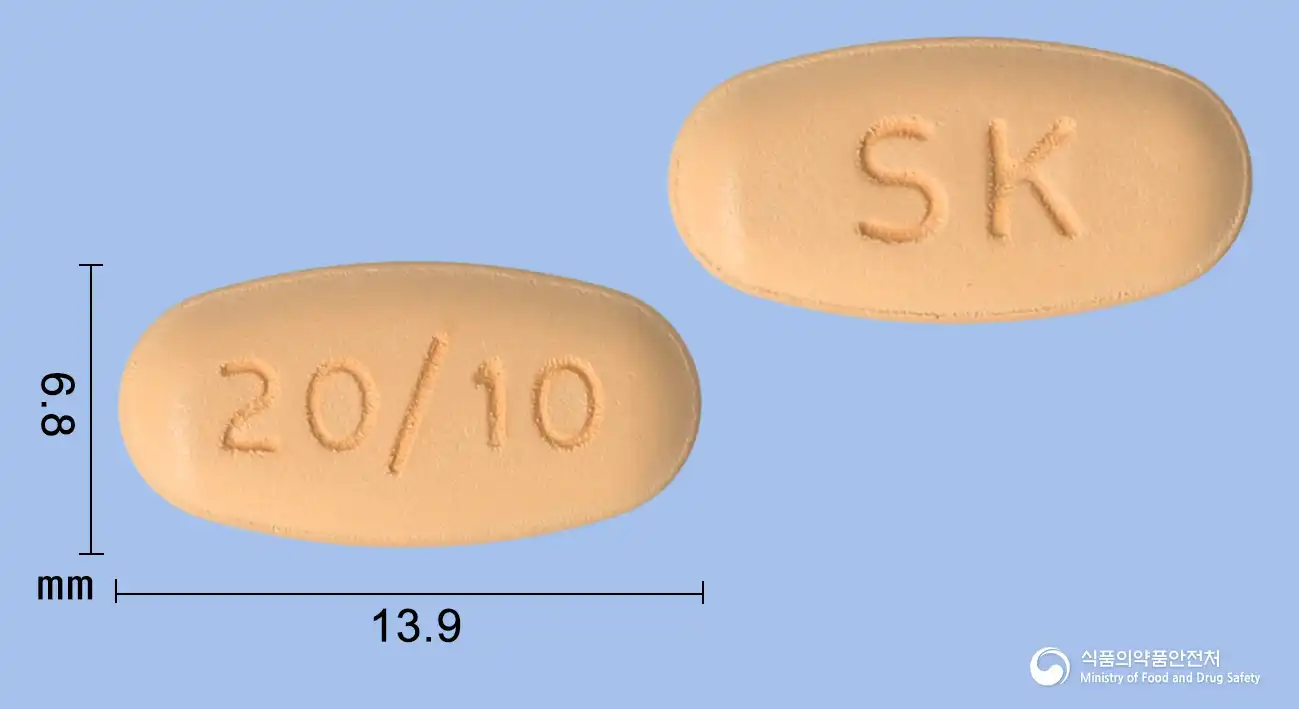
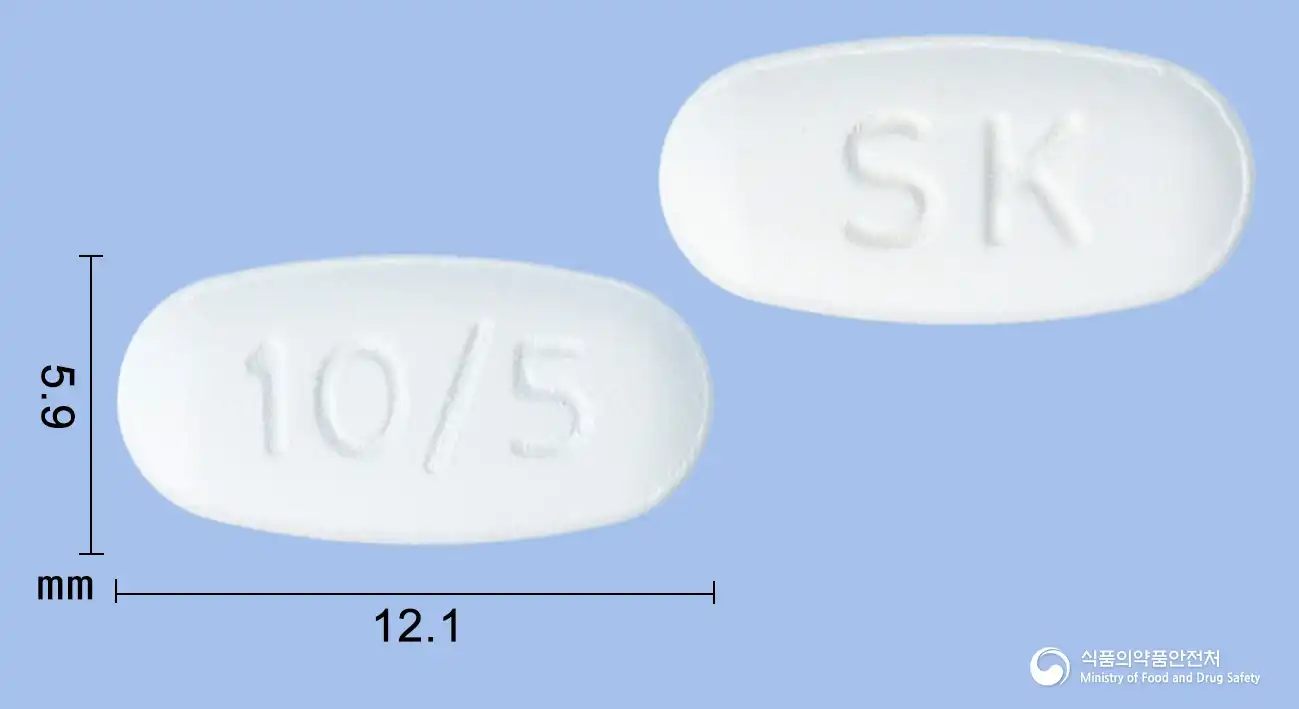
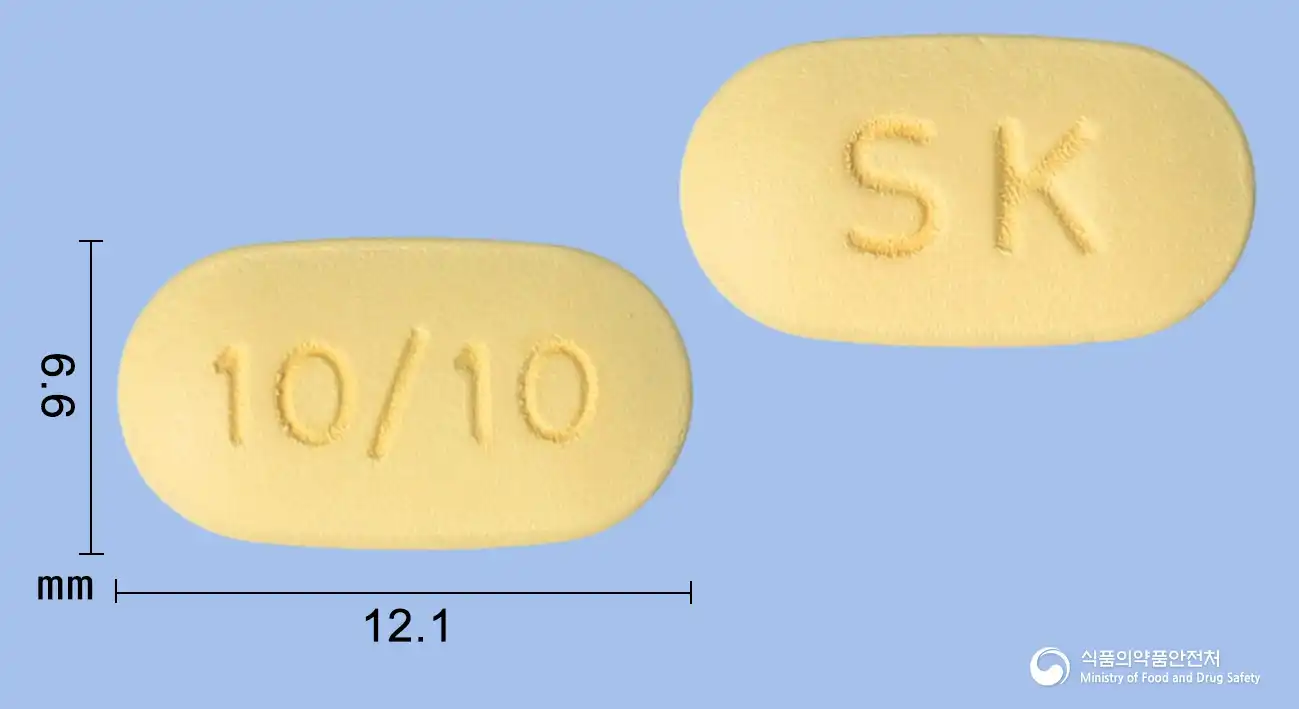
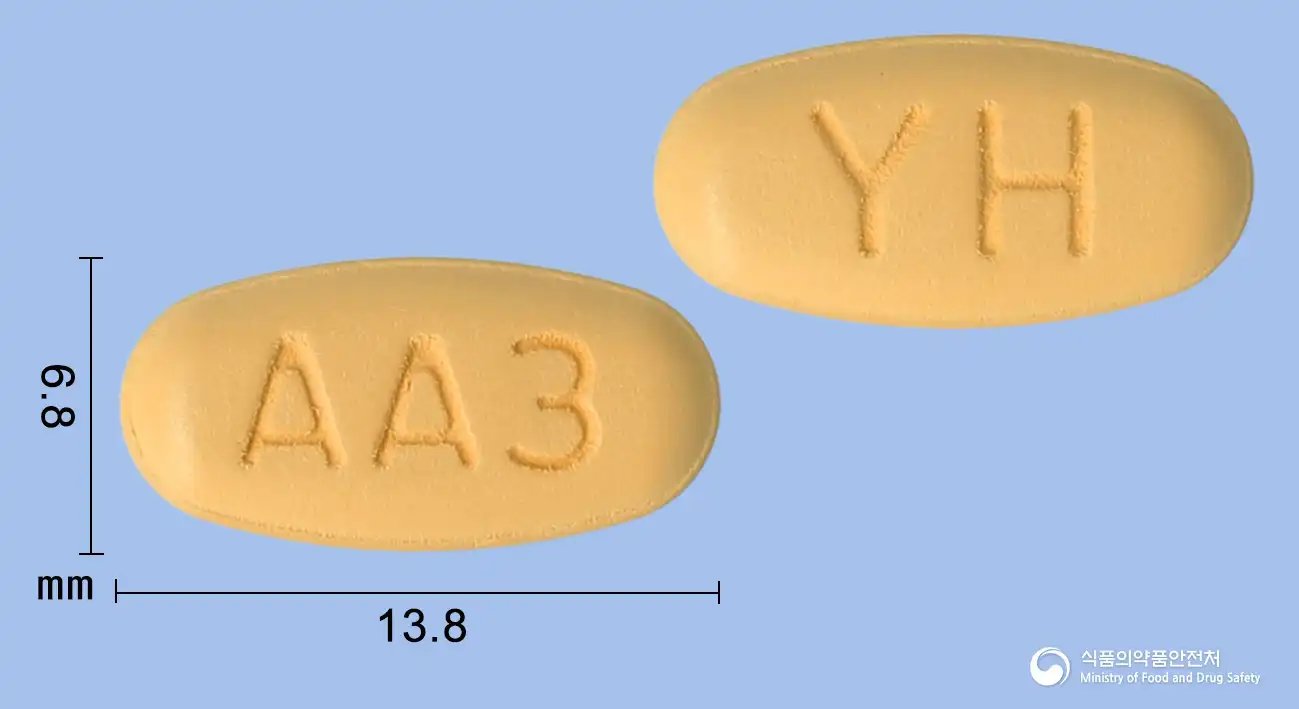
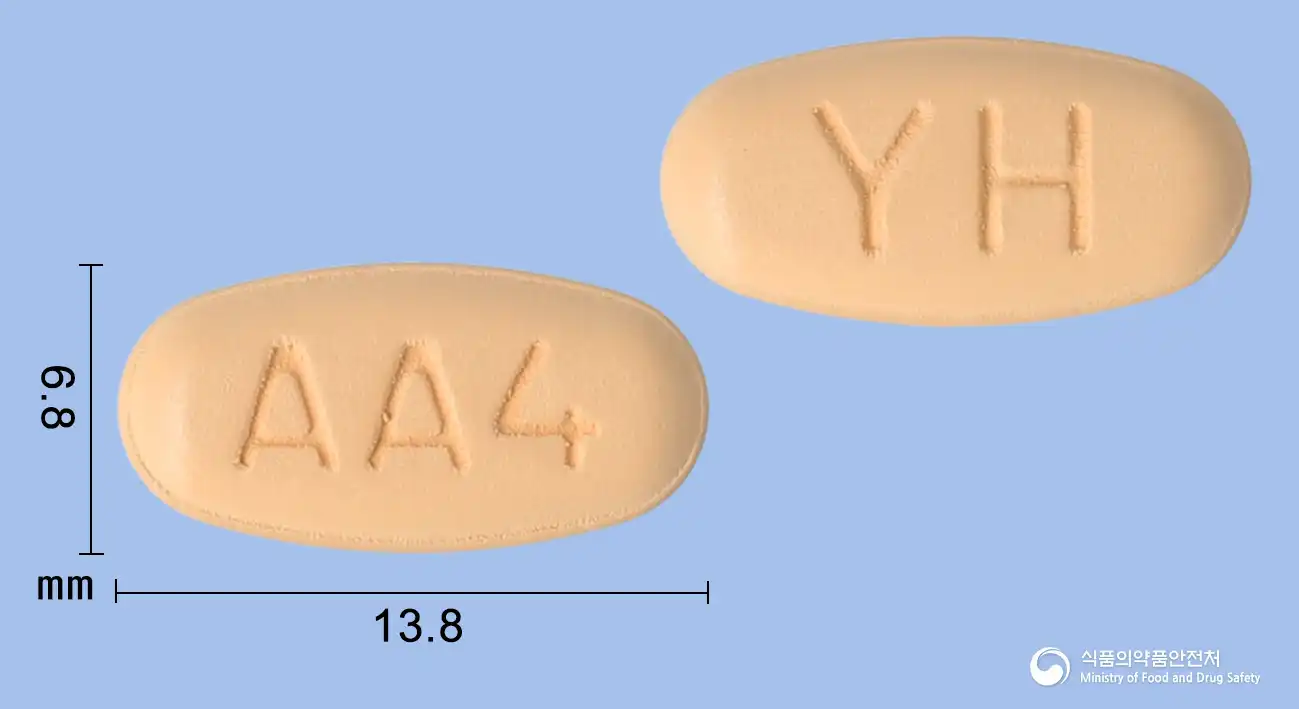
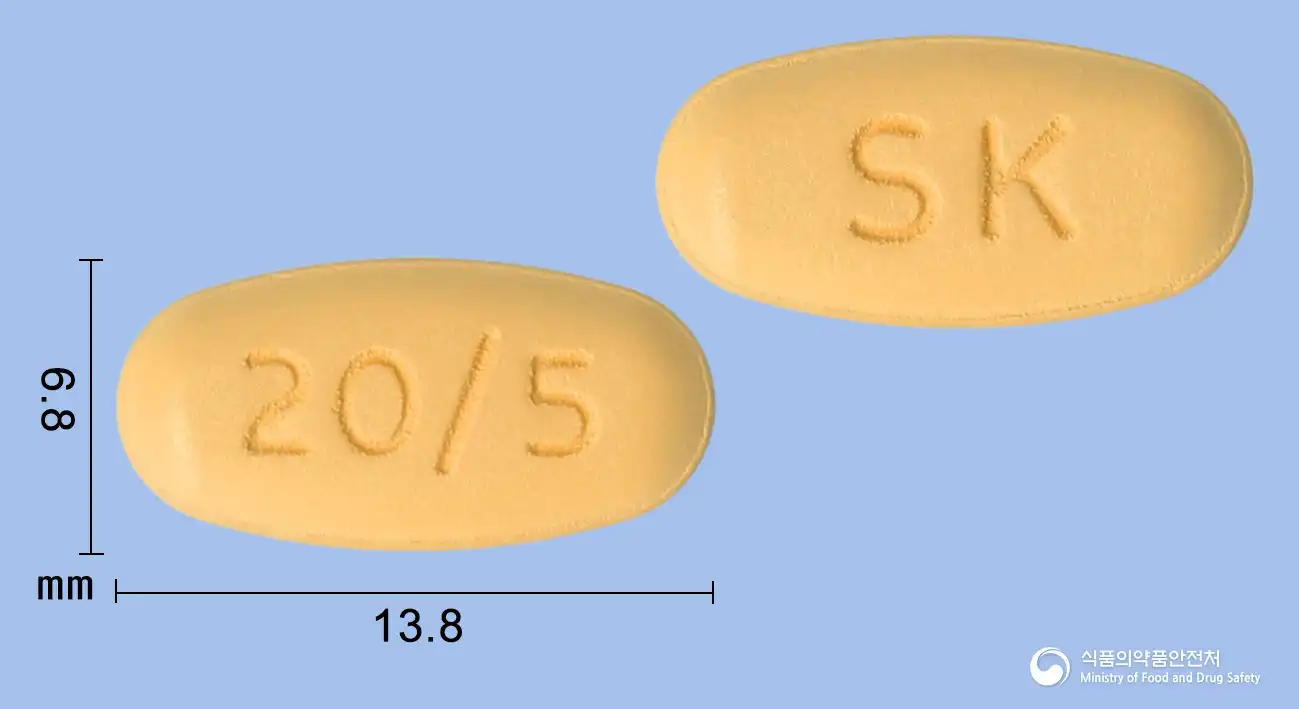
Yellow rectangular film-coated tablet
Package unit
30 tablets/box [(10 tablets/PTP x 3)]
Same-ingredient medicines
Even with the same ingredient, strength, dosage form and how it is taken can differ.
Even with the same ingredient, the dose and directions can differ by strength and dosage form. Talk to a doctor or pharmacist before switching from a medication you are already taking.
Questions about this medicine
No questions yet.
For anything that needs medical judgment, consult a doctor or pharmacist.
This drug information is based on data provided by the Korea Ministry of Food and Drug Safety. Consult a doctor or pharmacist for accurate dosage, administration, and usage instructions.

 한국어
 English
 日本語
 中文(简体)
 Viewing nowCombination