
 한국어
한국어 English
 日本語
日本語 中文(简体)
 Viewing nowCombination
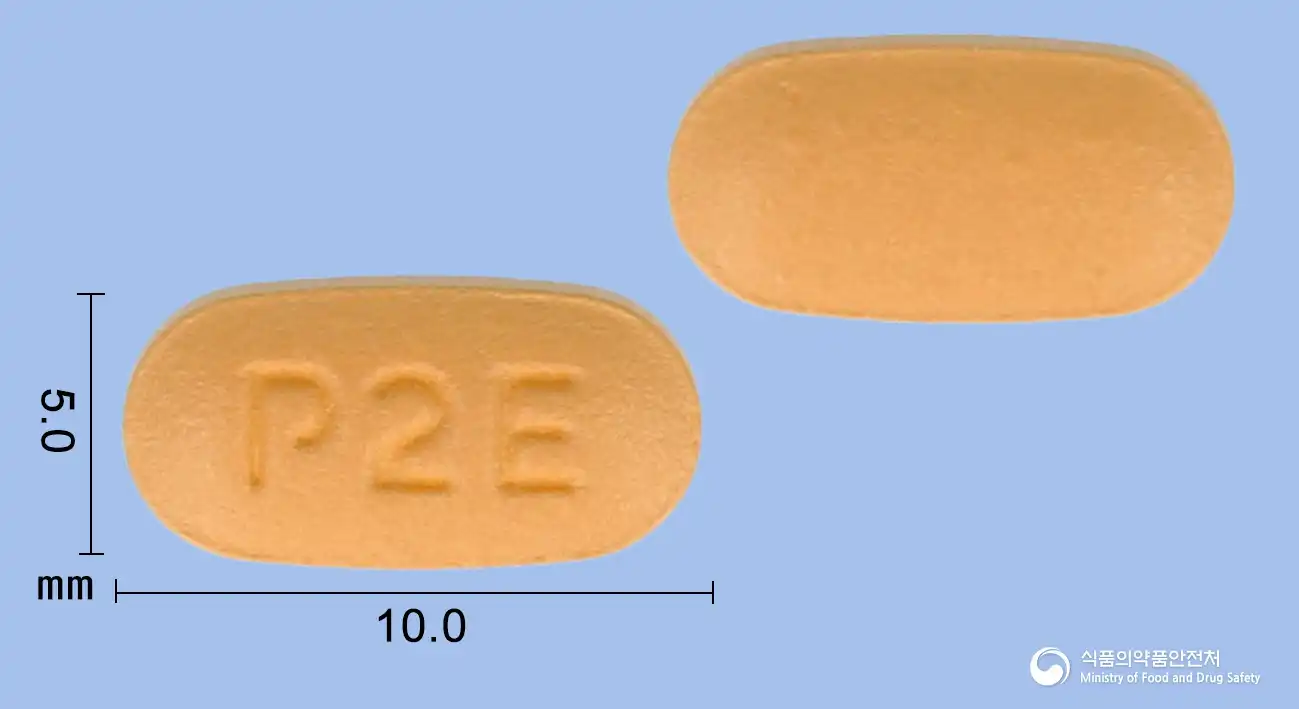
Tabarozet Tablets 2/10 Milligrams
Pitavastatin Calcium 2mg · Ezetimibe 10mg
Tablet · Prescription medication · Combination
Daewon Pharmaceutical Co., Ltd.
MFDS item code 202301672 · Approved 2023.05.25 · Insurance code 671807710
Improvement of hypercholesterolemia (primary, mixed) and treatment of dyslipidemia
This medication is used to improve blood lipid levels in patients with primary hypercholesterolemia, particularly heterozygous familial and non-familial hypercholesterolemia, and mixed dyslipidemia. Specifically, it lowers levels of total cholesterol, LDL cholesterol, Apo B protein, triglycerides, and non-HDL cholesterol, while increasing levels of HDL cholesterol, which is the good cholesterol. It is administered as an adjunct to dietary therapy to improve overall blood lipid status.
This medication is administered once daily, regardless of meals. The initial dose of 2/10 mg once daily is recommended. If there is insufficient LDL cholesterol-lowering effect, the dose may be increased up to a maximum of 4/10 mg daily. Dosage adjustments should be made appropriately after intervals of 4 weeks or more. For patients with liver dysfunction, an initial dose of 1 mg of pitavastatin calcium is recommended, so this medication should be used with caution during initial treatment.
This medication should not be administered to certain patients. For example, it is contraindicated in patients with allergies to its components, patients with active liver disease, patients with severe liver dysfunction, patients taking cyclosporine, patients with myopathy, pregnant or breastfeeding women, and it should not be used in children due to lack of experience. Additionally, caution should be exercised in patients with reduced liver function or excessive alcohol consumption, those with renal dysfunction, patients with hypothyroidism, elderly patients, and patients with myasthenia. While taking this medication, symptoms such as muscle pain, weakness, abdominal pain, headache, fatigue, rash, or dyspepsia may occur, and immediate medical attention should be sought if symptoms arise. Serious muscle-related side effects such as myopathy or rhabdomyolysis can occur, so if symptoms of muscle pain or weakness develop, the medication should be discontinued immediately, and a doctor should be consulted. As this medication can affect liver function, regular liver function tests should be conducted before and during treatment, and if liver enzyme levels become abnormally high, the medication should be stopped. This medication may interact with other drugs, so it is essential to inform healthcare professionals about any current medications, especially if you are also taking cyclosporine, fibrates, nicotinic acid, or erythromycin. Pregnant or breastfeeding women should not take this medication, and women who may become pregnant must confirm pregnancy before use. Children and the elderly are at higher risk for side effects while taking this medication, so extra caution is warranted, with elderly patients potentially needing dose adjustments if adverse reactions occur. In case of overdose, there is no specific antidote, so management should involve supportive care and monitoring of liver function and blood tests based on symptoms. This medication should be kept out of the reach of children and should not be transferred to other containers to ensure safety and maintain quality.
Not everyone experiences these, and they can vary from person to person.
This medication is sensitive to light and should be stored in an opaque container. Additionally, it is important to maintain a temperature between 1 and 30 degrees Celsius when storing the medication to preserve its effectiveness.
Yellow oval film-coated tablet
30 tablets/bottle
Even with the same ingredient, strength, dosage form and how it is taken can differ.
Viewing nowCombinationPitavastatin Calcium 2mg · Ezetimibe 10mg
Tablet · Prescription medication · Combination
Daewon Pharmaceutical Co., Ltd.
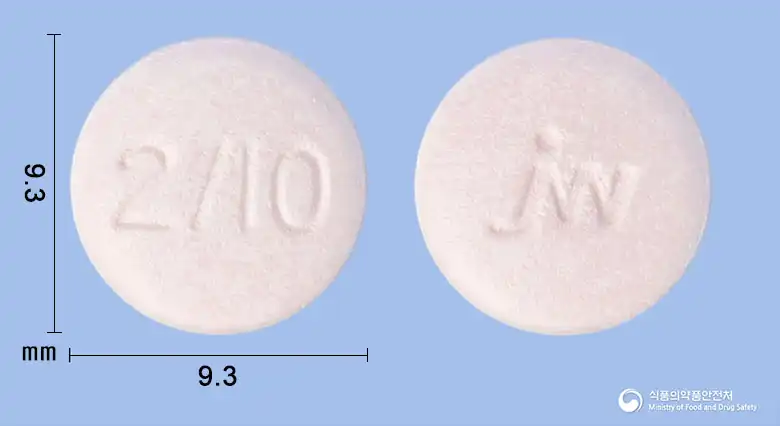 Combination
Pitavastatin Calcium Hydrate 2.205mg · Ezetimibe 10mg
Tablet · Prescription medication · Combination
JW Pharmaceutical Co., Ltd.
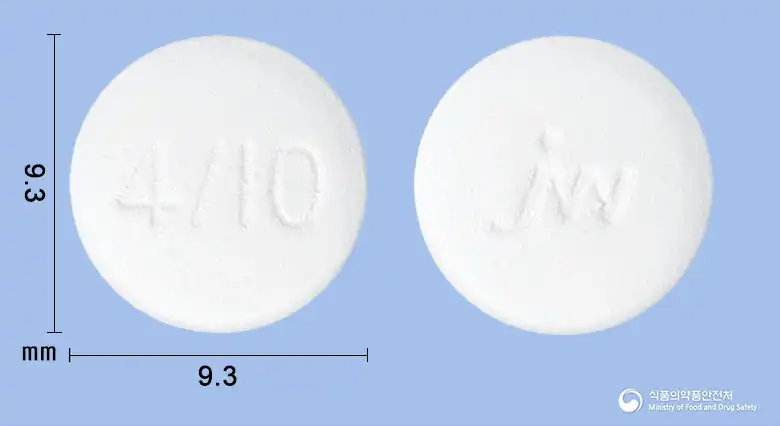 Combination
Pitavastatin Calcium Hydrate 4.409mg · Ezetimibe 10mg
Tablet · Prescription medication · Combination
JW Pharmaceutical Corp.
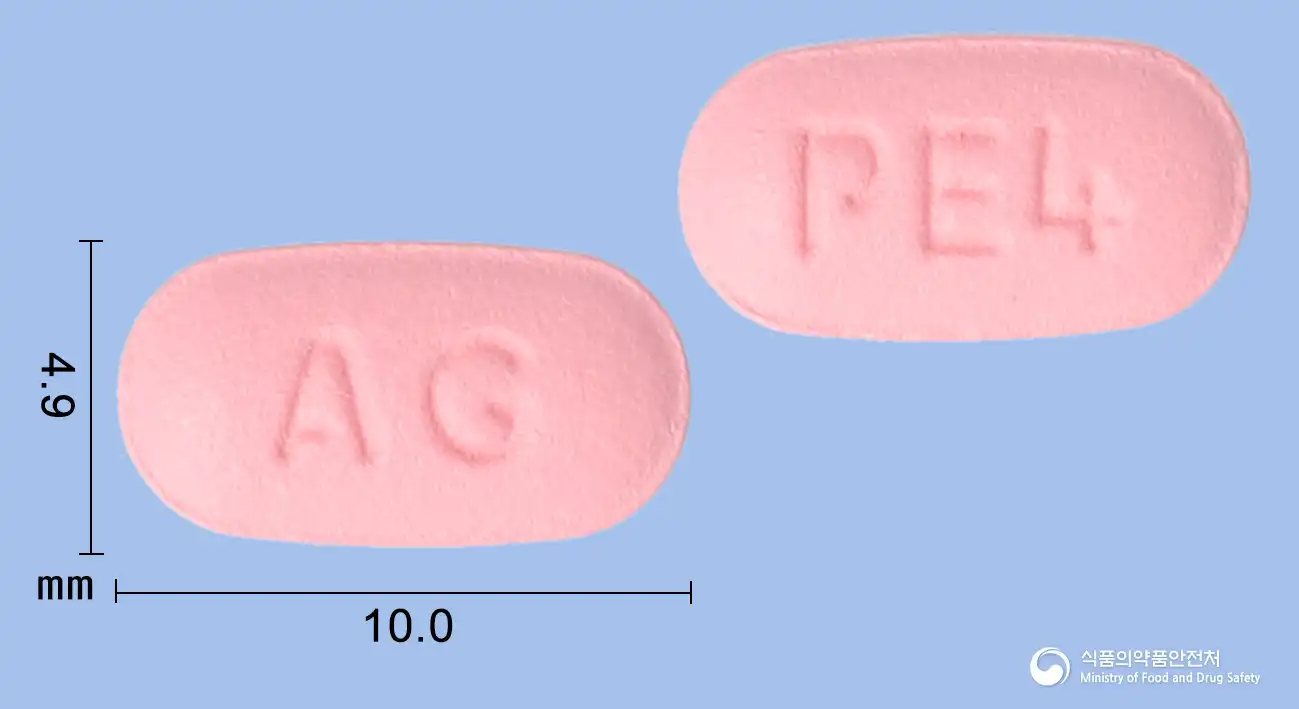 Combination
Pitavastatin Calcium 4mg · Ezetimibe 10mg
Tablet · Prescription medication · Combination
Ankuk Pharmaceutical Co., Ltd.
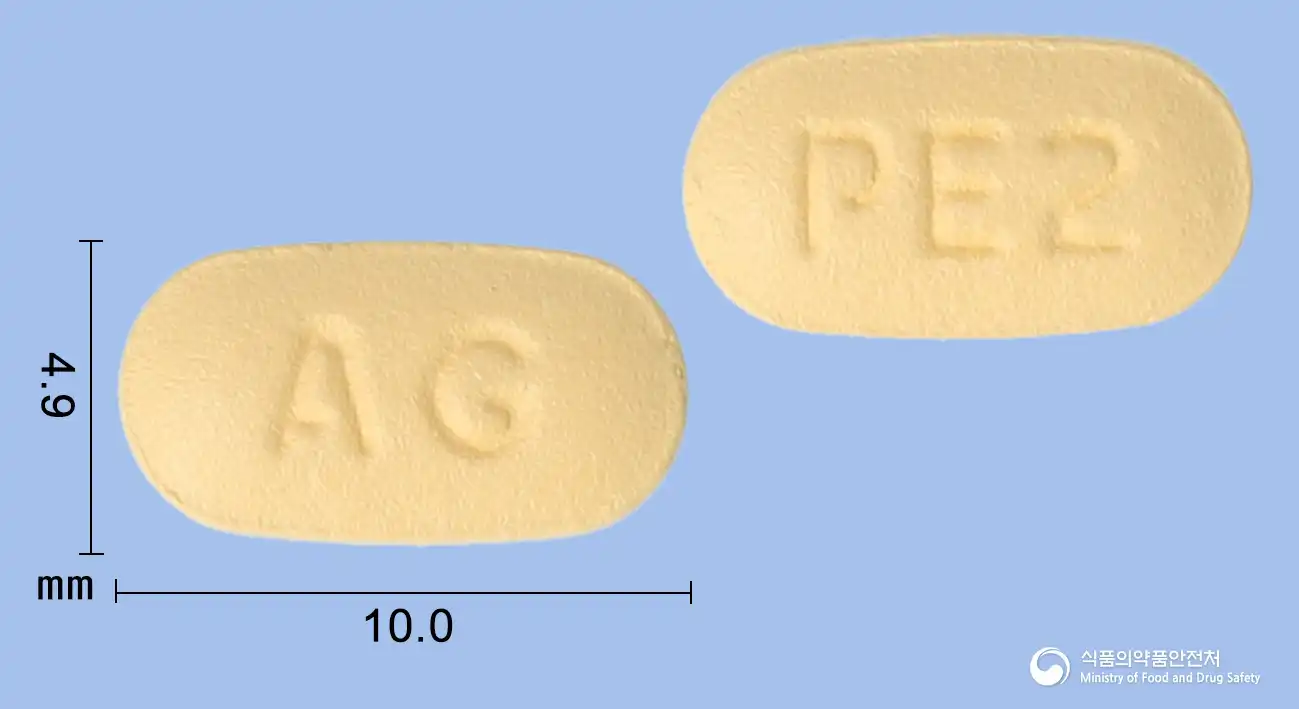 Combination
Pitavastatin Calcium 2mg · Ezetimibe 10mg
Tablet · Prescription medication · Combination
Ahn Gook Pharmaceutical Co., Ltd.
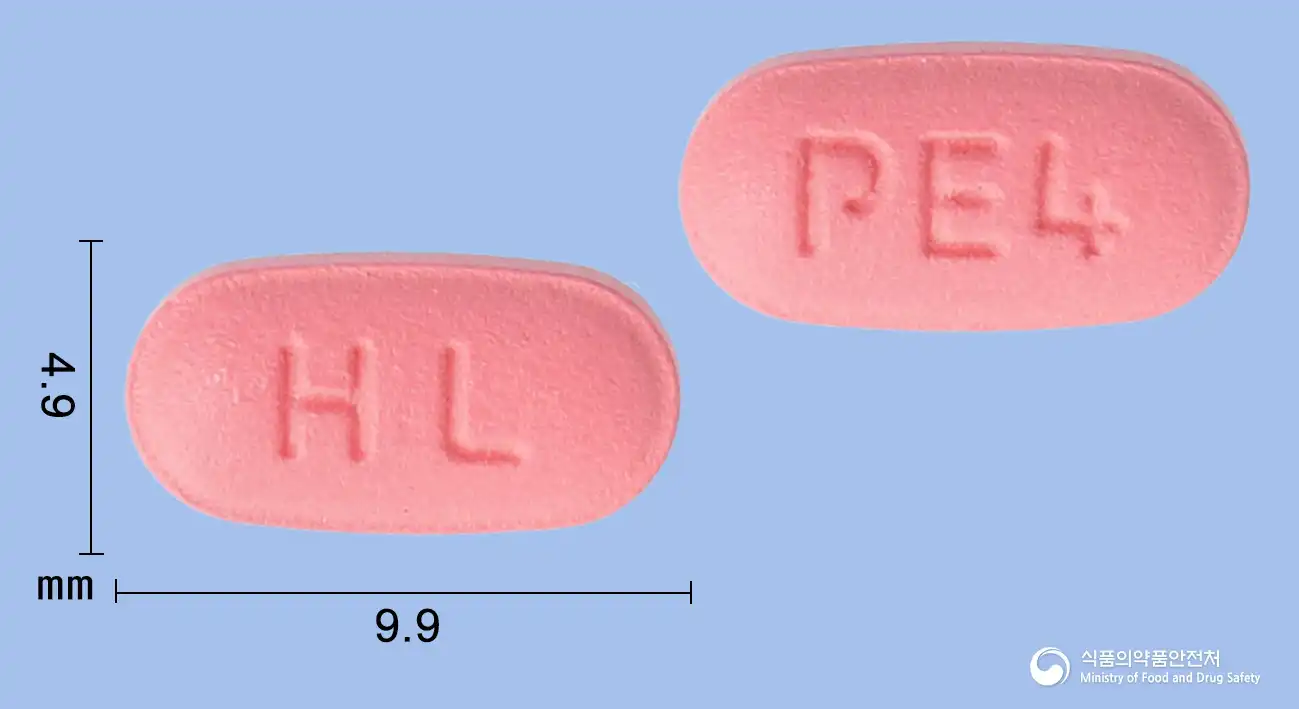 Combination
Pitavastatin Calcium 4mg · Ezetimibe 10mg
Tablet · Prescription medication · Combination
Hanlim Pharmaceutical Co., Ltd.
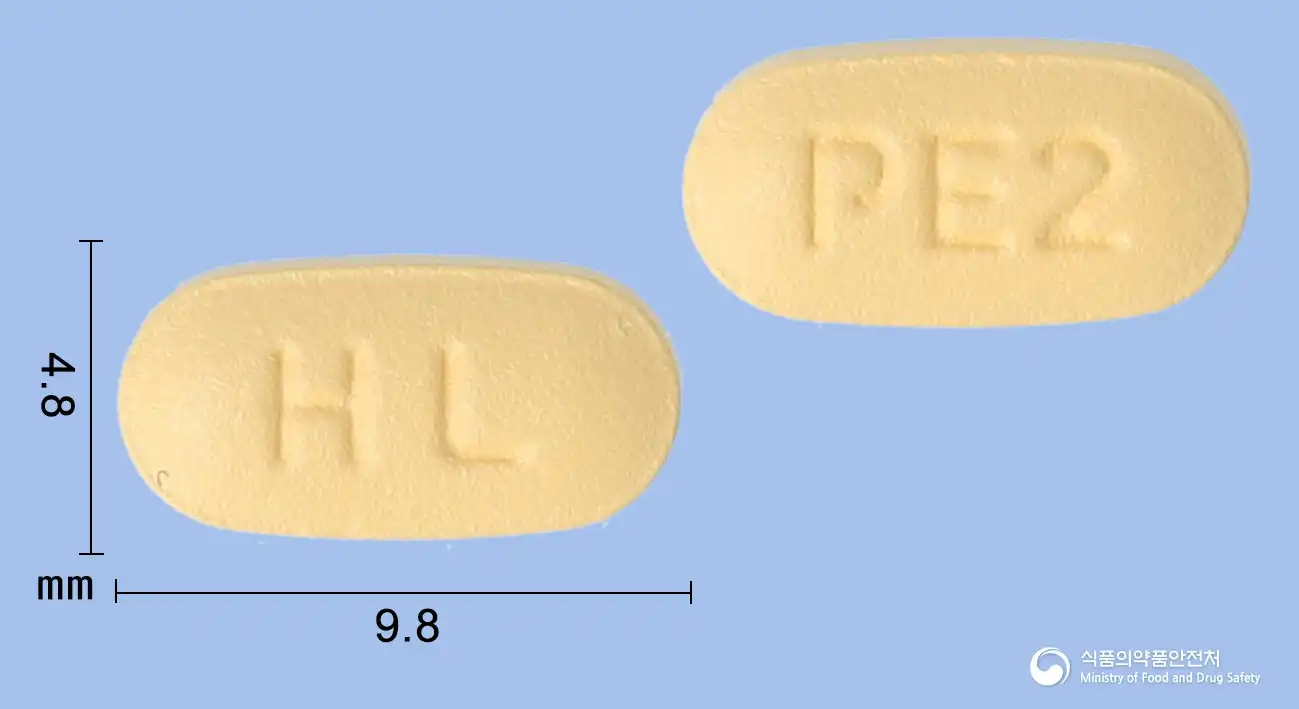 Combination
Pitavastatin Calcium 2mg · Ezetimibe 10mg
Tablet · Prescription medication · Combination
Hanlim Pharmaceutical Co., Ltd.
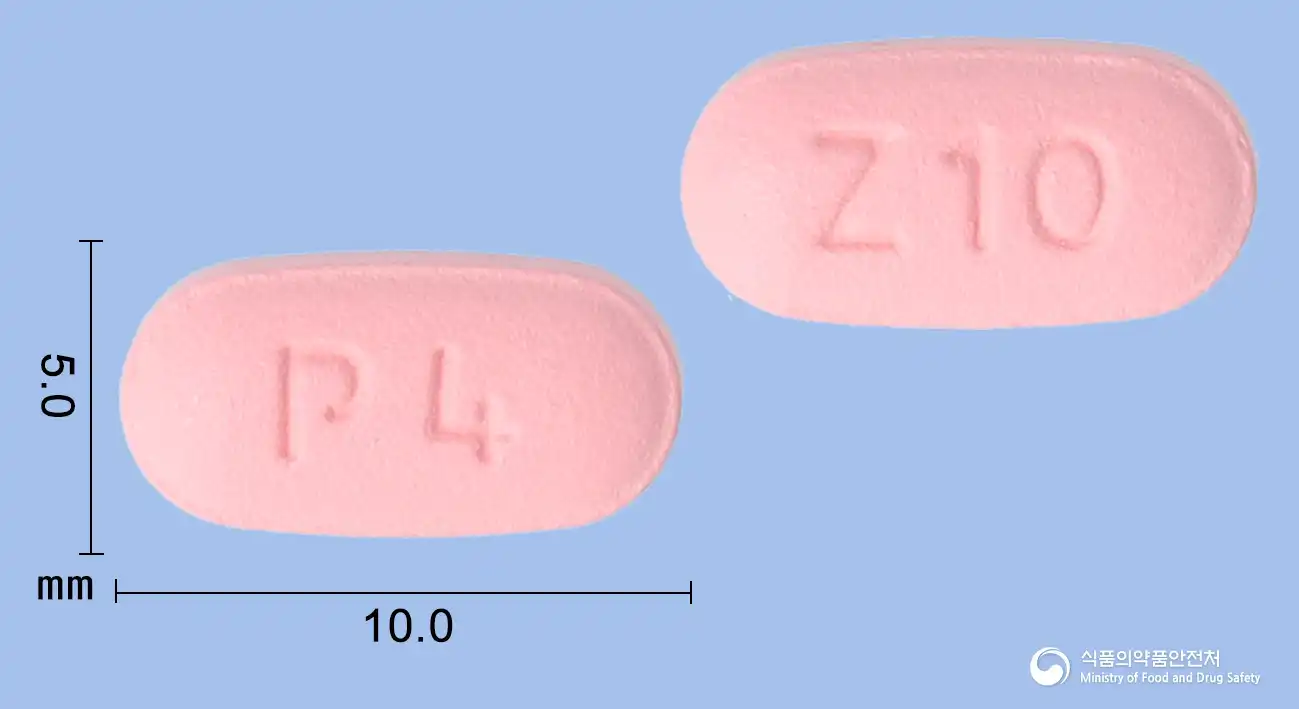 Combination
Pitavastatin Calcium 4mg · Ezetimibe 10mg
Tablet · Prescription medication · Combination
Dongkwang Pharmaceutical Co., Ltd.
Even with the same ingredient, the dose and directions can differ by strength and dosage form. Talk to a doctor or pharmacist before switching from a medication you are already taking.
No questions yet.
For anything that needs medical judgment, consult a doctor or pharmacist.
This drug information is based on data provided by the Korea Ministry of Food and Drug Safety.
Consult a doctor or pharmacist for accurate dosage, administration, and usage instructions.