
 한국어
 English
 日本語
 中文(简体)
 Viewing nowCombination
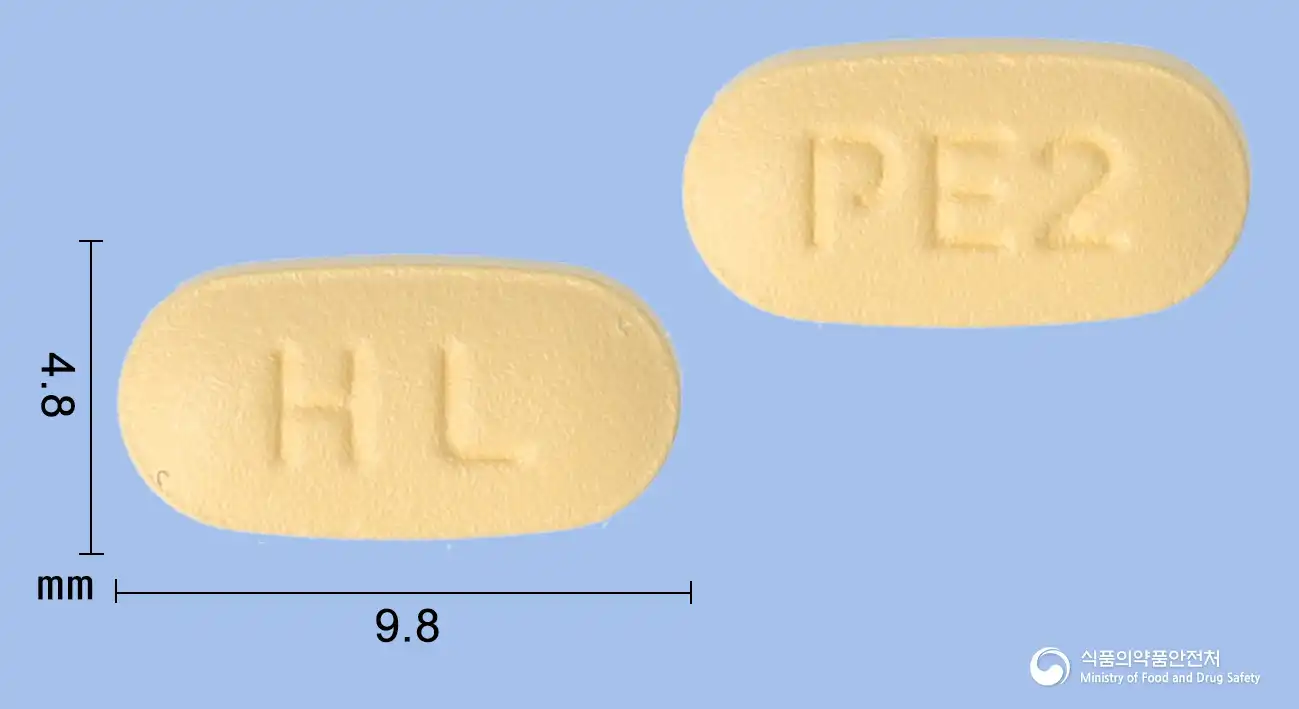
Stajet Tablet 2/10 mg (Pitavastatin Calcium, Ezetimibe)
Pitavastatin Calcium 2mg · Ezetimibe 10mg
Tablet · Prescription medication · Combination
Hanlim Pharmaceutical Co., Ltd.
MFDS item code 202301668 · Approved 2023.05.25 · Insurance code 645306980
Improvement of primary hypercholesterolemia and mixed dyslipidemia
This medication is used for the treatment of primary hypercholesterolemia, particularly heterozygous familial and non-familial forms, as well as mixed dyslipidemia patients. This drug helps lower total cholesterol, LDL cholesterol, Apo B protein, triglycerides, and non-HDL cholesterol levels, aiding in the improvement of blood lipids. Furthermore, it increases the levels of high-density lipoprotein (HDL) cholesterol, which assists in promoting cardiovascular health. By taking it in conjunction with a diet, effective management of blood lipid concentrations can be achieved. This medicine plays a role in balancing blood lipids, thus lowering the risk of cardiovascular diseases.
Administer this medicine once daily, regardless of meals. Patients should continue to follow a standard cholesterol-lowering diet before and during treatment with this medicine. The dose of this medicine should be adjusted according to the patient's baseline LDL cholesterol level, recommended treatment goal, and response. The recommended initial dose is 2/10mg once daily. If the reduction in LDL cholesterol is insufficient, the dose may be increased up to a maximum of 4/10mg daily. Adjust the dose as appropriate at intervals of 4 weeks or longer according to the LDL cholesterol level, treatment goal, and patient response. Patients taking pitavastatin calcium and ezetimibe concomitantly may switch to this medicine (a combination product containing the same amounts of each active ingredient) for convenience. Administration in patients with hepatic impairment: Because an initial dose of 1 milligram of pitavastatin calcium is recommended for patients with hepatic impairment, this medicine (a combination of pitavastatin calcium/ezetimibe) is not recommended for initial treatment. The maximum dose is 2/10mg daily. Use of this medicine (a combination of pitavastatin calcium/ezetimibe) is not recommended in patients with moderate hepatic impairment. Do not administer this medicine (a combination of pitavastatin calcium/ezetimibe) to patients with severe hepatic impairment.
This medication should not be used in certain patients. For instance, patients with allergies to its components, those with active liver disease, severe liver dysfunction, or any issues with bile drainage should not take it. Additionally, this drug should not be used by patients currently taking immunosuppressants like cyclosporine, patients with myopathies, pregnant women or those who may become pregnant, breastfeeding women, and children. This medication contains lactose, so it should not be given to patients with lactose intolerance. Patients with renal or liver dysfunction, those with a history of liver disease, excessive alcohol consumption, hypothyroidism, and the elderly should use this medication with caution. In particular, patients with a history of muscle-related diseases or muscle weakness should consult a doctor immediately if symptoms like muscle pain or weakness occur during treatment. Regular liver function tests should be performed during treatment with this medication, and if there is an increase in liver enzyme levels or symptoms such as muscle pain, weakness, or darkening of urine occur, the medication should be discontinued immediately, and medical consultation should be sought. Moreover, this medication can interact with other drugs, so patients should definitely inform their doctor or pharmacist about any medications currently being taken. Care should be taken, especially when used in conjunction with cyclosporine, fibrates, niacin, and erythromycin, as this may increase the risk of muscle damage. Pregnant or breastfeeding women should not take this medication, and women planning to become pregnant or who may conceive should consult their doctor before use. The safety and efficacy in children have not been established, and therefore, it should not be administered to pediatric patients. In case of an overdose, since there is no specific antidote, appropriate treatment and supportive care should be provided based on the symptoms, and liver function and muscle-related tests should be conducted. Finally, this medication should be kept out of reach of children and should not be transferred to other containers.
Not everyone experiences these, and they can vary from person to person.
This medication is sensitive to light and should be stored in an opaque container. Additionally, to ensure safe storage, it is advisable to keep it at a temperature between 1 to 30 degrees Celsius.
Yellow oval film-coated tablet
30 tablets/bottle
Even with the same ingredient, strength, dosage form and how it is taken can differ.
Viewing nowCombinationPitavastatin Calcium 2mg · Ezetimibe 10mg
Tablet · Prescription medication · Combination
Hanlim Pharmaceutical Co., Ltd.
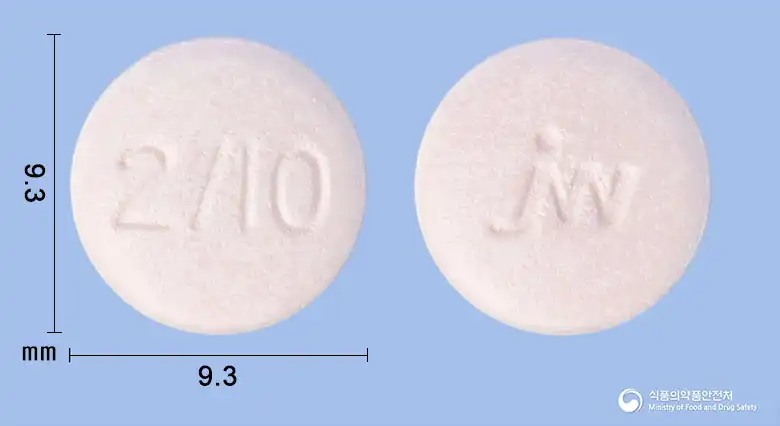 Combination
Pitavastatin Calcium Hydrate 2.205mg · Ezetimibe 10mg
Tablet · Prescription medication · Combination
JW Pharmaceutical Co., Ltd.
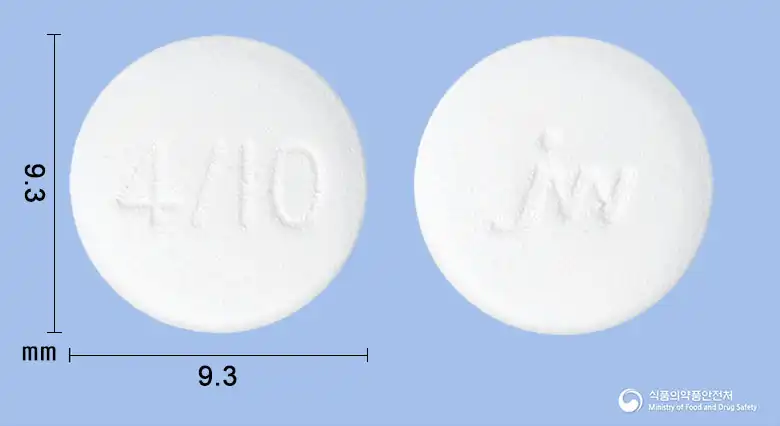 Combination
Pitavastatin Calcium Hydrate 4.409mg · Ezetimibe 10mg
Tablet · Prescription medication · Combination
JW Pharmaceutical Corp.
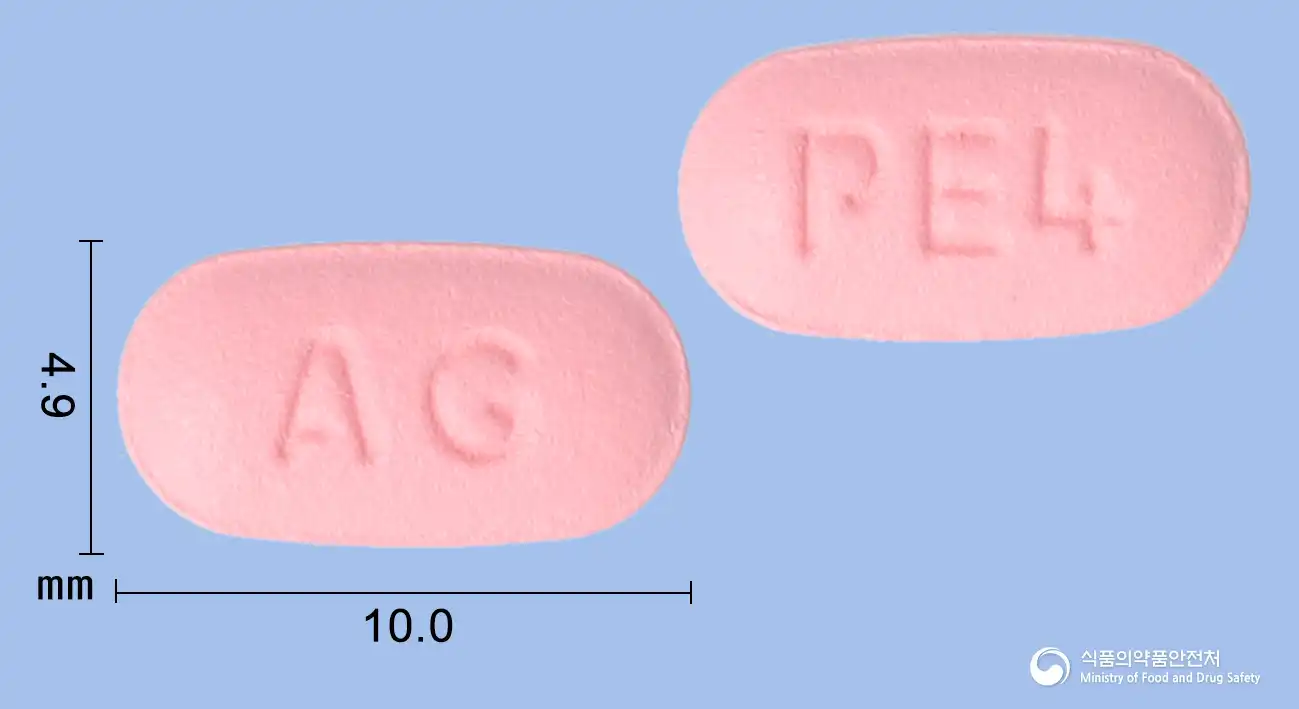 Combination
Pitavastatin Calcium 4mg · Ezetimibe 10mg
Tablet · Prescription medication · Combination
Ankuk Pharmaceutical Co., Ltd.
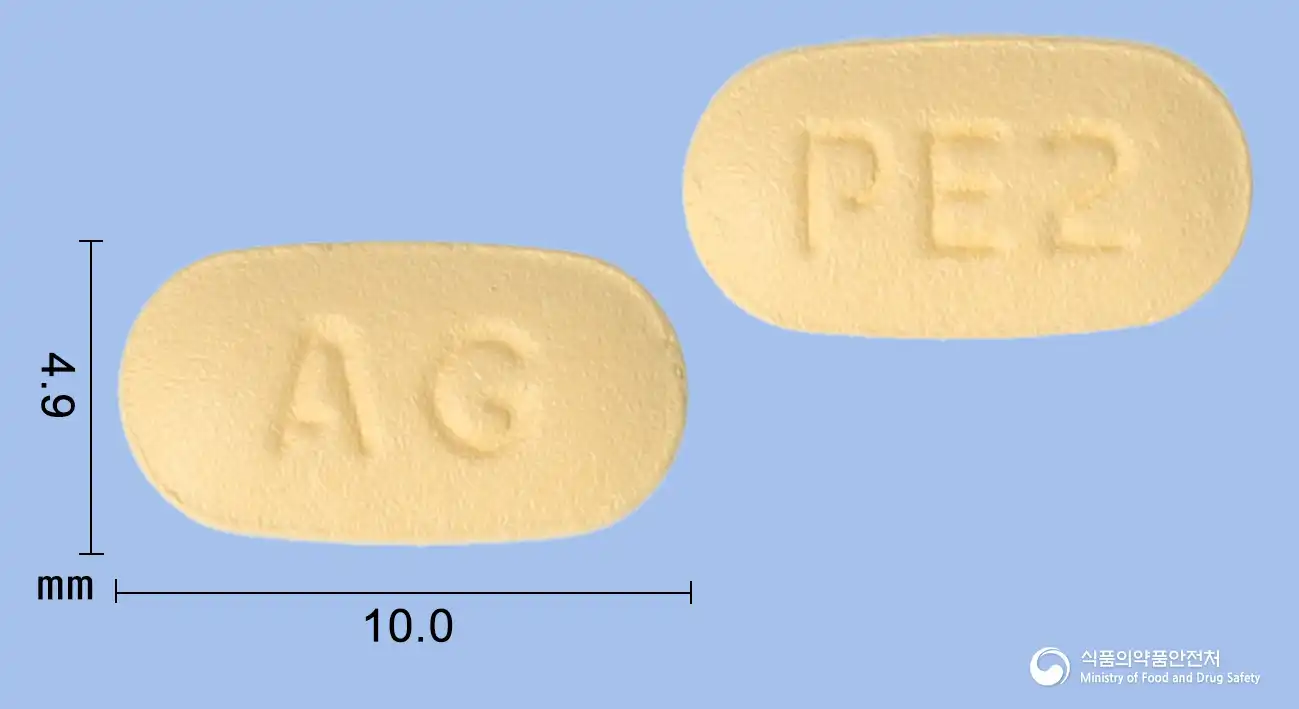 Combination
Pitavastatin Calcium 2mg · Ezetimibe 10mg
Tablet · Prescription medication · Combination
Ahn Gook Pharmaceutical Co., Ltd.
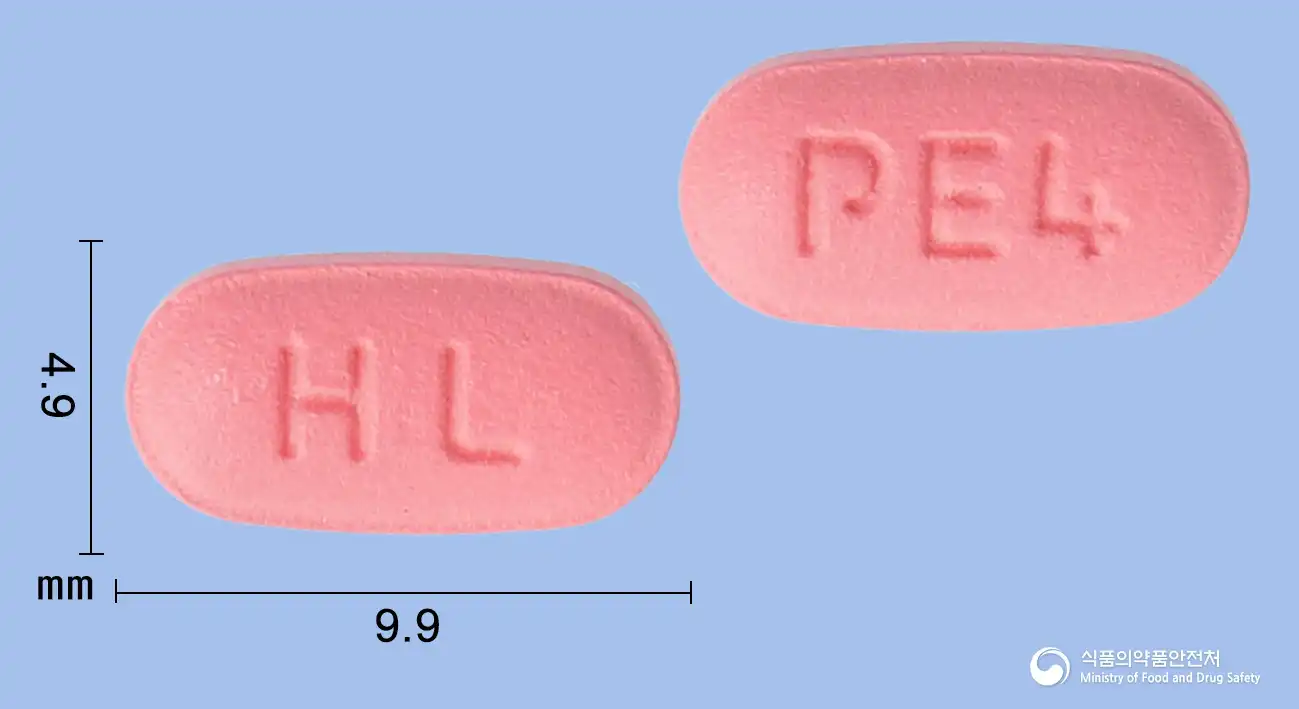 Combination
Pitavastatin Calcium 4mg · Ezetimibe 10mg
Tablet · Prescription medication · Combination
Hanlim Pharmaceutical Co., Ltd.
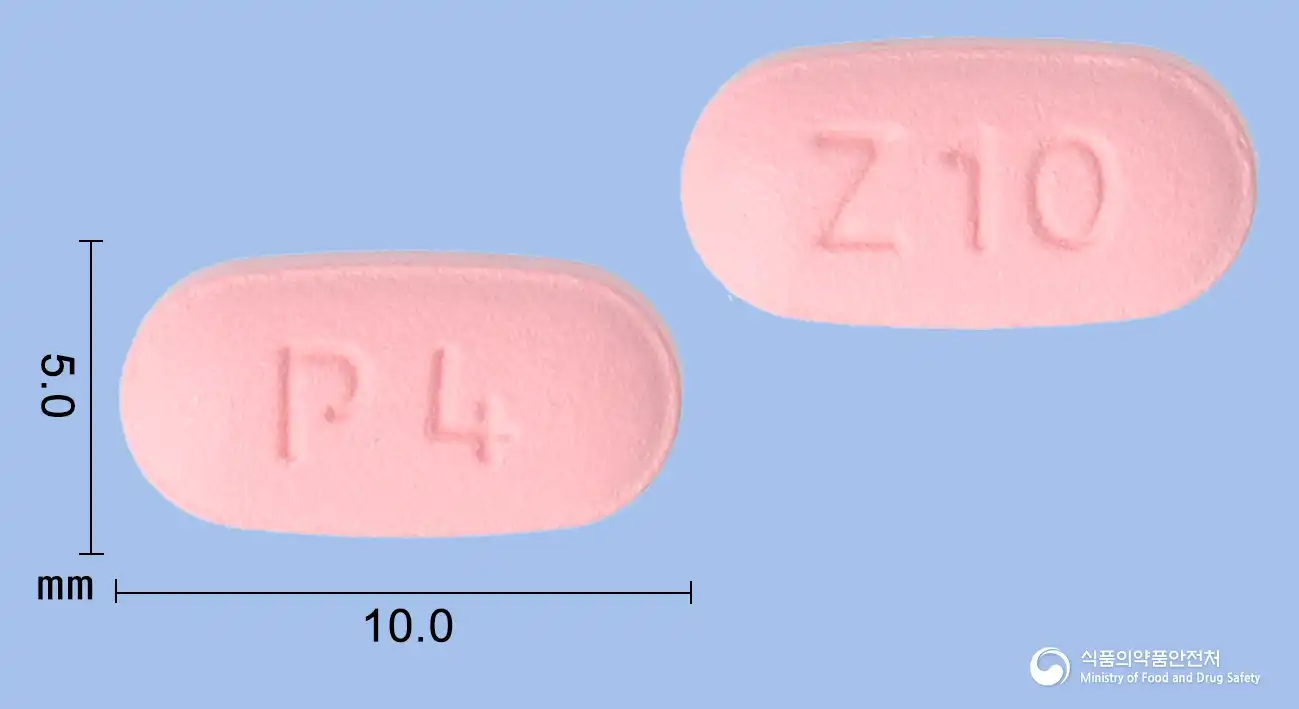 Combination
Pitavastatin Calcium 4mg · Ezetimibe 10mg
Tablet · Prescription medication · Combination
Dongkwang Pharmaceutical Co., Ltd.
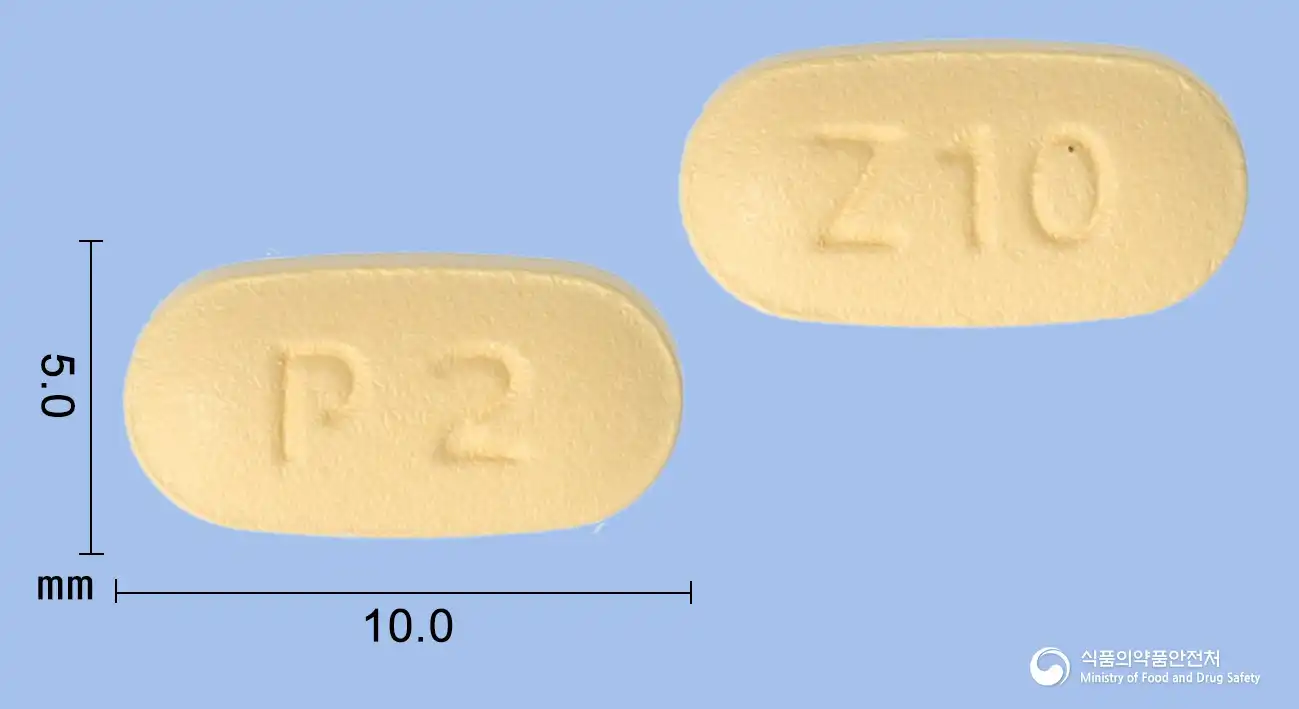 Combination
Pitavastatin Calcium 2mg · Ezetimibe 10mg
Tablet · Prescription medication · Combination
Dongkwang Pharmaceutical Co., Ltd.
Even with the same ingredient, the dose and directions can differ by strength and dosage form. Talk to a doctor or pharmacist before switching from a medication you are already taking.
No questions yet.
For anything that needs medical judgment, consult a doctor or pharmacist.
This drug information is based on data provided by the Korea Ministry of Food and Drug Safety.
Consult a doctor or pharmacist for accurate dosage, administration, and usage instructions.