
 한국어
 English
 日本語
 中文(简体)
 Viewing nowCombination
Pevarejet Tablet 2/10 mg
Pitavastatin Calcium 2mg · Ezetimibe 10mg
Tablet · Prescription medication · Combination
Ahn Gook Pharmaceutical Co., Ltd.
MFDS item code 202301662 · Approved 2023.05.24 · Insurance code 650206040
Improvement of primary hypercholesterolemia and mixed dyslipidemia
This medication is used in patients with primary hypercholesterolemia, particularly in heterozygous familial and non-familial hypercholesterolemia, or mixed dyslipidemia. It helps reduce elevated total cholesterol, LDL cholesterol, Apo B protein, triglycerides, and non-HDL cholesterol levels. Additionally, it increases HDL cholesterol levels, known as good cholesterol, improving the blood lipid profile. This medication serves as a supplement to diet in regulating blood lipid levels and reducing the risk of cardiovascular disease. Therefore, it is effectively used in the treatment of dyslipidemia.
This drug is administered once daily, with or without food. Patients should follow a standard cholesterol-lowering diet continuously before and during treatment with this drug. The dose of this drug should be adjusted according to the patient's baseline LDL cholesterol level, recommended treatment goal, and response. The recommended initial dose is 2/10mg once daily. If the LDL cholesterol-lowering effect is insufficient, the dose may be increased to a maximum of 4/10mg daily. Adjust the dose as appropriate at intervals of 4 weeks or longer according to LDL cholesterol levels, treatment goals, and patient response. Patients taking pitavastatin calcium and ezetimibe concomitantly may switch to this drug (a combination product containing the same amounts of each active ingredient) for convenience. Administration in patients with hepatic impairment: Since the recommended initial dose of pitavastatin calcium in patients with hepatic impairment is 1 milligram daily, use of this drug (pitavastatin calcium/ezetimibe combination) for initial treatment is not recommended. The maximum dose is 2/10mg daily. Use of this drug (pitavastatin calcium/ezetimibe combination) is not recommended in patients with moderate hepatic impairment. Do not administer this drug (pitavastatin calcium/ezetimibe combination) to patients with severe hepatic impairment.
This medication should not be used in certain patients. For example, it should not be administered to those with an allergy to its components, patients with severe liver disease, pregnant or nursing women, and children. Patients with impaired liver function or those who consume alcohol excessively should use this medication cautiously, especially patients with poor kidney function also require caution. Furthermore, patients with myopathy or symptoms of muscle weakness and the elderly should be careful when administered. While taking this medication, symptoms such as muscle pain, weakness, and fatigue may appear, so if these symptoms occur, a doctor should be consulted immediately. Regular liver function tests should be done as liver function abnormalities may occur, and if liver enzyme levels rise, the medication may need to be discontinued. This medication can interact with other drugs, so especially when taken with cyclosporine, fibrate drugs, niacin, and certain antibiotics, patients should follow the doctor’s instructions and report any symptoms of muscle pain or worsening kidney function immediately. Pregnant women or women who may become pregnant, as well as nursing mothers, should not use this medication, and if taken during pregnancy, it should be stopped immediately and a doctor consulted. Safety has not been established for use in children, and the elderly should be cautious as the potential for adverse reactions may be higher. In case of overdose, there is no specific antidote, so treatment should be symptomatic and supportive therapy should be provided while monitoring liver function and muscle enzyme levels. This medication should be stored out of the reach of children and not transferred to another container.
Not everyone experiences these, and they can vary from person to person.
This medication should be stored in a container that blocks light and air, and it is safe to store at room temperature between 1 degree and 30 degrees Celsius. Therefore, it should be kept away from direct sunlight and in a place that is neither too hot nor too cold.
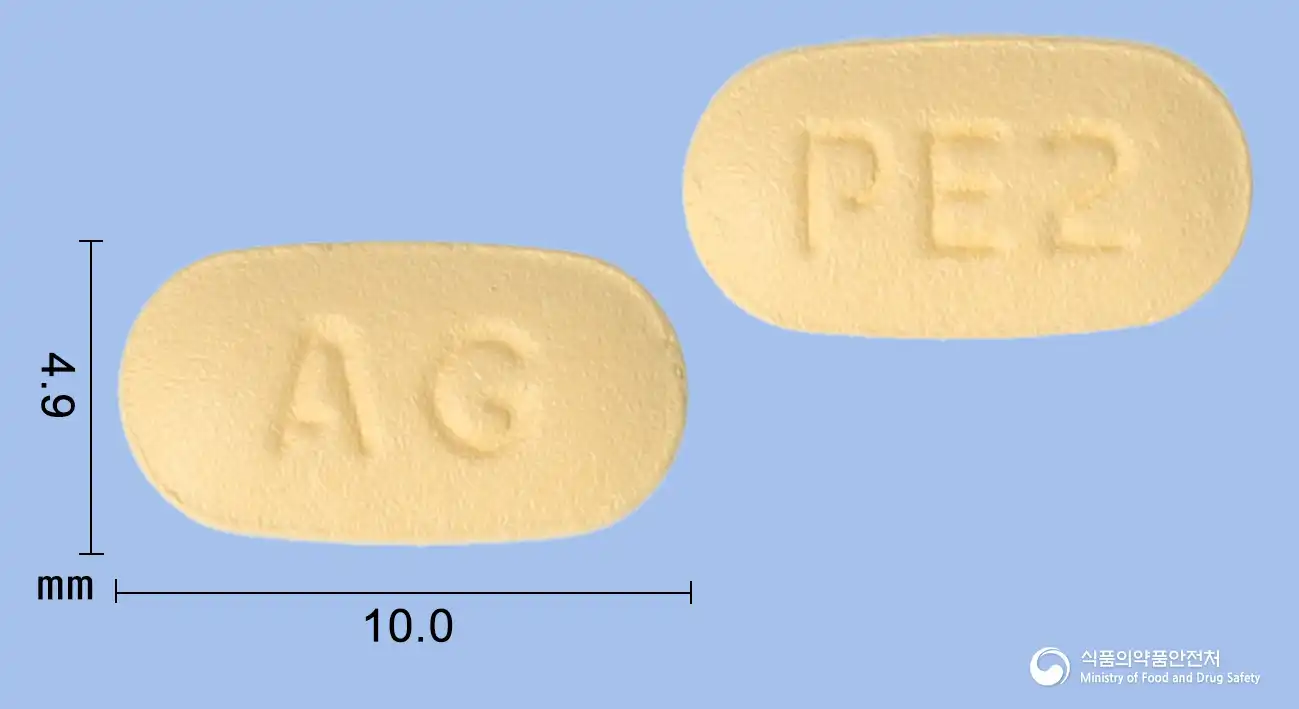
Yellow oval film-coated tablet
30 tablets/bottle
Even with the same ingredient, strength, dosage form and how it is taken can differ.
Viewing nowCombinationPitavastatin Calcium 2mg · Ezetimibe 10mg
Tablet · Prescription medication · Combination
Ahn Gook Pharmaceutical Co., Ltd.
 Combination
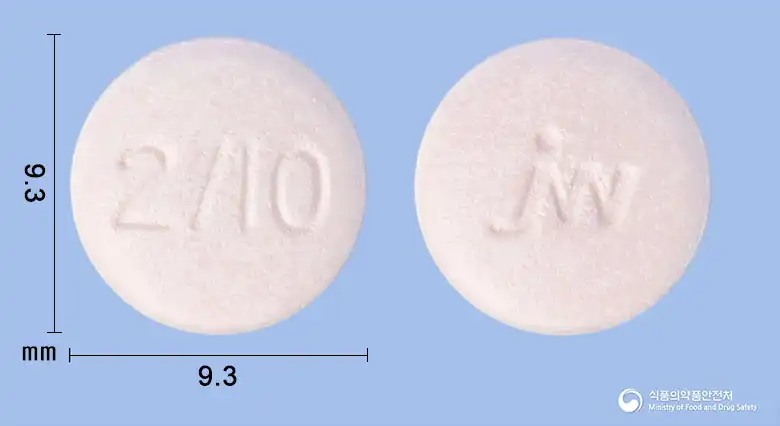
Pitavastatin Calcium Hydrate 2.205mg · Ezetimibe 10mg
Tablet · Prescription medication · Combination
JW Pharmaceutical Co., Ltd.
 Combination
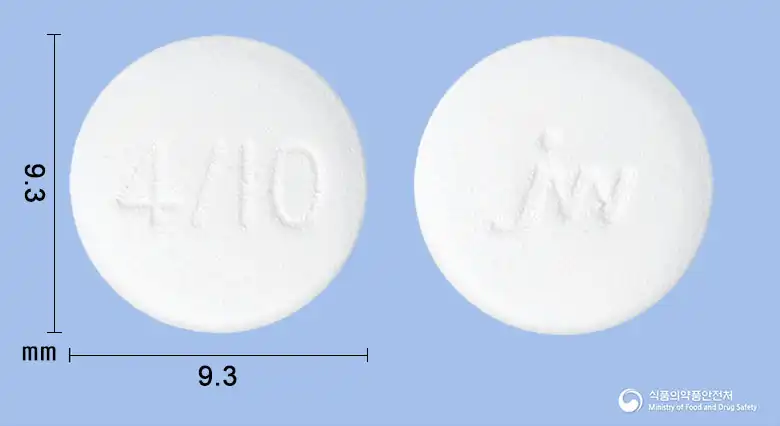
Pitavastatin Calcium Hydrate 4.409mg · Ezetimibe 10mg
Tablet · Prescription medication · Combination
JW Pharmaceutical Corp.
 Combination
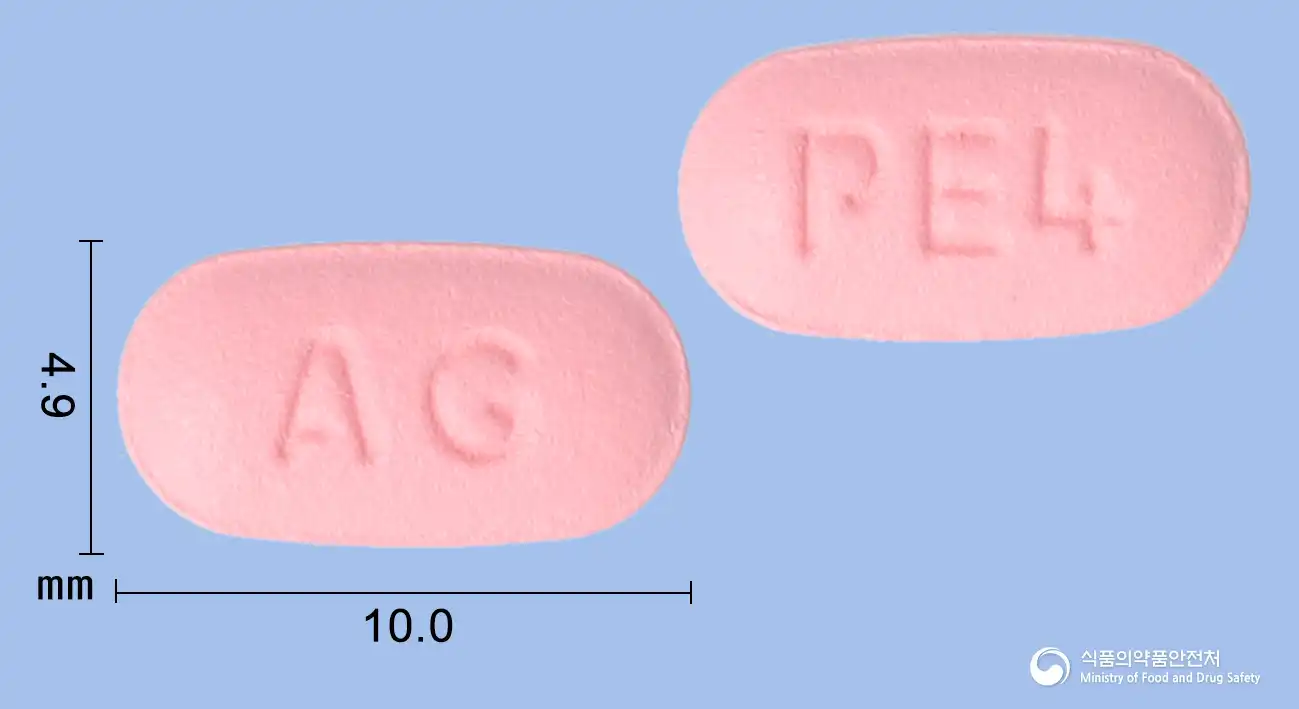
Pitavastatin Calcium 4mg · Ezetimibe 10mg
Tablet · Prescription medication · Combination
Ankuk Pharmaceutical Co., Ltd.
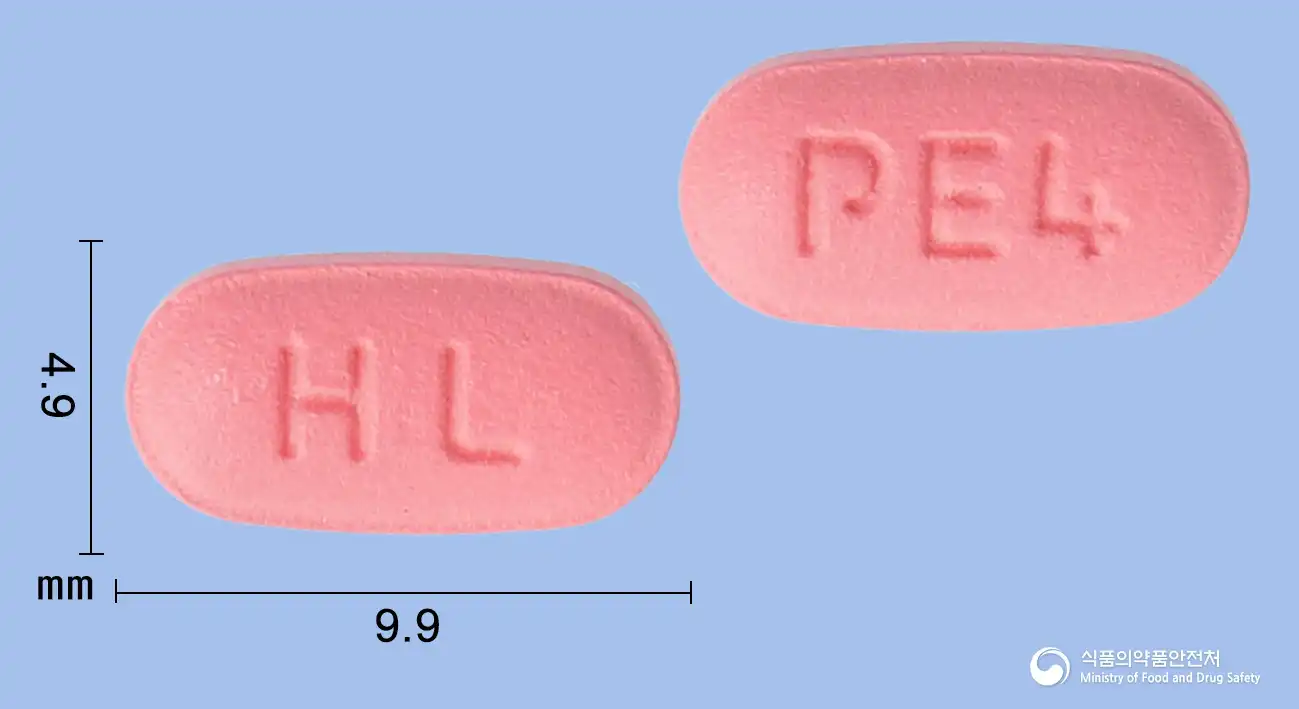 Combination
Pitavastatin Calcium 4mg · Ezetimibe 10mg
Tablet · Prescription medication · Combination
Hanlim Pharmaceutical Co., Ltd.
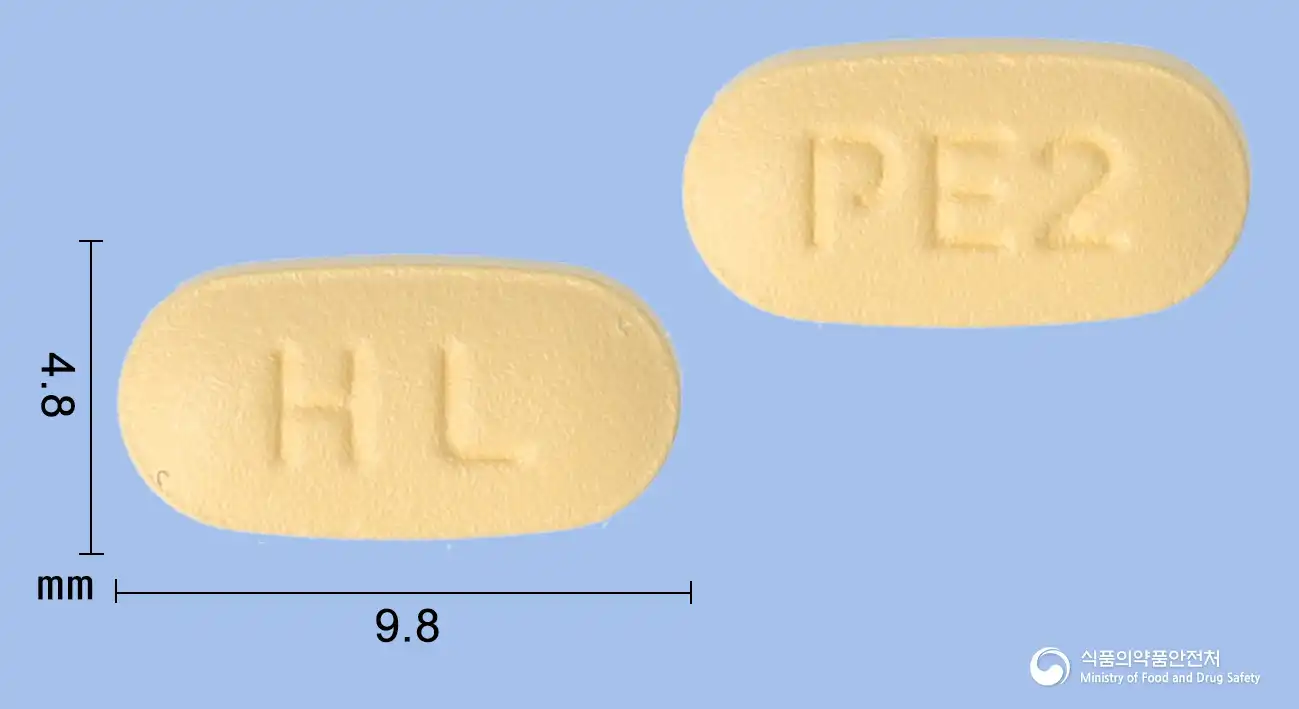 Combination
Pitavastatin Calcium 2mg · Ezetimibe 10mg
Tablet · Prescription medication · Combination
Hanlim Pharmaceutical Co., Ltd.
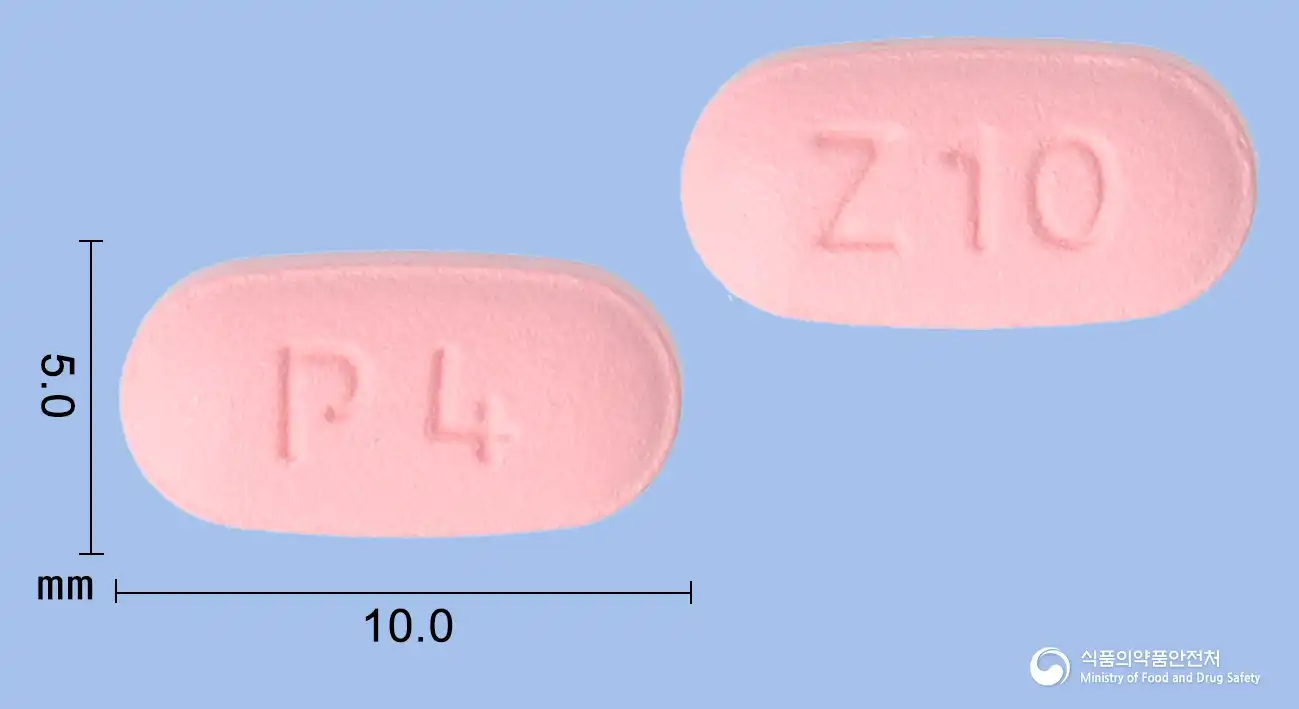 Combination
Pitavastatin Calcium 4mg · Ezetimibe 10mg
Tablet · Prescription medication · Combination
Dongkwang Pharmaceutical Co., Ltd.
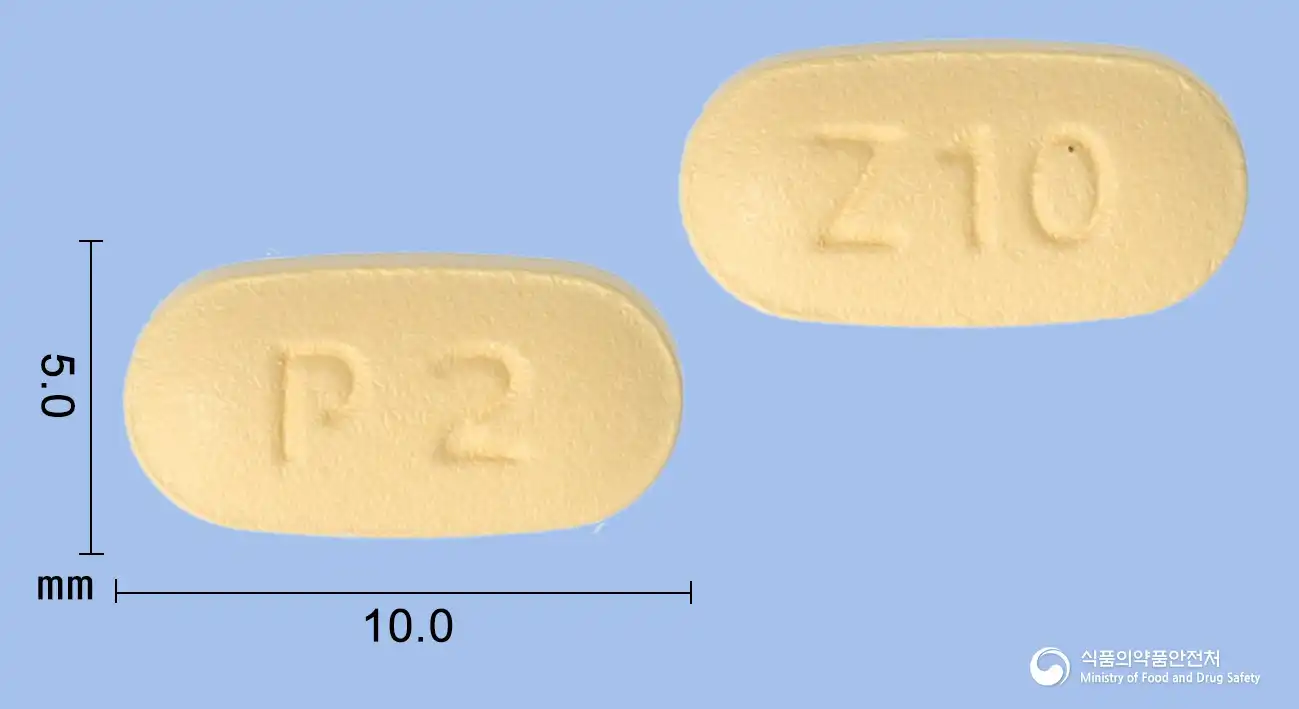 Combination
Pitavastatin Calcium 2mg · Ezetimibe 10mg
Tablet · Prescription medication · Combination
Dongkwang Pharmaceutical Co., Ltd.
Even with the same ingredient, the dose and directions can differ by strength and dosage form. Talk to a doctor or pharmacist before switching from a medication you are already taking.
No questions yet.
For anything that needs medical judgment, consult a doctor or pharmacist.
This drug information is based on data provided by the Korea Ministry of Food and Drug Safety.
Consult a doctor or pharmacist for accurate dosage, administration, and usage instructions.