
 한국어
한국어 English
 日本語
日本語 中文(简体)
 Viewing nowCombination
Sildapam Extended-Release Tablet 5/50/500 mg
Sitagliptin Phosphate Hydrate 64.3mg · Dapagliflozin Propanediol Hydrate 6.2mg +1 more
Tablet · Prescription medication · Combination
Hanmi Pharmaceutical Co., Ltd.
MFDS item code 202301624 · Approved 2023.05.22 · Insurance code 643508690
Improvement of blood glucose control in type 2 diabetes
This medication is used to aid blood glucose control in patients with type 2 diabetes. It plays a complementary role to dietary therapy and exercise therapy, particularly when taken in combination with dapagliflozin, sitagliptin, and metformin. This allows for effective management of blood glucose levels and provides positive support in diabetes treatment.
This medication is taken once daily in the evening with food. The dosage is 10 mg of dapagliflozin, 100 mg of sitagliptin, while the extended-release metformin hydrochloride should not exceed 2000 mg. The extended-release tablets of this medication in 5/50/500 mg, 5/50/750 mg, and 5/50/1000 mg should be taken as 2 tablets once daily. The initial dose of extended-release metformin hydrochloride is 1 dose of 5.
This medication is a combination product that contains sitagliptin, dapagliflozin, and metformin. First, during the use of this medication, severe allergic reactions may occur, so if symptoms such as skin rashes, difficulty breathing, and swelling of the face or neck appear, seek immediate consultation with a physician. Second, acute pancreatitis, which is an inflammation of the pancreas, has been reported as a serious side effect. If symptoms such as abdominal pain, vomiting, or nausea occur, discontinue the medication immediately and consult healthcare personnel. Third, the metformin component may rarely cause lactic acidosis, a life-threatening condition. If symptoms such as severe fatigue, difficulty breathing, abdominal pain, or muscle pain develop, seek emergency treatment immediately. Fourth, this medication should not be taken by patients with significantly reduced kidney function or those with conditions affecting kidney function, such as severe infections, dehydration, heart failure, acute myocardial infarction, or sepsis. Fifth, patients who are scheduled for examinations using radiocontrast media containing iodine should discontinue this medication for at least 48 hours prior to the examination and can only resume after confirming normal kidney function. Sixth, this medication should not be used in patients with type 1 diabetes or those experiencing diabetic ketoacidosis or diabetic pre-coma. Seventh, patients with fluid loss, hypotension, or renal impairment should periodically check their blood pressure and kidney function before and during treatment, and treatment may be discontinued if necessary. Eighth, this medication may increase the risk of genital infections and urinary tract infections, so especially women or patients with a history of infections should carefully observe for symptoms and seek treatment if any abnormalities occur. Ninth, while taking this medication, symptoms of hypoglycemia may appear, particularly if taking insulin or sulfonylureas concurrently. Tenth, patients with liver dysfunction should avoid this medication, and it is recommended to regularly check liver enzyme levels. Finally, alcohol intake should be avoided while taking this medication, and regular blood tests are recommended as vitamin B12 deficiency may occur. It is important to consult healthcare personnel immediately if any unusual symptoms arise while taking this medication.
Hives, severe swelling (angioedema), chest tightness, difficulty breathing, cold sweat, pallor, anaphylaxis, severe allergic reactions, severe rashes with high fever, blisters, skin peeling, mucosal pain in mouth/eyes, severe dermatological reactions, asthma attacks, respiratory symptoms accompanied by cough and fever, breathing problems, yellowing of the skin or eyes (jaundice), extreme lethargy, liver abnormalities (jaundice), rapid and severe
Not everyone experiences these, and they can vary from person to person.
This medication should be stored in a tightly sealed container to avoid exposure to air or moisture, preferably at room temperature between 1°C and 30°C. This way, the effectiveness of the medication can be maintained for a longer period.
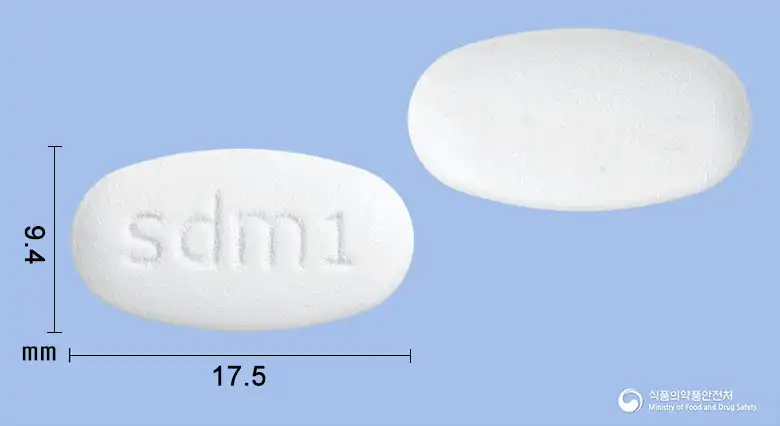
White oval extended-release film-coated tablet
30 tablets/bottle
Even with the same ingredient, strength, dosage form and how it is taken can differ.
Viewing nowCombinationSitagliptin Phosphate Hydrate 64.3mg · Dapagliflozin Propanediol Hydrate 6.2mg +1 more
Tablet · Prescription medication · Combination
Hanmi Pharmaceutical Co., Ltd.
 Combination
Sitagliptin Phosphate Hydrate 64.3mg · Dapagliflozin Propanediol Hydrate 6.2mg +1 more
Tablet · Prescription medication · Combination
Hanmi Pharmaceutical Co., Ltd.
 Combination
Sitagliptin Phosphate Hydrate 64.3mg · Dapagliflozin Propanediol Hydrate 6.2mg +1 more
Tablet · Prescription medication · Combination
Hanmi Pharmaceutical Co., Ltd.
 Combination
Metformin Hydrochloride 1000mg · Sitagliptin Phosphate Hydrate 128.5mg +1 more
Tablet · Prescription medication · Combination
Genewon Science Co., Ltd.
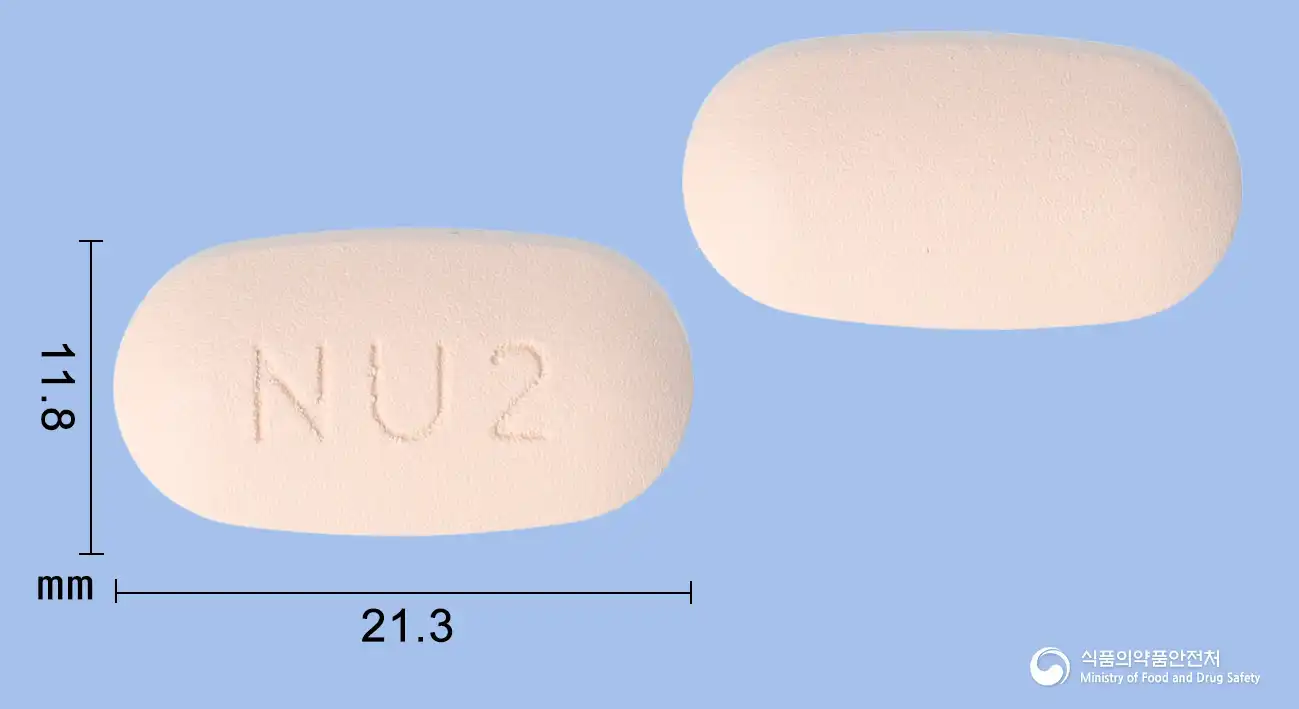 Combination
Metformin Hydrochloride 1000mg · Sitagliptin Phosphate Hydrate 64.25mg +1 more
Tablet · Prescription medication · Combination
Genewon Science Co., Ltd.
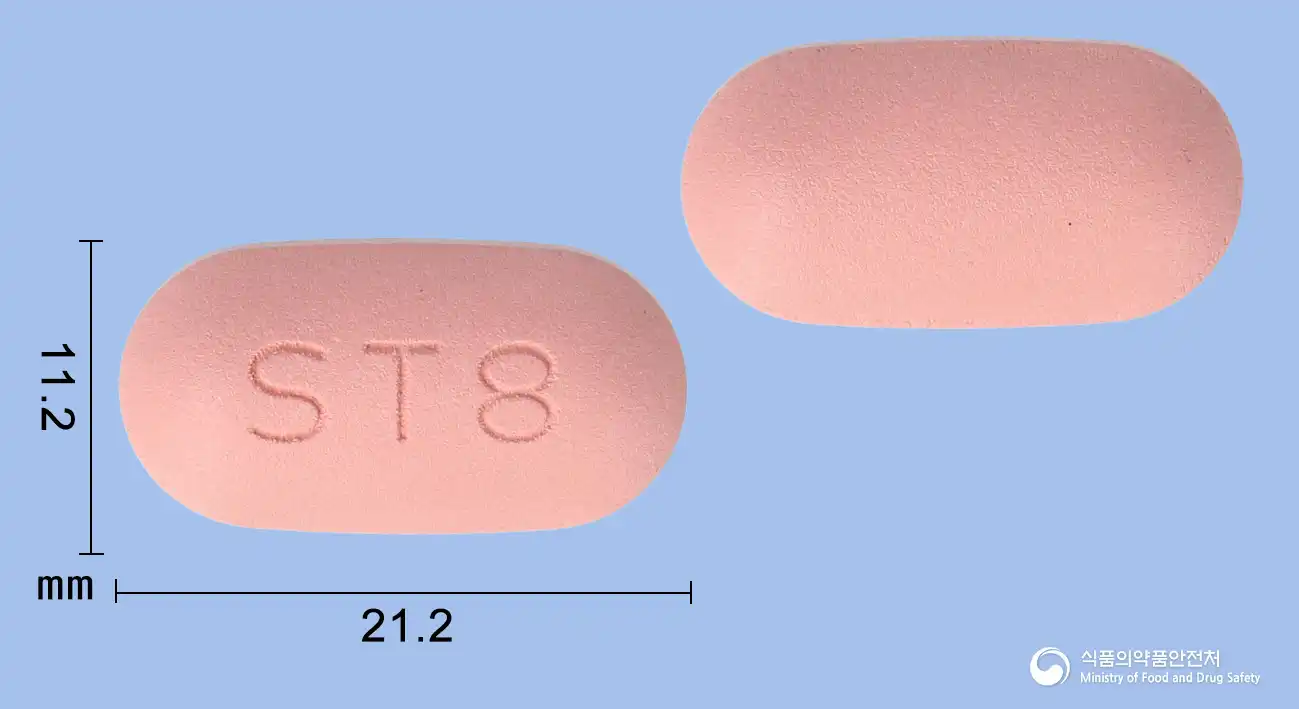 Combination
Metformin Hydrochloride 1000mg · Sitagliptin Phosphate Hydrate 128.5mg +1 more
Tablet · Prescription medication · Combination
Dongkuk Pharmaceutical Co., Ltd.
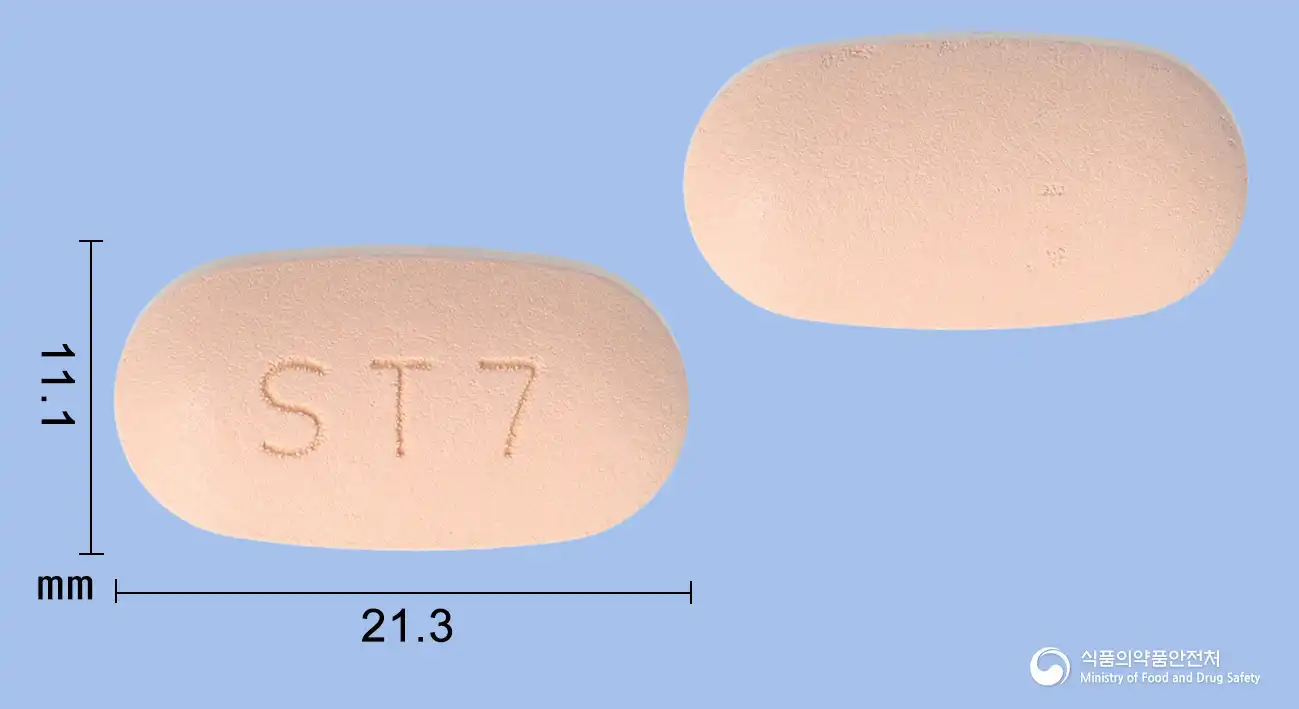 Combination
Metformin Hydrochloride 1000mg · Sitagliptin Phosphate Hydrate 64.25mg +1 more
Tablet · Prescription medication · Combination
Dongkook Pharmaceutical Co., Ltd.
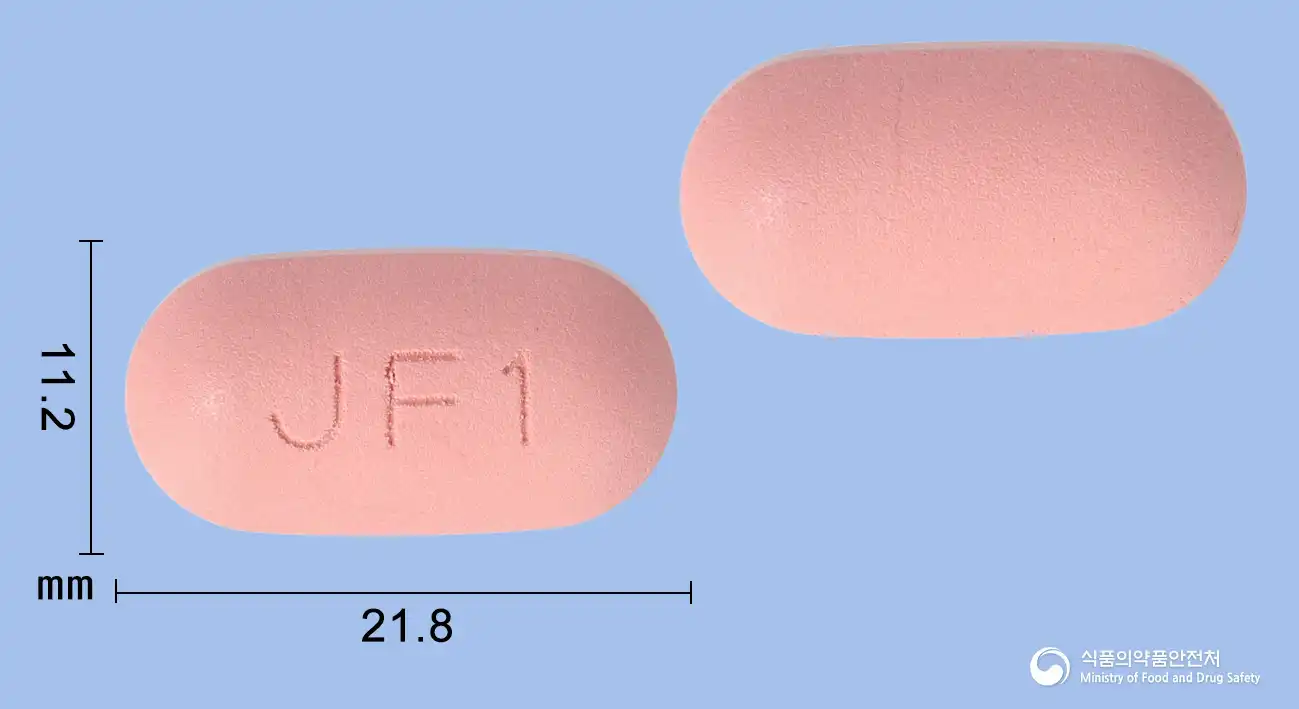 Combination
Metformin Hydrochloride 1000mg · Sitagliptin Phosphate Hydrate 128.5mg +1 more
Tablet · Prescription medication · Combination
Daewoong Bio Co., Ltd.
Even with the same ingredient, the dose and directions can differ by strength and dosage form. Talk to a doctor or pharmacist before switching from a medication you are already taking.
No questions yet.
For anything that needs medical judgment, consult a doctor or pharmacist.
This drug information is based on data provided by the Korea Ministry of Food and Drug Safety.
Consult a doctor or pharmacist for accurate dosage, administration, and usage instructions.