
 한국어
한국어 English
 日本語
日本語 中文(简体)
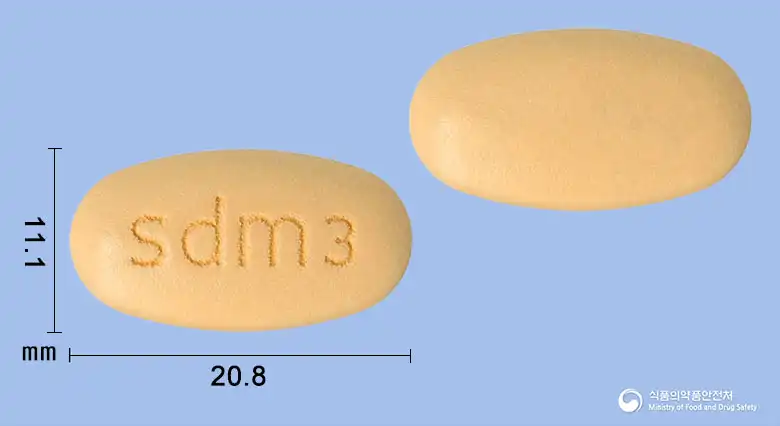 Viewing nowCombination
Sildapa MR Tablets 5/50/1000 Milligrams
Sitagliptin Phosphate Hydrate 64.3mg · Dapagliflozin Propanediol Hydrate 6.2mg +1 more
Tablet · Prescription medication · Combination
Hanmi Pharmaceutical Co., Ltd.
MFDS item code 202301623 · Approved 2023.05.22 · Insurance code 643508680
Improvement in blood sugar control for type 2 diabetes
This medication is used to assist blood sugar control in patients with type 2 diabetes. Particularly when used in combination with dapagliflozin, sitagliptin, and metformin, it can effectively manage blood sugar levels in addition to dietary and exercise therapies. This helps maintain stable blood sugar levels and supports diabetes treatment.
To minimize gastrointestinal adverse reactions due to metformin hydrochloride, this medication should be taken once daily with dinner. Take 2 tablets of this product 5/50/500mg, 5/50/750mg, and 5/50/1000mg once daily. In cases where adequate blood glucose control cannot be achieved with the combination therapy of metformin hydrochloride and sitagliptin, a starting dose of 10mg dapagliflozin and 100mg sitagliptin may be prescribed.
This medication contains three ingredients: sitagliptin, dapagliflozin, and metformin, each with specific precautions. First, sitagliptin can rarely cause serious allergic reactions, so if symptoms such as skin rash, difficulty breathing, or swelling of the face or lips occur, you should stop taking it immediately and consult a doctor. Additionally, acute pancreatitis may occur; thus, if symptoms like abdominal pain, vomiting, or fever arise, promptly inform medical personnel. Dapagliflozin may cause reduced body fluid volume and low blood pressure, so caution is advised if you are dehydrated or have a history of low blood pressure. The risk of genital infections and urinary tract infections may increase, so you should seek appropriate treatment if related symptoms appear. Moreover, a serious metabolic condition known as diabetic ketoacidosis may occur, so be alert for symptoms such as vomiting, abdominal pain, difficulty breathing, or fatigue. Rare but severe infections such as Fournier's gangrene have also been reported; immediate treatment is necessary if symptoms develop. Metformin may rarely cause a fatal side effect known as lactic acidosis, so it should not be used in patients with impaired kidney function or those suffering from severe infections, dehydration, liver disease, or congestive heart failure. If symptoms like nausea, vomiting, abdominal pain, muscle pain, or difficulty breathing occur while taking it, inform your doctor immediately. Also, gastrointestinal discomfort is common with metformin, so consult your doctor if this causes significant discomfort. This medication should not be administered to patients with poor kidney function, acute heart failure, severe infections, patients scheduled for surgery, or pregnant women. Regular kidney function tests should be conducted before and during treatment. As there is a risk of hypoglycemia, caution is advised when skipping meals or exercising excessively and when used in combination with other blood glucose-lowering medications; if hypoglycemic symptoms appear, take sweets immediately. It is advisable to avoid alcohol consumption while taking this medication, and regular blood tests are recommended as a deficiency of vitamin B12 may occur. Lastly, it is crucial to consult a doctor or pharmacist immediately if any adverse reactions or suspected symptoms appear to receive appropriate measures.
Rash, severe swelling (edema), chest tightness, shortness of breath, cold sweat, paleness, anaphylaxis, angioedema, Stevens-Johnson syndrome, exfoliative skin disease, acute pancreatitis, fatal/non-fatal hemorrhagic or necrotizing pancreatitis, lactic acidosis, acute kidney failure, worsening renal function, liver abnormalities (jaundice), acute kidney failure, hemorrhagic pancreatitis, necrotizing pancreatitis, acute renal injury, renal impairment, severe allergic reactions, serious weakness
Not everyone experiences these, and they can vary from person to person.
This medication should be stored in a tightly closed container to protect it from moisture and air. It is best to maintain a storage temperature between 1 degree and 30 degrees Celsius. Proper storage will help preserve the effectiveness and safety of the medication.
Yellow oval prolonged-release film-coated tablets
30 tablets/bottle
Even with the same ingredient, strength, dosage form and how it is taken can differ.
Viewing nowCombinationSitagliptin Phosphate Hydrate 64.3mg · Dapagliflozin Propanediol Hydrate 6.2mg +1 more
Tablet · Prescription medication · Combination
Hanmi Pharmaceutical Co., Ltd.
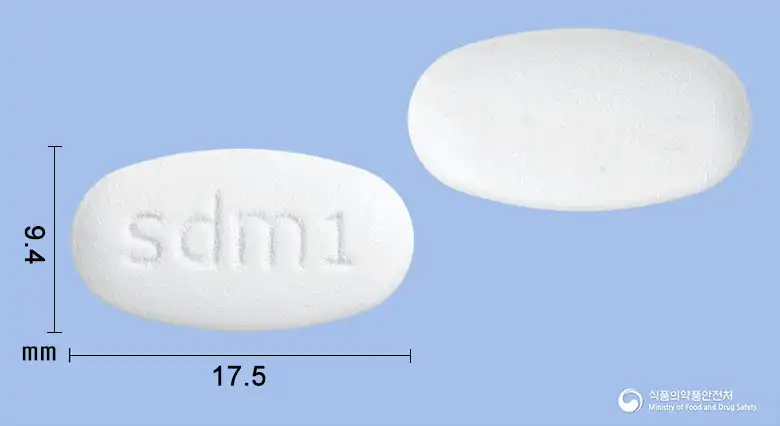 Combination
Sitagliptin Phosphate Hydrate 64.3mg · Dapagliflozin Propanediol Hydrate 6.2mg +1 more
Tablet · Prescription medication · Combination
Hanmi Pharmaceutical Co., Ltd.
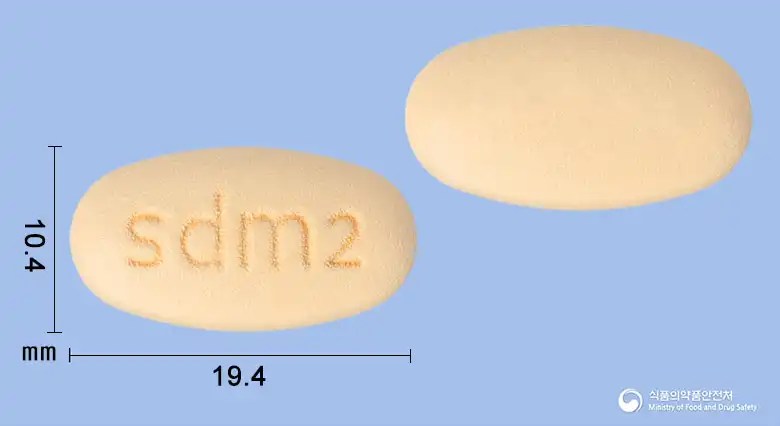 Combination
Sitagliptin Phosphate Hydrate 64.3mg · Dapagliflozin Propanediol Hydrate 6.2mg +1 more
Tablet · Prescription medication · Combination
Hanmi Pharmaceutical Co., Ltd.
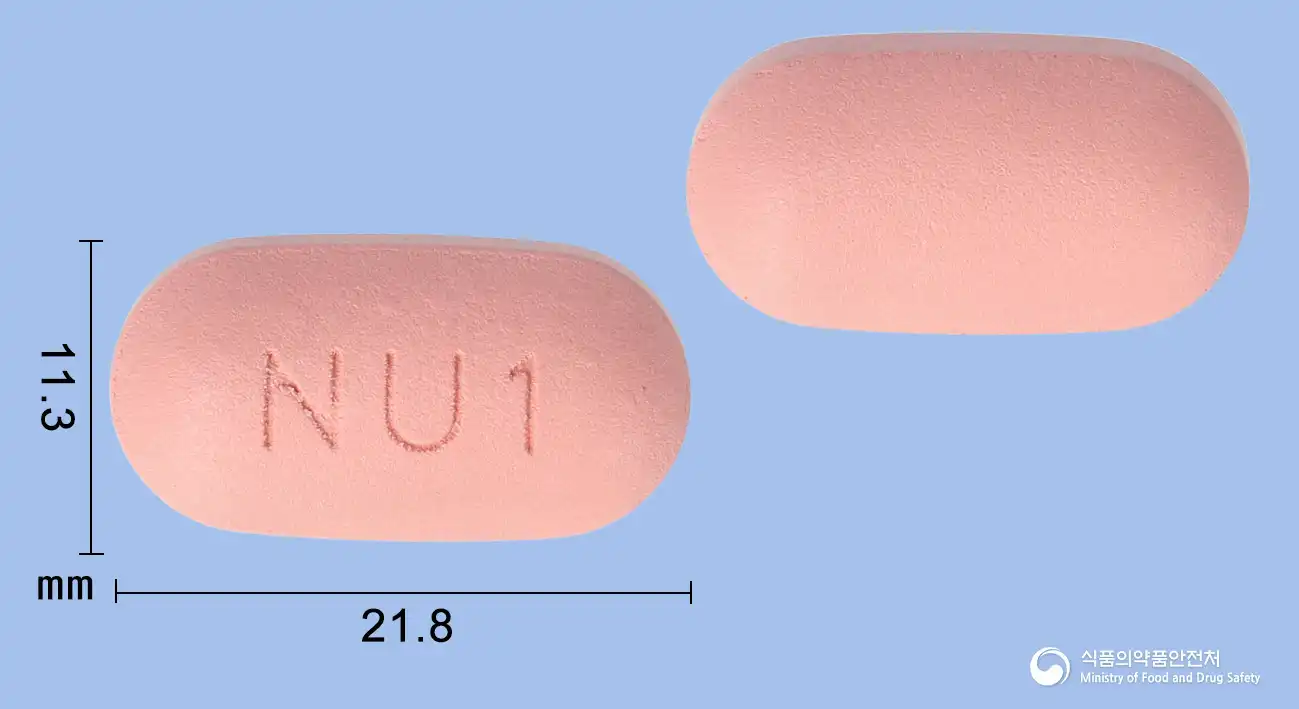 Combination
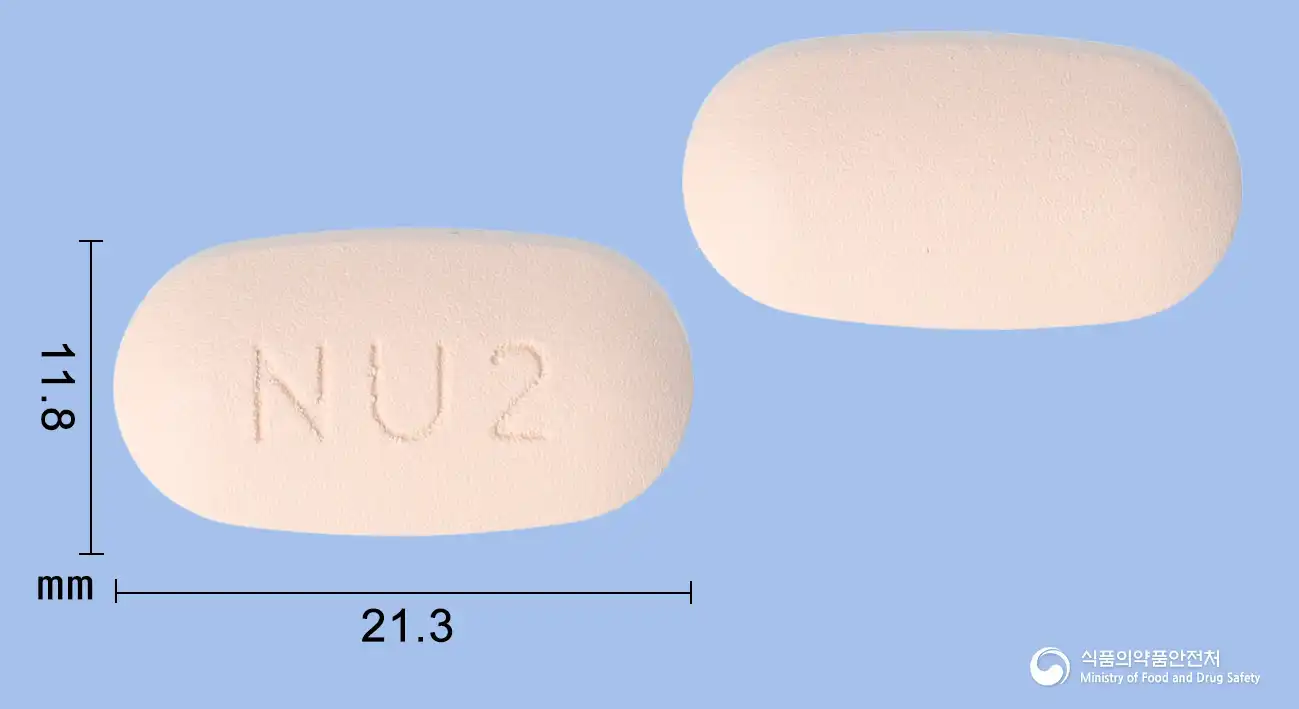
Metformin Hydrochloride 1000mg · Sitagliptin Phosphate Hydrate 128.5mg +1 more
Tablet · Prescription medication · Combination
Genewon Science Co., Ltd.
 Combination
Metformin Hydrochloride 1000mg · Sitagliptin Phosphate Hydrate 64.25mg +1 more
Tablet · Prescription medication · Combination
Genewon Science Co., Ltd.
 Combination
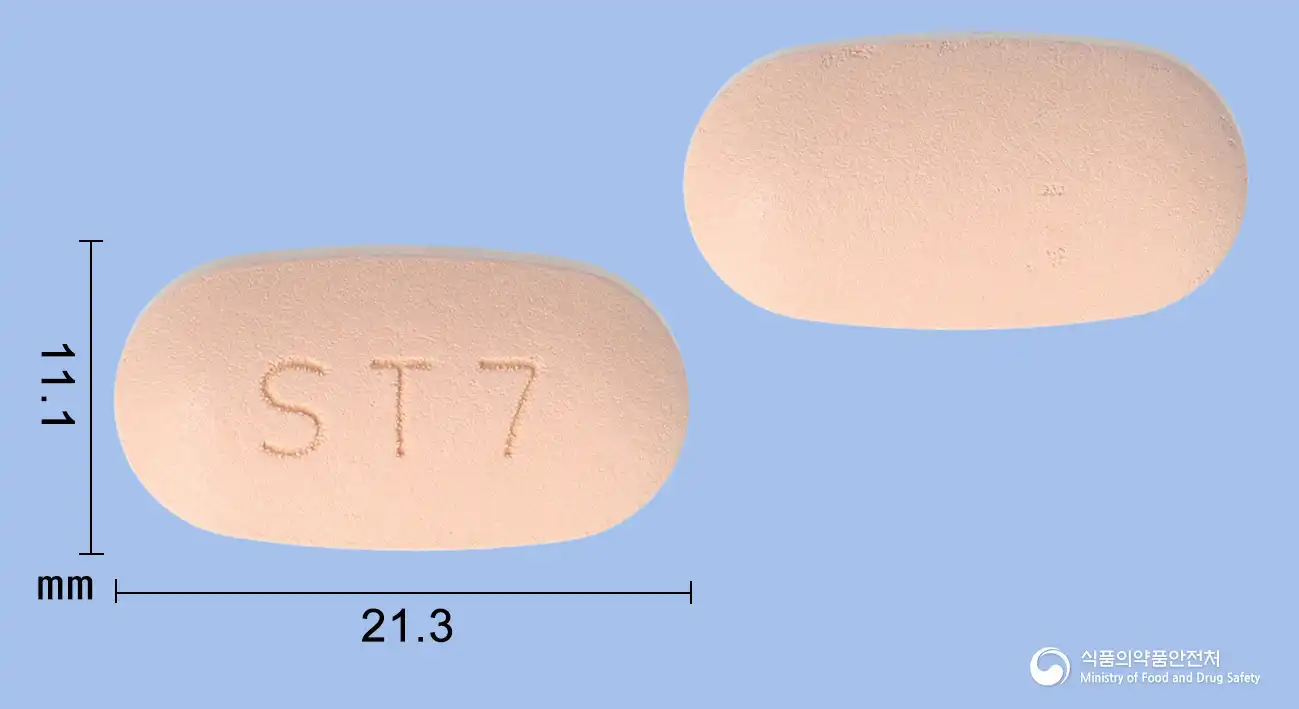
Metformin Hydrochloride 1000mg · Sitagliptin Phosphate Hydrate 128.5mg +1 more
Tablet · Prescription medication · Combination
Dongkuk Pharmaceutical Co., Ltd.
 Combination
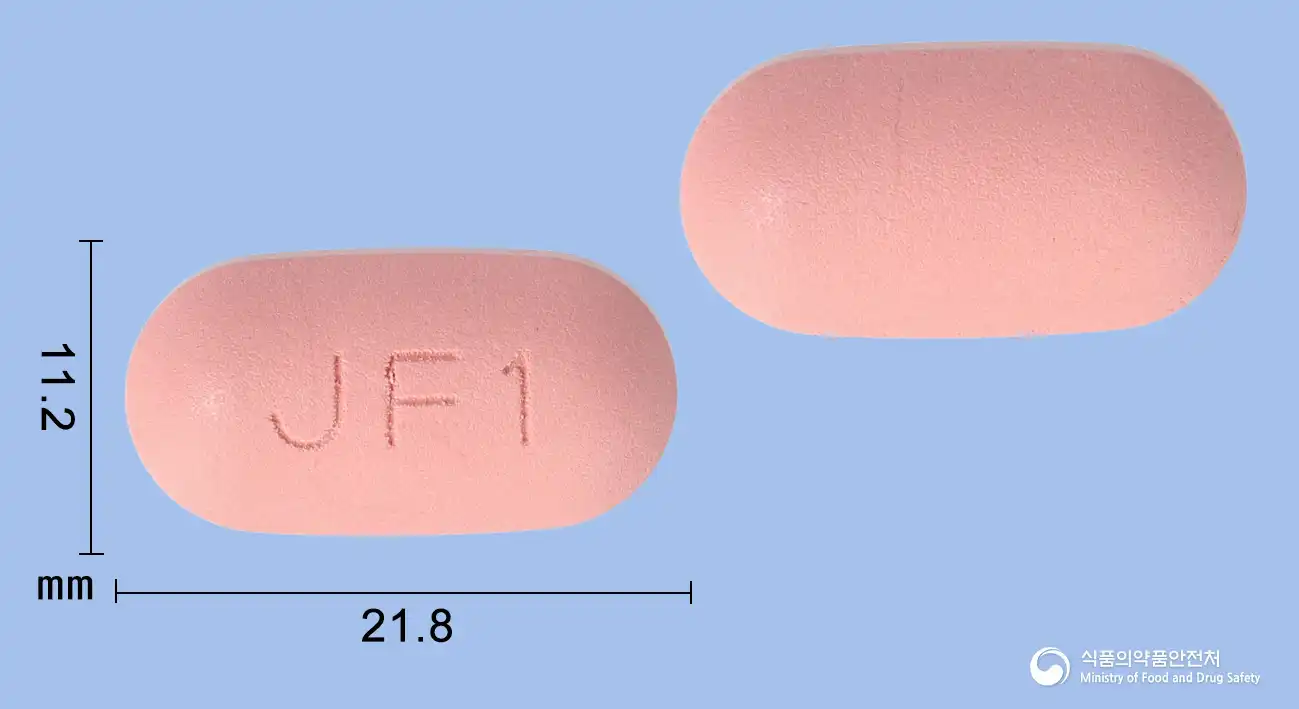
Metformin Hydrochloride 1000mg · Sitagliptin Phosphate Hydrate 64.25mg +1 more
Tablet · Prescription medication · Combination
Dongkook Pharmaceutical Co., Ltd.
 Combination
Metformin Hydrochloride 1000mg · Sitagliptin Phosphate Hydrate 128.5mg +1 more
Tablet · Prescription medication · Combination
Daewoong Bio Co., Ltd.
Even with the same ingredient, the dose and directions can differ by strength and dosage form. Talk to a doctor or pharmacist before switching from a medication you are already taking.
No questions yet.
For anything that needs medical judgment, consult a doctor or pharmacist.
This drug information is based on data provided by the Korea Ministry of Food and Drug Safety.
Consult a doctor or pharmacist for accurate dosage, administration, and usage instructions.