
 한국어
한국어 English
 日本語
日本語 中文(简体)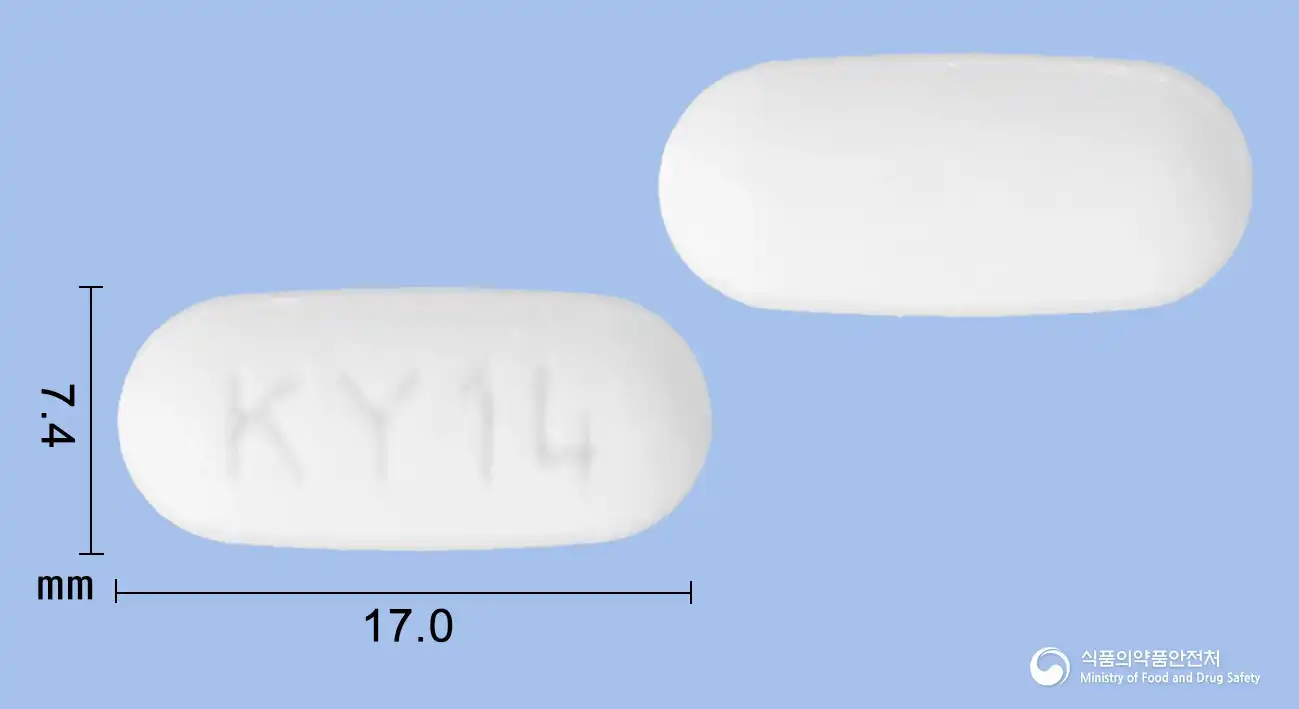
Summary
- Main use
- Relief of pain (headache, toothache, etc.) and suppression of fever
- Who takes it
- Adults
- Adult dose
- For individuals aged 15 and older: take 1 tablet 1 to 3 times a day. Avoid taking on an empty stomach. The intervals between doses should be at least 4 hours.
Ingredients
- Manufacturer
- 한국신텍스제약(주)
Efficacy & effects
Relief of pain (headache, toothache, etc.) and suppression of fever
- Headaches
- toothaches
- postoperative pain
- sore throat
- ear pain
- joint pain
- neuralgia
- back pain
- muscle pain
- shoulder pain
- bruise pain
- fracture pain
View approved original textHide original text
This medicine is used to relieve various types of pain such as headaches, toothaches, pain after tooth extraction, sore throat, ear pain, joint pain, neuralgia, back pain, muscle pain, shoulder stiffness, bruises, fracture pain, sprain pain, and menstrual pain. It is also effective as an antipyretic when there are chills or fever. It helps improve various types of pain and fever symptoms.
How to take
Adult dose
For individuals aged 15 and older: take 1 tablet 1 to 3 times a day. Avoid taking on an empty stomach. The intervals between doses should be at least 4 hours.
Precautions
This medication should be consulted with a physician or pharmacist if the patient regularly consumes more than three glasses of alcohol daily due to the risk of gastrointestinal bleeding. It should not be taken by individuals who have had an allergic reaction to this medication or its ingredients. Individuals who have experienced asthma symptoms when taking antipyretics, analgesics, or cold medications should also avoid using this product. Infants under 3 months old should not take this medication. Care should be taken to avoid simultaneous use with other antipyretics, cold medications, or sedatives. Infants suspected of having chickenpox or influenza, and children under 15 years old must consult a professional before taking this medication. Those with allergies or a history of allergic reactions to medications should consult a professional before taking this drug. Patients with liver, kidney, or thyroid diseases or with conditions such as diabetes, hypertension, or those who are physically weak or have a high fever should seek advice before taking it. Elderly individuals, pregnant women, or those who are breastfeeding must consult a professional before taking this medication. People currently taking other medications should consult a physician or pharmacist before starting this one. If symptoms such as heartburn, gastrointestinal discomfort, or abdominal pain persist or recur, or if there are issues with ulcers or bleeding, caution should be taken. Those dehydrated from vomiting or diarrhea, or taking diuretics should exercise caution. If symptoms like rash, itching, nausea, vomiting, loss of appetite, abdominal pain, dizziness, swelling occur during use, discontinue use immediately and consult a professional. If severe allergic reactions, skin rashes, or difficulty breathing occur, seek emergency treatment immediately and stop taking this medication. If symptoms do not improve after 5-6 doses, consult with a professional. This medication can rarely cause severe skin adverse reactions or systemic reactions, so if initial symptoms are detected, usage should be discontinued immediately. Children under 2 years old should not take this medication except in special circumstances and must consult a physician. After the 20th week of pregnancy, it may affect the fetus, so the minimum dosage should be used and use should be avoided after the 30th week. Using this medication during pregnancy can lead to renal dysfunction in the fetus or oligohydramnios, which requires regular ultrasound examinations and professional monitoring. The prescribed dosage and administration guidelines must be strictly followed, and long-term use is not recommended. Alcohol should be avoided during usage. This medication should be kept out of reach of children and stored in a tightly sealed container away from direct sunlight and moisture in a cool place.
Side effects and when to seek care immediately
Serious side effects
Hives, severe swelling (edema), chest tightness, difficulty breathing, cold sweat, pallor, severe rash with high fever, blisters, skin peeling, pain in mouth/eyes mucous membranes, respiratory issues (including asthma attacks), yellowing of skin or eyes (jaundice), sudden and severe headache, lightning-like headache, seizures, confusion, vision disturbances, paralysis, significantly reduced urination, severe edema throughout the body with increased blood pressure
Mild side effects
Rash, redness, itching, nausea, vomiting, loss of appetite, constipation, abdominal pain, gastrointestinal bleeding, gastric discomfort, dizziness, swelling, fever, joint pain, pruritus, dermatitis, asthma, allergic symptoms (e.g., fever, rash, joint pain, asthma, itching, etc.), heartburn, gastric discomfort, abdominal pain, vomiting, diarrhea, mucocutaneous syndrome, erythema multiforme, exfoliative dermatitis, acute generalized exanthematous pustulosis (AGEP), Churg-Strauss syndrome
Not everyone experiences these, and they can vary from person to person.
Interactions
Drug interactions
During use, this medication should not be taken with other antipyretics, cold medications, or sedatives. If you are being treated with diabetes medications, gout medications, arthritis medications, anticoagulants, steroids, or diuretics, consult with a physician or pharmacist before use.
Food interactions
Alcohol should not be consumed while taking this medication.
Storage
This medication should be stored in a sealed container to prevent exposure to air or moisture. Additionally, it is preferable to store the medication at room temperature between 1°C and 30°C. This helps maintain the medication's effectiveness and prevent deterioration.
Appearance and packaging
Appearance
White oblong tablet
Package unit
30 tablets/bottle, 100 tablets/bottle
Questions about this medicine
QI feel nauseous and uncomfortable after taking it.
The side effects listed include gastric discomfort, nausea, and gastrointestinal bleeding, and it is advised to immediately stop taking the medication and consult a doctor or pharmacist if these symptoms occur. Also, note that it should be taken with food.
Answers 1 · 2026.09.14
QCan my father who is on diabetes medication take this?
Those receiving diabetes medications, gout medication, arthritis medication, anticoagulants, steroids, or diuretics should consult a doctor or pharmacist before taking this medication. Bring a list of medications your father is taking to verify with the pharmacist.
Answers 1 · 2026.09.14
QHow many times a day can I take headache medication?
For individuals aged 15 and older, the instructions state to take 1 tablet 1-3 times daily, ensuring at least 4 hours between doses. Avoid taking on an empty stomach.
Answers 1 · 2026.09.14
For anything that needs medical judgment, consult a doctor or pharmacist.