
 한국어
 English
 日本語
 中文(简体)
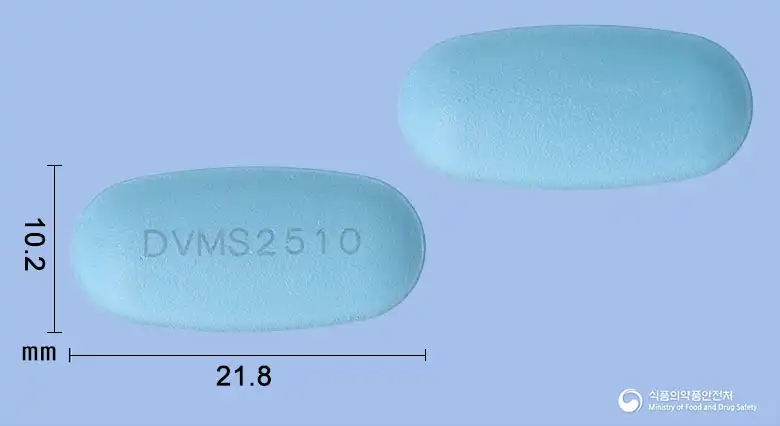 Viewing nowCombination
Duvimet SR 0.25/50/1000 mg
Metformin Hydrochloride 1000mg · Lobeglitazone Sulfate 0.25mg +1 more
Tablet · Prescription medication · Combination
Jongkundang Co., Ltd.
MFDS item code 202301433 · Approved 2023.05.02
Improvement of glycemic control in adults with type 2 diabetes mellitus
This medication is used to improve blood sugar control in adult patients with type 2 diabetes. In particular, it is effective as an adjunct to diet and exercise therapy when used in combination with Rosiglitazone, Sitagliptin, and Metformin. This helps to effectively manage blood sugar levels and alleviate symptoms of diabetes.
For antidiabetic therapy, the recommended dose of this medicine is lobeglitazone sulfate 0.5 mg and sitagliptin 100 mg; the dose of extended-release metformin hydrochloride should be determined based on each patient's current treatment regimen, efficacy, and tolerability, without exceeding 2000 mg. This medicine is generally administered once daily with the evening meal, and the dose is adjusted gradually to reduce gastrointestinal adverse reactions associated with metformin. Take 1 tablet of this medicine 0.5/100/1000 mg extended-release tablet once daily. Patients taking this medicine 0.25/50/500 mg, 0.25/50/750 mg, or 0.25/50/1000 mg extended-release tablets should take 2 tablets together once daily. If adequate glycemic control cannot be achieved with metformin and sitagliptin, the starting dose of this medicine should be lobeglitazone sulfate 0.5 mg, sitagliptin 100mg, and the dose of metformin hydrochloride currently being taken, or an appropriate dose therapeutically equivalent to it. For patients switching from combination therapy with lobeglitazone, sitagliptin, and metformin to this medicine, the dose of this medicine should be the existing dose of each component. Since dose adjustment according to renal function is necessary, assessment of renal function is recommended before and periodically during treatment with this medicine. 1. No dose adjustment is necessary in patients with mild renal impairment [estimated glomerular filtration rate (eGFR) ≥ 60 mL/min/1.73 m2 and < 90 mL/min/1.73 m2]. 2. In patients with moderate renal impairment [CKD stage 3A, estimated glomerular filtration rate (eGFR) ≧ 45 mL/min/1.73m2 and <60 mL/min/1.73m2], this medicine may be used by adjusting the metformin hydrochloride dose if it is well tolerated and there are no other conditions that may increase the risk of lactic acidosis. - Since the starting dose of extended-release metformin hydrochloride is 500mg or 750 mg once daily, treatment should not be initiated with this medicine. The maximum daily dose of metformin hydrochloride is 1000 mg. Renal function should be monitored closely every 3- 6 months. If creatinine clearance or estimated glomerular filtration rate decreases to below 45ml/min or 45ml/min/1.73m2, respectively, administration of this medicine should be discontinued immediately.
This medication may cause or exacerbate heart failure in patients with cardiac dysfunction, so it should be administered under thorough medical supervision. If symptoms of heart failure such as sudden weight gain, shortness of breath, or swelling occur, consult a healthcare professional immediately. It is advisable not to use this medication in patients with severe heart failure. Additionally, this medication may cause fluid retention, increasing the risk of heart failure, so caution is necessary. Some components of this medication may trigger allergic reactions, so it should be avoided in patients with hypersensitivity. Acute pancreatitis, a serious inflammation of the pancreas, may rarely occur; thus, report any symptoms such as abdominal pain, nausea, or vomiting to a doctor immediately. This medication can rarely cause serious metabolic disorders called lactic acidosis; seek medical attention if sudden fatigue, muscle pain, shortness of breath, or abdominal pain occur. It is not safe to use this medication in patients with impaired kidney function or liver dysfunction. Temporary discontinuation of the medication may be necessary before and after surgery, or in cases of severe infections or dehydration. Regular blood tests and monitoring of kidney and liver function are required during treatment, and any symptoms of weight gain, swelling, or shortness of breath should be communicated to healthcare professionals immediately. Moreover, this medication poses a risk of hypoglycemia, so care should be taken with irregular meals, intense exercise, or concurrent use with other hypoglycemic medications. Women who are pregnant or planning to become pregnant should consult a doctor before starting this medication. Alcohol intake should be avoided while on this medication, and if a dose is missed, patients should be cautious not to double the dose the next day. The use of this medication may decrease vitamin B12 levels in the body, necessitating regular testing and supplementation if needed. This medication has been reported to cause side effects such as blurred vision, macular edema, and increased fracture risk in some patients; therefore, consult a doctor if there are any eye issues or concerns about bone health. If severe joint pain or skin blisters occur during use, consult healthcare professionals immediately. This medication can enhance blood sugar control effects when used with other diabetes medications; however, it may also increase the risk of hypoglycemia, so vigilance is advised. Finally, strict dietary management and blood sugar monitoring should be adhered to, and any abnormal symptoms should be reported to a specialist immediately.
Not everyone experiences these, and they can vary from person to person.
This medication may be sensitive to air and moisture, so it should be stored in a tightly sealed container. The ambient temperature should be maintained between 1 and 30 degrees Celsius. This will help to preserve the effectiveness of the medication for a longer time and ensure safe usage.
Blue, biconvex, oval-shaped controlled-release film-coated tablet
30 tablets/bottle
Even with the same ingredient, strength, dosage form and how it is taken can differ.
Viewing nowCombinationMetformin Hydrochloride 1000mg · Lobeglitazone Sulfate 0.25mg +1 more
Tablet · Prescription medication · Combination
Jongkundang Co., Ltd.
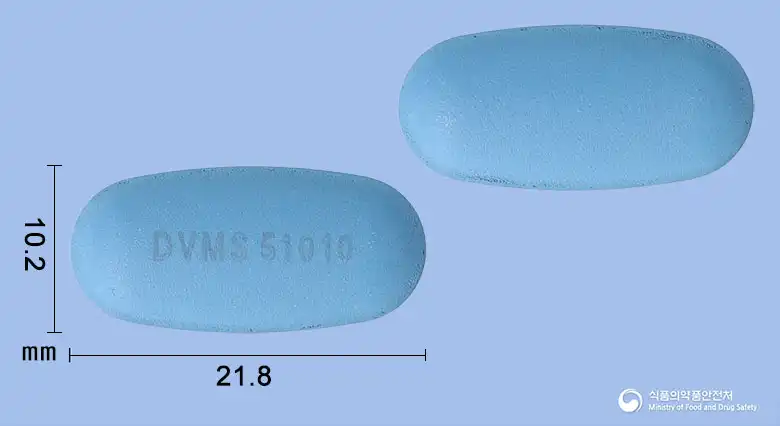 Combination
Metformin Hydrochloride 1000mg · Lobeglitazone Sulfate 0.5mg +1 more
Tablet · Prescription medication · Combination
JongKundang Co., Ltd.
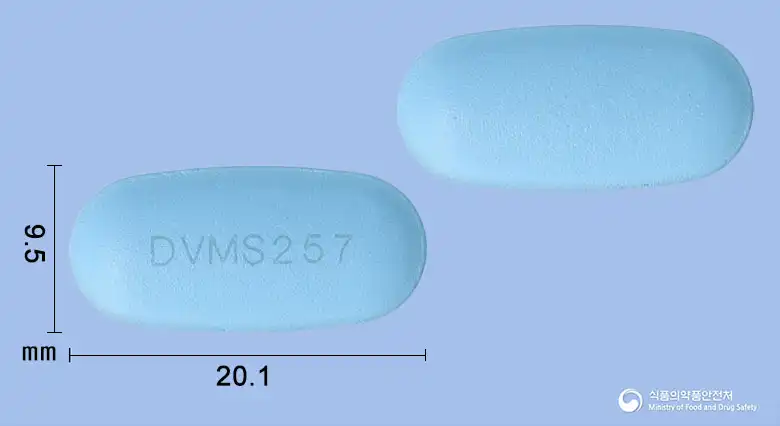 Combination
Metformin Hydrochloride 750mg · Lobeglitazone Sulfate 0.25mg +1 more
Tablet · Prescription medication · Combination
Jongkundang Co., Ltd.
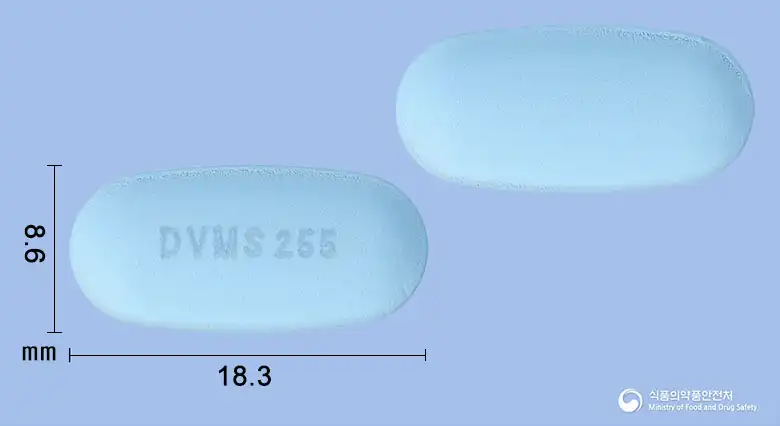 Combination
Metformin Hydrochloride 500mg · Lobeglitazone Sulfate 0.25mg +1 more
Tablet · Prescription medication · Combination
Jongkundang Co., Ltd.
Even with the same ingredient, the dose and directions can differ by strength and dosage form. Talk to a doctor or pharmacist before switching from a medication you are already taking.
No questions yet.
For anything that needs medical judgment, consult a doctor or pharmacist.
This drug information is based on data provided by the Korea Ministry of Food and Drug Safety.
Consult a doctor or pharmacist for accurate dosage, administration, and usage instructions.