
 한국어
한국어 English
 日本語
日本語 中文(简体)
 Viewing nowCombination
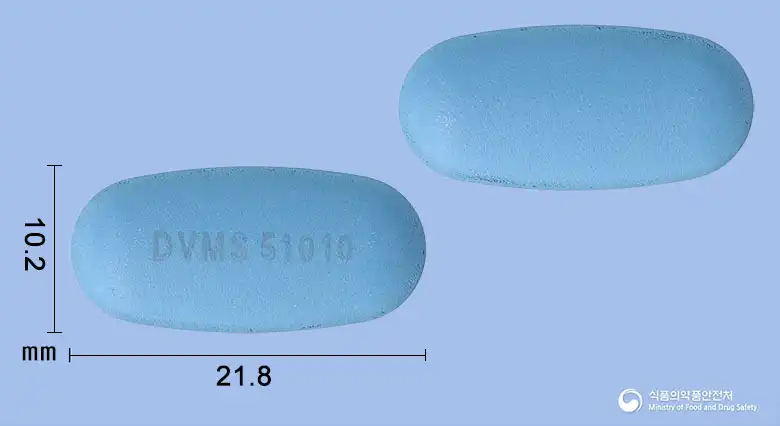
Duvimet SR Tablets 0.5/100/1000 Milligrams
Metformin Hydrochloride 1000mg · Lobeglitazone Sulfate 0.5mg +1 more
Tablet · Prescription medication · Combination
JongKundang Co., Ltd.
MFDS item code 202301430 · Approved 2023.05.02 · Insurance code 643309330
Improvement in blood sugar control in type 2 diabetes
This medication helps improve blood sugar control in adult patients with type 2 diabetes by combining Rosiglitazone, Sitagliptin, and Metformin. It effectively supports blood sugar management when used alongside dietary and exercise therapy, thus improving the blood sugar control of patients.
This medication is typically administered once daily with the evening meal at a dose of 1 tablet (0.5/100/1000 mg). For patients taking 0.25/50/500 mg, 0.25/50/750 mg, or 0.25/50/1000 mg sustained-release tablets, take 2 tablets once daily. If blood sugar control is insufficient with Metformin and Sitagliptin, the starting dose is...
This medication contains Rosiglitazone, which can place a strain on the heart, and should not be used in patients with heart failure or those showing symptoms of heart failure. Symptoms of heart failure include sudden weight gain, shortness of breath, and edema; if these occur, medical attention should be sought immediately. Additionally, the Sitagliptin component may rarely cause severe allergic reactions or acute pancreatitis, so patients experiencing symptoms such as skin rash or abdominal pain should visit a hospital immediately. The Metformin component may rarely cause a serious metabolic disorder known as lactic acidosis; thus, patients with impaired kidney function or liver disease should avoid this medication. If symptoms such as vomiting, diarrhea, abdominal pain, or fatigue occur, patients should consult a physician immediately. This medication should not be administered to patients with impaired kidney or liver function, heart failure, acute infections, or those scheduled for major surgery. If such conditions arise, the medication should be discontinued and healthcare professionals should be consulted. Regular blood tests and liver function tests should be conducted during treatment, and patients should notify their healthcare providers immediately if they experience sudden weight gain or symptoms such as edema and shortness of breath. Moreover, this medication carries a risk of hypoglycemia; therefore, patients should avoid skipping meals or engaging in excessive physical activity and should closely monitor blood sugar changes when used in combination with other diabetes medications. Women who are pregnant or planning to become pregnant must consult a physician, and premenopausal women should use appropriate contraceptive methods as ovulation may be stimulated. Lastly, excessive alcohol consumption should be avoided during the course of this medication, and if scheduled for a radiocontrast examination, drug use should be discontinued for a certain period before and after the test.
Hives, severe swelling (edema), chest tightness, difficulty breathing, cold sweat, pallor, severe rash accompanied by high fever, blisters, skin shedding, pain in the oral/eye mucosa, shortness of breath or difficulty breathing, asthma attack, respiratory abnormalities with cough and fever, yellowing of the skin or eyes (jaundice), extreme lethargy, sudden and severe headache, lightning headache, seizures, confusion of consciousness, visual disturbances, paralysis, urinary retention
Not everyone experiences these, and they can vary from person to person.
This medication is sensitive to air and moisture and should be stored in a tightly closed container. It is best to maintain a storage temperature between 1 and 30 degrees Celsius at room temperature. Proper storage preserves the effectiveness and safety of the medication for a longer duration.
Blue, oval-shaped, bi-convex, sustained-release film-coated tablet
Bottle packaging - 30 tablets/bottle, Bottle packaging - 6 tablets/bottle
Even with the same ingredient, strength, dosage form and how it is taken can differ.
Viewing nowCombinationMetformin Hydrochloride 1000mg · Lobeglitazone Sulfate 0.5mg +1 more
Tablet · Prescription medication · Combination
JongKundang Co., Ltd.
 Combination
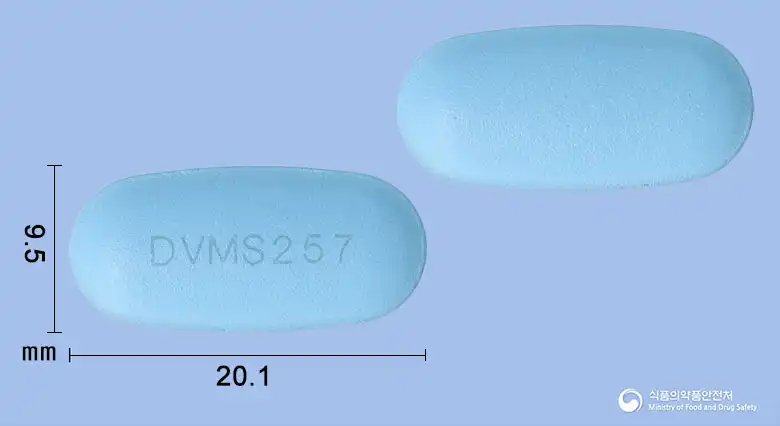
Metformin Hydrochloride 750mg · Lobeglitazone Sulfate 0.25mg +1 more
Tablet · Prescription medication · Combination
Jongkundang Co., Ltd.
 Combination
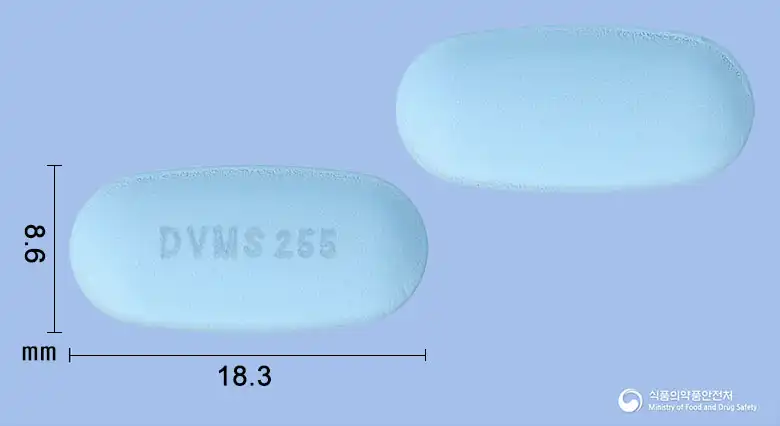
Metformin Hydrochloride 500mg · Lobeglitazone Sulfate 0.25mg +1 more
Tablet · Prescription medication · Combination
Jongkundang Co., Ltd.
 Combination
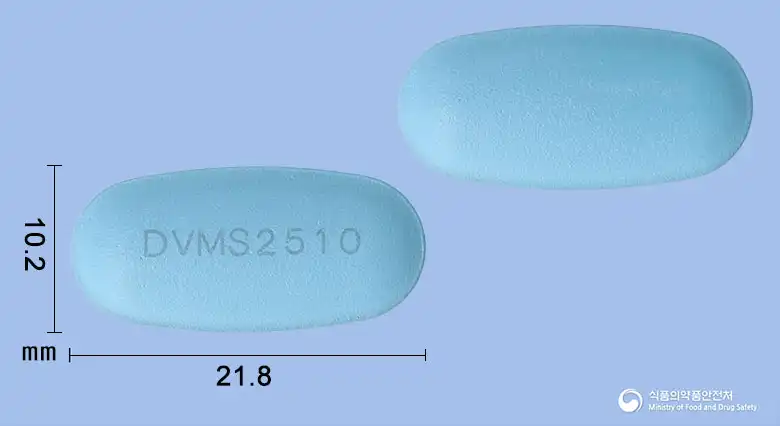
Metformin Hydrochloride 1000mg · Lobeglitazone Sulfate 0.25mg +1 more
Tablet · Prescription medication · Combination
Jongkundang Co., Ltd.
Even with the same ingredient, the dose and directions can differ by strength and dosage form. Talk to a doctor or pharmacist before switching from a medication you are already taking.
No questions yet.
For anything that needs medical judgment, consult a doctor or pharmacist.
This drug information is based on data provided by the Korea Ministry of Food and Drug Safety.
Consult a doctor or pharmacist for accurate dosage, administration, and usage instructions.