
 한국어
한국어 English
 日本語
日本語 中文(简体)
 Viewing nowCombination
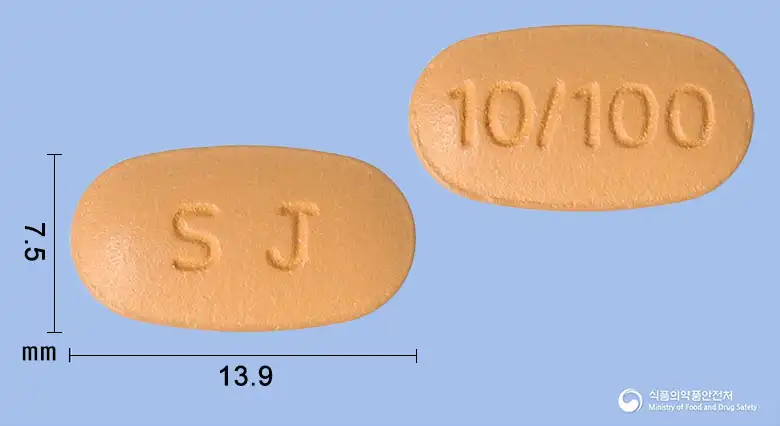
Pobigle Tablet 10/100 mg
Dapagliflozin Propanediol Hydrate 12.3mg · Sitagliptin Phosphate Hydrate 128.5mg
Tablet · Prescription medication · Combination
Samjin Pharmaceutical Co., Ltd.
MFDS item code 202301100 · Approved 2023.03.31 · Insurance code 647805570
Improvement of blood sugar control in type 2 diabetes
This medication is used to assist in blood sugar control for patients with type 2 diabetes. It specifically helps patients taking both sitagliptin and dapagliflozin to effectively improve blood sugar levels when combined with diet and exercise therapy. This facilitates smoother blood sugar control, which is significant for health management.
This medication can be administered to patients taking sitagliptin 100 mg and dapagliflozin 10 mg as 1 tablet once daily regardless of meals. The tablet must be swallowed whole.
This medication contains sitagliptin and dapagliflozin, which are used in the treatment of diabetes. First, the sitagliptin component may rarely cause severe allergic reactions such as anaphylaxis, angioedema, or severe skin conditions after administration, therefore if allergic symptoms occur within the first three months of treatment, it must be discontinued immediately and a doctor should be consulted. Additionally, sitagliptin may have the potential for pancreatitis, so it is important to monitor for abdominal pain or dyspeptic symptoms during treatment and discontinue if necessary. Next, the dapagliflozin component may cause hypotension or renal impairment related to decreased body fluid volume; thus, particularly patients with renal impairment or the elderly should thoroughly check their fluid status and kidney function before taking this medication, and monitor their symptoms during use. This medication should not be used in patients with type 1 diabetes, diabetic ketoacidosis, or those on dialysis and caution is necessary if allergic to Tartrazine (yellow No. 4). During treatment, hypoglycemic symptoms may occur, so dosage adjustments may be necessary when used with insulin or sulfonylureas to reduce the risk of hypoglycemia. Furthermore, dapagliflozin may increase the risk of genital infections and urinary tract infections, so immediate treatment is required if infection symptoms occur. Pregnant or breastfeeding women should avoid using this medication, especially during breastfeeding as the drug can be transmitted through breast milk and affect the baby. The elderly may have impaired kidney function and should undergo regular kidney function tests and carefully monitor their fluid status. In the case of an overdose, there are no specific antidotes, so receiving appropriate treatment according to symptoms is essential, and blood dialysis may be considered if necessary. Finally, caution is needed during driving or operating machinery as there may be risks of hypoglycemia during the use of this medication. Please ensure to consult with a doctor or pharmacist before and during use of this medication for safe administration.
Urticaria, severe swelling (edema), anaphylaxis, angioedema, chest tightness, difficulty breathing, cold sweat, pallor, severe rash with fever, blistering, skin peeling, pain in oral/ocular mucosa, severe skin adverse reactions, shortness of breath or difficulty breathing, asthma attacks, respiratory abnormalities accompanied by cough+fever, yellowing of skin or eyes (jaundice), extreme fatigue, liver abnormalities (jaundice), sudden and severe
Not everyone experiences these, and they can vary from person to person.
This medication should be stored in a tightly closed container to protect it from air and moisture. It is best to maintain a storage temperature between 1 and 30 degrees Celsius at room temperature.
Bright yellowish-brown oval film-coated tablets
100 tablets/bottle, 30 tablets/bottle
Even with the same ingredient, strength, dosage form and how it is taken can differ.
Viewing nowCombinationDapagliflozin Propanediol Hydrate 12.3mg · Sitagliptin Phosphate Hydrate 128.5mg
Tablet · Prescription medication · Combination
Samjin Pharmaceutical Co., Ltd.
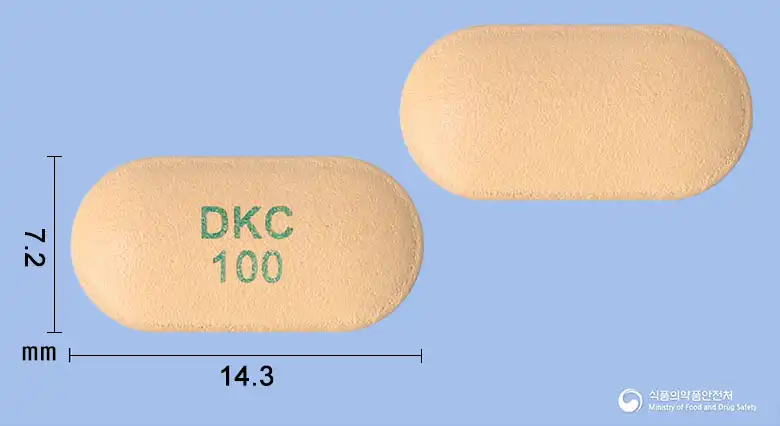 Combination
Dapagliflozin Propanediol Hydrate 12.3mg · Sitagliptin Phosphate Hydrate 128.5mg
Tablet · Prescription medication · Combination
Donggu Bio Pharmaceutical Co., Ltd.
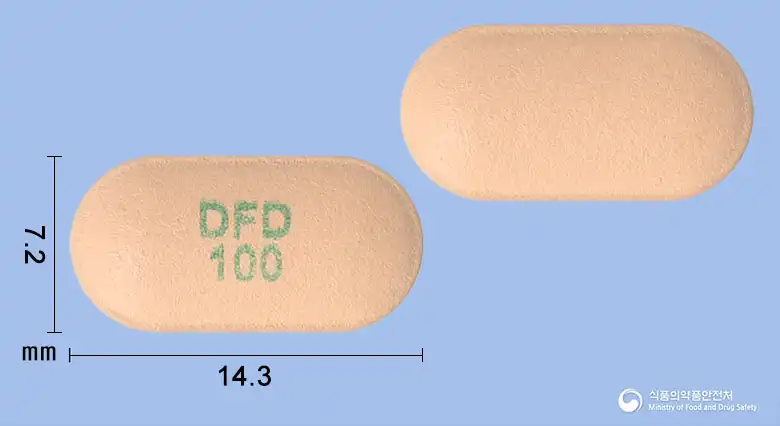 Combination
Dapagliflozin Propanediol Hydrate 12.3mg · Sitagliptin Phosphate Hydrate 128.5mg
Tablet · Prescription medication · Combination
Daewoo Pharmaceutical Co., Ltd.
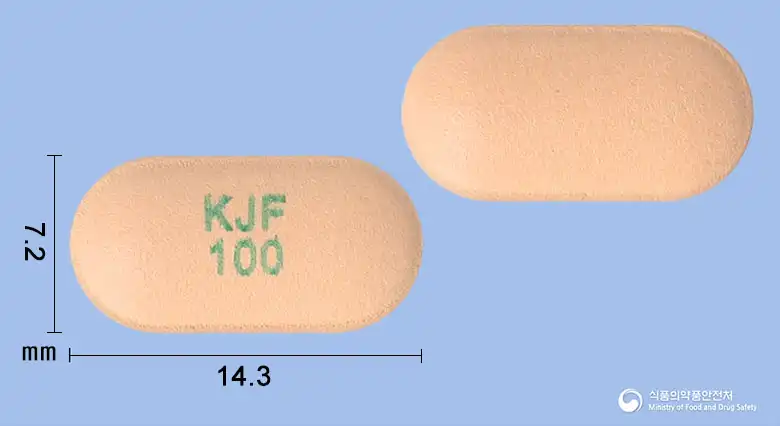 Combination
Dapagliflozin Propanediol Hydrate 12.3mg · Sitagliptin Phosphate Hydrate 128.5mg
Tablet · Prescription medication · Combination
International Pharmaceutical Co., Ltd.
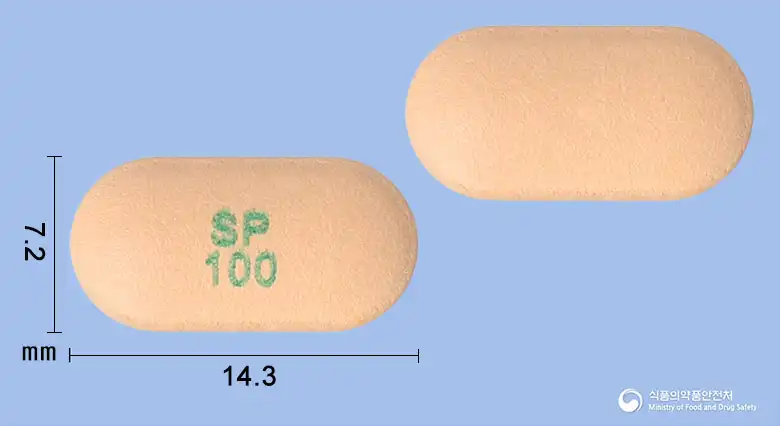 Combination
Dapagliflozin Propanediol Hydrate 12.3mg · Sitagliptin Phosphate Hydrate 128.5mg
Tablet · Prescription medication · Combination
Shinpoong Pharmaceutical Co., Ltd.
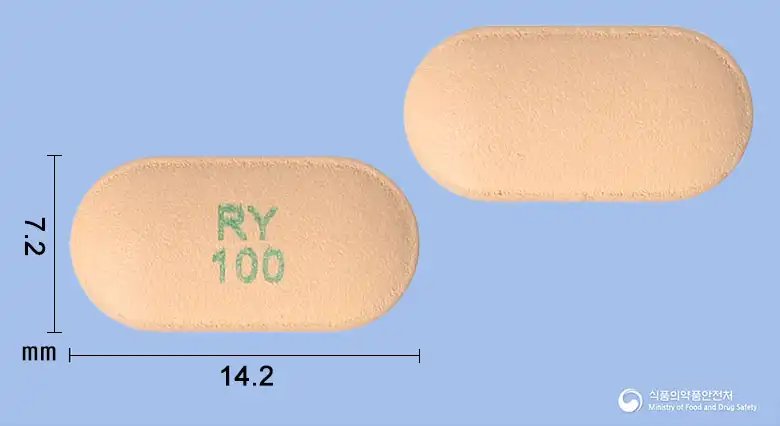 Combination
Dapagliflozin Propanediol Hydrate 12.3mg · Sitagliptin Phosphate Hydrate 128.5mg
Tablet · Prescription medication · Combination
IYON Pharmaceutical Co., Ltd.
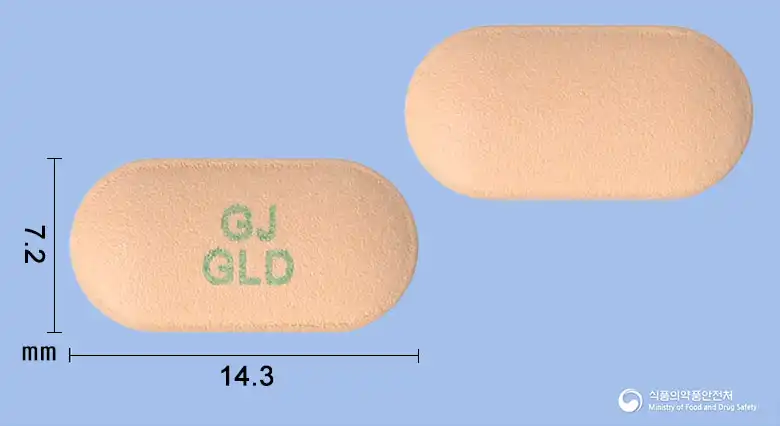 Combination
Dapagliflozin Propanediol Hydrate 12.3mg · Sitagliptin Phosphate Hydrate 128.5mg
Tablet · Prescription medication · Combination
Kujoo Pharmaceutical Co., Ltd.
Dapagliflozin Propanediol Hydrate 12.3mg · Sitagliptin Phosphate Hydrate 128.5mg
Tablet · Prescription medication · Combination
Ildong Pharmaceutical Co., Ltd.
Even with the same ingredient, the dose and directions can differ by strength and dosage form. Talk to a doctor or pharmacist before switching from a medication you are already taking.
No questions yet.
For anything that needs medical judgment, consult a doctor or pharmacist.
This drug information is based on data provided by the Korea Ministry of Food and Drug Safety.
Consult a doctor or pharmacist for accurate dosage, administration, and usage instructions.