한국어
 English
 日本語
 中文(简体)
 Viewing now
Masiten Tablet 10 mg (Masitentan)
Macitentan Micronized 10mg
Tablet · Prescription medication
Samjin Pharmaceutical Co., Ltd.
MFDS item code 202300945 · Approved 2023.03.16 · Insurance code 647805550
Long-term treatment of pulmonary arterial hypertension in adults (idiopathic, heritable, etc.)
This medication is used for long-term treatment in adult patients with pulmonary arterial hypertension, particularly those classified as WHO functional class II-III. This drug has demonstrated efficacy in patients with idiopathic and hereditary pulmonary arterial hypertension, as well as those with pulmonary arterial hypertension related to connective tissue diseases and congenital heart diseases. Therefore, this medication helps improve symptoms of pulmonary arterial hypertension and slows disease progression.
Adults: Take 10 mg once daily, regardless of meals. This medicine may be used as monotherapy or in combination with a phosphodiesterase-5 inhibitor or inhaled/oral prostanoid therapy. Film-coated tablets should be swallowed whole with water and should not be chewed, cut, or crushed. Patients with hepatic impairment No dosage adjustment is necessary in patients with mild, moderate, or severe hepatic impairment. However, there is no clinical experience with administering this medicine to patients with pulmonary arterial hypertension who have moderate or severe hepatic impairment. This medicine should not be administered to patients with severe hepatic impairment or to patients with clinically significant elevations in hepatic aminotransferases (greater than 3 times the upper limit of normal [> 3 x ULN]). Patients with renal impairment No dosage adjustment is necessary in patients with renal impairment. There is no clinical experience with administering this medicine to patients with severe renal impairment. Administration of this medicine to patients undergoing dialysis is not recommended. Older adults No dosage adjustment is necessary for older adults aged 65 years and older.
This medication should not be used in pregnant women or women who may become pregnant, as it can cause congenital defects in the fetus. Pregnant status must be confirmed before treatment begins and throughout treatment, as well as for one month after discontinuation, and reliable contraception methods must be used. Patients allergic to this medication or its ingredients, pregnant women or women who do not use contraception and may become pregnant, breastfeeding women, and patients with severe liver dysfunction should not receive this medication. Additionally, patients with liver enzyme levels exceeding 3 times the normal upper limit, those with specific genetic metabolic disorders, and patients allergic to soybean oil, beans, peanuts, and others should also refrain from using this medication. Patients with impaired liver or kidney function, and patients with anemia should use this medication cautiously and undergo regular monitoring of liver function and blood status during treatment. This medication may result in side effects such as headache, hypotension, infections, and anemia, and treatment should be discontinued immediately if signs of abnormal liver function occur, followed by consultation with a physician. Caution is necessary when driving or operating machinery, especially if symptoms of headache or hypotension are present. This medication may interact with other drugs, so inform healthcare providers of any other medications being taken. Women who may become pregnant should conduct monthly pregnancy tests during the course of treatment and avoid pregnancy for one month after discontinuation of treatment. Breastfeeding women are advised not to take this medication, and care is needed as it could affect male reproductive ability. The safety and efficacy of this medication in children under 18 have not been established, and special caution is needed in the elderly, although they can generally be prescribed this medication. In cases of overdose, symptoms such as headache, vomiting, and nausea may appear, so contact healthcare professionals immediately and seek appropriate treatment if necessary. This medication should be stored out of reach of children and should not be transferred to other containers.
Not everyone experiences these, and they can vary from person to person.
This medication should be stored in a tightly sealed container to prevent exposure to air or moisture. It is advisable to maintain storage temperature between 1 to 30 degrees Celsius at room temperature.
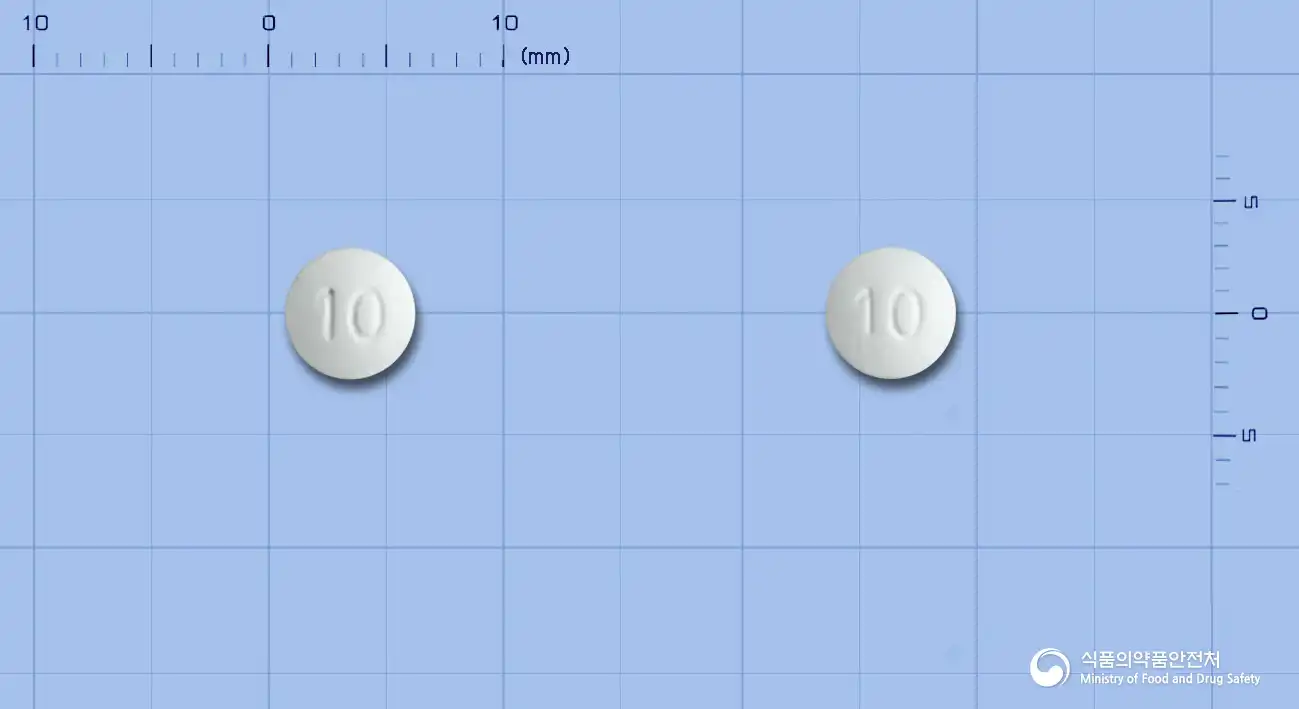
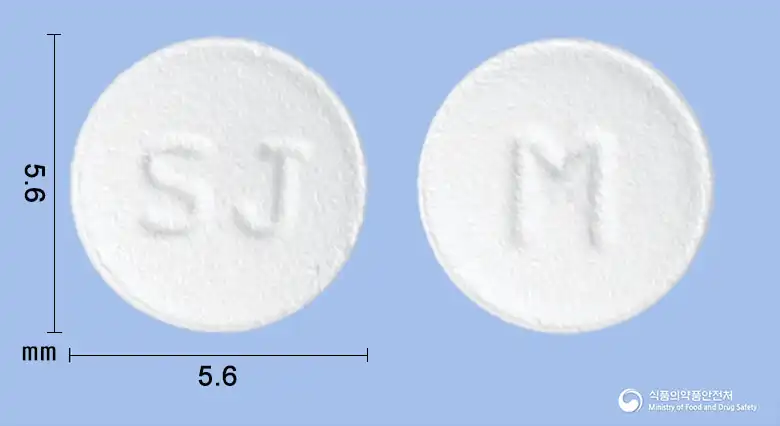
Biconvex round film-coated tablets, white or light yellow
30 tablets/box [10 tablets/PTPX3]
Even with the same ingredient, strength, dosage form and how it is taken can differ.
Even with the same ingredient, the dose and directions can differ by strength and dosage form. Talk to a doctor or pharmacist before switching from a medication you are already taking.
No questions yet.
For anything that needs medical judgment, consult a doctor or pharmacist.
This drug information is based on data provided by the Korea Ministry of Food and Drug Safety.
Consult a doctor or pharmacist for accurate dosage, administration, and usage instructions.