
 한국어
한국어 English
 日本語
日本語 中文(简体)
 Viewing nowCombination
Multiblue F Tablets
Bisbentiamine 33.33mg · Pyridoxine Hydrochloride 50mg +5 more
Tablet · OTC medication · Combination
Light Pharm Tech Co., Ltd.
MFDS item code 202300911 · Notified 2023.03.14
Improvement of physical fatigue and loss of strength during illness, pain relief from neuralgia, myalgia, etc., and improvement of symptoms such as dermatitis
This medication is used to supplement vitamin B1 and B6 when experiencing physical fatigue, during pregnancy or lactation, and to address loss of strength during or after illness. It also helps relieve symptoms such as neuralgia, myalgia, arthralgia, cheilitis, glossitis, stomatitis, ulcerative stomatitis, eczema, and dermatitis. It is effective in alleviating eye fatigue and preventing beriberi. Additionally, it provides zinc and selenium to support overall health and boost immunity. This medication is effectively used for various symptoms and nutritional supplementation.
Aged 12 years and older: Take 1 tablet twice a day or 2 tablets once a day.
This medication should not be taken by individuals who have previously experienced allergic reactions to this drug or any of its ingredients. Furthermore, infants under 12 months should not take this medication. While taking this medication, avoid using certain medications such as phosphates, calcium salts, oral tetracycline antibiotics, antacids, and levodopa simultaneously. If you are currently undergoing treatment by a physician or have gastrointestinal diseases such as peptic ulcers, chronic ulcerative colitis, or localized colitis, or if you have heart or circulatory issues, kidney disorders, hypoproteinemia, gallbladder or liver diseases, or diabetes, you must consult with your doctor, dentist, or pharmacist before taking this medication. If you experience nausea, vomiting, loose stools, diarrhea, dermatitis, foul odor from sweat or breath, hair loss, anxiety, gastrointestinal disturbances, digestive issues, upper abdominal pain, low blood pressure, or pulmonary edema while on this medication, stop taking it immediately and consult a professional. Long-term use of pyridoxine at 500 mg to 2 g per day may cause abnormalities in the peripheral nervous system, requiring caution. Additionally, when administering more than 10 micrograms of vitamin B12 daily, hematological adverse reactions may occur in patients with folate deficiency. Overdose of this medication can result in nausea, vomiting, gastrointestinal symptoms, hypernatremia, congestive heart failure, and edema, thus caution is advised. Taking this medication alongside aldosterone antagonists or triamterene may increase serum potassium levels, requiring caution. If you have accidentally overdosed or if symptoms do not improve after taking this medication for one month, consult a professional immediately. Always adhere to the prescribed dosage and administration guidelines, and it is advisable to avoid tannin-containing beverages like green tea or black tea around the time of taking the medication. Keep this medication out of reach of children, store it in a tightly sealed container away from direct sunlight, in a cool and dry place. Moreover, to maintain quality and prevent misuse, it is important not to transfer the medication to another container.
Pulmonary edema, edema
Nausea, vomiting, loose stools, diarrhea, dermatitis, foul odor from sweat or breath, hair loss, restlessness, gastrointestinal disturbances, digestive issues, upper abdominal pain, low blood pressure, pulmonary edema, sensory neuropathy or neurological symptoms, hematological adverse reactions, hypernatremia, congestive heart failure, edema, hyperkalemia
Not everyone experiences these, and they can vary from person to person.
This medication should not be taken with phosphates, calcium salts, oral tetracycline antibiotics, antacids, or levodopa. Additionally, co-administration with aldosterone antagonists and triamterene may cause hyperkalemia, necessitating consultation with a physician or pharmacist.
This medication should be avoided along with tannin-containing beverages such as green tea or black tea during and around the time of consumption.
This medication should be stored in a tightly sealed container to prevent air exposure, ideally at room temperature between 1 to 30 degrees Celsius. This storage method helps maintain the medication's effectiveness and prevents deterioration.
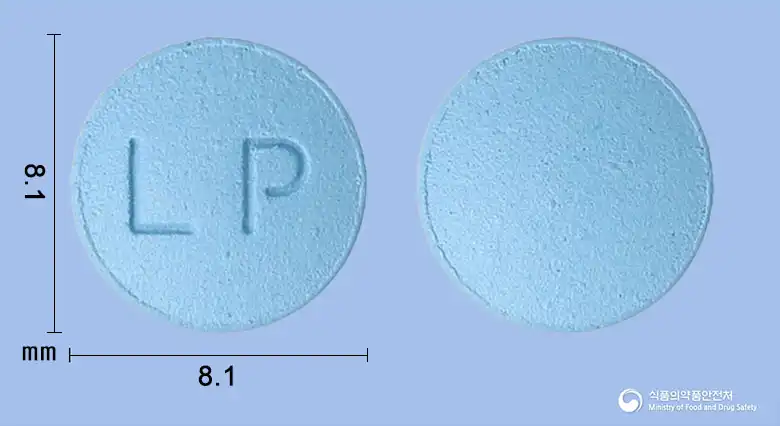
Pale blue round film-coated tablet
60 tablets per bottle
Even with the same ingredient, strength, dosage form and how it is taken can differ.
Viewing nowCombinationBisbentiamine 33.33mg · Pyridoxine Hydrochloride 50mg +5 more
Tablet · OTC medication · Combination
Light Pharm Tech Co., Ltd.
Bisbentiamine 33.33mg · Pyridoxine Hydrochloride 50mg +5 more
Tablet · OTC medication · Combination
Korea Shintec Pharmaceutical Co., Ltd.
Even with the same ingredient, the dose and directions can differ by strength and dosage form. Talk to a doctor or pharmacist before switching from a medication you are already taking.
QI feel like there's bad breath after taking it.
Answers 1 · 2026.09.14
QCan my mother, who takes Parkinson's medication, also take this?
Answers 1 · 2026.09.14
QIs it okay to take two tablets at once, or should I split them up?
Answers 1 · 2026.09.14
For anything that needs medical judgment, consult a doctor or pharmacist.
This drug information is based on data provided by the Korea Ministry of Food and Drug Safety.
Consult a doctor or pharmacist for accurate dosage, administration, and usage instructions.