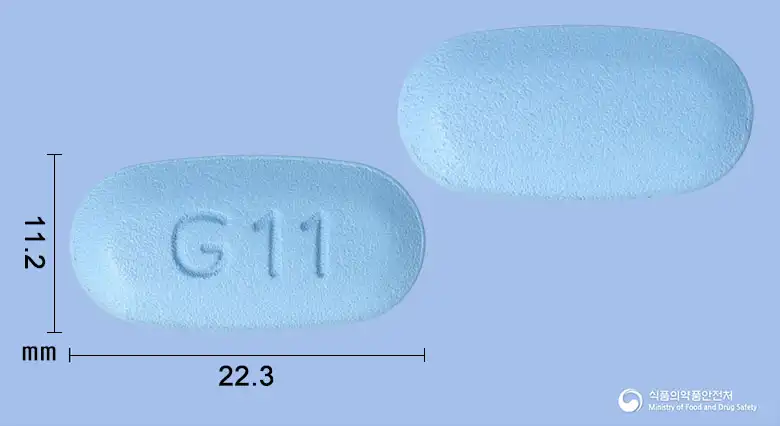
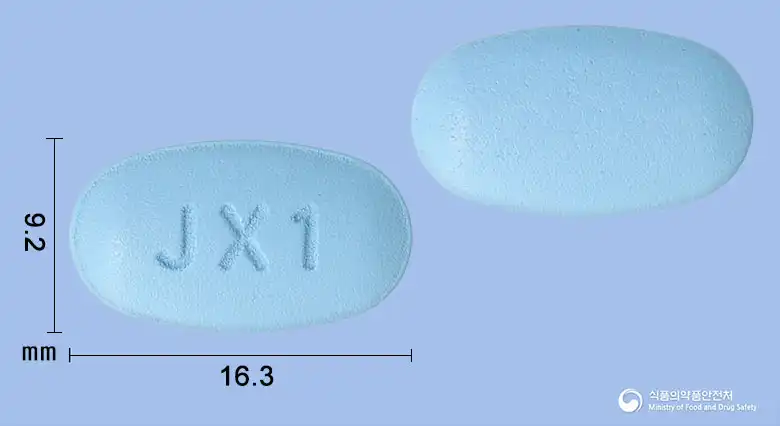
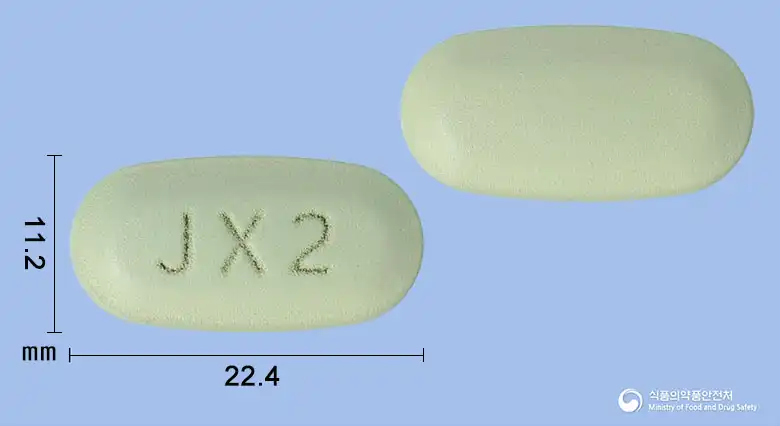
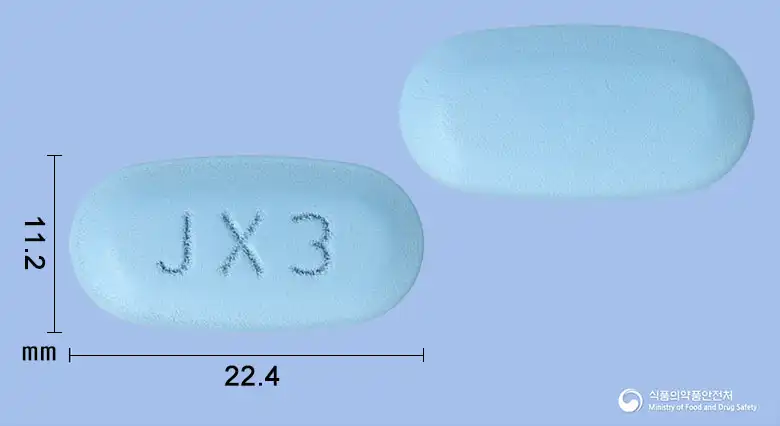
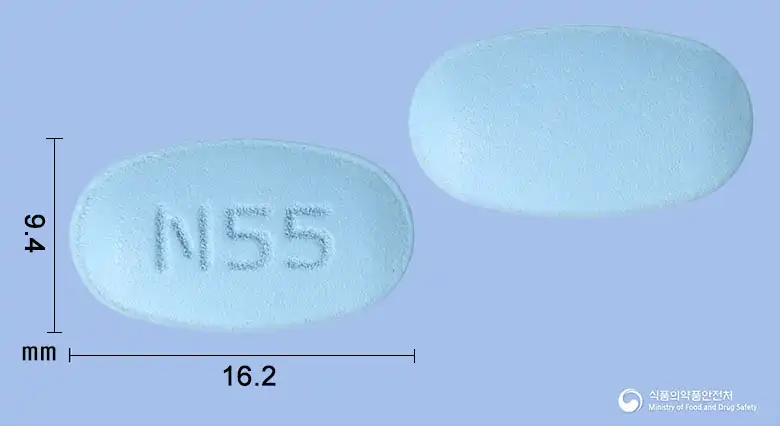
Improvement of blood sugar control in type 2 diabetes
Who takes it
Adults
Adult dose
This medication is typically taken twice a day with food, and the dosage is gradually increased to minimize gastrointestinal adverse reactions associated with metformin.
1. For patients not currently being treated with metformin:
- The initial dosage is one tablet of this medication 50/500 mg taken twice a day.
- The dosage may be increased to one tablet of 50/1000 mg taken twice a day.
2. For patients being treated with metformin,
Improvement of blood sugar control in type 2 diabetes
View approved original textHide original text
This medication helps assist in blood sugar control for patients with type 2 diabetes. It can help effectively manage blood sugar when used alongside dietary and exercise therapies. Particularly, the combination of sitagliptin and metformin contributes to the stable maintenance of blood sugar levels, thus providing significant support in the treatment of patients who find it challenging to control their blood sugar. Therefore, this medication is used to improve blood sugar control in patients with type 2 diabetes.
How to take
Adult dose
This medication is typically taken twice a day with food, and the dosage is gradually increased to minimize gastrointestinal adverse reactions associated with metformin.
1. For patients not currently being treated with metformin:
- The initial dosage is one tablet of this medication 50/500 mg taken twice a day.
- The dosage may be increased to one tablet of 50/1000 mg taken twice a day.
2. For patients being treated with metformin,
Precautions
This medication consists of two main ingredients, each with specific precautions.
First, one ingredient in this medication may, though rarely, cause serious allergic reactions. If symptoms such as rash, hives, or difficulty breathing occur, stop taking the medication immediately and seek medical attention.
Second, this medication can cause a serious side effect named pancreatitis, which is inflammation of the pancreas. If symptoms such as abdominal pain, nausea, or vomiting occur during use, consult a doctor immediately.
Third, the other ingredient in this medication may pose risks to patients with decreased renal function, and it should be avoided if renal function is moderately impaired or worse.
Fourth, patients with severe infections, dehydration, heart disease, liver dysfunction, pregnant or breastfeeding women, and those with certain metabolic disorders should not use this medication.
Fifth, while taking this medication, rare complications such as hypoglycemia or lactic acidosis may occur, so particularly be cautious regarding irregular meals, excessive exercise, and the concomitant use of other hypoglycemic agents or alcohol.
Sixth, this medication may cause gastrointestinal disturbances (diarrhea, nausea, vomiting, abdominal pain), so if symptoms are severe, consult a healthcare professional.
Seventh, during the course of treatment with this medication, it is important to regularly monitor renal function and undergo blood tests to check for abnormalities.
Eighth, this medication should be temporarily discontinued before any surgical or radiographic examinations that involve contrast media, and should only be resumed after confirming normal renal function.
Ninth, this medication may interact with certain other medications, so if you are taking other drugs, be sure to inform your doctor or pharmacist.
Lastly, elderly patients or those with poor nutritional status should be especially cautious when taking this medication as they may have impaired awareness of hypoglycemic symptoms, thus family members or caregivers should observe them closely.
Side effects and when to seek care immediately
Serious side effects
Hives, angioedema, hypersensitivity reactions (anaphylaxis), rash, exfoliative skin disease (Stevens-Johnson syndrome), acute pancreatitis, severe lactic acidosis, acute renal failure, difficulty breathing, acute renal function deterioration, severe hypoglycemia
Mild side effects
Diarrhea
upper respiratory infection
headache
nausea
vomiting
abdominal pain
constipation
dyspepsia
asthenia
nasopharyngitis
Show 11 moreCollapse
myalgia
limb pain
back pain
pruritus
itching
decreased appetite
dizziness
thrombocytopenia
rhabdomyolysis
severe and disabling arthralgia
hypoglycemia
Not everyone experiences these, and they can vary from person to person.
Storage
This medication should be stored in a tightly closed container to prevent air exposure, preferably at room temperature between 1 and 30 degrees Celsius. This will help maintain the effectiveness of the medication for a longer period.
Even with the same ingredient, the dose and directions can differ by strength and dosage form. Talk to a doctor or pharmacist before switching from a medication you are already taking.
Questions about this medicine
No questions yet.
For anything that needs medical judgment, consult a doctor or pharmacist.
This drug information is based on data provided by the Korea Ministry of Food and Drug Safety. Consult a doctor or pharmacist for accurate dosage, administration, and usage instructions.

 한국어
한국어 English
 日本語
日本語 中文(简体)
 Viewing nowCombination