
 한국어
한국어 English
 日本語
日本語 中文(简体)
 Viewing nowCombination
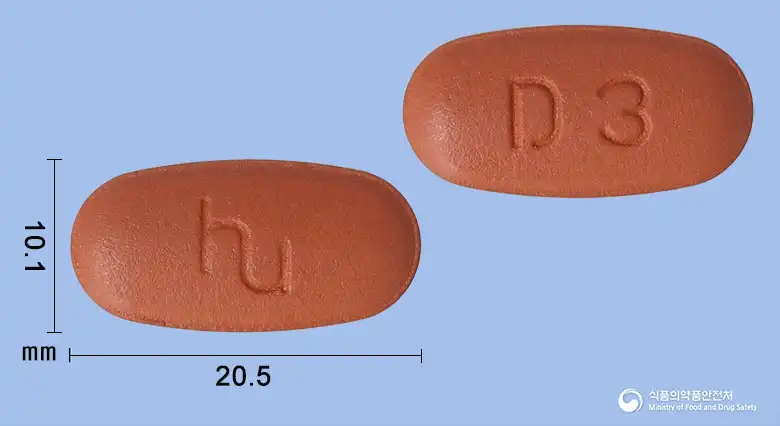
Hyglyiam Tablet 50/1000 mg (Sitagliptin, Metformin)
Sitagliptin Hydrochloride Hydrate 56.69mg · Metformin Hydrochloride 1000mg
Tablet · Prescription medication · Combination
Huons Co., Ltd.
MFDS item code 202300850 · Approved 2023.03.13 · Insurance code 670609120
Improvement in blood sugar control in type 2 diabetes
This medication assists in controlling blood sugar in patients with type 2 diabetes by combining sitagliptin and metformin. It can effectively manage blood sugar when used alongside diet and exercise therapy. This helps stabilize blood sugar levels and improves diabetes management.
This medication is generally taken twice a day with food and the dosage is gradually increased to reduce gastrointestinal adverse reactions caused by metformin. 1. Patients not previously treated with metformin: The initial dose is 50/500 mg twice daily, 1 tablet per dose, and it can be increased to 50/1000 mg twice daily, 1 tablet per dose. 2. Patients currently being treated with metformin: The recommended initial dose is
This medication contains two components that aid in blood sugar control. First, although rare, this medication can cause serious allergic reactions, so if symptoms such as rash or difficulty breathing occur, the medication should be stopped immediately and a doctor consulted. Second, there is a risk of pancreatitis, which is inflammation of the pancreas; therefore, if sudden abdominal pain, vomiting, or fever occurs, immediate medical attention should be sought. Third, one of the components of this medication should not be administered to patients with severely impaired kidney function, and caution is advised in patients with moderately impaired kidney function. Fourth, patients in serious conditions such as acute infections, dehydration, acute myocardial infarction, or heart failure should not take this medication. Fifth, before and after examinations using iodinated contrast media, this medication should be stopped for a certain period and resumed only after confirming that kidney function is normal. Sixth, pregnant women or women who may become pregnant, as well as breastfeeding women, should not take this medication. Seventh, this medication may cause symptoms of hypoglycemia, so caution is needed when skipping meals, eating irregularly, or engaging in strenuous exercise. Eighth, during the use of this medication, regular monitoring of kidney function and blood tests should be conducted to check for abnormalities. Ninth, alcohol consumption may increase the risk of serious side effects when taken with this medication, so it should be avoided. Finally, if sudden muscle pain, joint pain, rash, or blisters occur while taking this medication, immediate consultation with a doctor is required. This medication should be managed carefully according to the doctor's instructions before and after taking it, and it is important to consult medical personnel immediately if any abnormal symptoms occur.
Diarrhea, upper respiratory tract infection, headache, nausea, vomiting, abdominal pain, nasopharyngitis, constipation, myalgia, limb pain, back pain, pruritus, thrombocytopenia, rhabdomyolysis, decreased appetite, itching, dizziness, hypoglycemia, severe joint pain associated with disability, symptoms related to metabolic and nutritional disorders, symptoms related to mental disorders.
Not everyone experiences these, and they can vary from person to person.
This medication should be stored in a tightly sealed container to prevent exposure to air or moisture and kept at temperatures between 1°C and 30°C to maintain its effectiveness and prevent degradation.
Red-brown oval film-coated tablet
Bottle - 100 tablets/bottle, Bottle - 30 tablets/bottle
Even with the same ingredient, strength, dosage form and how it is taken can differ.
Viewing nowCombinationSitagliptin Hydrochloride Hydrate 56.69mg · Metformin Hydrochloride 1000mg
Tablet · Prescription medication · Combination
Huons Co., Ltd.
 Combination
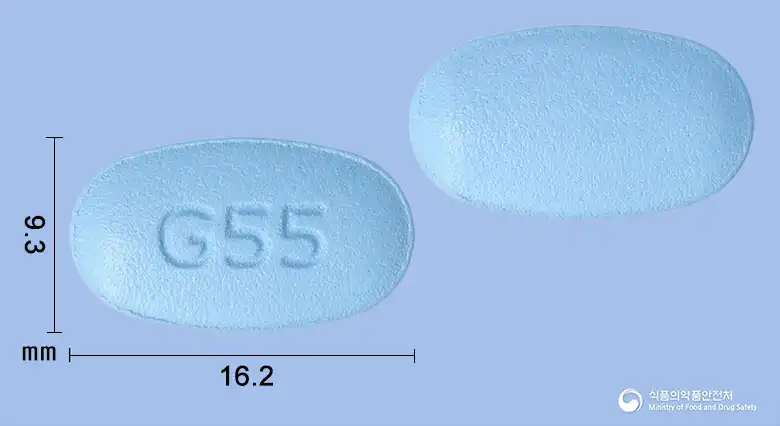
Sitagliptin Hydrochloride Hydrate 56.7mg · Metformin Hydrochloride 500mg
Tablet · Prescription medication · Combination
Shinil Pharmaceutical Co., Ltd.
 Combination
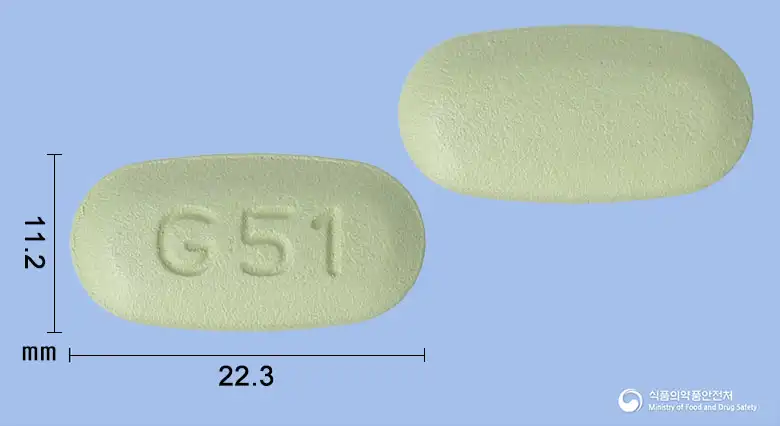
Sitagliptin Hydrochloride Hydrate 56.7mg · Metformin Hydrochloride 1000mg
Tablet · Prescription medication · Combination
Shinil Pharmaceutical Co., Ltd.
 Combination
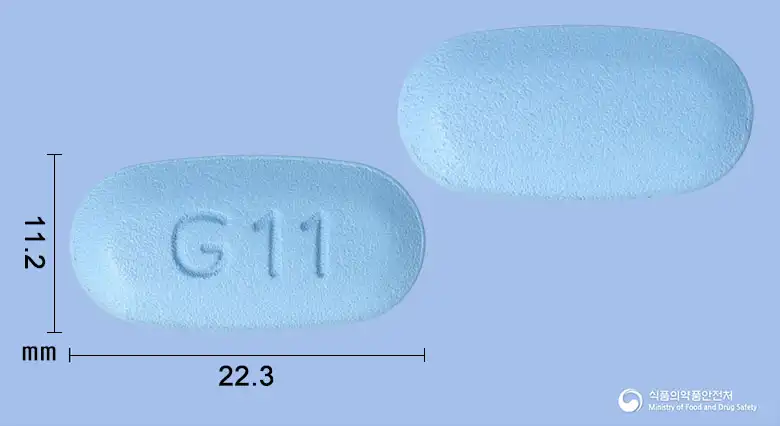
Sitagliptin Hydrochloride Hydrate 113.4mg · Metformin Hydrochloride 1000mg
Tablet · Prescription medication · Combination
Shinil Pharmaceutical Co., Ltd.
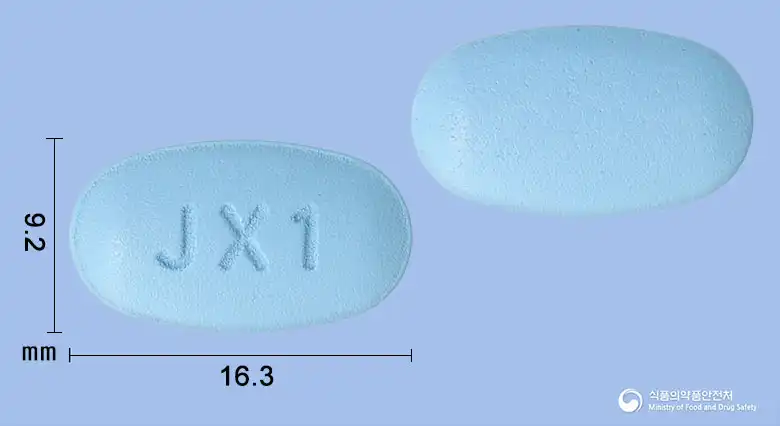 Combination
Sitagliptin Hydrochloride Hydrate 56.7mg · Metformin Hydrochloride 500mg
Tablet · Prescription medication · Combination
GL Pharma Co., Ltd.
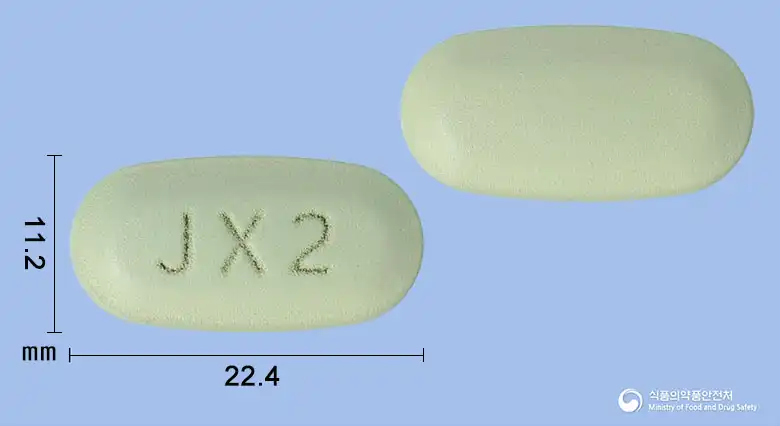 Combination
Sitagliptin Hydrochloride Hydrate 56.7mg · Metformin Hydrochloride 1000mg
Tablet · Prescription medication · Combination
GL Pharma Co., Ltd.
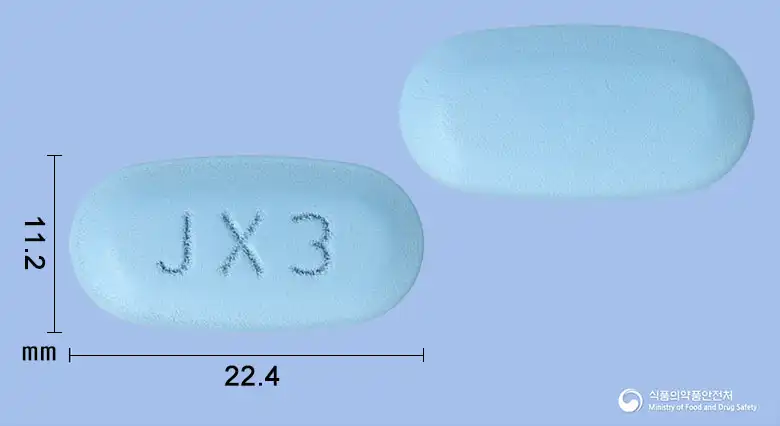 Combination
Sitagliptin Hydrochloride Hydrate 113.4mg · Metformin Hydrochloride 1000mg
Tablet · Prescription medication · Combination
GL Pharma Co., Ltd.
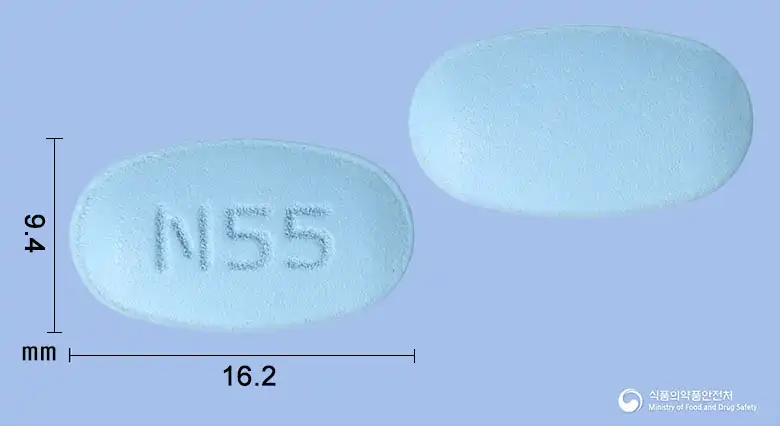 Combination
Sitagliptin Hydrochloride Hydrate 56.7mg · Metformin Hydrochloride 500mg
Tablet · Prescription medication · Combination
Korea Hutech Pharmaceutical Co., Ltd.
Even with the same ingredient, the dose and directions can differ by strength and dosage form. Talk to a doctor or pharmacist before switching from a medication you are already taking.
No questions yet.
For anything that needs medical judgment, consult a doctor or pharmacist.
This drug information is based on data provided by the Korea Ministry of Food and Drug Safety.
Consult a doctor or pharmacist for accurate dosage, administration, and usage instructions.