
 한국어
한국어 English
 日本語
日本語 中文(简体)
 Viewing nowCombination
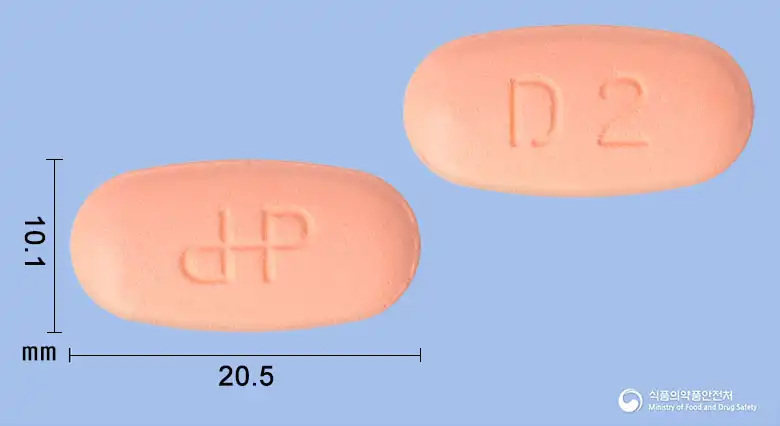
Sitagliptin and Metformin Combination Tablet 50/850 mg
Sitagliptin Hydrochloride Hydrate 56.69mg · Metformin Hydrochloride 850mg
Tablet · Prescription medication · Combination
Daehwa Pharmaceutical Co., Ltd.
MFDS item code 202300758 · Approved 2023.03.06 · Insurance code 645605880
Improvement in blood sugar control in type 2 diabetes
This drug helps control blood sugar levels in patients with type 2 diabetes by using sitagliptin and metformin together. It effectively manages blood sugar when combined with dietary control and exercise therapy, and helps stabilize blood sugar levels. Therefore, it is used to improve blood sugar control in daily life for diabetes patients.
The dosage of this drug should be determined within the range not exceeding the maximum recommended daily doses of sitagliptin 100 mg and metformin 2000 mg, considering each patient's current therapy, efficacy, and tolerability. Generally administered twice daily with meals, the dosage should be gradually increased to reduce gastrointestinal side effects associated with metformin. 1. For patients not currently treated with metformin: If previously untreated with diabetes medication and insufficient blood sugar control with monotherapy or unable to achieve sufficient blood sugar control with sitagliptin monotherapy, the initial dosage of this drug is 50/500 mg twice daily, taking 1 tablet each time, or it can be increased to 50/1000 mg at 1 tablet twice daily. Patients with renal impairment who are receiving reduced doses of sitagliptin should not switch to this drug (refer to the precautions regarding patients who should not be administered this drug). 2. For patients currently being treated with metformin: - The recommended initial dose of this drug for patients unable to achieve sufficient blood sugar control on metformin monotherapy is a total daily amount of sitagliptin 50 mg twice daily (total daily amount 100 mg) along with the current metformin dosage. - Patients switching from combination therapy of sitagliptin and metformin can start with their existing dosing regimen of sitagliptin and metformin. 3. If unable to achieve adequate blood sugar control with combination therapies of metformin and sulfonylureas, metformin and insulin, or metformin and thiazolidinediones: The initial dosage of this drug is sitagliptin 50 mg twice daily (total daily amount of 100 mg), and the initial dosage of metformin should be determined based on the patient's blood sugar levels and previously administered dosages. Gradual dosage increases should be made to reduce gastrointestinal side effects caused by metformin. When co-administered with sulfonylureas or insulin, consider reducing their dosages to decrease the risk of hypoglycemia induced by these agents (refer to general precautions). No studies have been conducted to assess the safety and efficacy of switching patients previously treated with other oral hypoglycemic agents to this drug. Any change in the treatment regimen for type 2 diabetes must be approached cautiously as it may affect blood sugar control, and appropriate monitoring should be in place. Renal impairment: This drug can be used for patients with moderate renal impairment, stage 3a (creatinine clearance [CrCl] ≥ 45 and < 60 mL/min or estimated glomerular filtration rate [eGFR] ≥ 45 and < 60 mL/min/1.73 m2) if no other symptoms that could increase the risk of lactic acidosis accompany this condition. The initial dose of metformin is 500 mg or 850 mg once daily, so treatment should not start with this drug. The maximum recommended dose of metformin is 500 mg twice daily. Kidney function should be carefully monitored every 3 to 6 months. If CrCl < 45 mL/min or eGFR < 45 mL/min/1.73 m2 occurs, this drug should be discontinued immediately. Liver impairment: This drug should not be administered to patients with liver dysfunction due to the metformin component (see precautions regarding patients who should not be administered this drug).
This drug contains both sitagliptin and metformin and is primarily used for blood sugar control in patients with type 2 diabetes. When taking this drug, severe allergic reactions may occur; therefore, if symptoms such as skin rashes or difficulty breathing arise, discontinue use immediately and consult a physician. Acute pancreatitis has been reported rarely, so if symptoms such as abdominal pain, nausea, or vomiting occur, seek medical attention immediately. The metformin component can cause a rare side effect of severe lactic acidosis, so it is safer for patients with poor kidney function or liver dysfunction to avoid taking this medication. This drug should not be administered to patients with moderately or severely reduced kidney function, acute heart failure, severe infections, or dehydration, and it should be temporarily discontinued before and after surgery. Pregnant or nursing women should avoid taking this drug. During treatment, hypoglycemic symptoms may occur, especially when taken with insulin or sulfonylureas; hence, blood sugar levels should be monitored frequently. Be cautious of the increased risk of hypoglycemia if food intake is irregular, exercise levels suddenly increase, or if certain medications are taken concurrently. This drug contains certain dyes; if you are allergic to any of these components, be sure to consult your physician before taking it. Furthermore, alcohol consumption can increase the risk of lactic acidosis, so excessive drinking should be avoided while taking this medication. Regularly monitor kidney function and blood tests to assess health status, and report any abnormal symptoms to medical personnel immediately. Finally, while taking this medication, a dietary regimen and regular exercise should be maintained to assist in blood sugar control.
Urticaria, angioedema, anaphylaxis, skin disorders such as Stevens-Johnson syndrome, acute pancreatitis, severe hypoglycemia, difficulty breathing, acute renal failure, severe joint pain with complications, bullous pemphigoid, acute renal failure, difficulty breathing, unstable angina
Not everyone experiences these, and they can vary from person to person.
This drug should be stored in a tightly closed container to prevent air or moisture from entering. A storage temperature between 1 degree and 30 degrees Celsius is appropriate. Avoid storing in excessively hot or cold locations.
Pink oval film-coated tablet
Bottle - 100 tablets/bottle, Bottle - 30 tablets/bottle
Even with the same ingredient, strength, dosage form and how it is taken can differ.
Viewing nowCombinationSitagliptin Hydrochloride Hydrate 56.69mg · Metformin Hydrochloride 850mg
Tablet · Prescription medication · Combination
Daehwa Pharmaceutical Co., Ltd.
 Combination
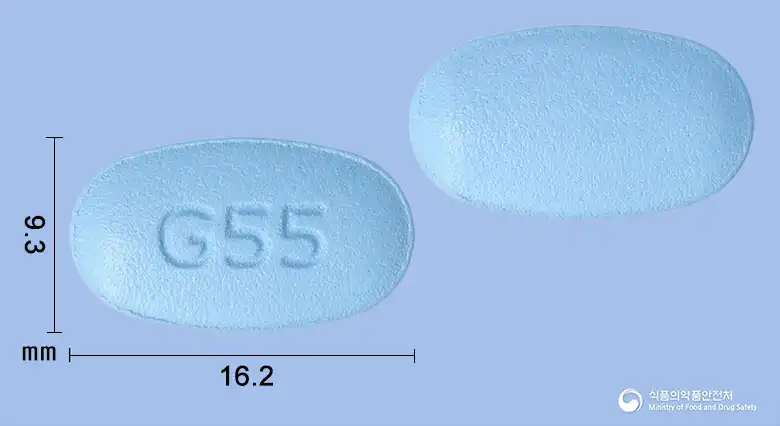
Sitagliptin Hydrochloride Hydrate 56.7mg · Metformin Hydrochloride 500mg
Tablet · Prescription medication · Combination
Shinil Pharmaceutical Co., Ltd.
 Combination
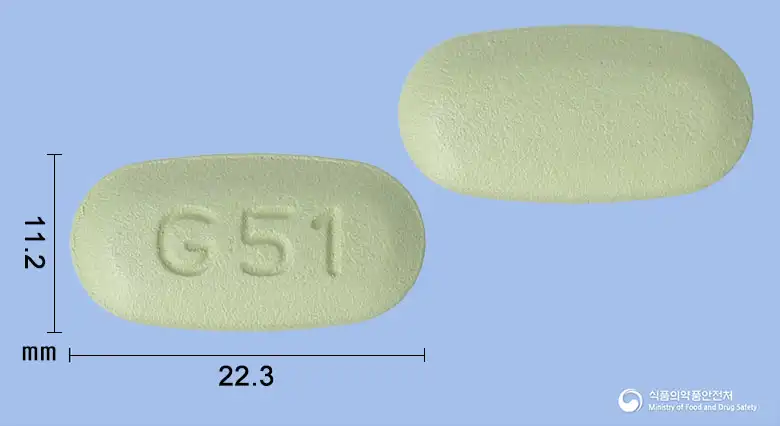
Sitagliptin Hydrochloride Hydrate 56.7mg · Metformin Hydrochloride 1000mg
Tablet · Prescription medication · Combination
Shinil Pharmaceutical Co., Ltd.
 Combination
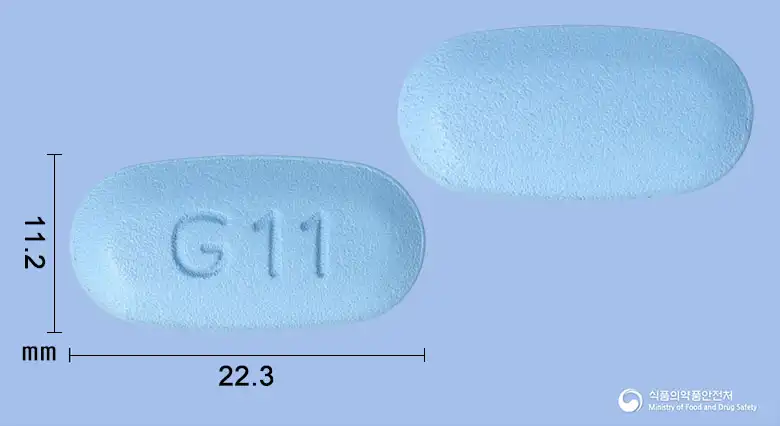
Sitagliptin Hydrochloride Hydrate 113.4mg · Metformin Hydrochloride 1000mg
Tablet · Prescription medication · Combination
Shinil Pharmaceutical Co., Ltd.
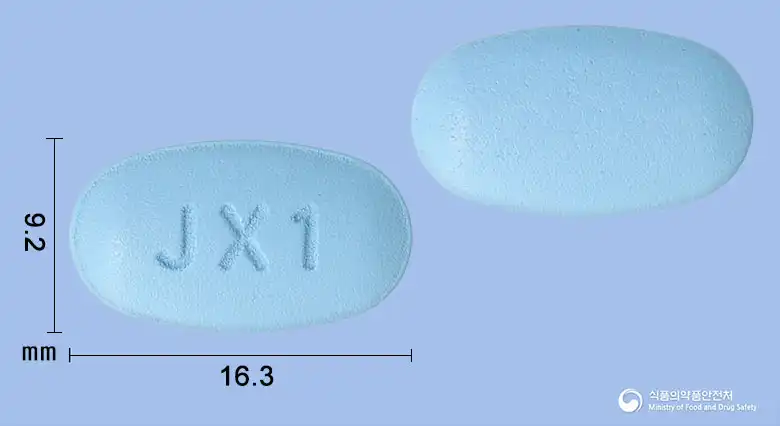 Combination
Sitagliptin Hydrochloride Hydrate 56.7mg · Metformin Hydrochloride 500mg
Tablet · Prescription medication · Combination
GL Pharma Co., Ltd.
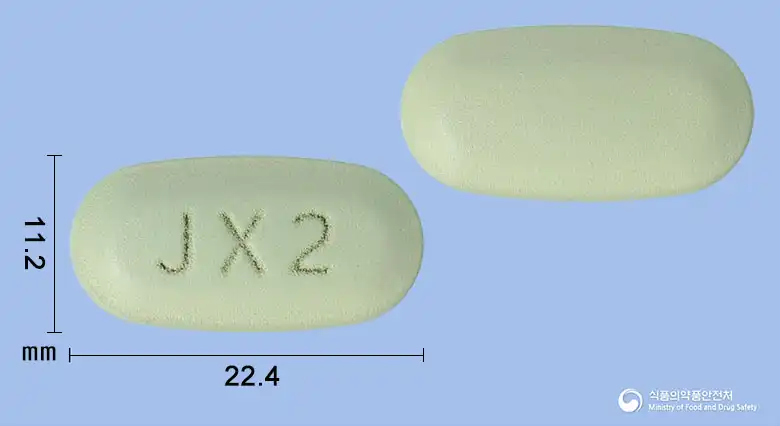 Combination
Sitagliptin Hydrochloride Hydrate 56.7mg · Metformin Hydrochloride 1000mg
Tablet · Prescription medication · Combination
GL Pharma Co., Ltd.
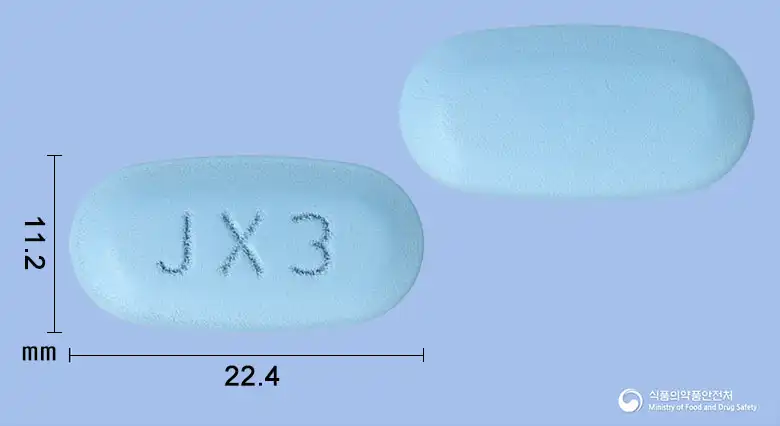 Combination
Sitagliptin Hydrochloride Hydrate 113.4mg · Metformin Hydrochloride 1000mg
Tablet · Prescription medication · Combination
GL Pharma Co., Ltd.
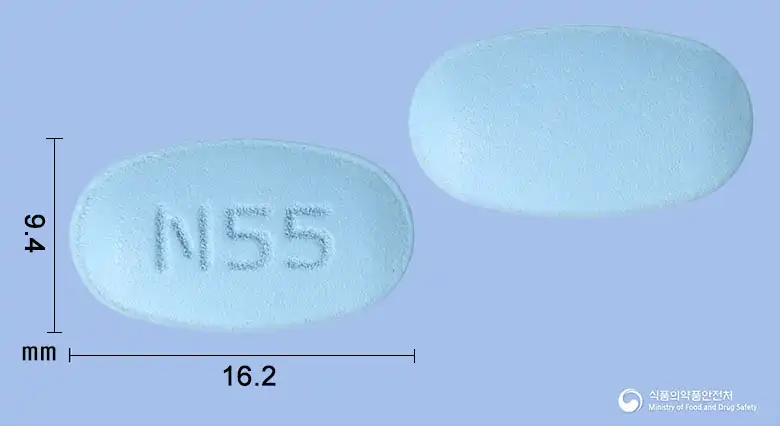 Combination
Sitagliptin Hydrochloride Hydrate 56.7mg · Metformin Hydrochloride 500mg
Tablet · Prescription medication · Combination
Korea Hutech Pharmaceutical Co., Ltd.
Even with the same ingredient, the dose and directions can differ by strength and dosage form. Talk to a doctor or pharmacist before switching from a medication you are already taking.
No questions yet.
For anything that needs medical judgment, consult a doctor or pharmacist.
This drug information is based on data provided by the Korea Ministry of Food and Drug Safety.
Consult a doctor or pharmacist for accurate dosage, administration, and usage instructions.