
 한국어
한국어 English
 日本語
日本語 中文(简体)
 Viewing nowCombination
Esoduo-S Tablet 20/700 mg
Esomeprazole Magnesium Trihydrate Pellet 70.5mg · Sodium Bicarbonate 700mg
Tablet · Prescription medication · Combination
Jongkundang Co., Ltd.
MFDS item code 202300663 · Approved 2023.02.22 · Insurance code 643309320
Treatment and prevention of erosive reflux esophagitis, relief of symptoms of gastroesophageal reflux disease
This medication is effective in treating gastroesophageal reflux disease, especially erosive reflux esophagitis. It is also used for long-term maintenance therapy to prevent relapse in patients with esophagitis. It also helps improve symptoms in patients with gastroesophageal reflux disease without esophagitis. In summary, this medication is effectively used for various forms of gastroesophageal reflux disease symptoms and relapse prevention.
This medication should be taken at least 1 hour before meals on an empty stomach. When taking this medication, it should be swallowed whole with at least half a cup of water. Other beverages should not be taken with it. This medication should not be chewed or crushed. 1. Adults Gastroesophageal Reflux Disease (GERD). - Treatment of erosive reflux esophagitis: Administer 40/700mg once daily for 4 weeks. If esophagitis is not treated or symptoms persist, continue taking for an additional 4 weeks. - Long-term maintenance therapy for relapse prevention in patients with esophagitis: 20/700mg once daily. - Symptomatic treatment in patients with gastroesophageal reflux disease without esophagitis: 20/700mg once daily. If symptoms are not controlled after 4 weeks, further medical attention is needed. Once symptoms improve, subsequent symptoms should be controlled with 20/700mg once daily. In adults, 20/700mg once daily can be administered as needed. In patients at high risk for gastric and duodenal ulcers due to nonsteroidal anti-inflammatory drug administration, continuous symptom control is not recommended.
This medication should not be used in certain patients. Patients who have hypersensitivity to this medication or its ingredients, or who have experienced such reactions in the past, should not take it. Additionally, patients taking certain antiviral drugs such as atazanavir, nelfinavir, and rilpivirine, as well as breastfeeding women, should refrain from using this medication. Patients with a history of myocardial infarction or those who have had myocardial infarction should avoid this medication. Caution is advised for patients with liver function issues or elderly patients, those with severe gastrointestinal ulcers, renal dysfunction, compromised heart and lung function, electrolyte imbalances (such as hypochloremic alkalosis), patients with Bartter syndrome, hypokalemia, hypocalcemia, or acid-base balance disorders. Patients who need sodium intake restrictions due to sodium bicarbonate in this medication (such as those with hypernatremia, edema, preeclampsia, bladder stones, or hypertension) should also be cautious. When taking this medication, various adverse reactions may occur. Blood abnormalities such as leukopenia or thrombocytopenia can occur infrequently, and immune system adverse reactions such as fever or anaphylaxis may occur. Neurologically, headaches, dizziness, and drowsiness are commonly reported, while gastrointestinal symptoms such as abdominal pain, diarrhea, nausea, and vomiting can frequently occur. Rarely, hepatitis, jaundice, skin rashes, hair loss, and severe skin reactions (such as Stevens-Johnson syndrome) have also been reported. This medication inhibits gastric acid secretion, which can lower the acidity in the stomach, thereby increasing the risk of gastrointestinal bacterial infections with prolonged use. Diarrhea due to Clostridium difficile infection may occur, so it is advised to consult a doctor if diarrhea persists. There is an increased risk of fractures with long-term use, and patients at risk for osteoporosis should regularly monitor their condition. This medication contains sugar, so patients with certain genetic diseases should avoid taking it. Long-term use of this medication or concomitant use with certain drugs may lead to hypomagnesemia, so magnesium levels should be tested regularly and supplemented if necessary. Additionally, this medication can affect endocrine tumor diagnostic tests, so discontinuation may be required before testing. This medication can interact with multiple drugs, so it is essential to inform healthcare providers if other medications are being taken. Special caution is necessary when combined with antiviral drugs, warfarin, methotrexate, clopidogrel, and others. Due to limited data about the safety of this medication during pregnancy, it should be administered with caution in pregnant women, and it is advisable for breastfeeding women to not take this medication. In case of overdose, as there is no specific antidote, appropriate treatment should be administered based on symptoms. This medication has a high protein-binding rate and is not removed by dialysis. Finally, this medication should be stored out of reach of children, and care should be taken not to transfer it to other containers as it may affect the quality.
hives, angioedema, anaphylaxis reaction/shock, hypomagnesemia, mucocutaneous syndrome (Stevens-Johnson syndrome), toxic epidermal necrolysis (Lyell syndrome), acute generalized exanthematous pustulosis, drug reaction with eosinophilia and systemic symptoms (DRESS syndrome), Clostridium difficile diarrhea, jaundice, hepatic failure, interstitial nephritis, severe allergic reactions (hives, severe swelling, chest tightness, difficulty breathing, cold
Not everyone experiences these, and they can vary from person to person.
This medication should be stored in a tightly sealed container to protect it from air and moisture, at a temperature between 1 degree and 30 degrees Celsius. Proper storage will maintain the effectiveness of the medication for an extended period.
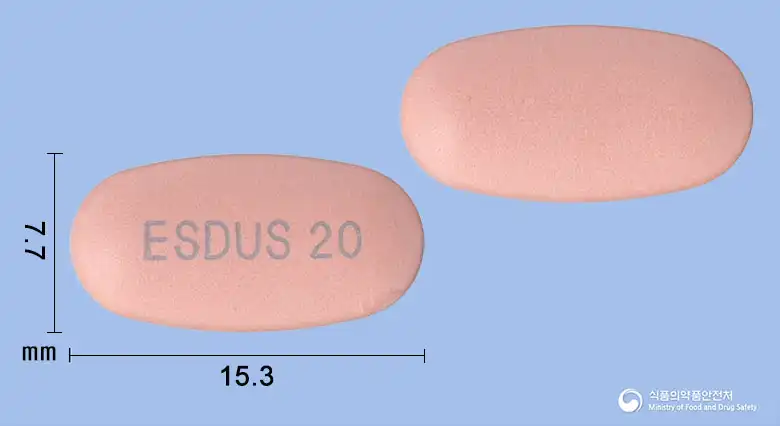
pale pink oblong film-coated tablet
7 tablets/bottle, 30 tablets/bottle, 300 tablets/bottle, 28 tablets/box [(7 tablets/PTPx4)]
Even with the same ingredient, strength, dosage form and how it is taken can differ.
Viewing nowCombinationEsomeprazole Magnesium Trihydrate Pellet 70.5mg · Sodium Bicarbonate 700mg
Tablet · Prescription medication · Combination
Jongkundang Co., Ltd.
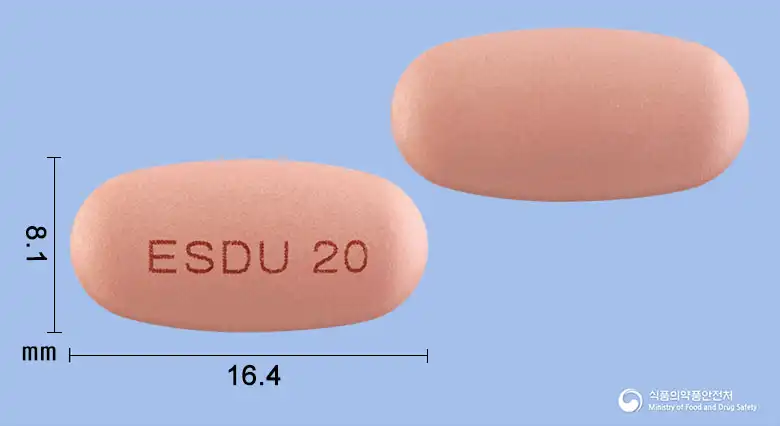 Combination
Esomeprazole Magnesium Trihydrate Pellet 22.26mg · Sodium Bicarbonate 800mg
Tablet · Prescription medication · Combination
Jongkundang Co., Ltd.
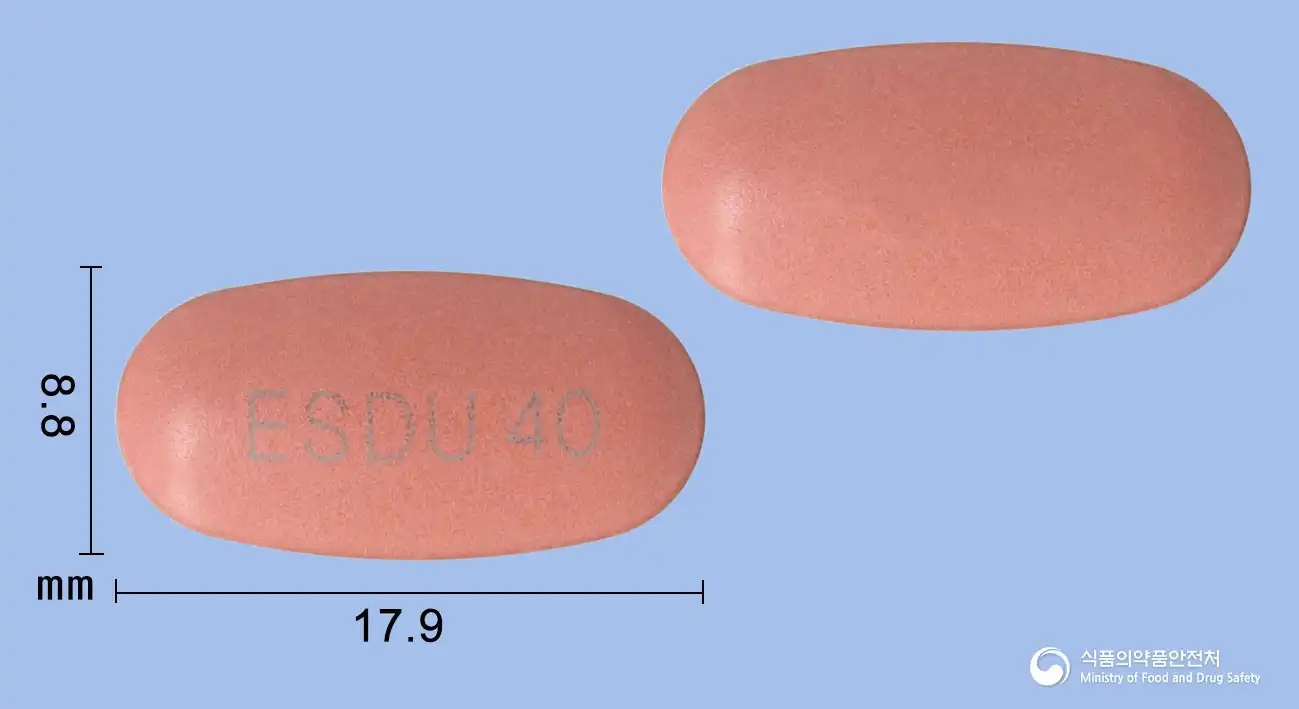 Combination
Esomeprazole Magnesium Trihydrate Pellet 44.52mg · Sodium Bicarbonate 800mg
Tablet · Prescription medication · Combination
Jonggeun Medical Co., Ltd.
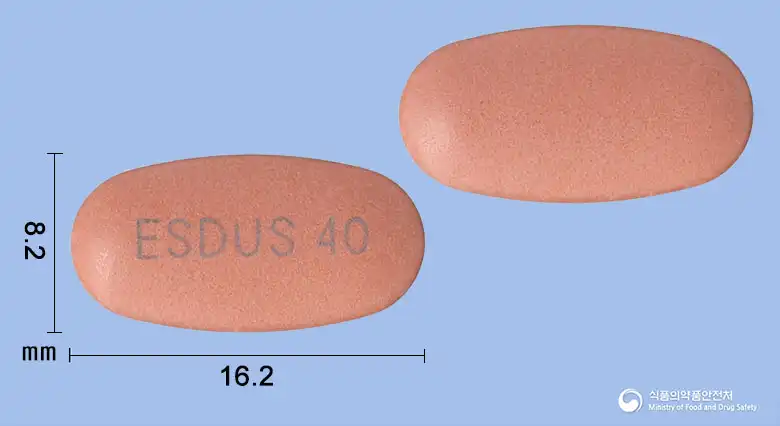 Combination
Esomeprazole Magnesium Trihydrate Pellet 141mg · Sodium Bicarbonate 700mg
Tablet · Prescription medication · Combination
Jong Keun Dang Co., Ltd.
Even with the same ingredient, the dose and directions can differ by strength and dosage form. Talk to a doctor or pharmacist before switching from a medication you are already taking.
No questions yet.
For anything that needs medical judgment, consult a doctor or pharmacist.
This drug information is based on data provided by the Korea Ministry of Food and Drug Safety.
Consult a doctor or pharmacist for accurate dosage, administration, and usage instructions.