
 한국어
한국어 English
 日本語
日本語 中文(简体)
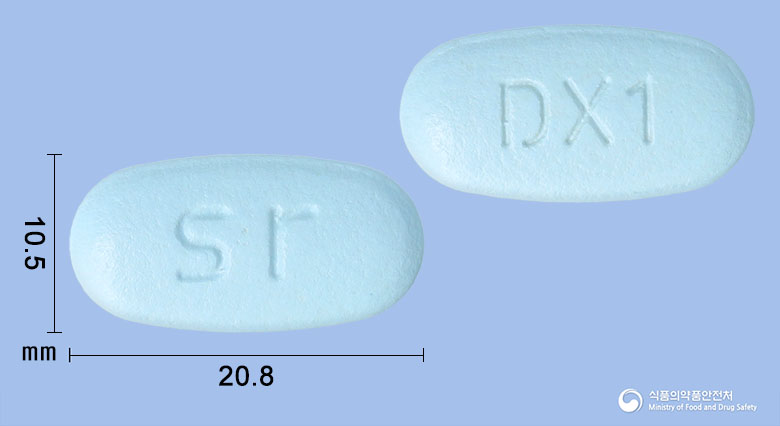 Viewing nowCombination
Janugriptin Duo XR Extended-release Tablet 50/500 mg
Sitagliptin Hydrochloride Hydrate 56.69mg · Metformin Hydrochloride 500mg
Tablet · Prescription medication · Combination
Sears Pharmaceutical Co., Ltd.
MFDS item code 202300615 · Approved 2023.02.17 · Insurance code 689001770
Improvement in blood sugar control for type 2 diabetes
This medication is used to assist patients with type 2 diabetes in controlling their blood sugar levels. It effectively improves blood sugar levels by administering sitagliptin and metformin together to patients who are also following a meal plan and exercise regimen. This medication supports individuals who struggle with blood sugar management in achieving more stable blood sugar control. It helps improve blood sugar control for diabetes management.
The dosage of this medication is determined considering the current treatment plan, efficacy, and tolerance of each patient, without exceeding the maximum recommended daily dosage of sitagliptin 100 mg and metformin 2000 mg for each component. This medication should be taken once daily with a meal, preferably in the evening, to reduce gastrointestinal adverse effects caused by metformin and the dosage should be gradually increased. To maintain its extended-release properties, do not split, crush, chew, or dissolve this medication. There have been reports of incomplete dissolution of the medication leading to excretion in the stool. It is unknown if the active ingredients are included in the excreted material. If patients repeatedly report finding this medication in their stool, healthcare providers should assess whether blood sugar is adequately controlled (refer to warnings during use, section 5. General Precautions). For this extended-release formulation of 100/1000 mg, take one tablet once daily. For patients taking the 50/500 mg extended-release tablet or 50/1000 mg extended-release tablet, take two tablets simultaneously once daily. 1. For patients not currently being treated with metformin: If previous diabetes medication experiences have not provided adequate blood sugar control as monotherapy, or if sitagliptin alone cannot adequately control blood sugar, the initial dosage of this medication is a total daily amount of sitagliptin 100 mg and metformin 1000 mg. If the initial dosage does not achieve adequate blood sugar control, the dose may gradually be increased up to the maximum recommended dosage of 2000 mg for metformin to reduce gastrointestinal adverse effects. Patients with kidney impairment who are reducing the sitagliptin dosage should not switch to this medication (refer to warnings during use, section 2. Contraindications). 2. For patients receiving treatment with metformin: - The recommended initial dosage of this medication for patients not achieving adequate blood sugar control with metformin monotherapy is a total daily amount of sitagliptin 100 mg and the existing dosage of metformin. - Patients switching from combined therapy of sitagliptin and metformin can start with their existing dosages of sitagliptin and metformin. - Patients receiving immediate-release formulations of metformin at a dosage of 850 mg or 1000 mg twice daily may initiate this medication at a dosage of 50/1000 mg extended-release, taking two tablets once daily. 3. For cases of insufficient blood sugar control using combined therapy with metformin and sulfonylureas, metformin and insulin, or metformin and thiazolidinediones: The initial dosage of this medication is a total daily amount of sitagliptin 100 mg, and the initial dosage of metformin should consider the patient’s blood sugar levels and current dosages. To reduce gastrointestinal adverse effects caused by metformin, the dosage should be gradually increased. When administered alongside sulfonylureas or insulin, reductions in dosages of sulfonylureas or insulin may need to be considered to reduce the risk of hypoglycemia (refer to warnings during use, section 5. General Precautions). Studies examining the safety and efficacy of switching to this medication from other oral hypoglycemic agents have not been conducted. Any changes in the treatment regimen for type 2 diabetes may result in variations in blood sugar control, hence cautious monitoring is advised. Patients with kidney impairment: This medication may be used in patients with moderate kidney impairment stage 3a (creatinine clearance [CrCl] ≥ 45 and < 60 mL/min or estimated glomerular filtration rate [eGFR] ≥ 45 and < 60 mL/min/1.73m2) when there are no other symptoms that would increase the risk of lactic acidosis, by adjusting the dosage as follows. The starting dose of metformin should be 500 mg or 850 mg taken once daily, hence starting treatment with this medication is not permissible. The maximum recommended dosage for metformin is 1000 mg. Kidney function should be monitored carefully every 3-6 months. If CrCl < 45 mL/min or eGFR < 45 mL/min/1.73m2 is noted, this medication should be discontinued immediately. Patients with liver impairment: This medication should not be administered to patients with liver dysfunction due to the metformin component (refer to warnings during use, section 2. Contraindications).
This medication is used to treat diabetes and helps control blood sugar levels. During the use of this medication, serious allergic reactions may occur, so if symptoms such as rashes, hives, or difficulty breathing appear, discontinue use immediately and consult a doctor. There is a risk of pancreatitis, which is inflammation of the pancreas, so if symptoms such as abdominal pain, nausea, or vomiting appear, notify a healthcare provider immediately. This medication is not to be used in patients with poor kidney function, and regular kidney function tests should be performed. Particularly, patients with dehydration, serious infections, heart failure, or acute myocardial infarction should not take this medication. When undergoing tests with iodine contrast agents, this medication should be stopped for a certain period before and after the test. Individuals with allergies to the components of this medication should avoid taking it. It is safe for women who are pregnant, potentially pregnant, or breastfeeding to avoid taking this medication. Safety and efficacy have not been sufficiently confirmed for children and adolescents, so it is advisable not to use it in individuals under 18 years of age. This medication can cause hypoglycemia (a state of excessively low blood sugar), so caution is needed when skipping meals or engaging in vigorous exercise. Additionally, when taken with other hypoglycemic agents or insulin, the risk of hypoglycemia may increase, hence dosage adjustments should be made as per the physician’s instructions. Regular monitoring of liver function and vitamin B12 levels in the blood is necessary while on this medication. Excessive drinking or alcohol consumption may increase the risk of side effects from this medication, so it is best to avoid them. In the case of surgery, this medication should be discontinued 48 hours prior to the surgery, and restarted only after kidney function has returned to normal post-surgery. While taking this medication, adhere to a regular meal plan, exercise, and conduct regular blood sugar and kidney function tests to maintain good health. If a dose is overdosed, seek medical attention immediately for appropriate treatment, as some components can be removed via dialysis.
Hives, severe allergic reactions (anaphylaxis, angioedema, Stevens-Johnson syndrome, etc.), acute pancreatitis (either hemorrhagic or necrotizing pancreatitis, which can be fatal or non-fatal), worsened kidney function (including acute renal failure), lactic acidosis, severe hypoglycemia, severe arthralgia with disability, bullous pemphigoid, liver abnormalities (elevated liver enzymes), severe edema, thrombocytopenia, rhabdomyolysis
Not everyone experiences these, and they can vary from person to person.
This medication should be stored in a tightly closed container to avoid exposure to air and moisture, and it is safe to store at room temperature between 1 and 30 degrees Celsius. Proper storage helps maintain the effectiveness of the medication and prevents deterioration.
Light blue, oval, bi-convex extended-release film-coated tablet
Bottle - 100 tablets/bottle, Bottle - 30 tablets/bottle
Even with the same ingredient, strength, dosage form and how it is taken can differ.
Viewing nowCombinationSitagliptin Hydrochloride Hydrate 56.69mg · Metformin Hydrochloride 500mg
Tablet · Prescription medication · Combination
Sears Pharmaceutical Co., Ltd.
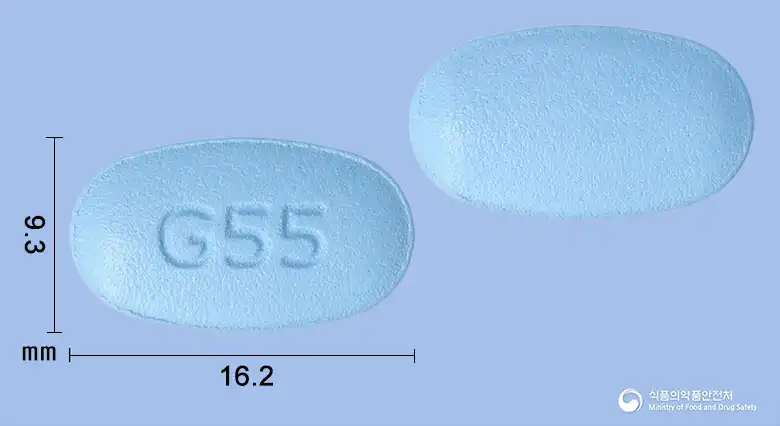 Combination
Sitagliptin Hydrochloride Hydrate 56.7mg · Metformin Hydrochloride 500mg
Tablet · Prescription medication · Combination
Shinil Pharmaceutical Co., Ltd.
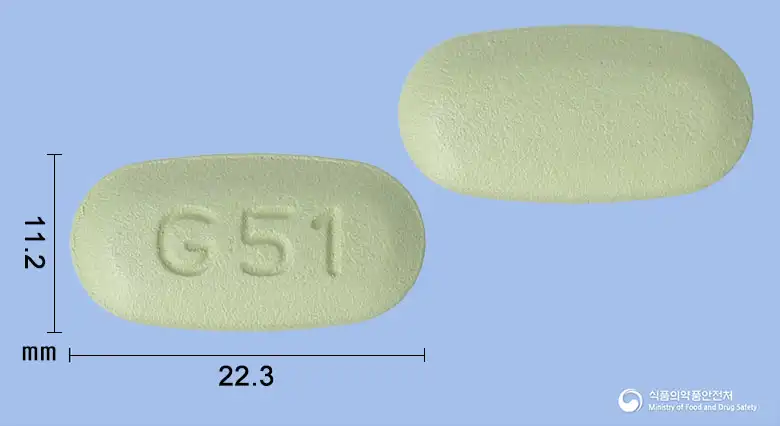 Combination
Sitagliptin Hydrochloride Hydrate 56.7mg · Metformin Hydrochloride 1000mg
Tablet · Prescription medication · Combination
Shinil Pharmaceutical Co., Ltd.
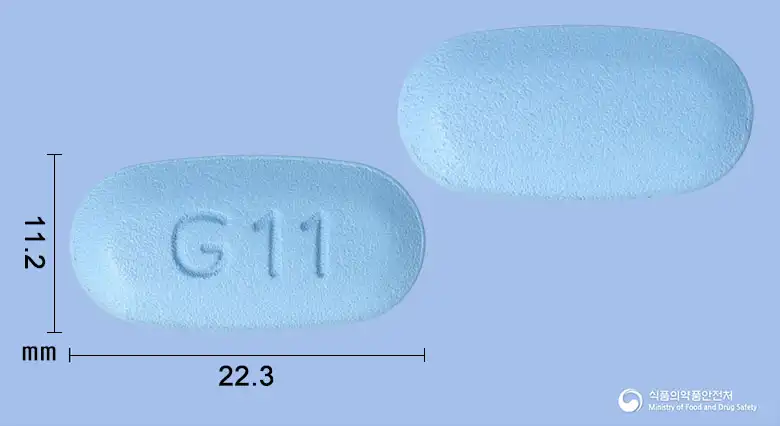 Combination
Sitagliptin Hydrochloride Hydrate 113.4mg · Metformin Hydrochloride 1000mg
Tablet · Prescription medication · Combination
Shinil Pharmaceutical Co., Ltd.
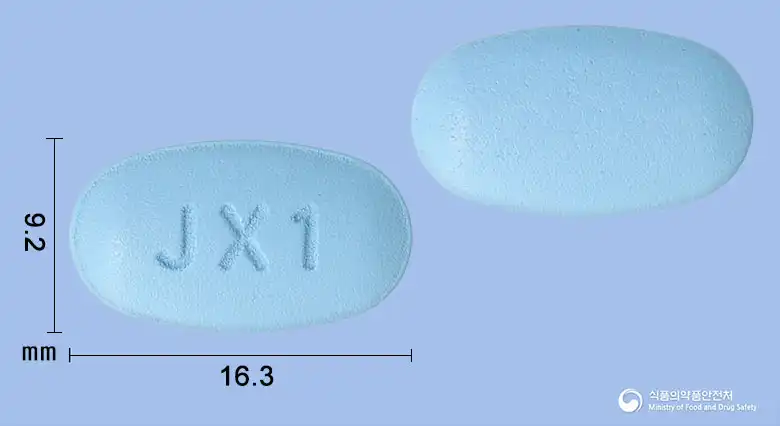 Combination
Sitagliptin Hydrochloride Hydrate 56.7mg · Metformin Hydrochloride 500mg
Tablet · Prescription medication · Combination
GL Pharma Co., Ltd.
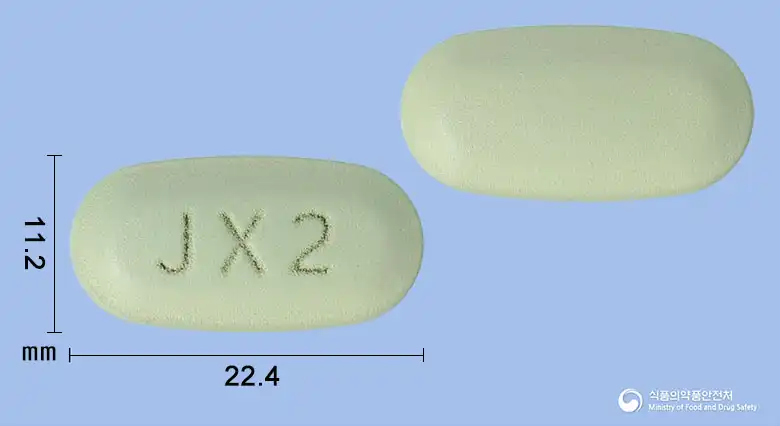 Combination
Sitagliptin Hydrochloride Hydrate 56.7mg · Metformin Hydrochloride 1000mg
Tablet · Prescription medication · Combination
GL Pharma Co., Ltd.
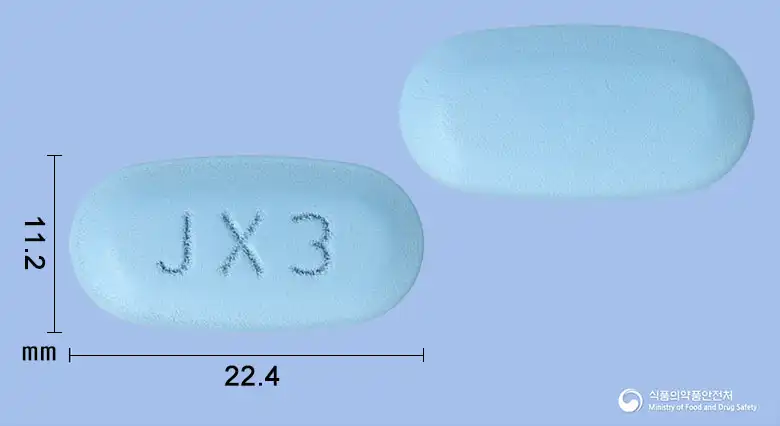 Combination
Sitagliptin Hydrochloride Hydrate 113.4mg · Metformin Hydrochloride 1000mg
Tablet · Prescription medication · Combination
GL Pharma Co., Ltd.
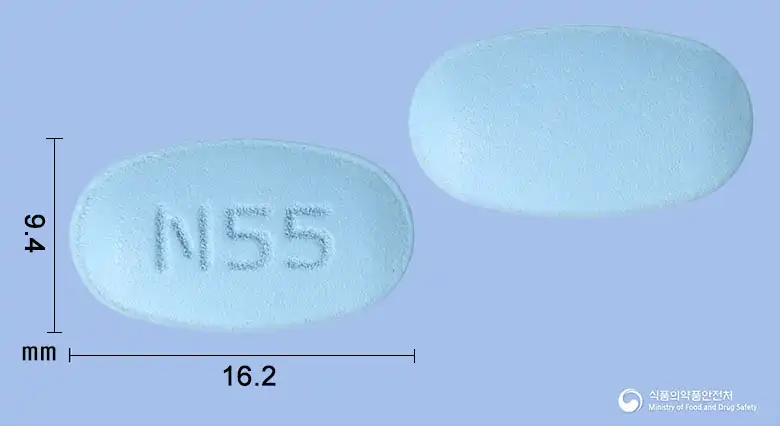 Combination
Sitagliptin Hydrochloride Hydrate 56.7mg · Metformin Hydrochloride 500mg
Tablet · Prescription medication · Combination
Korea Hutech Pharmaceutical Co., Ltd.
Even with the same ingredient, the dose and directions can differ by strength and dosage form. Talk to a doctor or pharmacist before switching from a medication you are already taking.
No questions yet.
For anything that needs medical judgment, consult a doctor or pharmacist.
This drug information is based on data provided by the Korea Ministry of Food and Drug Safety.
Consult a doctor or pharmacist for accurate dosage, administration, and usage instructions.